
The Cartagena issue, November 2026
Cartagena
The heat hits first.
Plan your Cartagena trip
Live prices from our booking partners.
Guests & rooms
Free cancellation on many rooms. We may earn a commission when you book.
The Cartagena reading list
All 38 Cartagena stories
Tours and ticketsThe lead story
Cartagena's Rosario Islands in One Long Boat Day
What a full day out to the Rosario Islands really involves: the cash-only fees, the 8:30am pier window, the reef rules, and which islands reward the crossing.
Sanne Vermeer
Tours and tickets
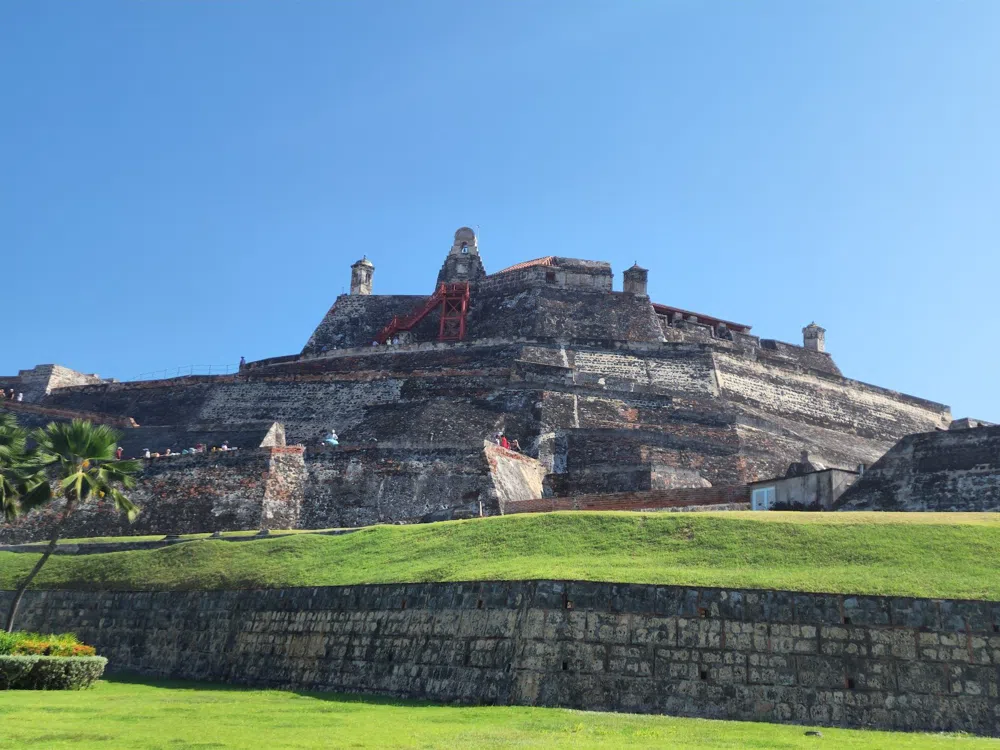
Inside the Tunnels and Cannon Terraces of San Felipe, Cartagena
The tunnel galleries and cannon terraces of Cartagena's hill fort, what entry costs, the hour to climb, and where to go when the heat ends it.
Sanne Vermeer

Tours and tickets
Shopping Cartagena's Old Prison Vaults at Las Bóvedas
Antonio de Arévalo's bomb-proof vaults once held independence prisoners. Now the arches front craft shops, and walking the row costs nothing.
Sanne Vermeer
Tours and tickets
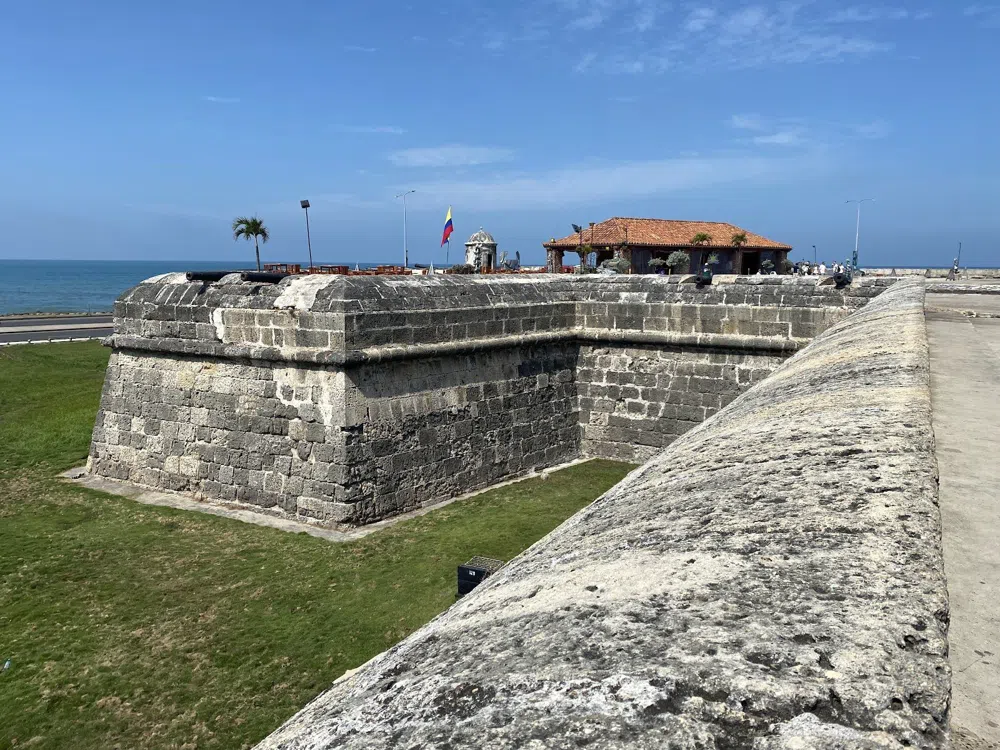
Walking Cartagena's Walled City From Dawn to Salsa Hour
Four kilometres of free rampart and one dome worth climbing, but in Old Town Cartagena it is the hour you set out that decides whether the walk is a pleasure or a punishment.
Sanne Vermeer
Tours and tickets
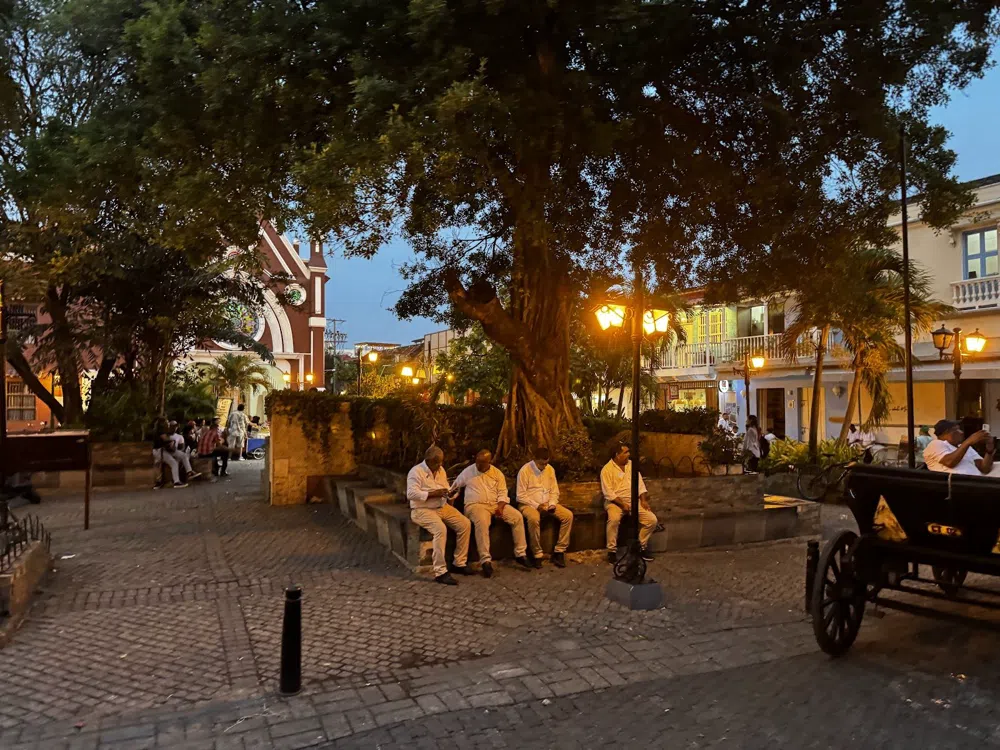
Plaza de San Diego Is Cartagena's Calm Square After Dark
Cartagena's walled city has grander squares, but Plaza de San Diego is the one you can still sit in after nine. How to spend an evening around it, and what it costs.
Sanne Vermeer
More from the Cartagena issue
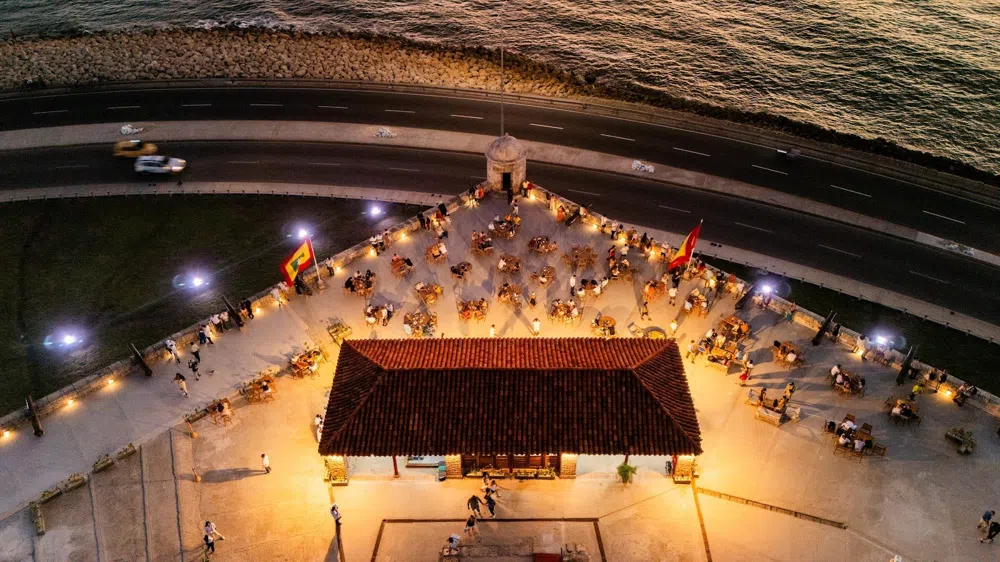
How Many Days Cartagena Actually Needs
Sanne Vermeer
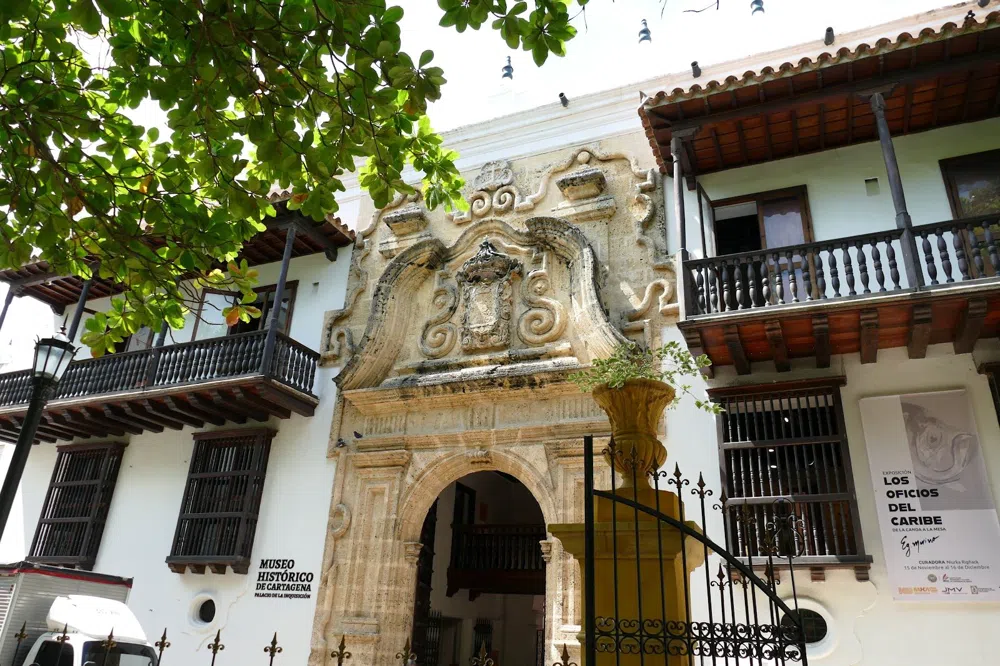
Cartagena in December: A First-Timer's Winter Guide
Sanne Vermeer
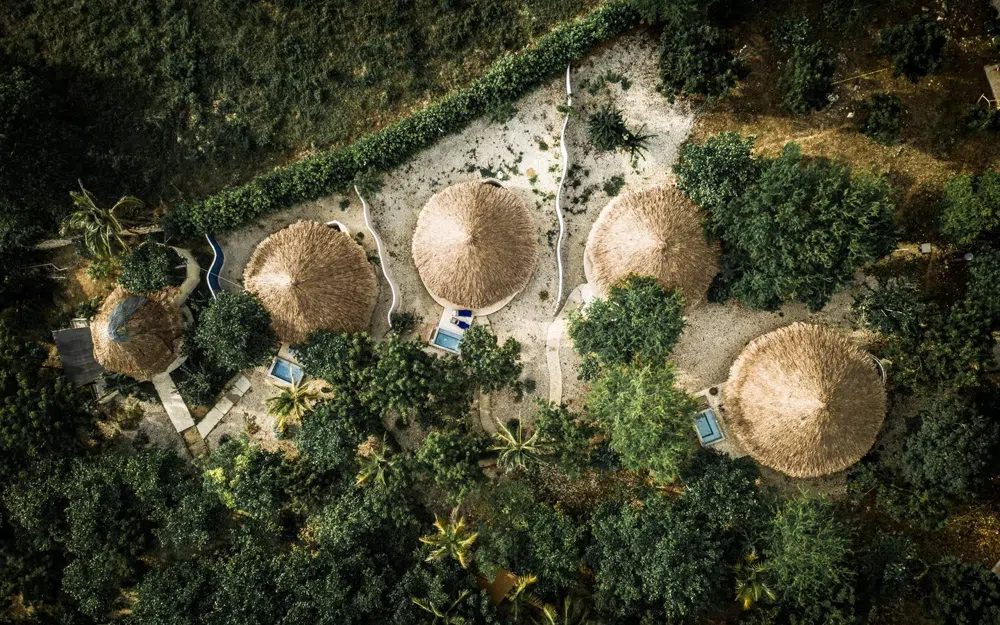
Crossing to Tierra Bomba for a Slower Cartagena Beach Day
Sanne Vermeer
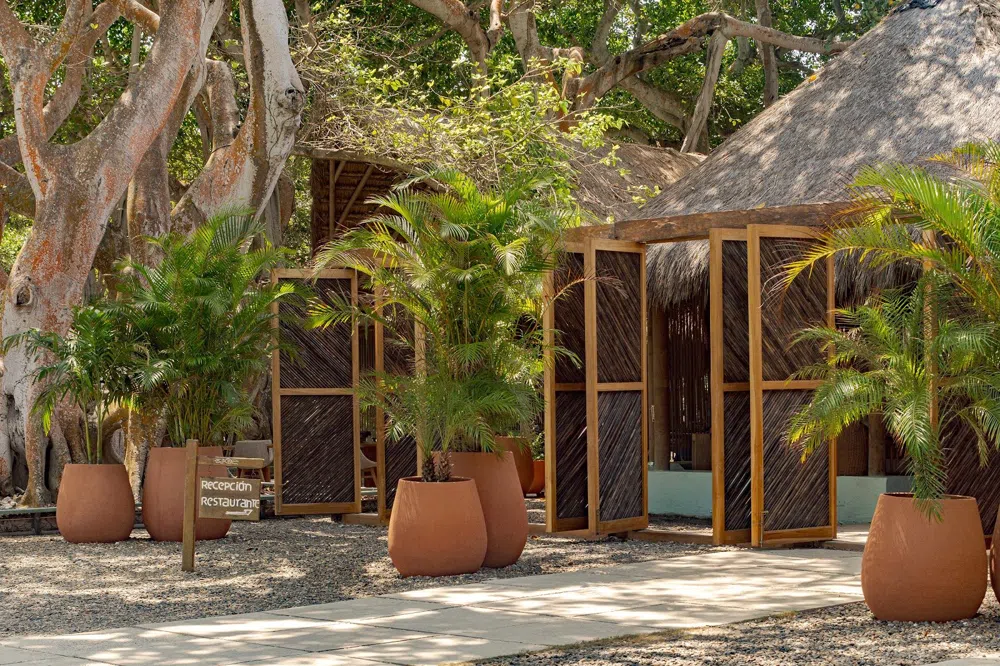
The Rosario Islands: Cartagena's 48-Hour Escape
Sanne Vermeer
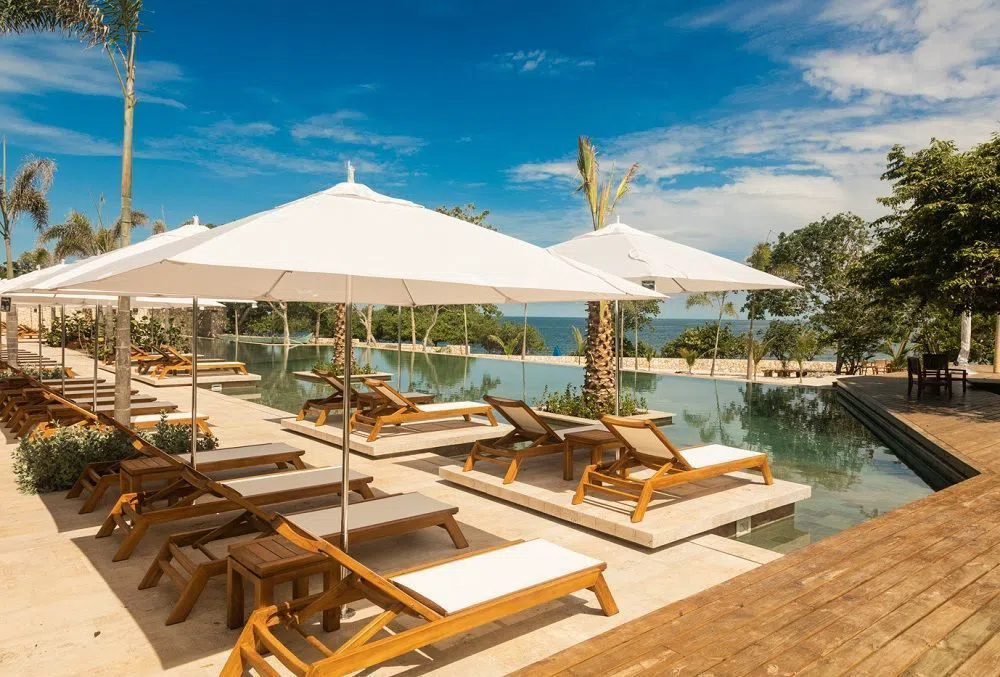
Cartagena in October When the Rain Buys a Better Beach Day
Sanne Vermeer
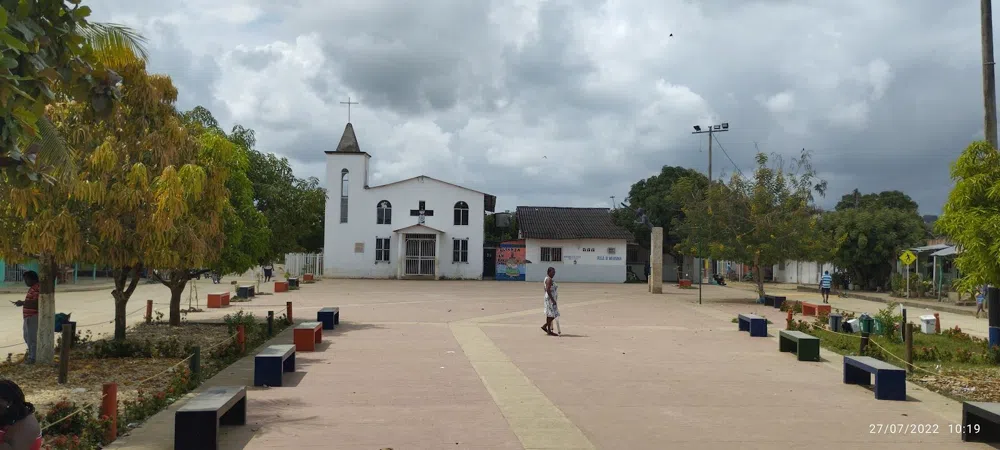
Day Trips Out of Cartagena That Earn a Longer Stay
Sanne Vermeer

Drinking Above the Walls in Cartagena's Old Town
Sanne Vermeer
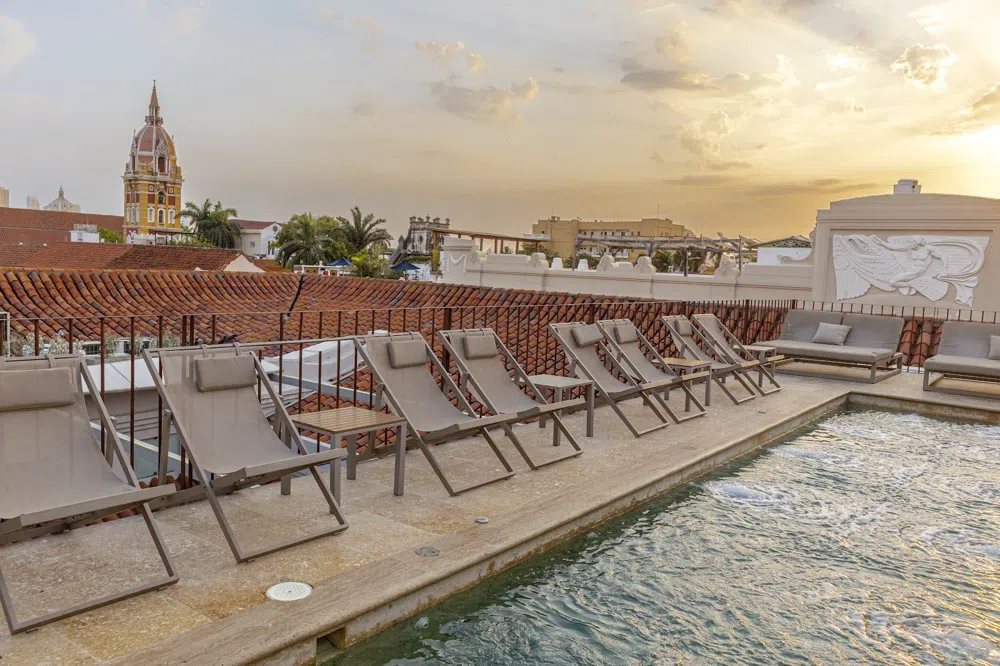
Where to Stay in Cartagena: The New Four Seasons, Getsemani Boutiques or the Beach
Sanne Vermeer

Cartagena's Rooftop Race Runs From the Walls to the 51st Floor
Sanne Vermeer
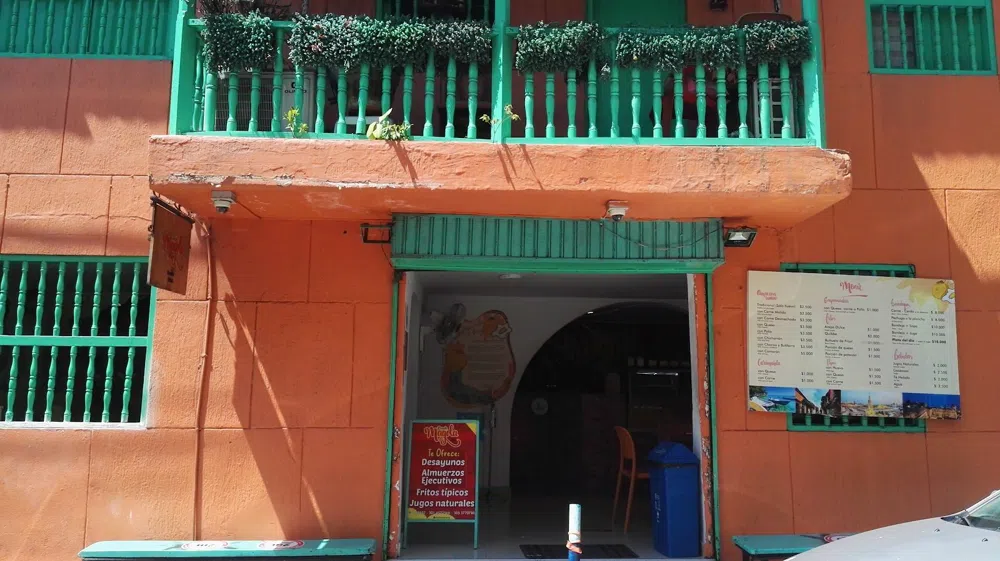
Eaten Standing Up: Cartagena's Street Food in the Caribbean Heat
Marcela Movilla
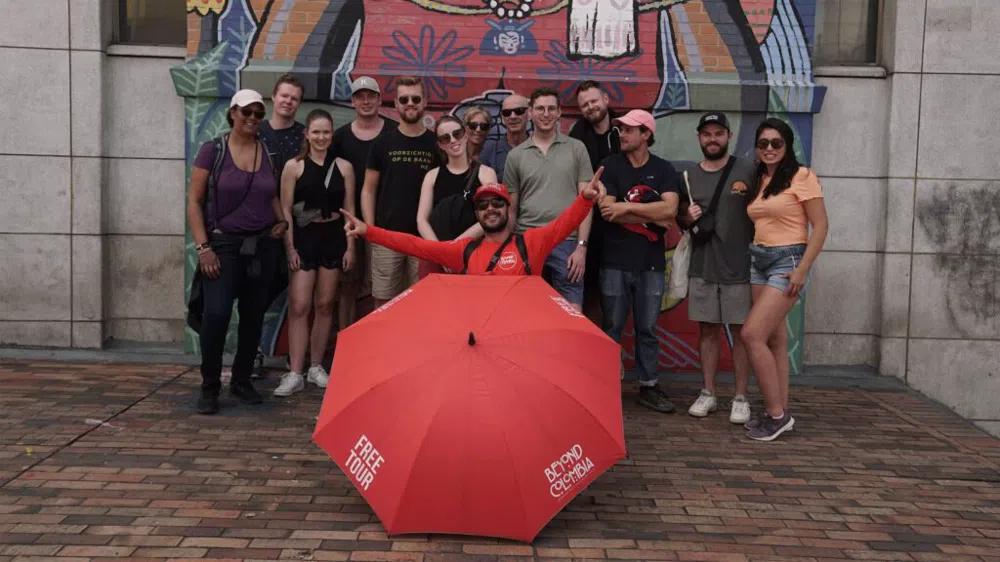
Cartagena on Foot and the One Ride You Still Need
Sanne Vermeer
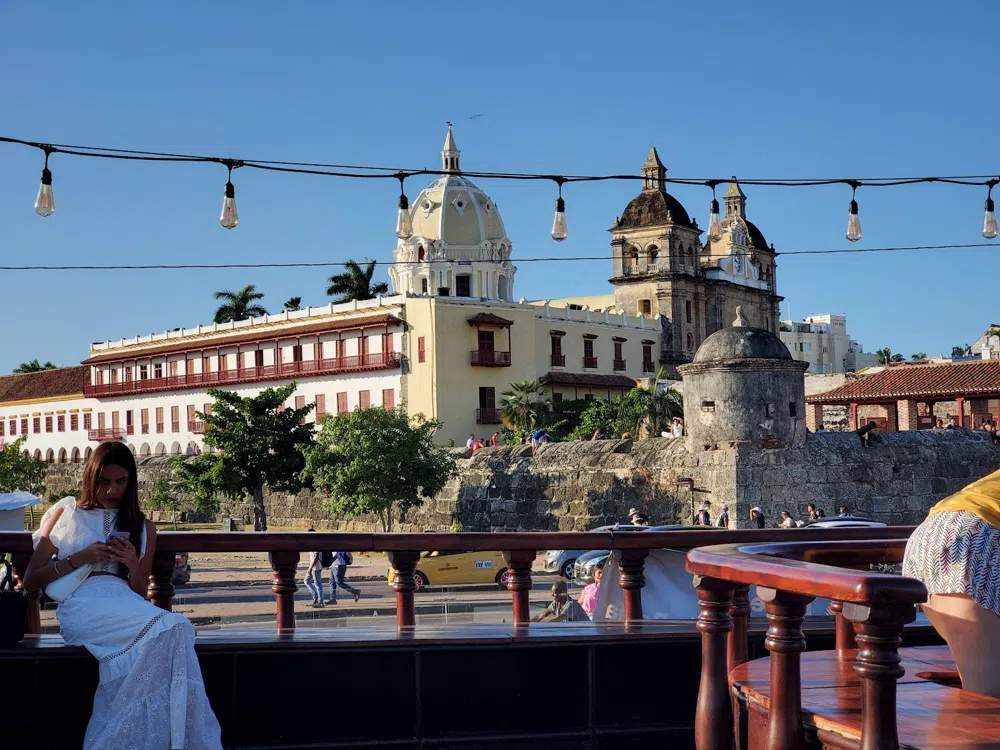
The Rosario Islands, Two Days Out From Cartagena
Sanne Vermeer
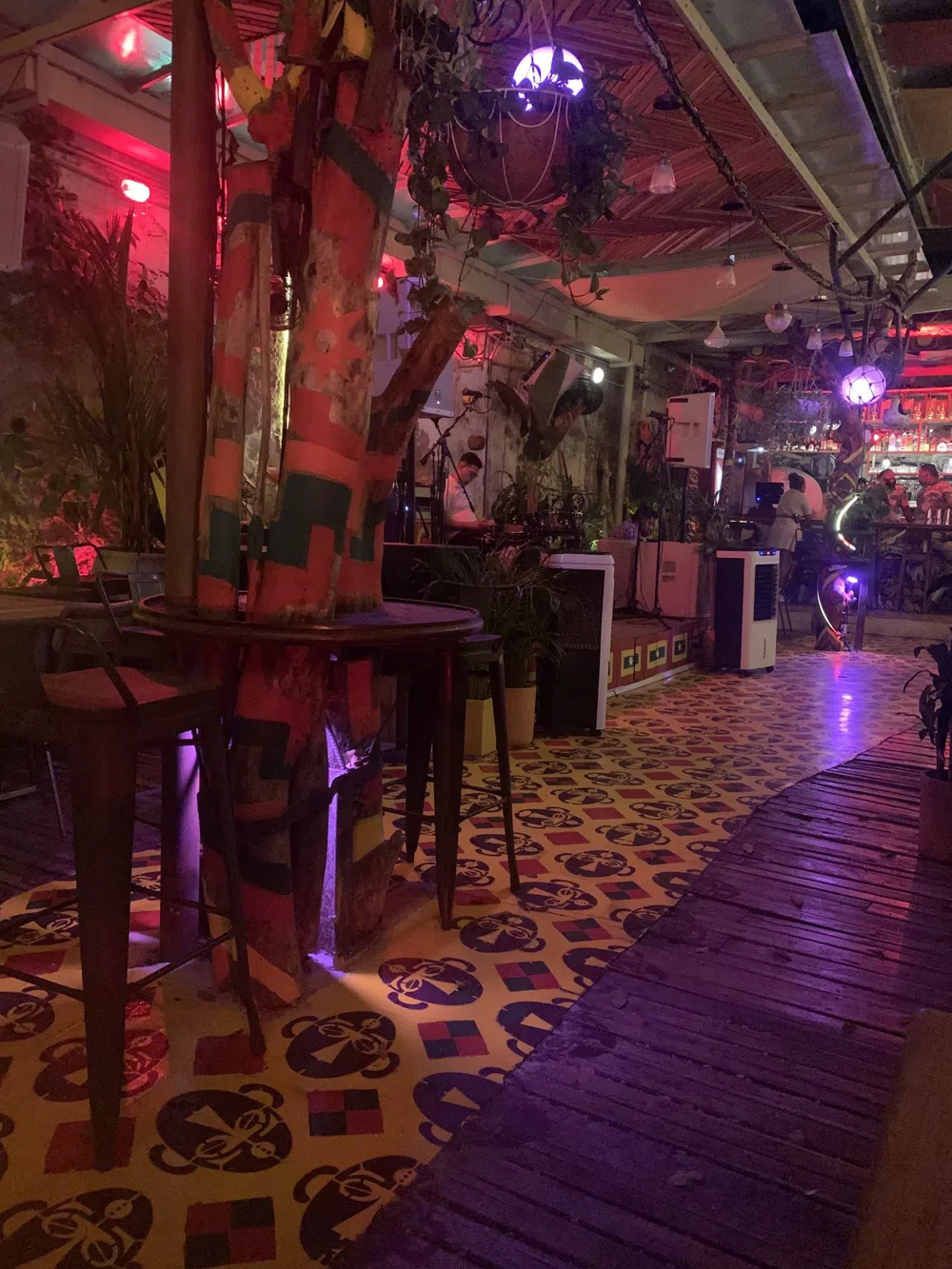
Cartagena After Dark: Where the Bazurto Spirit Still Dances
Marcela Movilla
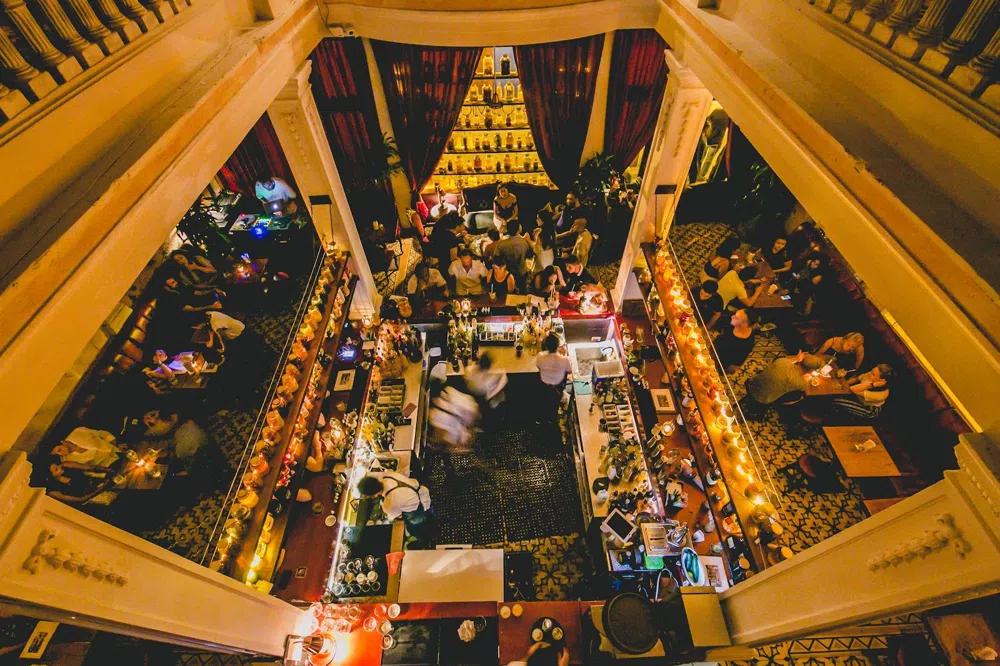
Cartagena Changes the Day the November Breeze Lands
Sanne Vermeer
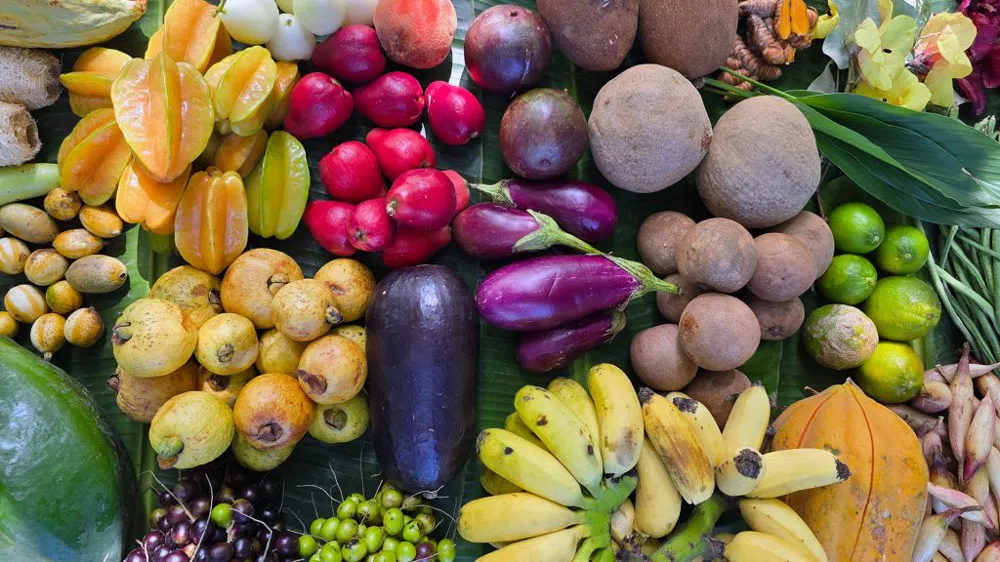
Cartagena's Creole Stews and the Rice of the Slave Ships
Marcela Movilla
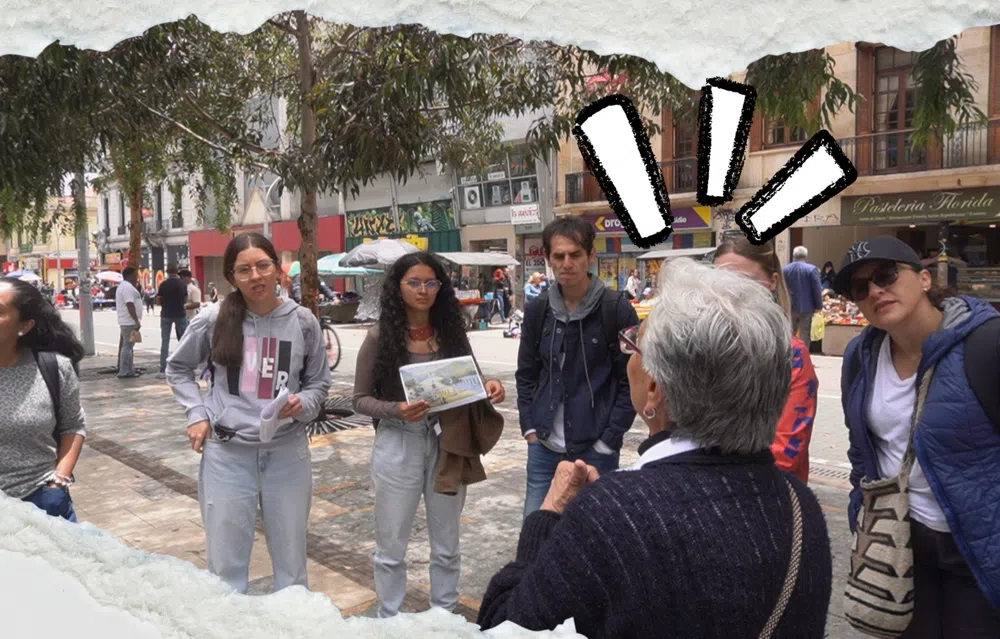
How Cartagena's Market Women Cook Bazurto
Marcela Movilla
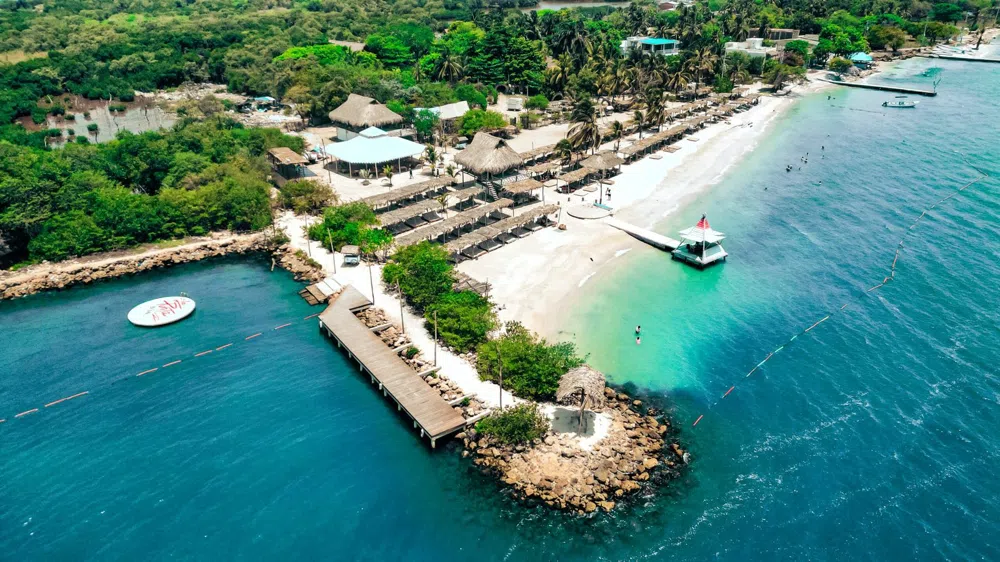
Cartagena Without the Bracelet Sellers
Sanne Vermeer

Neck-Deep in Warm Mud at Cartagena's El Totumo Volcano
Sanne Vermeer

Cartagena's Palenqueras: The Fruit-Sellers and the Afro-Colombian Story Behind the Postcard
Sanne Vermeer
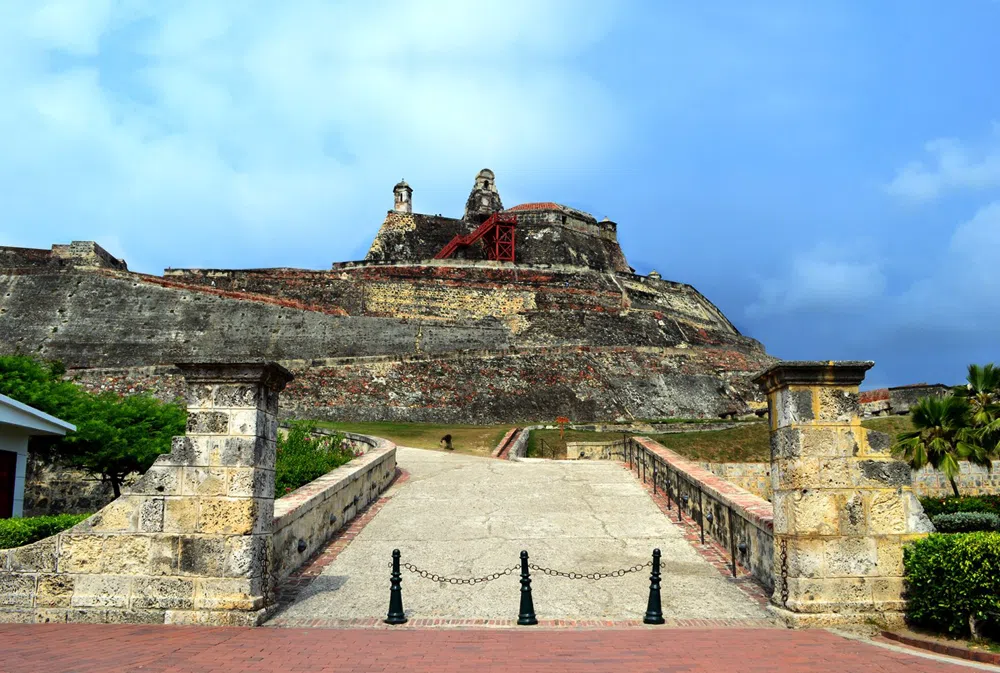
Pie de la Popa, Cartagena's barrio under the fortress
Sanne Vermeer

The Informer's Window at Cartagena's Palace of the Inquisition
Sanne Vermeer
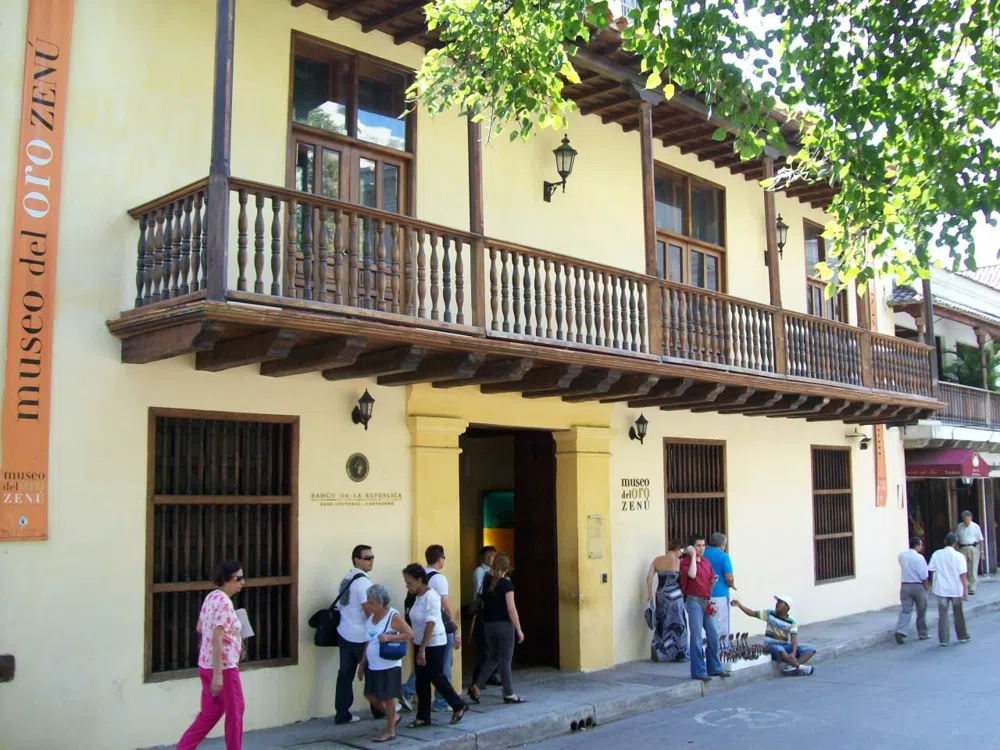
Cartagena's Emerald Quarter: A Colonial Inheritance
Sanne Vermeer
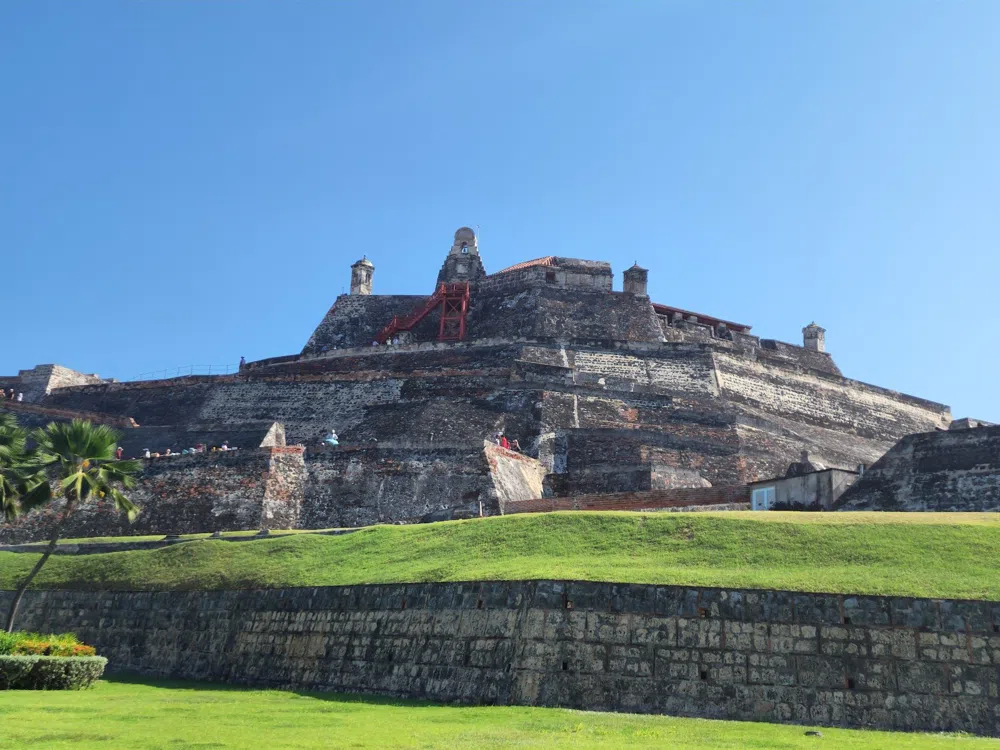
Chasing the Sentry's Ghost Through Cartagena's Fortress
Sanne Vermeer

What Cartagena's Boat Crowds Miss on the Barú Road
Sanne Vermeer
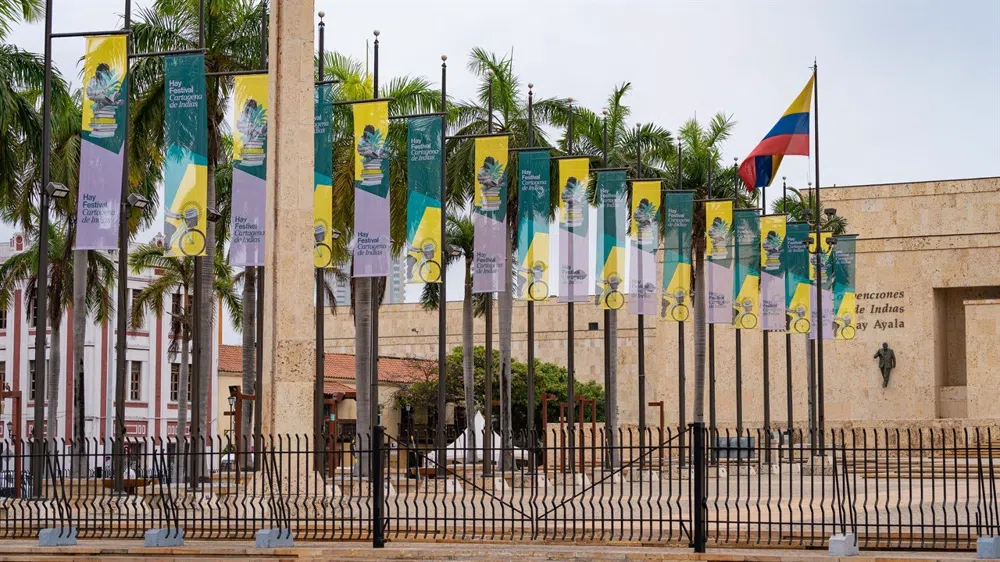
Hay Festival Cartagena 2027: Dates, Big Names and the García Márquez Centenary
Sanne Vermeer
Tours and tickets
Santo Domingo church in Cartagena opens around mass
Sanne Vermeer
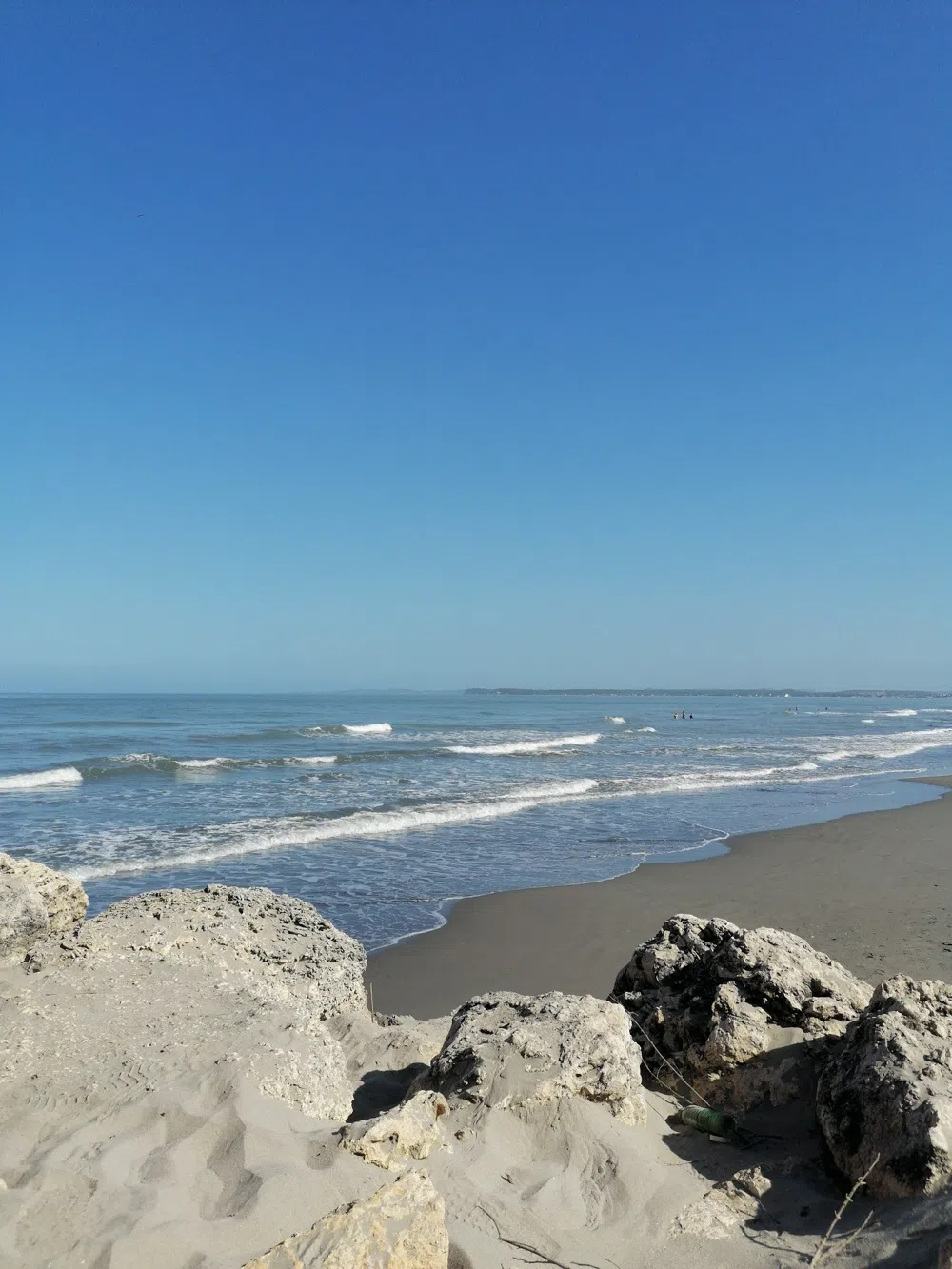
Beaches, mangroves and golf in Cartagena's Zona Norte
Sanne Vermeer
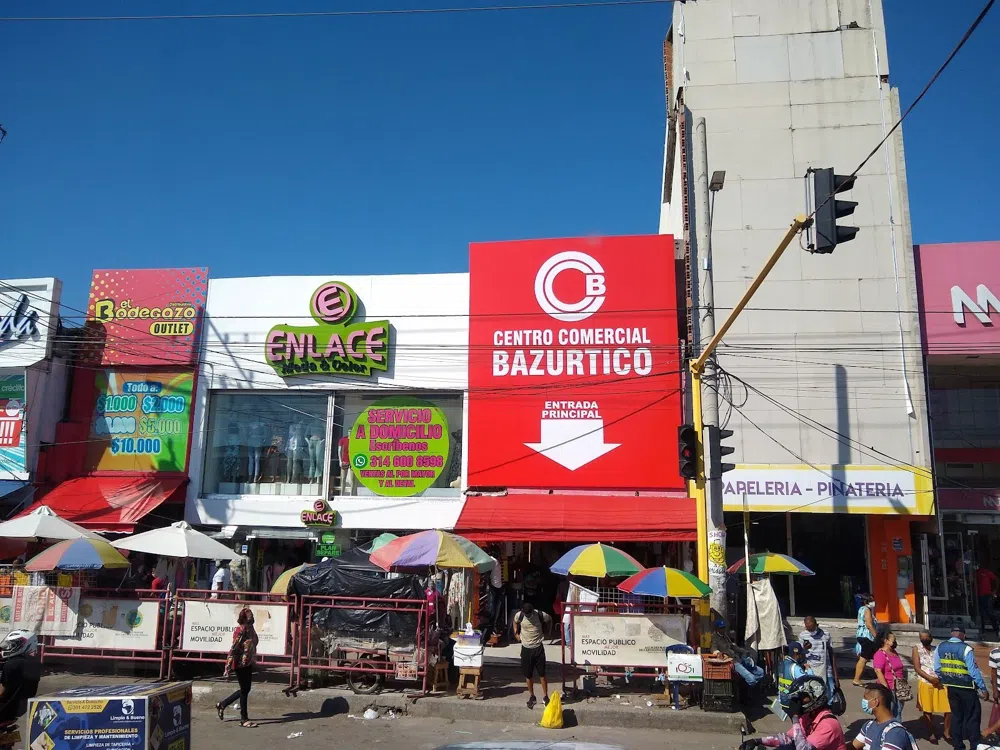
Bazurto market and the barrio San Francisco in Cartagena
Sanne Vermeer
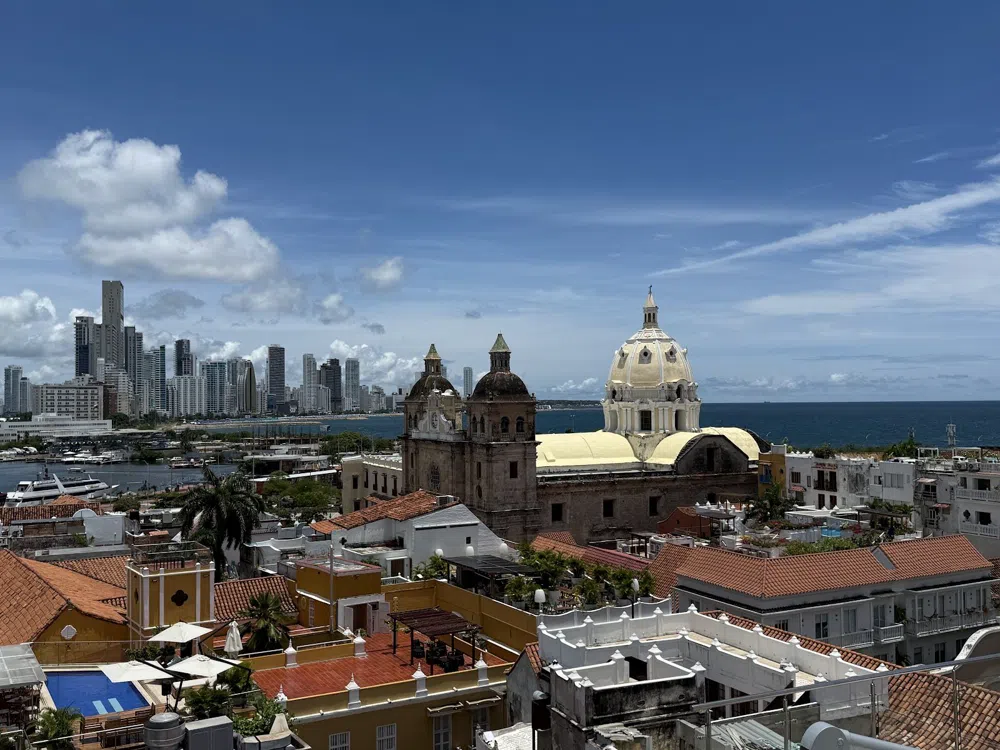
In Gabo's Cartagena: Streets That Became His Novels
Sanne Vermeer
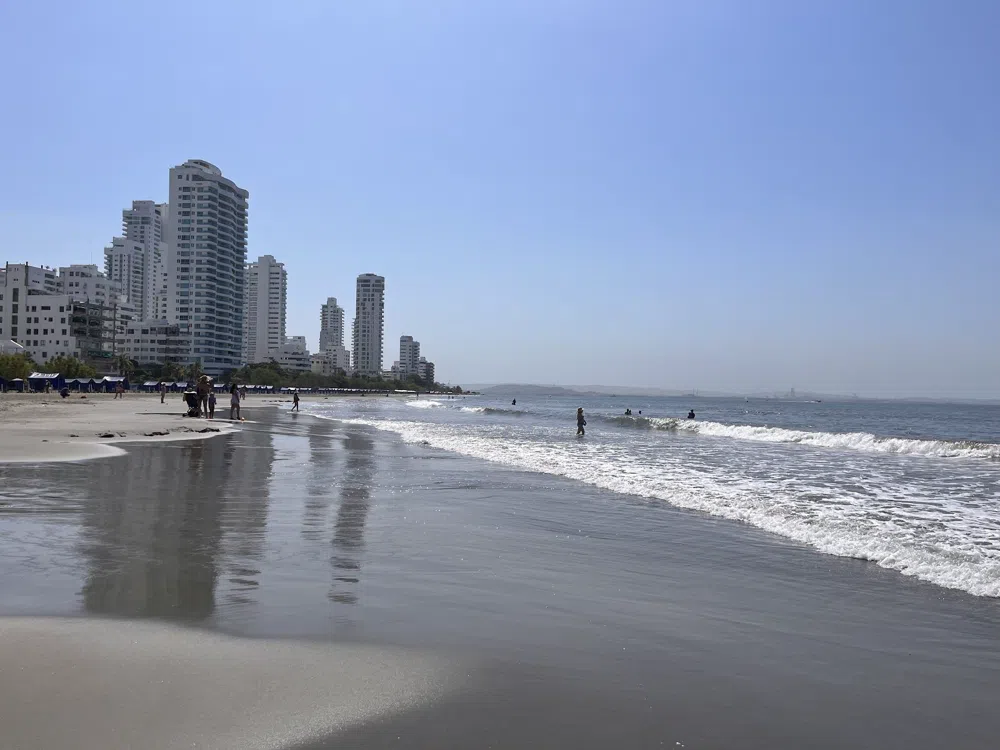
El Laguito, the flat-water end of Cartagena's peninsula
Sanne Vermeer
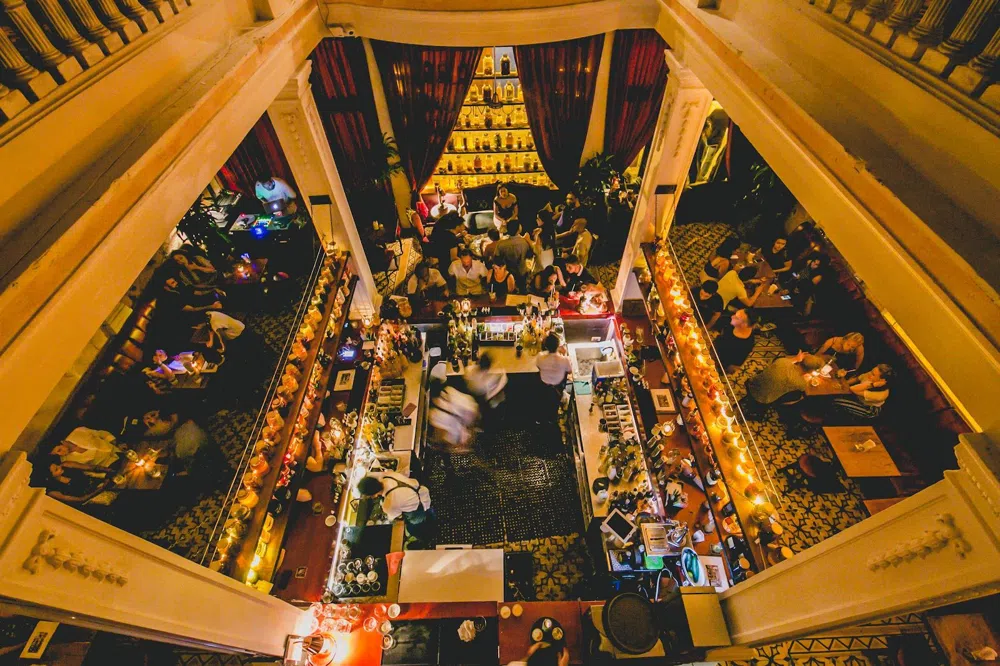
The Cartagena Evening the Cruise Crowds Never See
Sanne Vermeer
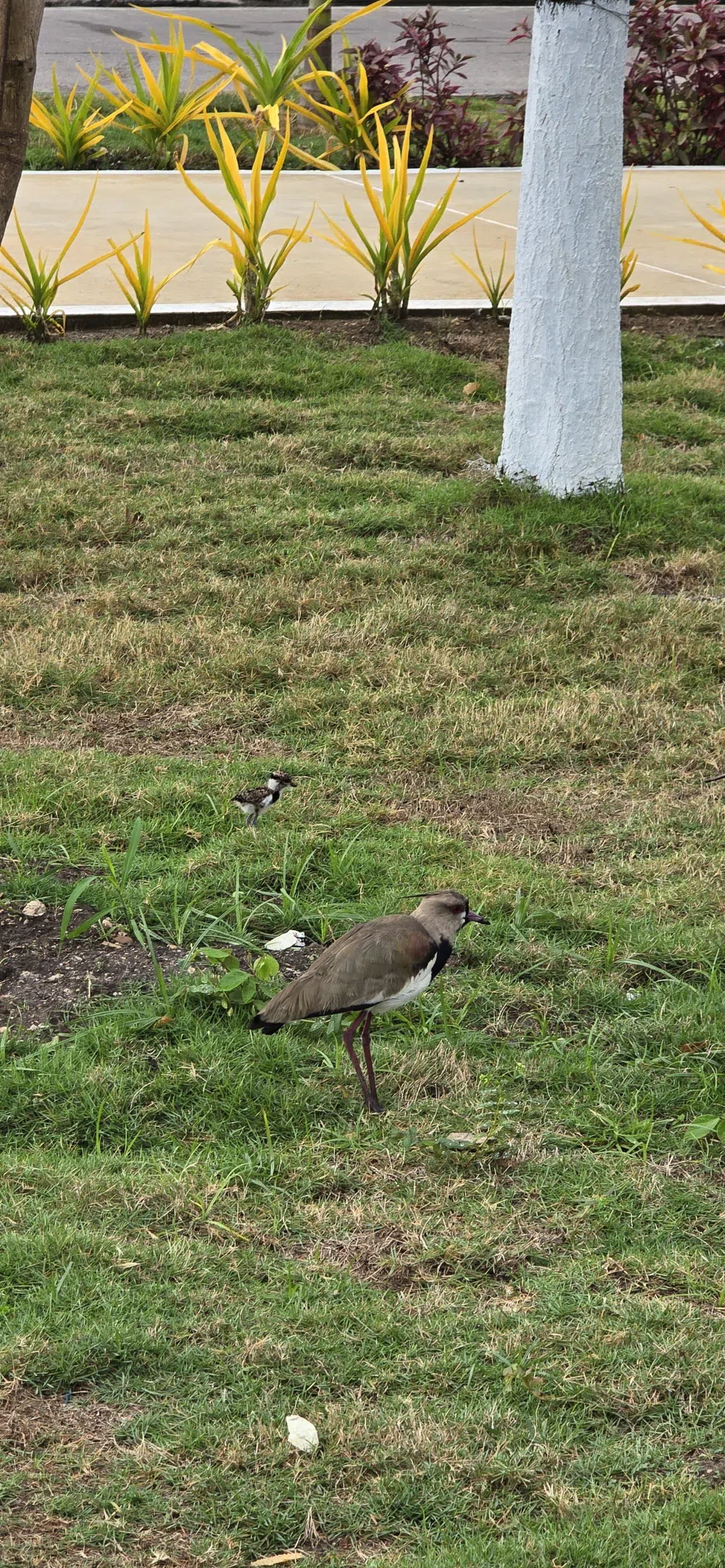
Where to eat, swim and walk in Castillogrande, Cartagena
Sanne Vermeer
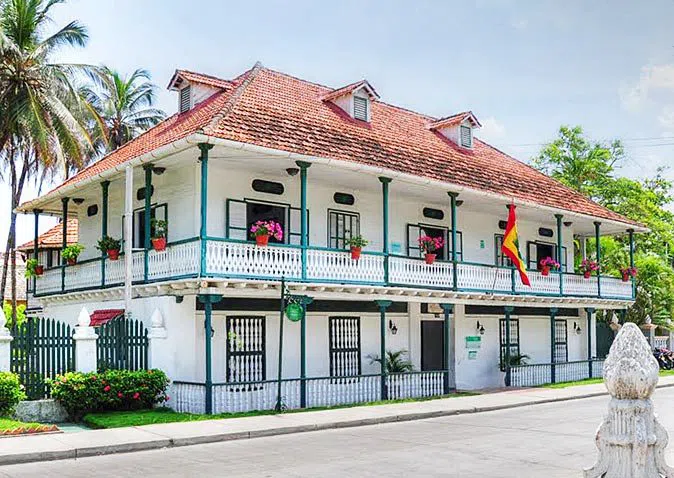
El Cabrero, the Cartagena barrio just outside the walls
Sanne Vermeer
An insider’s read on Cartagena
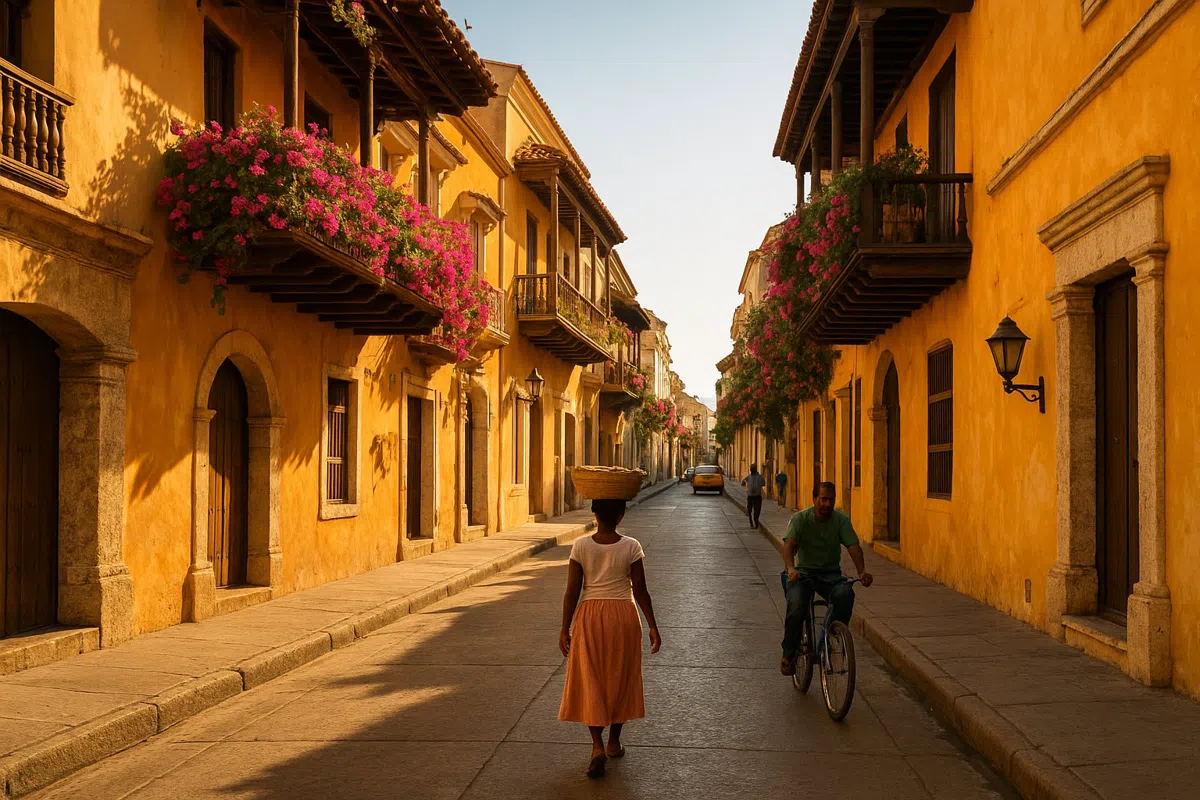
Founded in 1533, the city served as the principal port for the Spanish Empire's plunder of South America, making it a prime target for English and French pirates. The massive stone walls and the imposing fortress of San Felipe de Barajas were built over centuries to defend this wealth. This history of conflict, coupled with the legacy of the transatlantic slave trade, shaped a distinct Afro-Caribbean identity.
The local character is defined by resilience, a proud musical heritage, and a slow, coastal tempo that resists modern urgency.
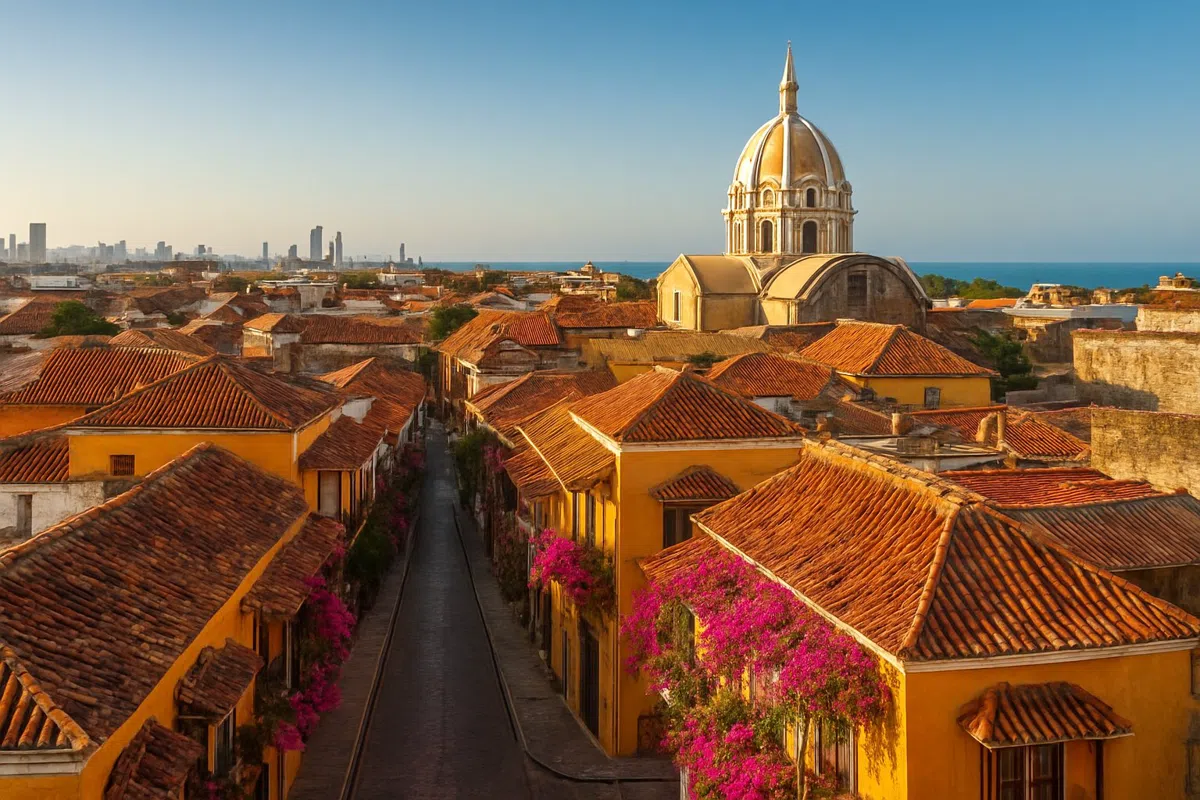
Modern high-rises line the peninsula of Bocagrande, casting long shadows over grey-sand beaches
From our Cartagena guide
Twelve neighbourhoods, twelve ways to stay
Pick the neighbourhood first and the trip follows. Each one opens its own guide, with the hotels inside it.
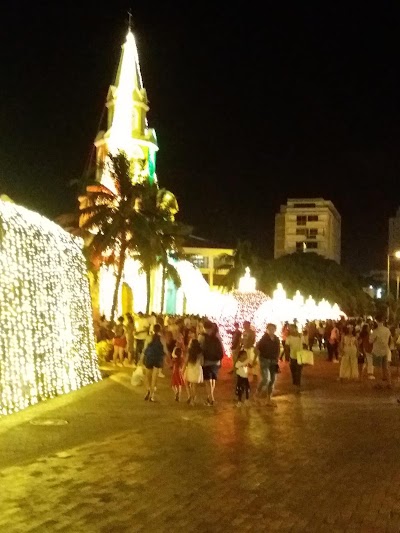
El Centro
Those who want to be steps from the city's finest dining and architectural landmarks. The trade-off is intense crowds and relentless street vendors.
The historic, wealthy core of the walled city, filled with restored 16th-century mansions, upscale boutiques, and high-end restaurants.
Where to stay High-end boutique hotels housed in converted colonial convents and mansions.
Stay in El Centro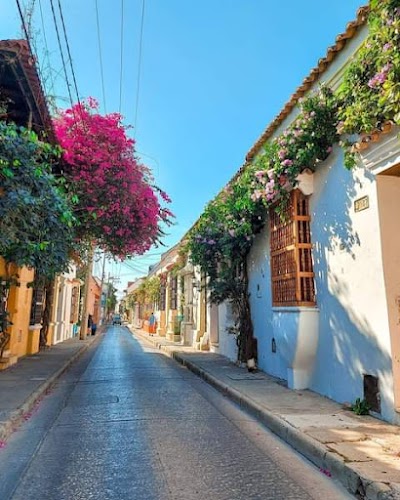
San Diego
Travelers seeking historic charm without the intense foot traffic of El Centro. The trade-off is fewer nightlife options and premium accommodation prices.
The quieter, more artistic northern half of the walled city, home to the Beaux-Arts school and leafy plazas.
Where to stay Chic boutique hotels and upscale guesthouses.
Stay in San Diego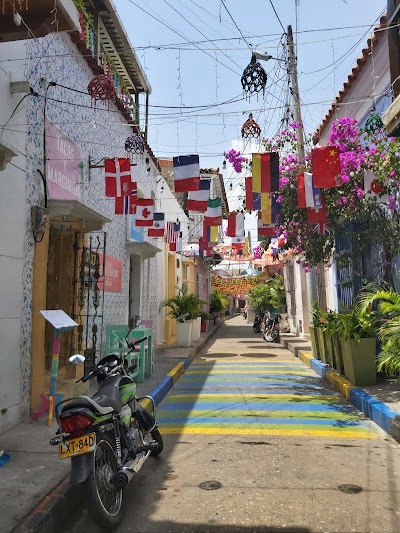
Getsemaní
Creatives and nightlife lovers who want a more local, bohemian atmosphere. The trade-off is that it is noisy late into the night.
A historically working-class neighborhood that has evolved into a colorful hub of street art, local eateries, and nightlife.
Where to stay Trendy hostels, design-focused mid-range hotels, and guesthouses.
Stay in Getsemaní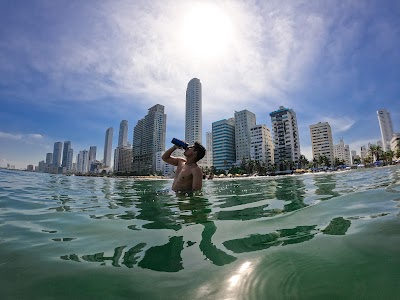
Bocagrande
Travelers who prefer modern amenities, swimming pools, and familiar hotel brands. The trade-off is a lack of historic character and aggressive beach vendors.
A peninsula dominated by white high-rise apartments, international hotel chains, and busy beaches.
Where to stay Large international chain hotels with bay or ocean views.
Stay in Bocagrande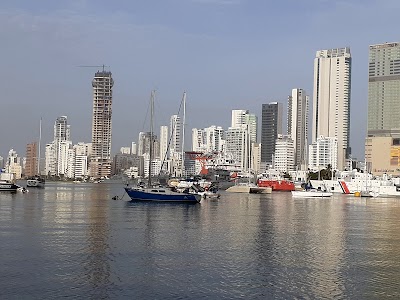
Manga
Slow travelers and families looking for a peaceful, local neighborhood. The trade-off is a lack of tourist sights, requiring a short taxi ride to reach the walled city.
A quiet, residential island neighborhood characterized by grand early-20th-century republican mansions and a yacht marina.
Where to stay Low-key guesthouses and long-term apartment rentals.
Stay in Manga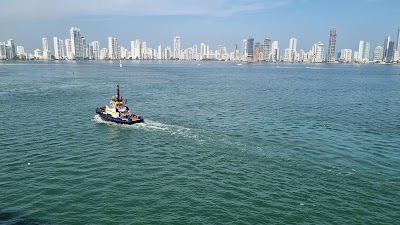
La Boquilla
Adventure seekers and cultural travelers looking to escape the tourist bubble. The trade-off is basic infrastructure and a location far from the center.
A traditional Afro-Colombian fishing village located northeast of the city center, bordered by extensive mangrove swamps.
Where to stay Basic eco-lodges or beachfront apartments.
Stay in La Boquilla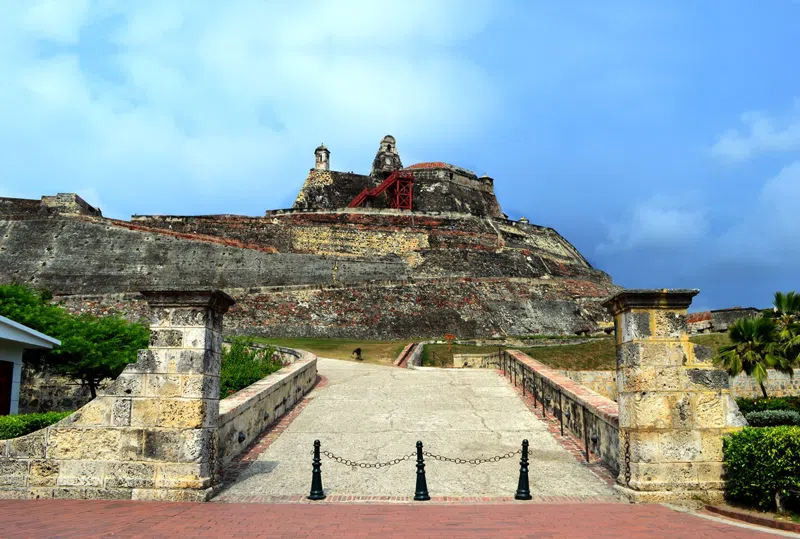
Pie de la Popa
The hillside district is the natural base for Cartagena's two major fortification-and-viewpoint experiences: San Felipe and La Popa. Start early or go after 3 p.m. to avoid the strongest heat; the dry season offers the clearest panoramic views.
Stay in Pie de la Popa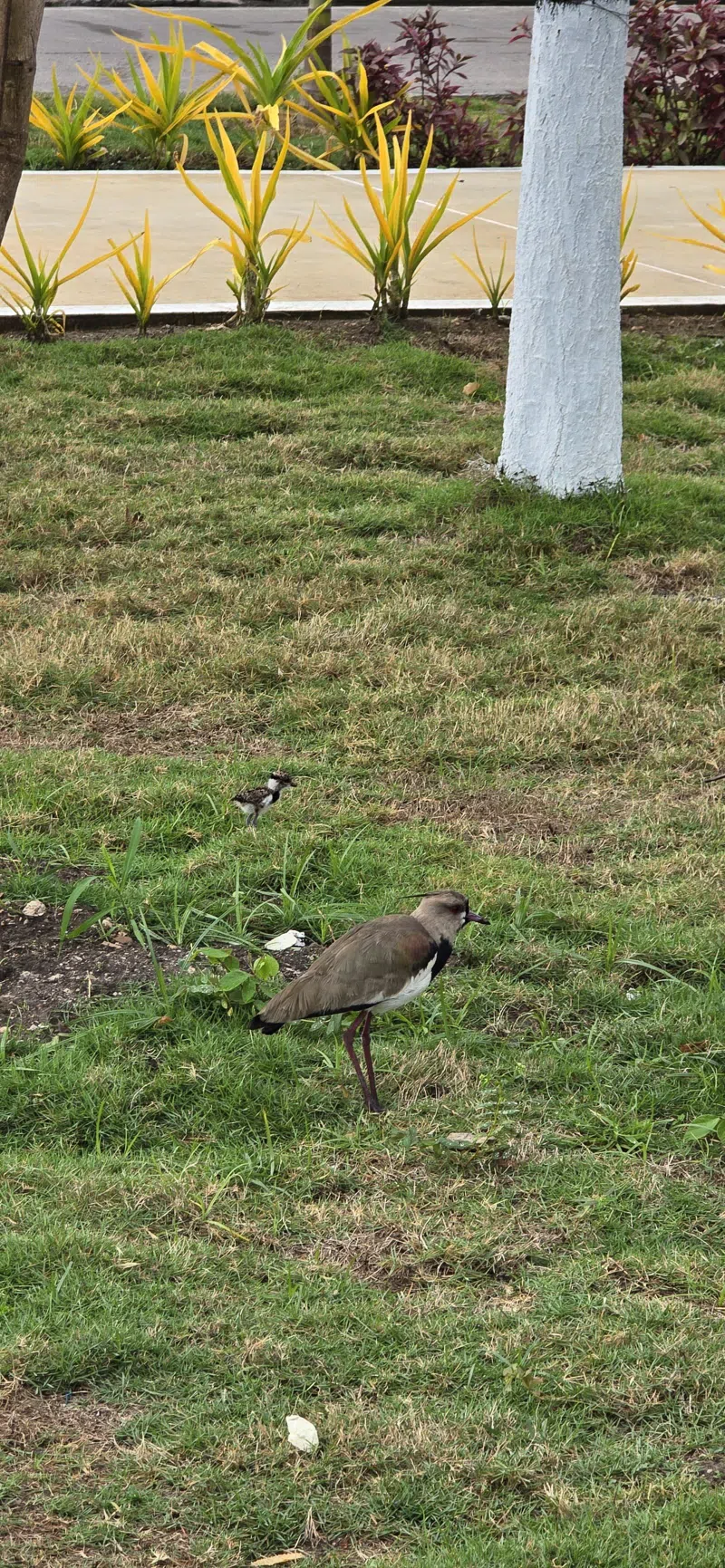
Castillogrande
A polished waterfront peninsula for a quieter beach day, bayfront walk and sunset drinks away from Bocagrande's busiest strip. Best for dry-season beach walks and sunsets, roughly December to April; evenings are breezier year-round.
Stay in Castillogrande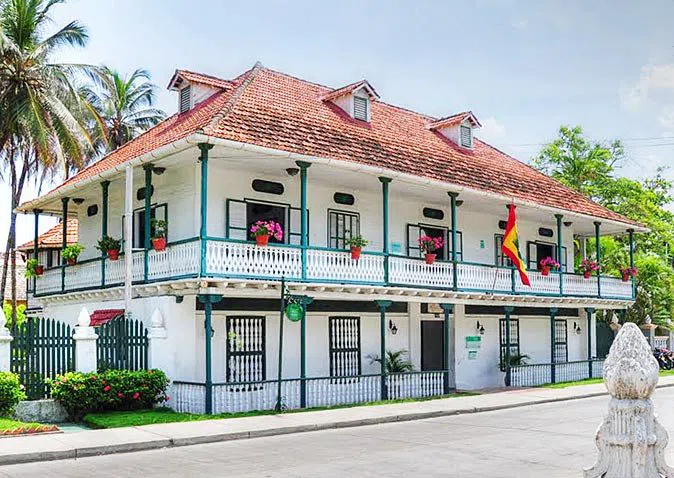
El Cabrero
The seafront strip immediately north of the old city combines a broad beach, oceanfront walking and one of Cartagena's most atmospheric historic houses. Go late afternoon for cooler walking and sunset; the dry season generally brings the clearest skies.
Stay in El Cabrero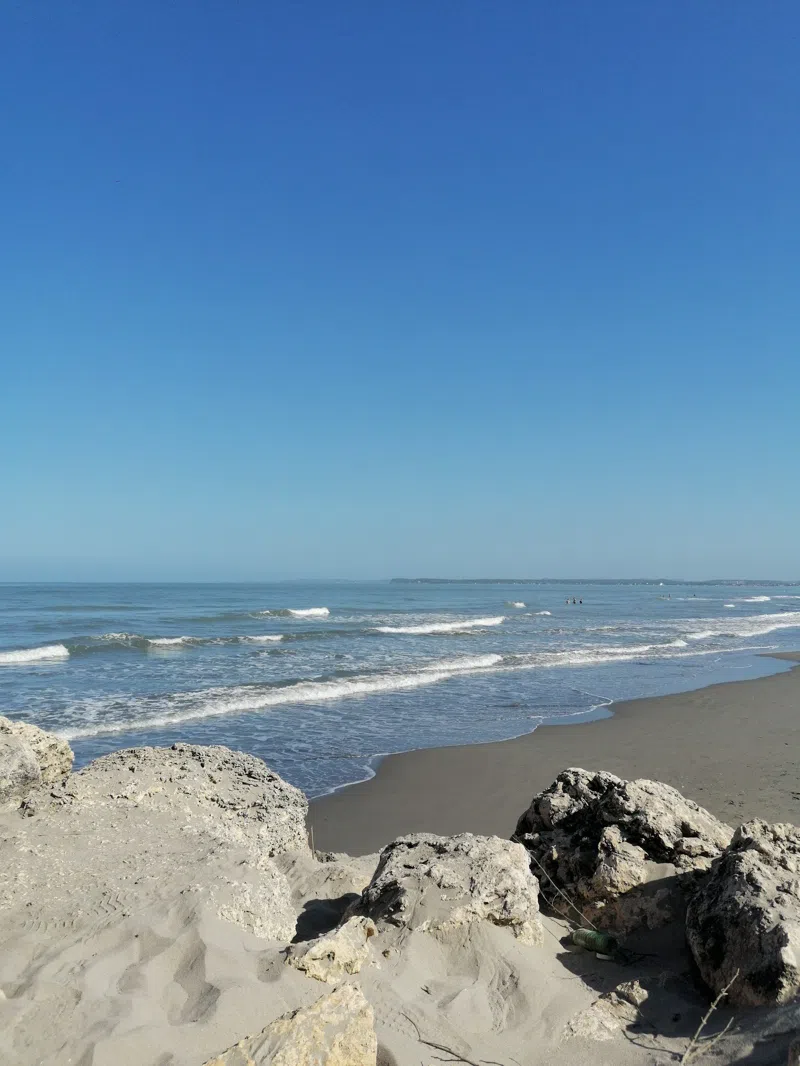
Zona Norte
The newer northern resort corridor offers broad beaches, hotel restaurants, mangrove excursions and a more spacious alternative to the central city. December to April is the driest and most reliable period for beach and mangrove outings; book excursions ahead in high season.
Stay in Zona Norte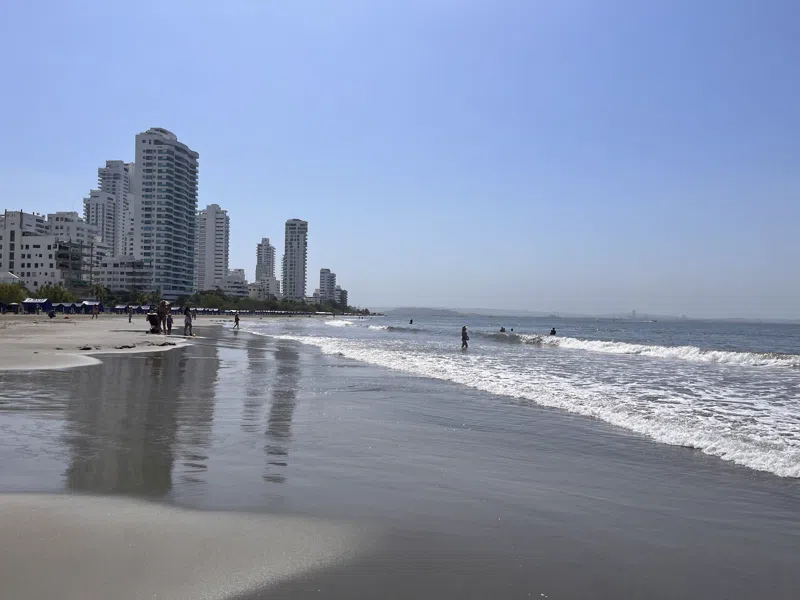
El Laguito
A compact resort-like waterfront district centred on a lagoon, with beach time, watersports and relaxed sunset dining. Most pleasant from December to April; weekend afternoons are liveliest, while sunsets are attractive throughout the year.
Stay in El Laguito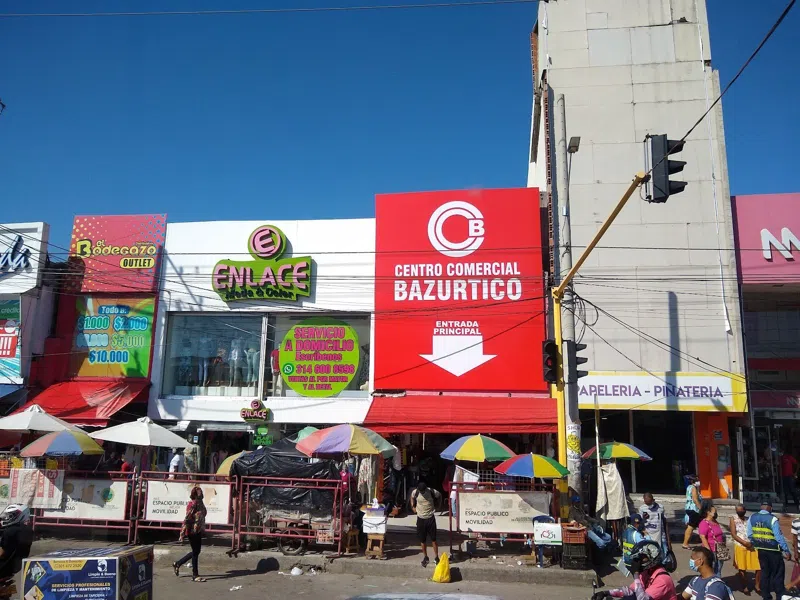
San Francisco
A working-class neighbourhood known to visitors mainly for Mercado de Bazurto, where guided visits reveal Cartagena's everyday food culture and Caribbean commerce. Visit in the morning, when the market is most active; use a reputable guide and avoid wandering alone, particularly after dark.
Stay in San FranciscoBook before you land
Top-rated tours and tickets in Cartagena, with live prices from Viator.

The Howling Trail Hike
from $169

Cartagena Jet Ski Adventure with Optional Drone Video
from $58

Romantic Date Night in the Bay of Cartagena
from $908

Champeta with us, it's a vibe
from $38

Authentic Cartagena City Tour
from $530

Private Airport Transfer to Hotel or viceversa
from $30

Birdwatching in a private nature reserve
from $358

Private Boat Rental: Create Your Route in Rosario 12 people
from $667
Prices from Viator; we may earn a commission when you book — at no extra cost to you. Tours are sold and operated by Viator, the merchant of record. Ratings are collected by Viator and Tripadvisor.
Book direct
Book a hotel in Cartagena
Loading live availability and real-time prices…
The Cartagena guide
Where to eat, drink and look, how to get around, and what locals expect of you. Open any chapter.
Where to eat
Dining
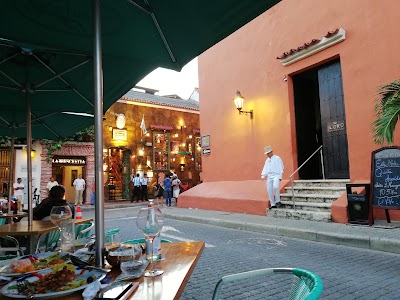
La Cevicheria
Famous for its creative, non-traditional ceviches served in a tiny, blue-and-white dining room made popular by Anthony Bourdain.
Signature: Ceviche Costeño with sour cream and crackers.
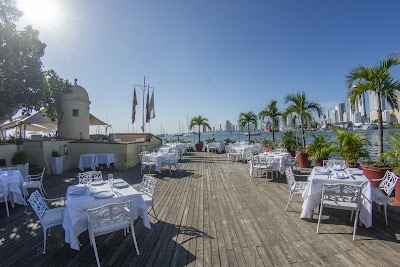
Club de Pesca
Offers open-air dining directly over the marina, set on the ramparts of a 17th-century fort.
Signature: Grilled sea bass with local herbs and coconut rice.
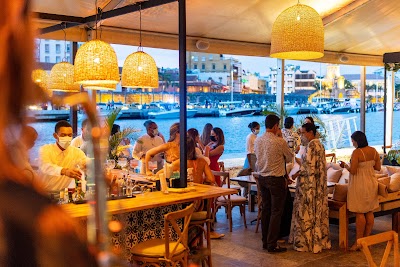
Marea by Rausch
Upscale dining overlooking the convention center bay, run by renowned Colombian chefs.
Signature: Traditional seafood casserole (Cazuela de mariscos).

Restaurante Donjuán
Combines fresh Caribbean ingredients with classic European bistro techniques in a stylish, air-conditioned space.
Signature: Grilled octopus with local potatoes and citrus aioli.
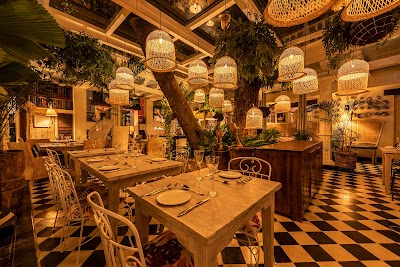
Candé
Offers a highly theatrical dining experience with live traditional dance performances and authentic Cartagenero recipes.
Signature: Posta Negra Cartagenera (slow-cooked beef in a sweet panela sauce).
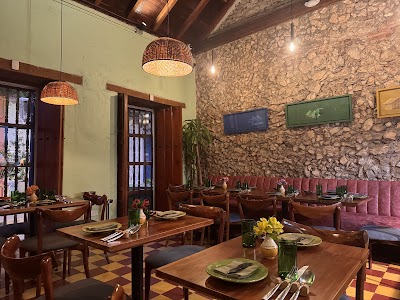
Celele
An award-winning restaurant dedicated to researching and preserving the culinary biodiversity of the Colombian Caribbean.
Signature: Slow-cooked goat with coconut rice and local beans.
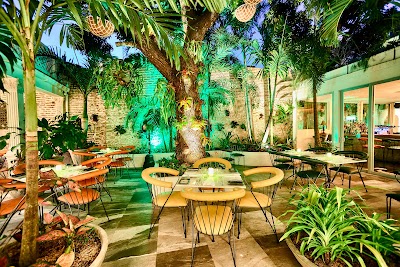
Carmen
An elegant, contemporary restaurant set in a colonial courtyard, offering inventive tasting menus.
Signature: Seven-course tasting menu highlighting exotic local fruits and fresh fish.
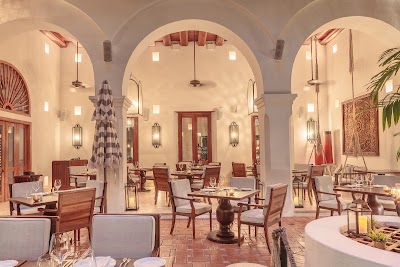
Alma
Located inside the Casa San Agustín hotel, offering refined coastal classics in a romantic, candlelit courtyard.
Signature: Lobster empanadas and seafood cazuela.

Restaurante 1621
Housed in a historic 17th-century convent, pairing French culinary techniques with local ingredients.
Signature: Multi-course wine-paired tasting menu.
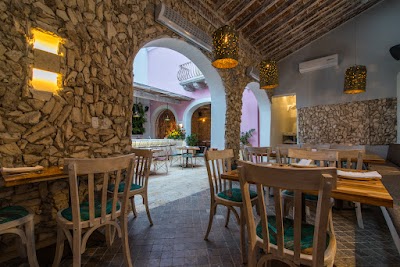
Mistura
A stylish venue blending Peruvian-Japanese fusion with fresh Colombian coastal ingredients.
Signature: Tiradito with passion fruit tiger's milk.
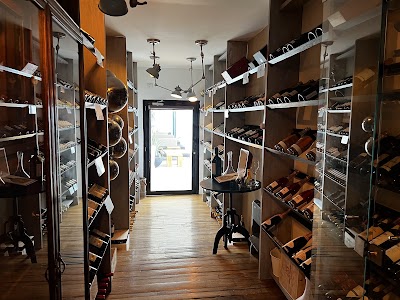
Erre de Ramón Freixa
High-end Spanish-influenced dining on the top floor of Las Américas Golden Tower, offering panoramic views.
Signature: Degustation menu featuring modern tapas.
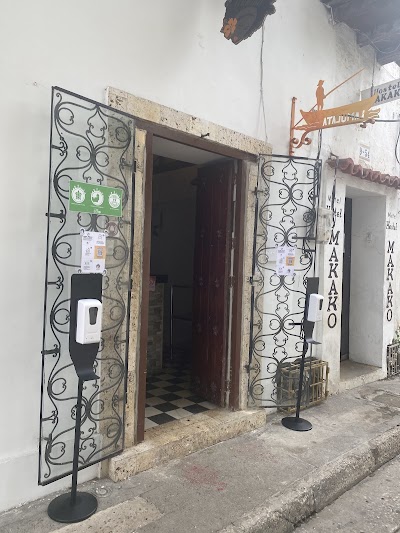
La Mulata
A popular, art-filled lunch spot serving affordable, high-quality local set meals.
Signature: Fried red snapper with coconut rice and avocado.
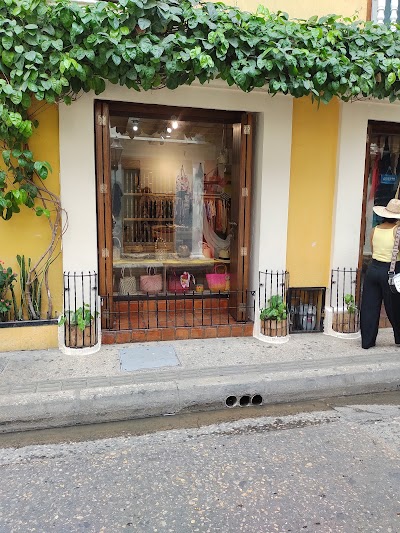
Espíritu Santo
A no-frills, cafeteria-style joint packed with locals eating traditional, hearty lunches.
Signature: Posta negra or fried fish of the day.
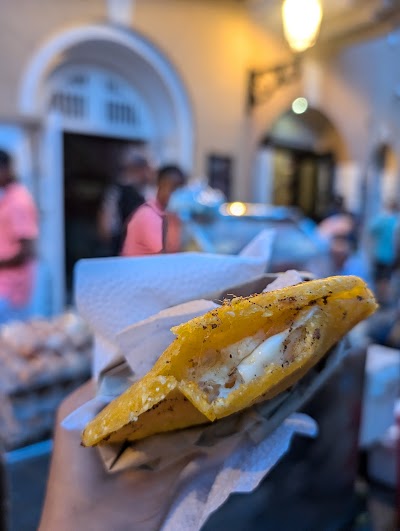
Arepas de Huevo de la Plaza de la Trinidad
A legendary street stall serving the ultimate late-night coastal snack.
Signature: Arepa de huevo (deep-fried corn cake with egg and ground beef).
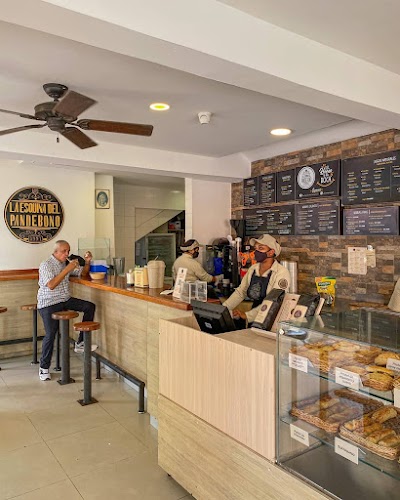
La Esquina del Pandebono
A busy corner bakery famous for serving warm, cheesy bread straight from the oven.
Signature: Pandebono with a cup of local hot chocolate.
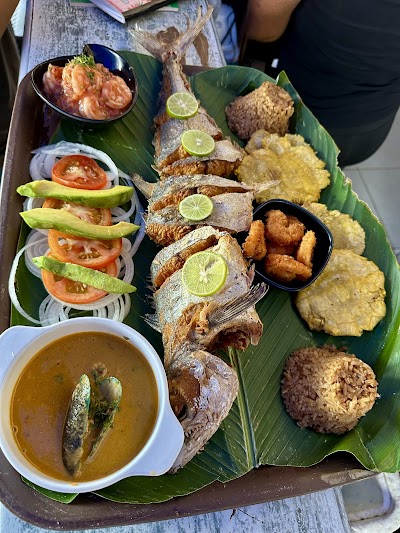
Quero Criollo
An unpretentious spot serving authentic, home-cooked Cartagenero dishes in a relaxed setting.
Signature: Sancocho de pescado (traditional fish soup).
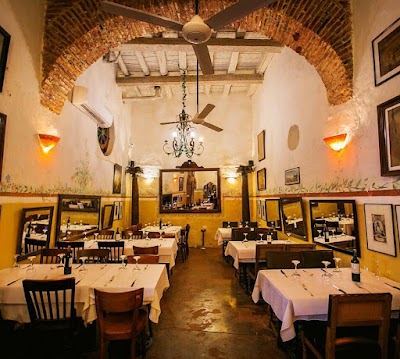
Donde Olano
A cozy, rustic tavern serving excellent local bites and seafood dishes.
Signature: Coconut pie.
After dark
Nightlife
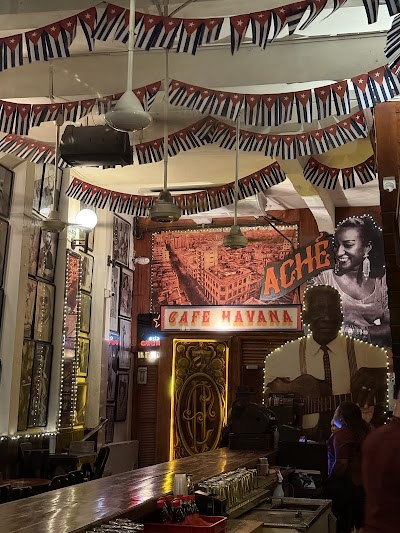
Café Havana
A legendary live salsa club with a Cuban vibe, attracting world-class musicians and a passionate dancing crowd.
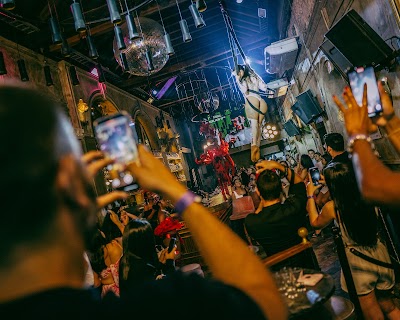
La Movida
An upscale, trendy club with two distinct rooms playing electronic music and crossover Latin hits.
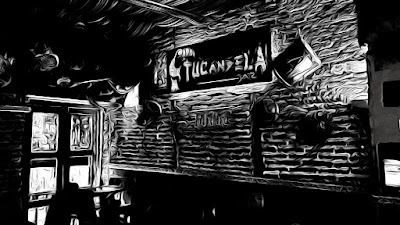
Tu Candela
A classic bar and club located right by the Clock Tower, playing classic salsa, merengue, and reggaeton.
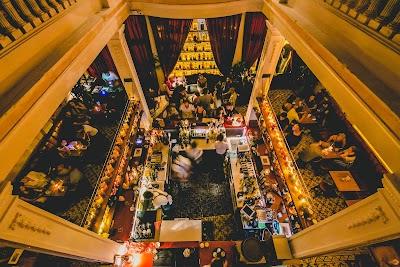
Alquímico
A world-renowned multi-level cocktail temple that uses local Colombian botanicals and experimental techniques.
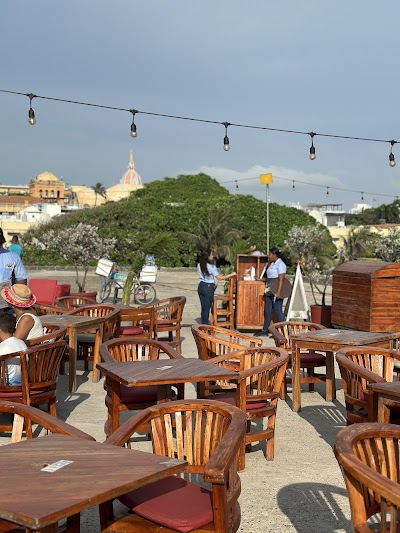
Café del Mar
An iconic bar perched directly on the historic stone walls, offering prime sunset views over the Caribbean Sea.
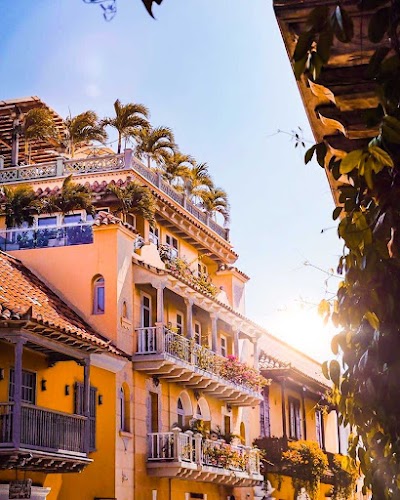
Townhouse Rooftop
A hip rooftop bar featuring mini plunge pools, creative cocktails, and views of the historic church domes.
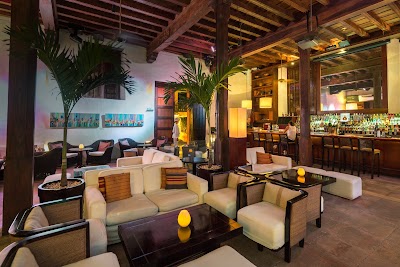
El Coro Lounge Bar
An intimate, sophisticated cocktail lounge inside the Sofitel Legend Santa Clara.
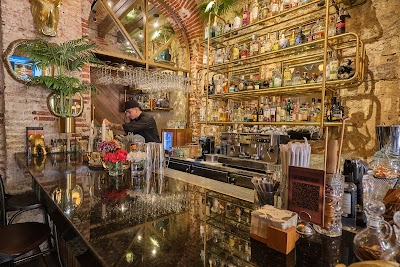
El Mirador
A rooftop bar overlooking the bustling Clock Tower plaza, perfect for people-watching.

The Clock Pub
An English-style pub offering a solid selection of craft beers and sports screens.
Art & history
Culture
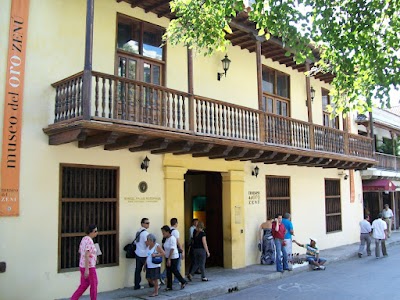
Museo del Oro Zenú
A beautifully curated museum showcasing pre-Columbian gold and pottery of the Zenú people.
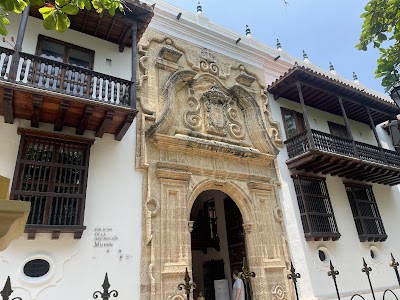
Palacio de la Inquisición
A grand baroque palace detailing the grim history of the Spanish Inquisition's torture methods.

Museo de Arte Moderno
Housed in a 17th-century former customs house, showcasing Colombian and Latin American modern art.
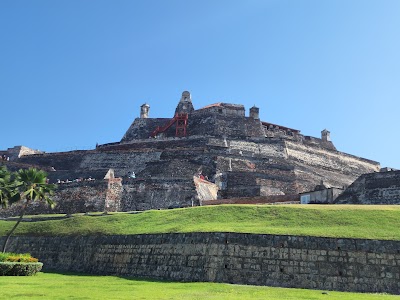
Castillo de San Felipe de Barajas
A massive 17th-century fortress built by the Spanish, featuring a complex network of tunnels.
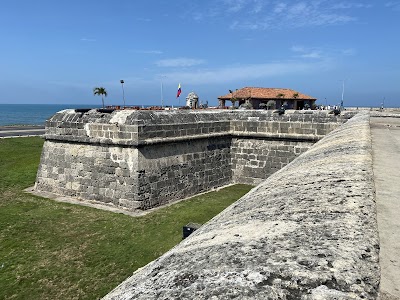
Las Murallas
Centuries-old stone fortifications built to protect the city from pirate attacks.
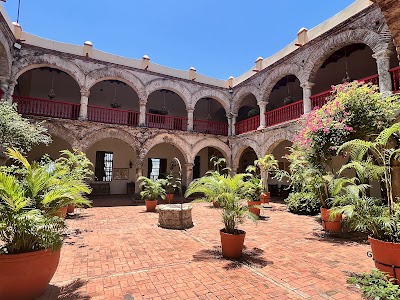
Convento de la Popa
A 17th-century convent with a flower-filled courtyard and panoramic city views.
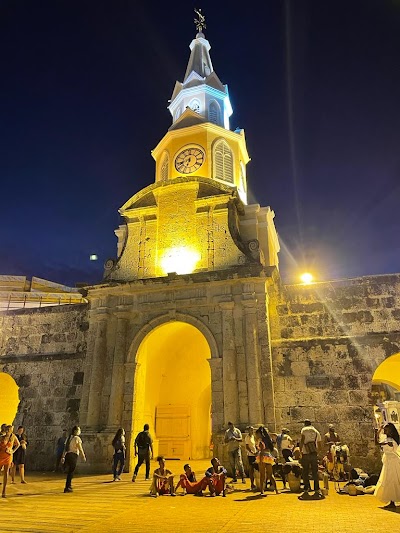
Torre del Reloj
The grand main gateway to the walled city, originally built in the 17th century.
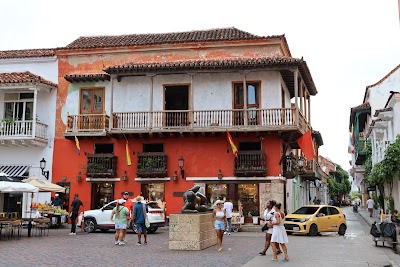
Plaza de Santo Domingo
A bustling square home to Fernando Botero's famous reclining bronze sculpture, Gertrudis.
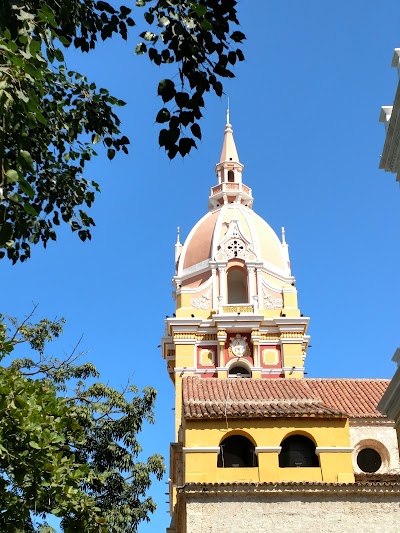
Catedral de Santa Catalina de Alejandría
An iconic pink-and-yellow cathedral dating back to 1577, featuring a soaring dome.
Timing
When to visit
Dry Season (December to April)
Strong trade winds keep the evenings slightly cooler. This is peak tourist season, bringing the highest prices and largest crowds, especially around New Year and Easter.
Shoulder Season (May to August)
Temperatures rise and afternoon showers become common. Crowds thin out, making it easier to secure restaurant reservations, though the humidity can be intense.
Rainy Season (September to November)
The wettest months of the year, often featuring heavy downpours that can cause temporary street flooding. Prices are at their lowest, and the city is exceptionally quiet.
What it costs
Budgeting
Logistics
Getting around
From the airport
Rafael Núñez International Airport (CTG) is located just north of the city. Taxis are the most reliable option; use the official taxi stand outside the terminal to get a pre-printed rate ticket based on your destination before boarding.
Public transit
The Transcaribe bus rapid transit system operates dedicated lanes but is rarely useful for visitors staying within the historic areas. Local 'colectivo' buses are chaotic and difficult to navigate without fluent Spanish.
Passes & tickets
There are no unified transit or tourist passes worth purchasing; cash is the primary method of payment for transport.
On foot
The historic walled city (El Centro and San Diego) and Getsemaní are highly walkable, with flat streets and short distances. Outside these zones, the heat and lack of pedestrian infrastructure make walking impractical.
Local etiquette
Safety & etiquette
- Street vendors, including the famous fruit-bearing Palenqueras, expect payment if you take their photo; agree on a small tip beforehand.
- Haggling is expected with street vendors and taxi drivers, but keep it polite.
- Tips (servicio) of 10% are usually added voluntarily to restaurant bills; check the receipt to see if it is already included.
Travel smart
Practical tips
- Always carry cash (Colombian Pesos) in small denominations; street vendors and taxis rarely accept cards.
- Download Cabify or InDrive to book rides with pre-determined prices, avoiding taxi fare negotiations.
- Visit Castillo de San Felipe at 8:00 AM sharp when it opens to avoid the brutal midday heat and cruise ship crowds.
- If a street vendor offers you a 'free' sample of fruit or a massage on the beach, decline firmly; it is never free.
- Book popular restaurants like Celele or Alquímico weeks in advance, as they fill up quickly with international travelers.
- Watch out for uneven cobblestones and loose tiles on the sidewalks inside the walled city to avoid tripping.
Before you go
Cartagena FAQs
Is the tap water safe to drink in Cartagena?
No, it is highly recommended to stick to bottled or filtered water to avoid stomach issues.
Do I need to speak Spanish to get by?
While hotel staff and high-end restaurant workers speak English, basic Spanish is incredibly helpful for taxis and street vendors.
How do I get to the Rosario Islands?
You must book a speedboat or yacht charter departing from the main port, Muelle de la Bodeguita, early in the morning.
Is Cartagena expensive compared to the rest of Colombia?
Yes, Cartagena is significantly more expensive than cities like Medellín or Bogotá, especially inside the walled city.
What should I wear to fit in?
Lightweight, breathable fabrics like linen are essential for the tropical heat; upscale venues expect smart-casual attire in the evening.