The Cartagena issue
Cartagena Without the Bracelet Sellers
Book the boat, the fort ticket and the table before you leave your room. The street sell is much easier to wave off when you already have somewhere to be.

By Sanne VermeerWalls, courtyards and the slower Cartagena
Cartagena's walls give up their heat slowly, and by six in the evening half the city is sitting on them, watching the sun drop flat into the Caribbean. It is a beautiful, generous, thoroughly commercial place: step outside and within ten minutes you will be offered a hat, a massage, a bag of green mango with salt, a boat to the islands and a tour of a fortress you can already see from where you are standing. None of that is a scam. It is a city where a great deal is sold on the street at a price invented on the spot, and enjoying it means arriving with your day already priced.
What a confirmed booking actually buys
The pitch in Cartagena is not aggressive so much as continuous. The men working the ramparts and the women with fruit bowls on their heads are running small businesses in a city where the tourist season is short and the heat is long, and most of them will take a polite no, gracias the first time. What wears people down is the arithmetic of an unpriced day: every hour spent deciding, in Spanish, on a hot pavement, what a thing should cost.
A booking closes that question before it opens. When the boat is paid for, the fortress ticket is on your phone and a table has your name on it, the street goes back to being one of the finest colonial cities in the Americas, with a serious kitchen scene and the best live music on the Colombian coast. You are no longer carrying the decision around with you, so nobody can sell you one.
Where you sleep does some of this work too. Inside the walls and in Getsemaní you can walk to almost everything below, which means no taxi negotiation after dark; Bocagrande trades the old-city atmosphere for a lift, a pool and a beach at the end of the road. Both work, and a Cartagena hotel search will show you the price gap between them, which is usually smaller than people expect.
Plan your Cartagena trip
Live prices from our booking partners.
Free cancellation on many rooms. We may earn a commission when you book.
Beaches where nobody works the row
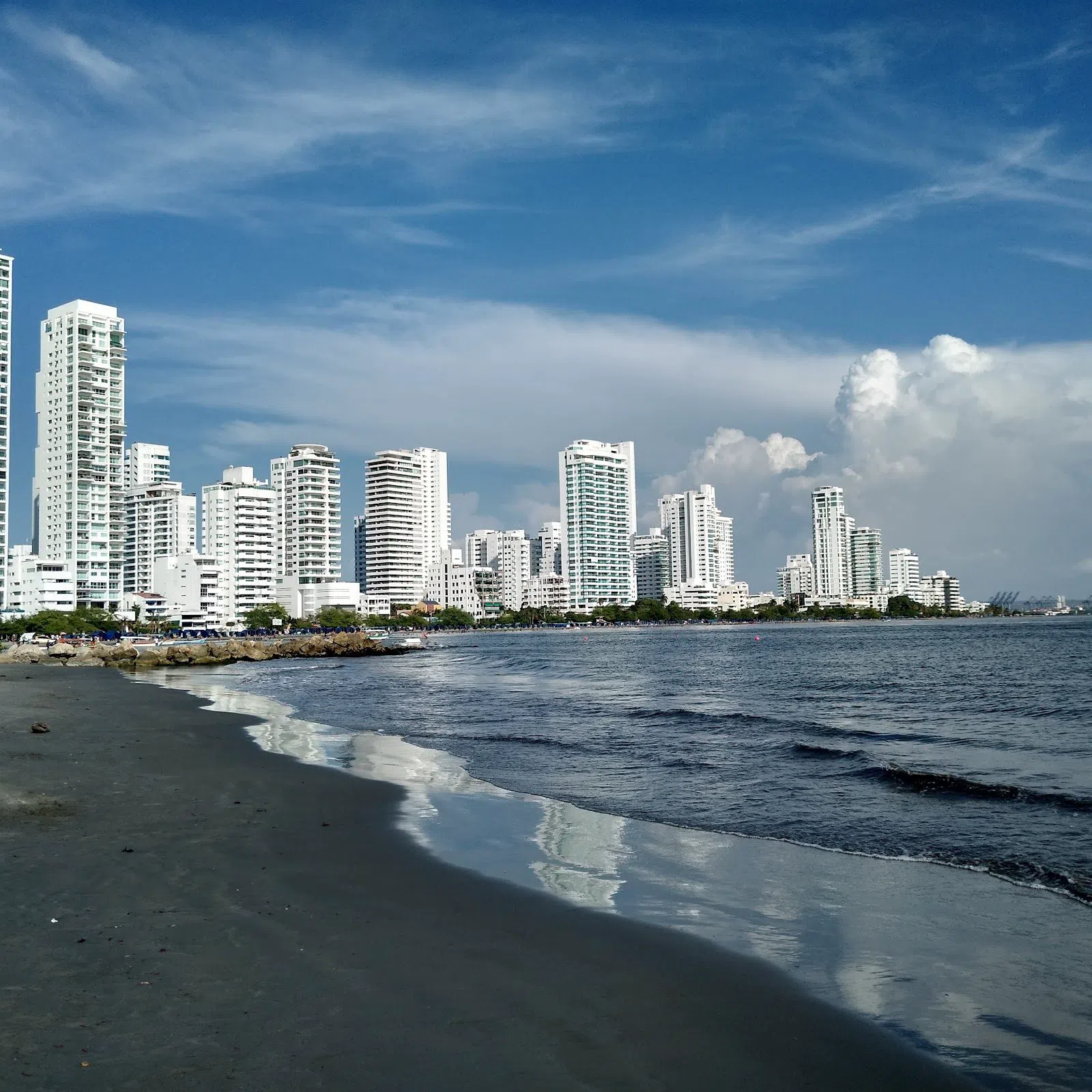
The city beach that has not been turned into a marketplace is Playa de Castillo Grande (Castillogrande, at the tip of the Bocagrande peninsula). The stretch near the Club Naval is where Cartagena families go on a Sunday. The water is calm, the sand is ordinary rather than postcard-white, and the handful of vendors who work it are selling cold drinks and cut fruit rather than circling with bracelet trays. It is free, there is no door and no booking, and chairs and shade tents rent for a few thousand pesos. Agree that number before you sit down, not after; it is the one negotiation of the day and it takes ten seconds.
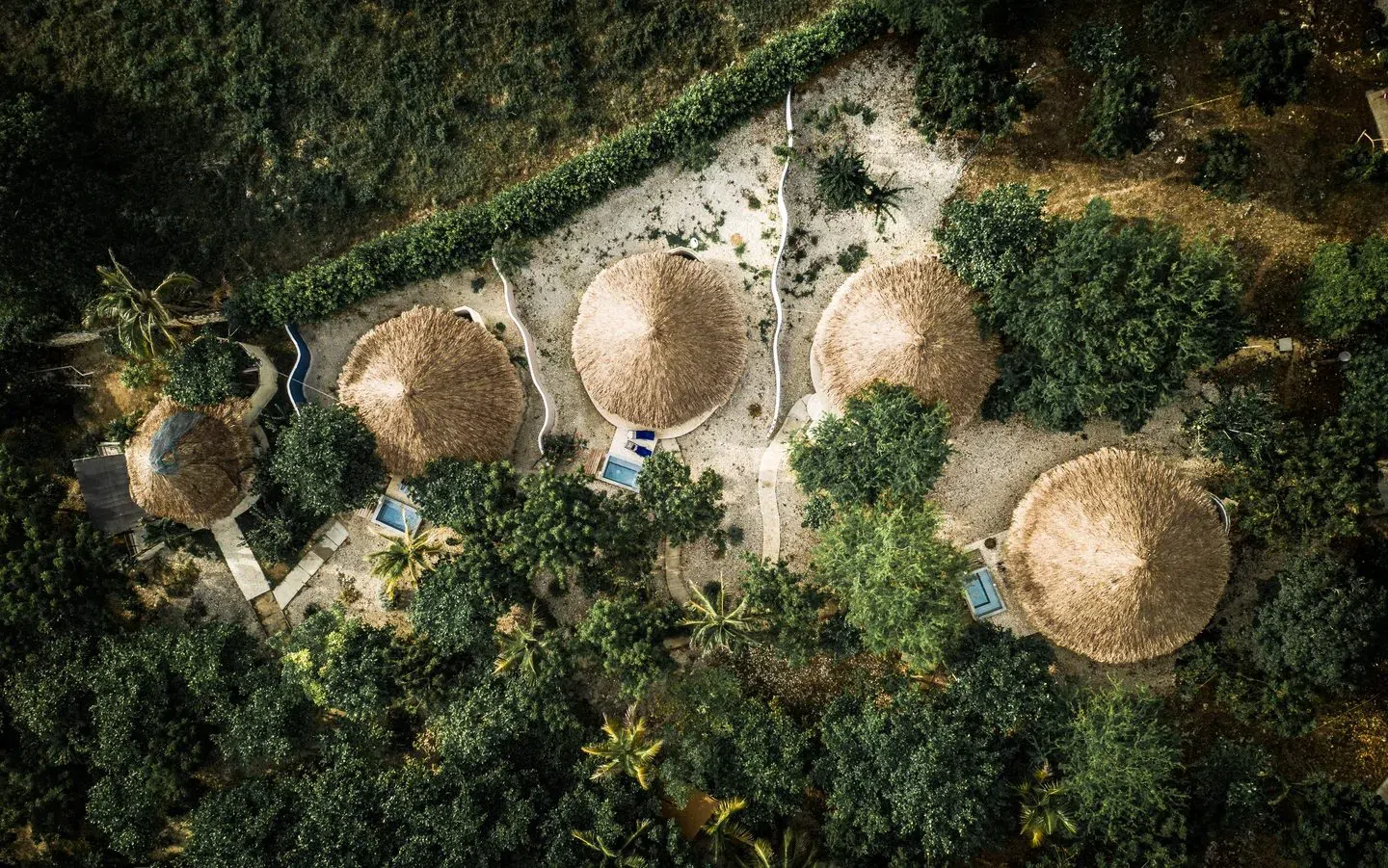
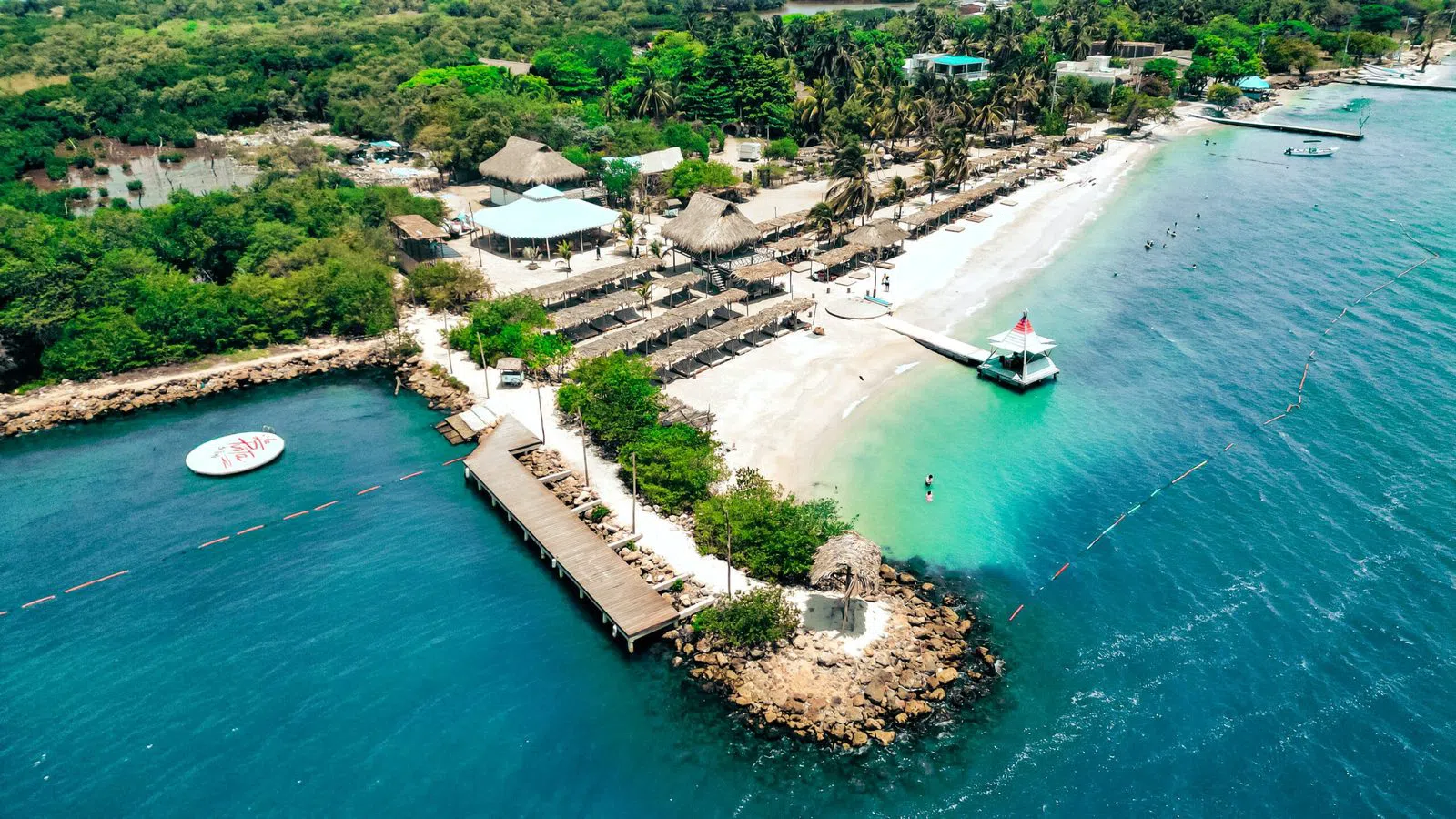
For a beach with no vendors at all, you cross the bay. Blue Apple Beach (Tierra Bomba island, twenty minutes out) is the cleanest answer to the problem: one price paid online before you leave the city, a private stretch of shore, and a boat that functions as the door policy. Day passes run about US$55 to US$80 per person including the transfer, a lounger, a welcome cocktail and lunch. The boat goes from Muelle de la Bodeguita at 10:00 or 12:00 and comes back at 16:00 or 17:30, so the day has a shape whether you like it or not. They take groups readily, up to around 150 day guests, but the mood is grown-up and low-volume, and couples are not outnumbered.
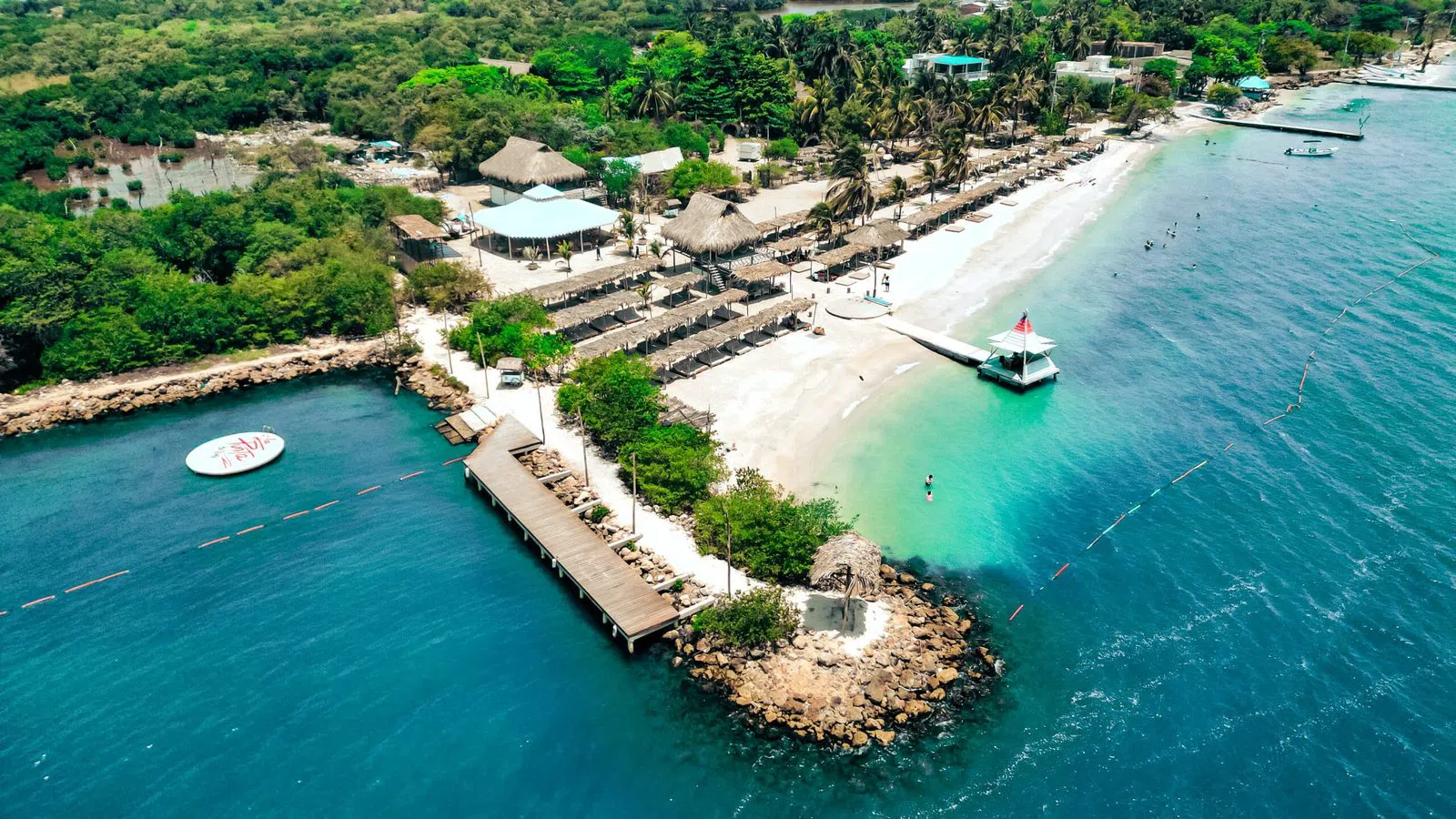
Fénix Beach Cartagena (also Tierra Bomba) is the livelier sibling and the better pick for a group of eight who want a pool, a DJ, volleyball and a bonfire rather than a book and a hammock. A basic day pass is 195,000 COP per person; the full day pass with lunch is 295,000 COP. Boats out run 09:30 to 13:30 and back between 16:30 and 18:30, and you reserve through fenix.meitre.com or on WhatsApp. Everything is prepaid, so nobody arrives at your lounger mid-afternoon with a tray of anything.
The island trips sold to you on the sand, with the boat leaving "in ten minutes", are the same day without a fixed price or a fixed return time. Book yours the night before instead.
The old city at a published price
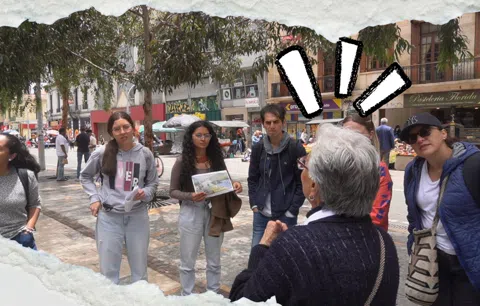
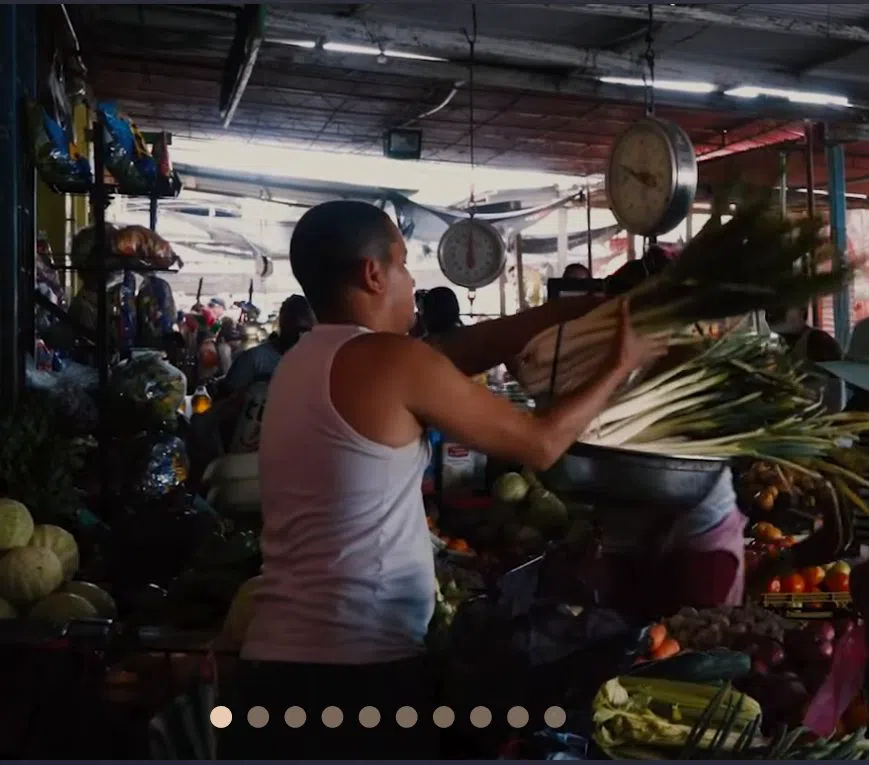
The men who approach at the Torre del Reloj offering to walk you round the walls are unlicensed and pricing you by eye. Cartagena Connections (meeting inside the walled city) is the fixed-price version: a two-hour history walk for US$30 per person, small groups, two-person minimum, reservation essential. For that you get a guide who talks honestly about the slave port the city was built on, which the pavement tour rarely does. Their Bazurto market tour, US$50 per person including transport and lunch, is the one I would send anyone on. Bazurto is loud, wet underfoot and completely unstaged, and going in with someone who knows the stallholders turns it from an ordeal into the best three hours of the trip. Private and larger-group bookings are arranged direct.
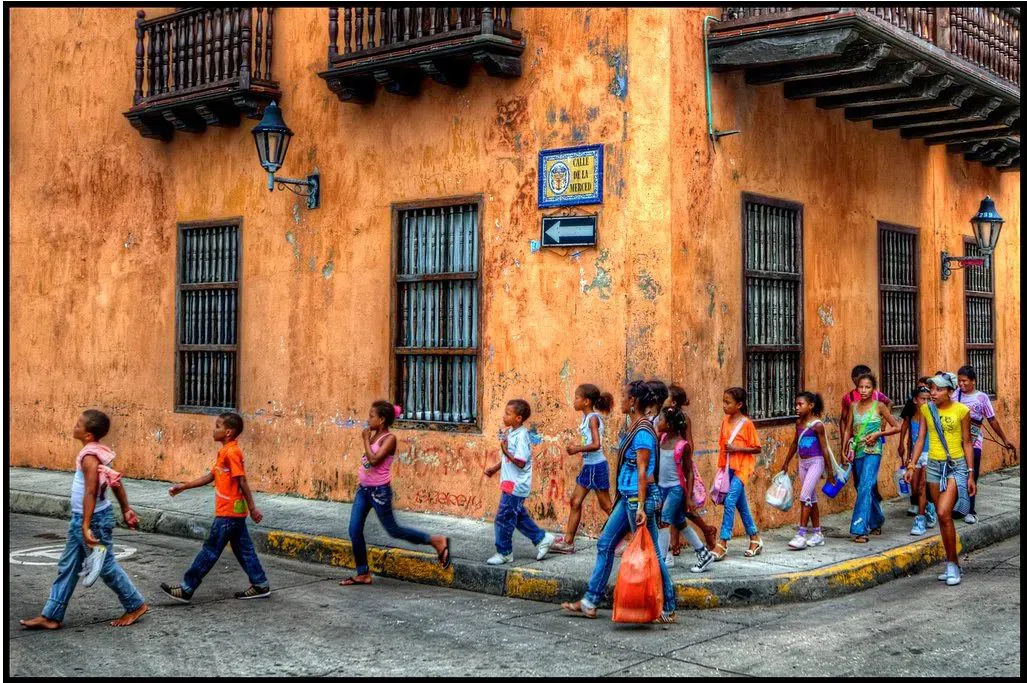
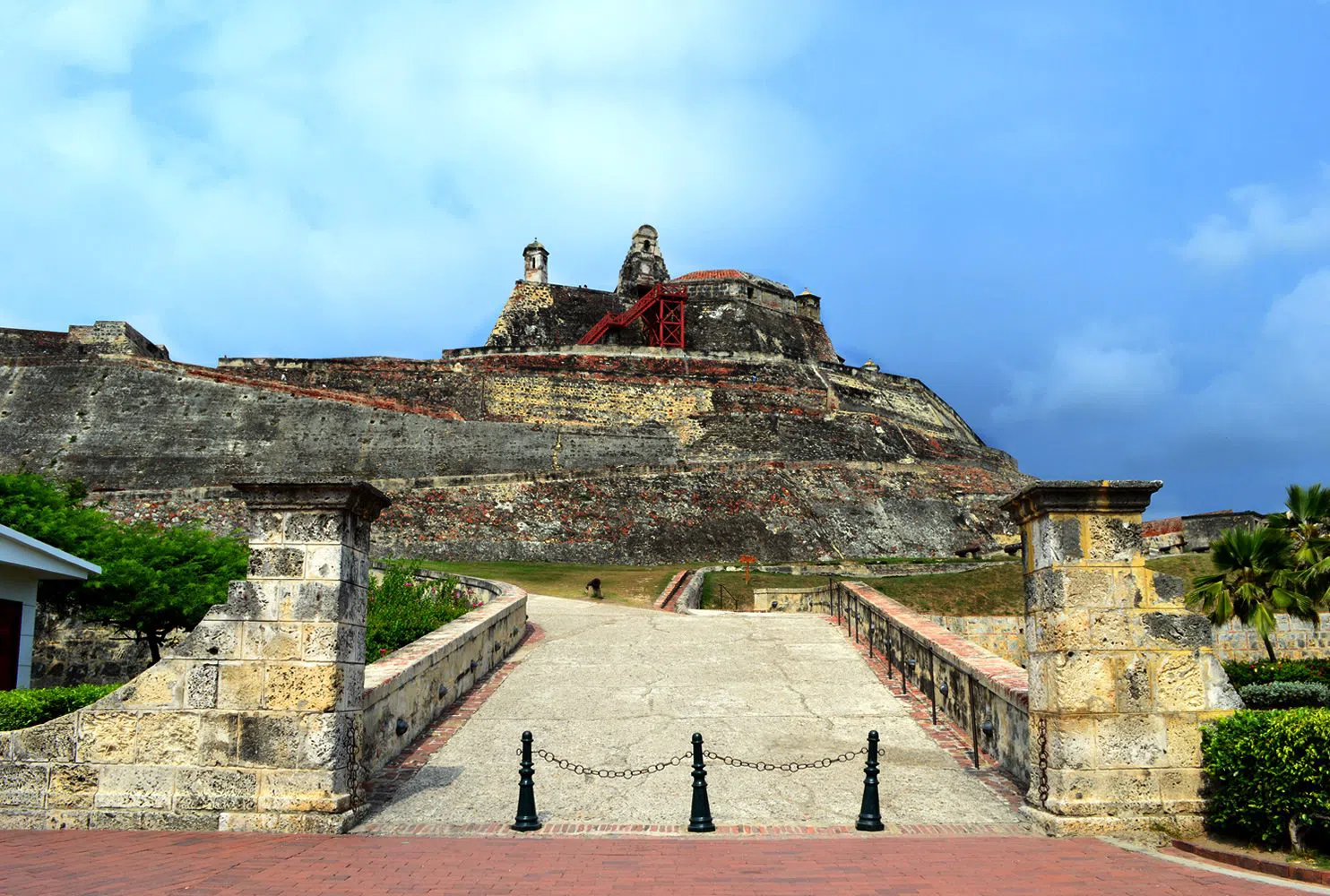
Castillo San Felipe de Barajas (on the San Lázaro hill, a ten-minute walk up from Getsemaní) is open daily 08:00 to 18:00 with last entry at 17:30. Buy the ticket online, walk past the men offering "tours" at the ramp, and take the official audio guide at around 15,000 COP. It covers the tunnel system properly and costs a fraction of what gets quoted on the pavement. Entry is roughly 25,000 to 50,000 COP depending on residency, and free on the last Sunday of the month, which is also when it is busiest. Go at opening; by eleven the stone is radiating heat and there is no shade on the ramparts.

When the heat wins, Museo del Oro Zenú (Plaza de Bolívar, inside the walls) is the reprieve: air-conditioned, run by the Banco de la República, and free. It is one room and a mezzanine of Zenú goldwork and ceramics, half an hour well spent, and the only place in the centre where nobody will try to sell you anything. There isn't even a gift shop. Tuesday to Saturday 09:00 to 17:00, Sunday 09:00 to 14:00, closed Monday. No booking; small groups simply walk in.
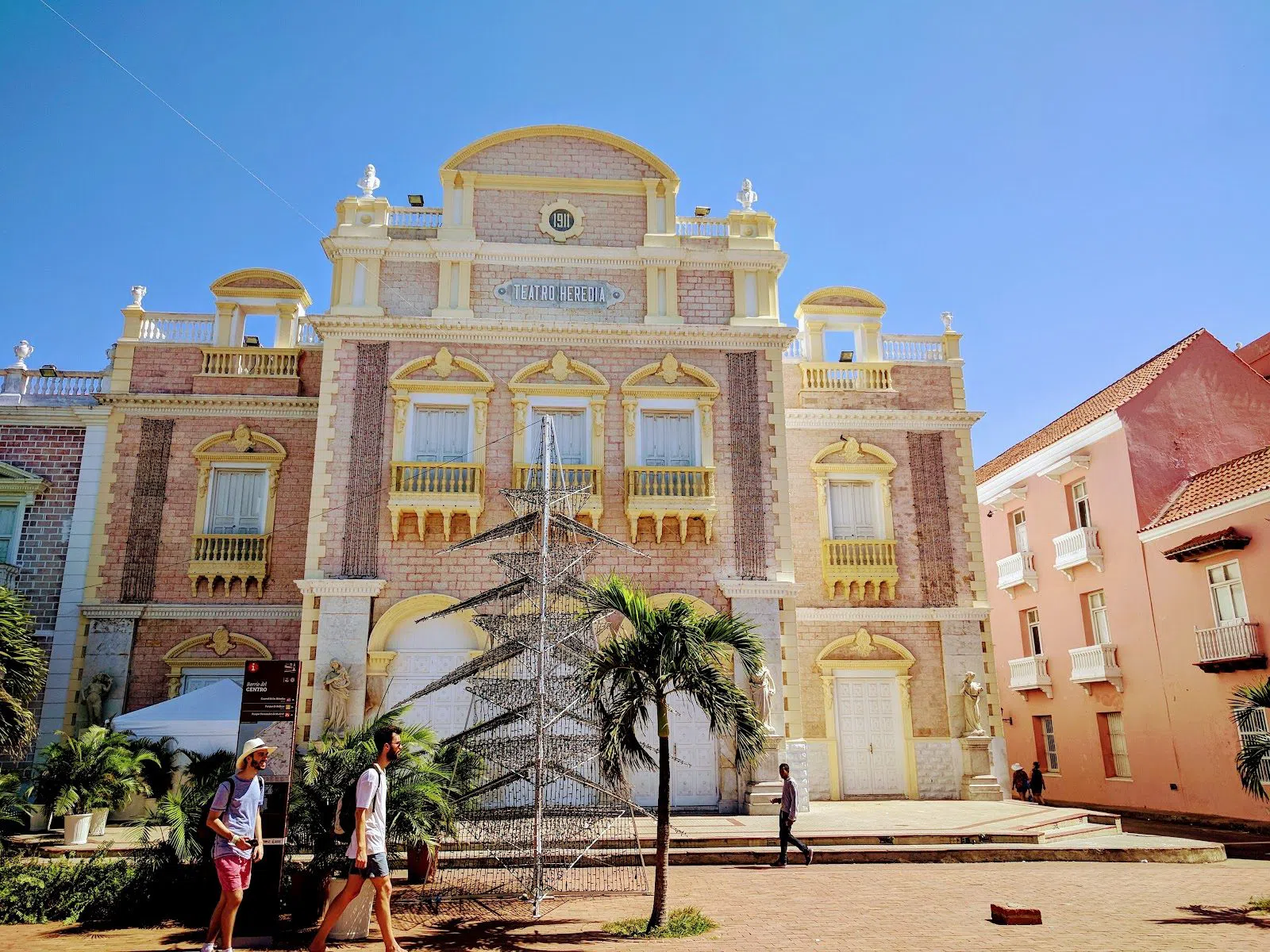
Teatro Adolfo Mejía (walled city) is the surprise of the old city. A guided daytime visit through the gilded boxes and the painted ceiling costs about US$2.50, and the IPCC's Puertas Abiertas programme puts on free dance, music, theatre and film. An evening in the old city with a published number attached to it is worth noticing in this town. Ticketed concerts are sold through eTicketaBlanca; groups are fine for both shows and daytime visits.
Tables you have already booked
Celele (Getsemaní) is the reason a certain kind of traveller comes to Cartagena at all: No. 5 in Latin America's 50 Best and No. 48 in the world in 2025, with the Sustainable Restaurant Award, cooking Caribbean ingredients most visitors never see on a menu. Reservations are effectively required: there are only a few seatings a day and walk-ins are rarely accepted. Book weeks out at [email protected], and arrange small groups the same way. Expect around 200,000 COP a head and up. The table is confirmed long before you walk down the street towards it.
At the other end of the scale and just as booked-out in spirit, La Cocina de Pepina (Getsemaní) serves ancestral Córdoba recipes from María Josefina Yancés' kitchen, still run by her family. Mains are 40,000 to 70,000 COP. It is first-come, first-served, it cannot seat more than about a dozen people at once, and it is emphatically not a group venue. Go as two, or four at a push, and go early. This is the food locals eat, at prices printed on a menu rather than quoted to your face.
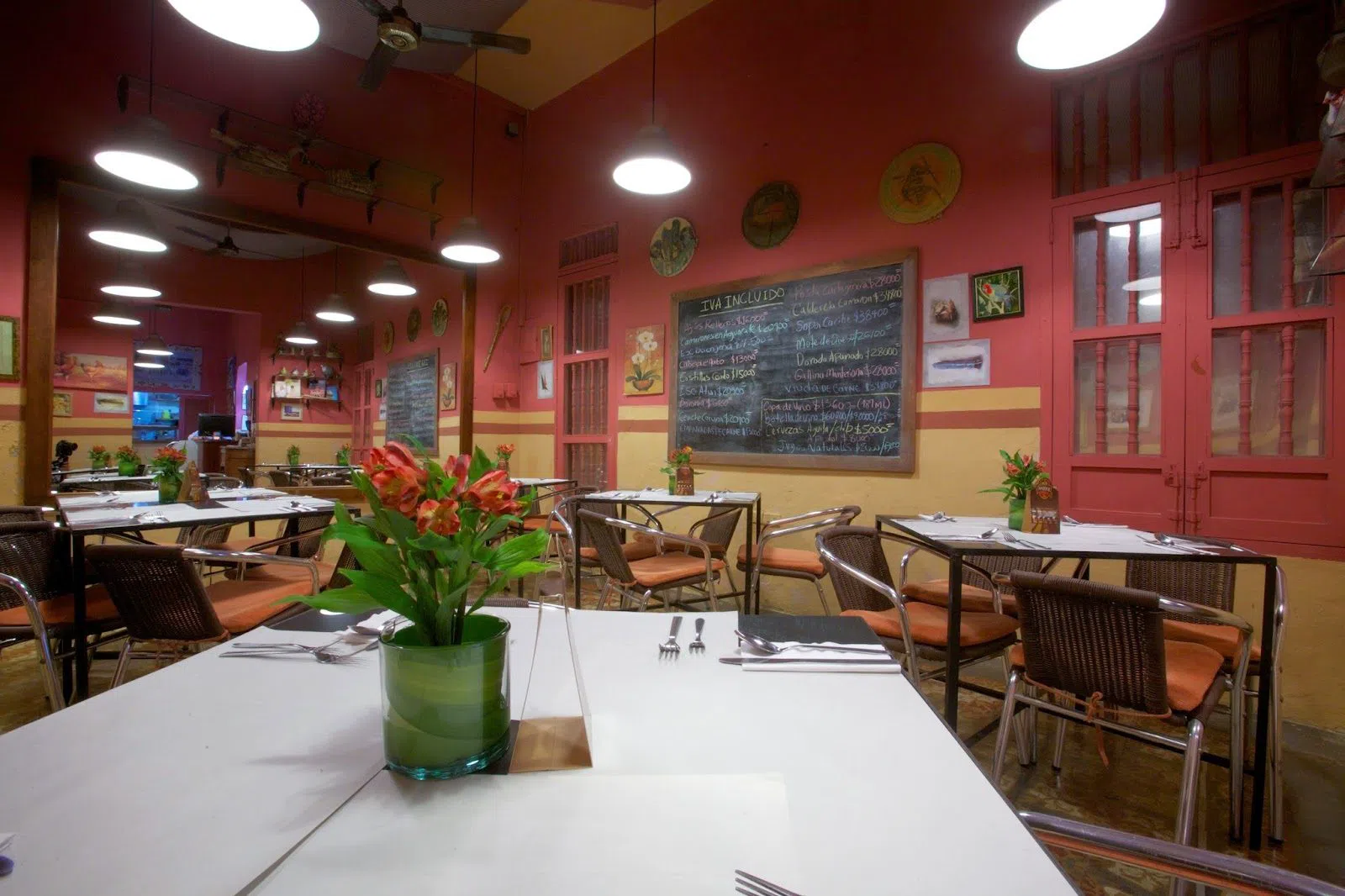
Demente (Plaza de la Trinidad, Getsemaní) is where I would put a group of six on their first night. Tapas at 25,000 to 45,000 COP a plate, craft beer, pavement rocking chairs, opens around 15:00, no reservation needed midweek. The square outside fills every evening with musicians, families and sellers, and there is a large difference between watching that from a table with a tab and standing in the middle of it being circled.
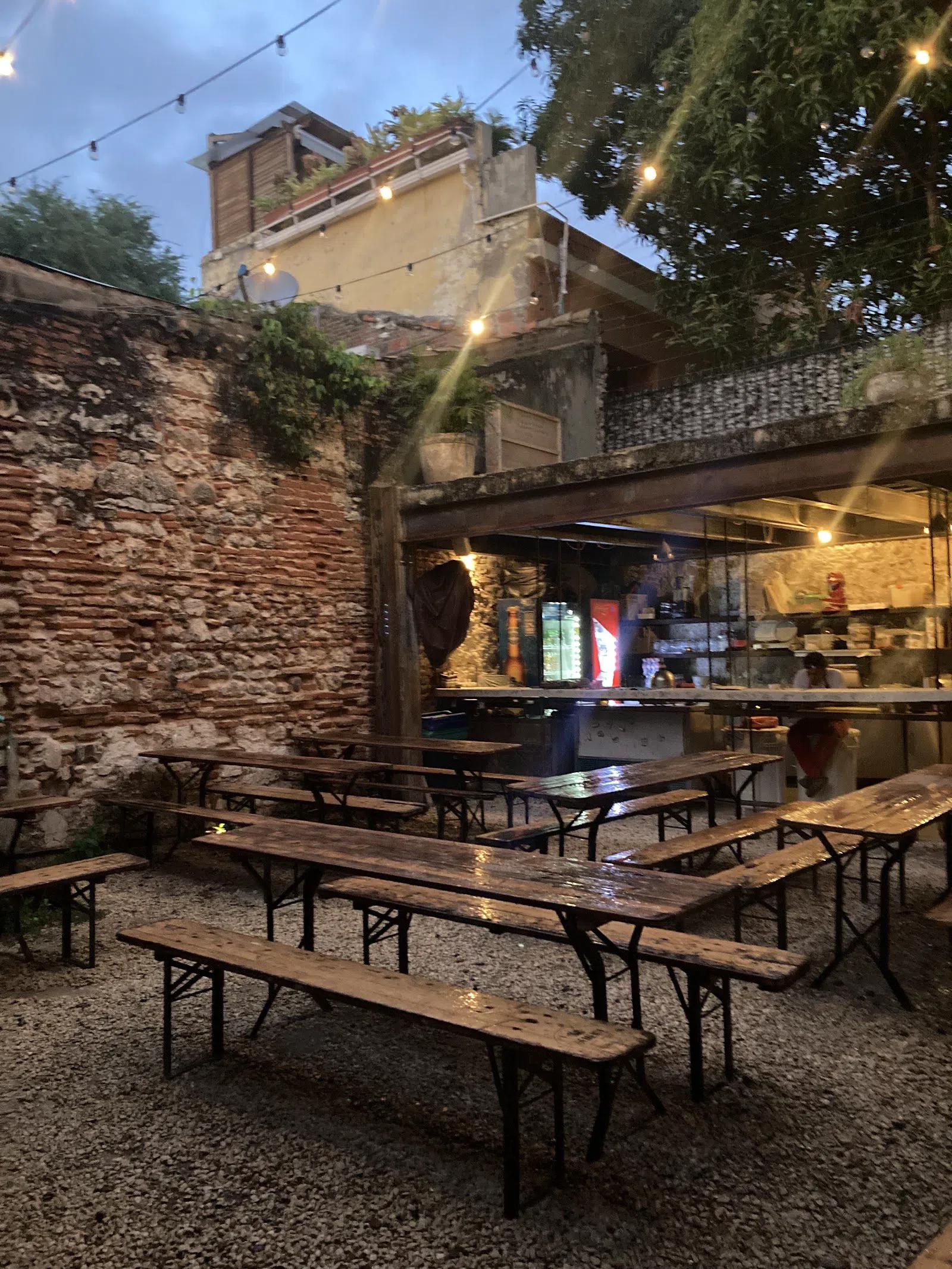
Lunático Experience (Getsemaní) is the old Caffé Lunático reborn as a reservation-only experience kitchen: cooking classes, rum and chocolate tastings, and a trip to Bazurto followed by cooking what you bought. Advance booking only, small-group formats, private experiences for up to 20 guests and larger groups considered case by case. Rates vary by experience, so message them on WhatsApp or email direct. Everything is agreed beforehand.

Drinks with a menu in your hand
Townhouse Rooftop (walled city) is open to non-guests from 08:00 to midnight, and the sunset over the ramparts costs you a cocktail at 40,000 to 60,000 COP instead of an hour of being sold rum on the wall itself. Reserve a table through Tock for sunset; it fills, and the terrace is not large. Groups are welcome if they book.

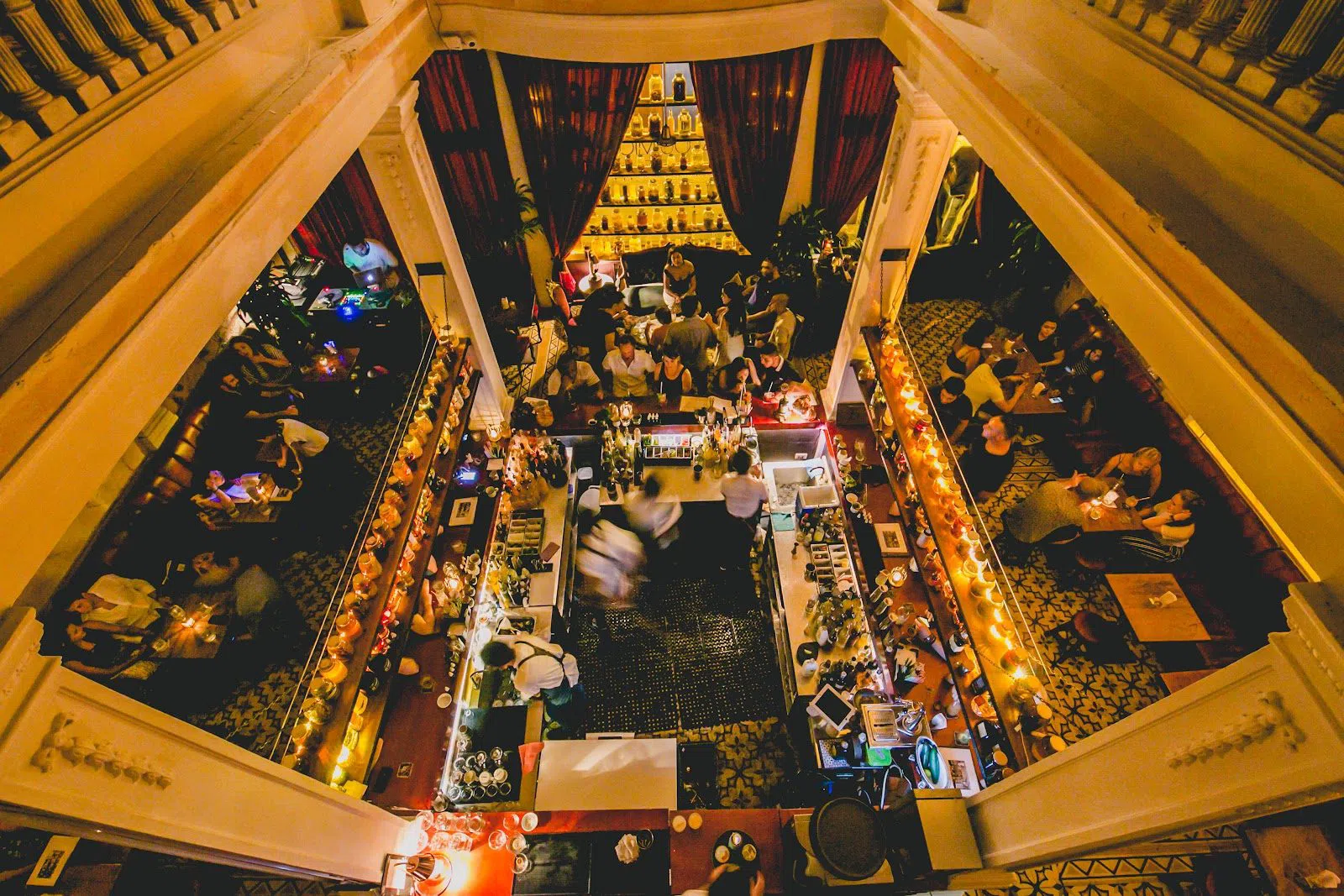
Alquímico (walled city, in a three-floor townhouse) is ranked among the world's best bars and took the 2026 Art of Hospitality award, and it behaves like it: the drinks are priced on a menu and the staff are the reason to stay past one round. The trade-off is the door, with no reservations for groups on busy nights and queue control the norm at weekends. Arrive before nine or accept the wait. El Barón (walled city) is the other serious address and the easier one: a coffee bar by day, cocktails at 35,000 to 55,000 COP by night, a small room that suits four to six with the overflow onto the terrace, and reservations through their site. A shaded plaza table with a fixed menu beats a wandering rum seller by some distance.
Nights where the cover is the whole negotiation
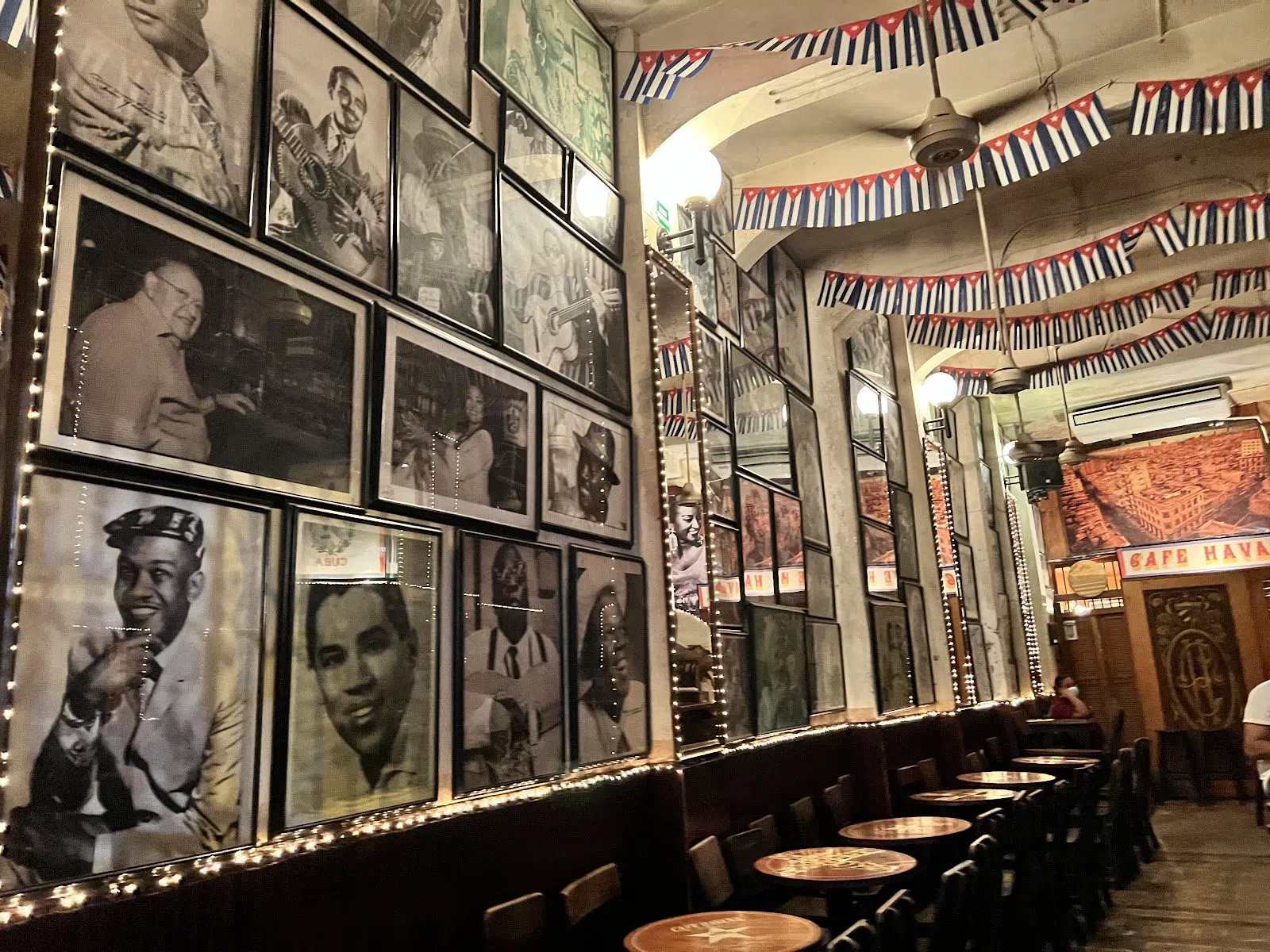
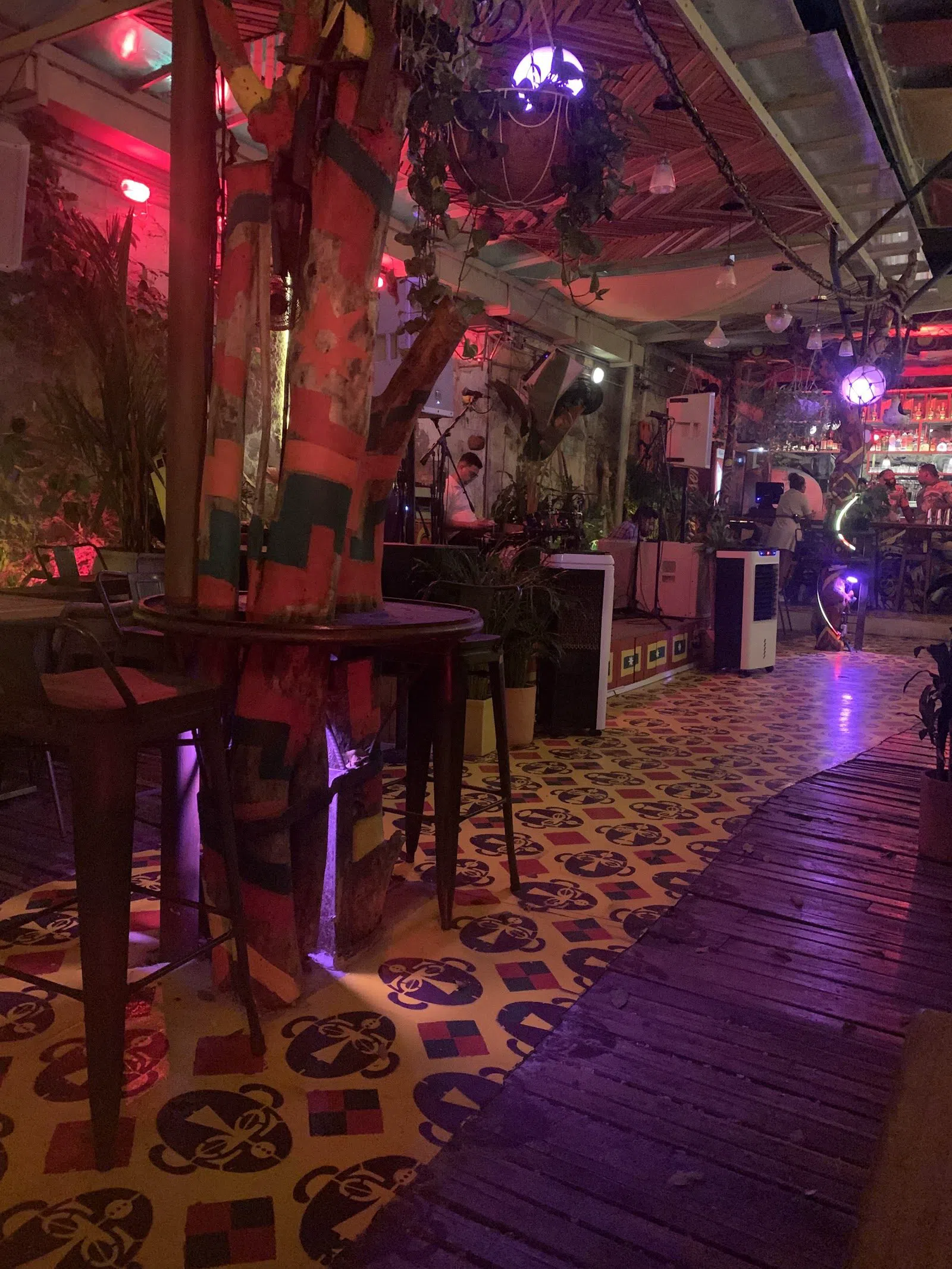
On Media Luna somebody will offer you a "salsa tour". Walk to Café Havana (Getsemaní) instead and pay the cover at the door, 40,000 to 60,000 COP, up to 100,000 for a special act, drinks on top. That single payment is the whole transaction, and it buys a real Caribbean band, nightly, from 20:00 Tuesday to Sunday. Groups are fine, but understand the room: by 23:00 it is standing only and dense, and the ceiling fans are losing.
Bazurto Social Club reopened in 2024 in the back patio of Casa Cruxada rather than its old Getsemaní address, and the champeta and picó nights there are the real sound of this coast, not a folklore show priced for cruise passengers. Thursday to Saturday, 21:00 to 02:00, cover roughly 30,000 to 60,000 COP depending on who is playing. Groups are welcome; message ahead on a busy night.
Money, taxis and timing
Taxis are unmetered. Agree the fare through the window before you get in, or use a ride app, which removes the conversation entirely; inside the walls and Getsemaní you will barely need either, and the walk between them takes eight minutes. Carry cash in small notes for beach chairs, covers and market stalls. Restaurants, cocktail bars and beach clubs take cards; sand and doors generally do not. ATMs inside bank branches are the sensible ones.
Do the fortress, the market and any walking at 08:00; do nothing outdoors between noon and three; the city becomes civilised again around five. December to March is dry, busy and priciest, September through November is wet in short violent bursts that clear within the hour. Budget roughly: a full beach club day 200,000 to 300,000 COP, a guided walk US$30, a fort ticket and audio guide under 65,000 COP, a good dinner 60,000 to 150,000 COP, a big one at Celele more than triple that, and a night of live music with covers and drinks around 150,000 COP. Book the beach club and the restaurants before you fly; everything else can be settled the evening before over a drink. For where to stay and what else is worth your time, the Cartagena guide covers the rest of the city.
Before you go
Are Cartagena's beach vendors really that persistent?
On the tourist stretches, yes. Expect offers of massages, bracelets, oysters and drinks all day, usually with no fixed price. It is rarely hostile and a polite refusal works, but it does not stop. Playa de Castillo Grande near the Club Naval is calmer because it is mainly a local beach, and the island clubs at Blue Apple and Fénix have no vendors at all: access is by their own boat.
Blue Apple or Fénix — which day pass should I book?
Blue Apple Beach suits couples and anyone who wants a quiet, grown-up day: US$55 to US$80 per person, including the boat, a lounger, a welcome cocktail and lunch, with boats at 10:00 or 12:00 from Muelle de la Bodeguita. Fénix Beach is the louder one, with a pool, a DJ, volleyball and a bonfire. It costs 195,000 COP basic or 295,000 COP with lunch, and it is the better choice for a group.
Do I need to book restaurants in advance?
For Celele, yes. It runs only a few seatings a day, walk-ins are rarely accepted, and you should email [email protected] weeks ahead. Lunático Experience is reservation only. La Cocina de Pepina takes no bookings at all and seats about a dozen, so arrive early. At Demente you can turn up midweek without one.
How much cash should I carry, and do places take cards?
Restaurants, cocktail bars and the island beach clubs take cards. Cash covers the rest: beach chair and tent rental, the covers at Café Havana and Bazurto Social Club, market stalls and most taxis. Keep small peso notes on you and use ATMs inside bank branches.
Is a paid walking tour worth it when guides offer for less on the street?
Yes. The men who approach at the Clock Tower are unlicensed and price by eye, and you settle the fee at the end rather than agreeing it at the start. Cartagena Connections publishes its rates: US$30 per person for a two-hour history walk, US$50 for the Bazurto market tour including transport and lunch, both booked in advance with a two-person minimum.