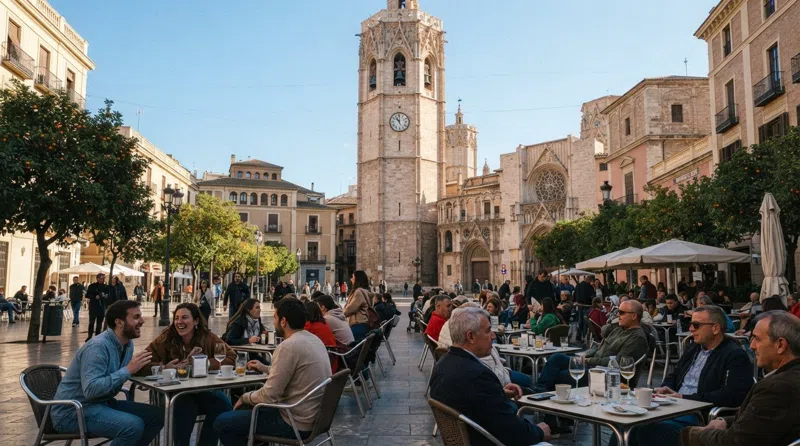
At a cook stall in Bazurto, a woman lifts the lid off a pot of arroz de lisa and the steam comes up smelling of coconut, woodsmoke and smoked mullet. The plate costs less than a cocktail inside the walls, and it tells you more about this city than any plaque on a colonial façade. Cartagena's everyday cooking (the long stews, the coconut rices, the fried yuca fritters) was built by enslaved Africans and their descendants out of what the Caribbean coast handed them, and it is still what people here eat on a Tuesday.
This is the route I actually walk when someone asks me where the creole kitchen lives, and nothing is on it unless I have eaten there at least twice.
Start where the cooks shop
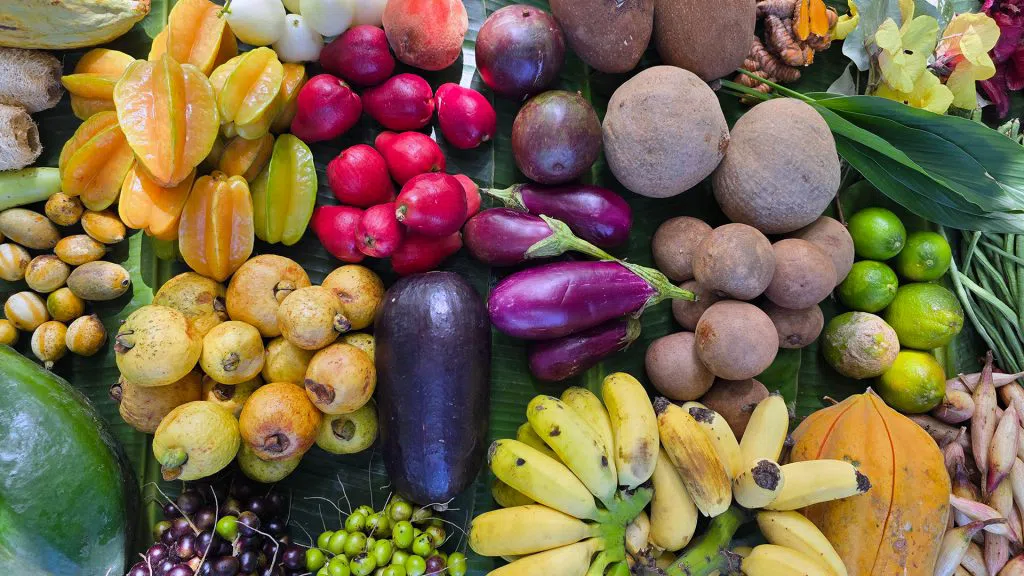
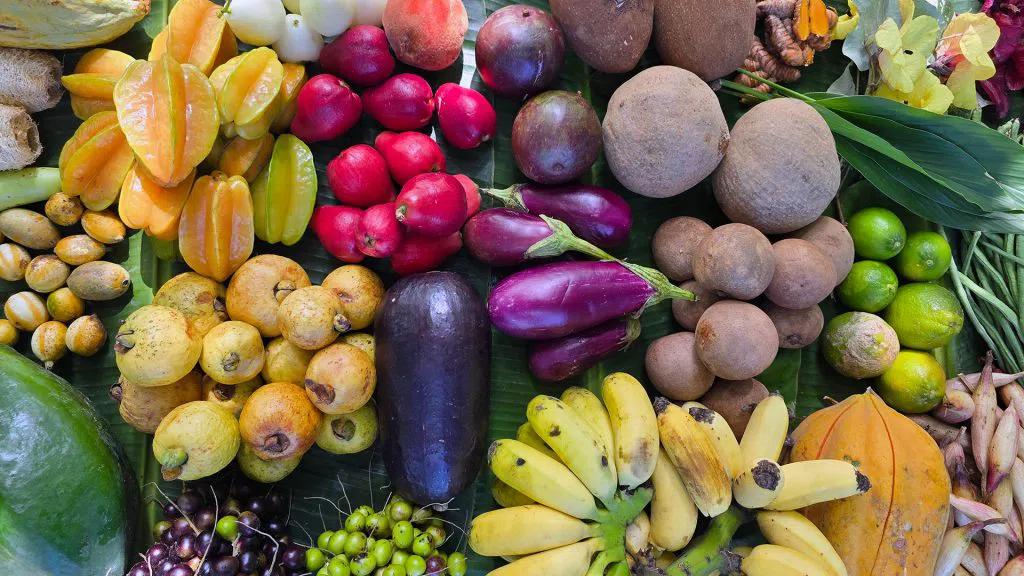
Mercado de Bazurto (Bazurto, a few kilometres east of the old city) supplies the restaurants in this piece and sets their prices. The fish, the yuca, the ñame, the costeño cheese and the green plantain that end up on a COP 400,000 tasting menu came through these aisles first.
The dish to come for is arroz de lisa, smoked mullet cooked down in coconut milk until the rice goes amber and faintly sweet, still made from family recipes at stalls such as Puesto de Doña Bertha. Around it, mote de queso, sancocho and carimañolas go out on plastic plates all morning. A full lunch with a drink runs under COP 30,000.
Know what you are walking into. The aisles are single-file, trucks reverse into them, fish water runs underfoot and the smell changes every ten metres. It is cash only, no cards, and it is best in the morning with a local guide who knows which stalls cook and which only sell. Two or four people slot in easily on a guided walk; a party of ten is genuinely impractical and will spend the visit apologising to porters. Nobody has sanitised the place, which is why the city's best cooks are in here at 07:00.
The pot that came off the ships
Cartagena de Indias was one of the Spanish empire's principal slave ports, and the kitchen that grew out of that has outlasted everything else in the city. Rice and coconut, yuca and plantain, smoked and salted river fish, cheap cuts braised for hours, and a sweet-sour habit (tamarind, mango, lime, panela) that turns up in glazes and soups alike.
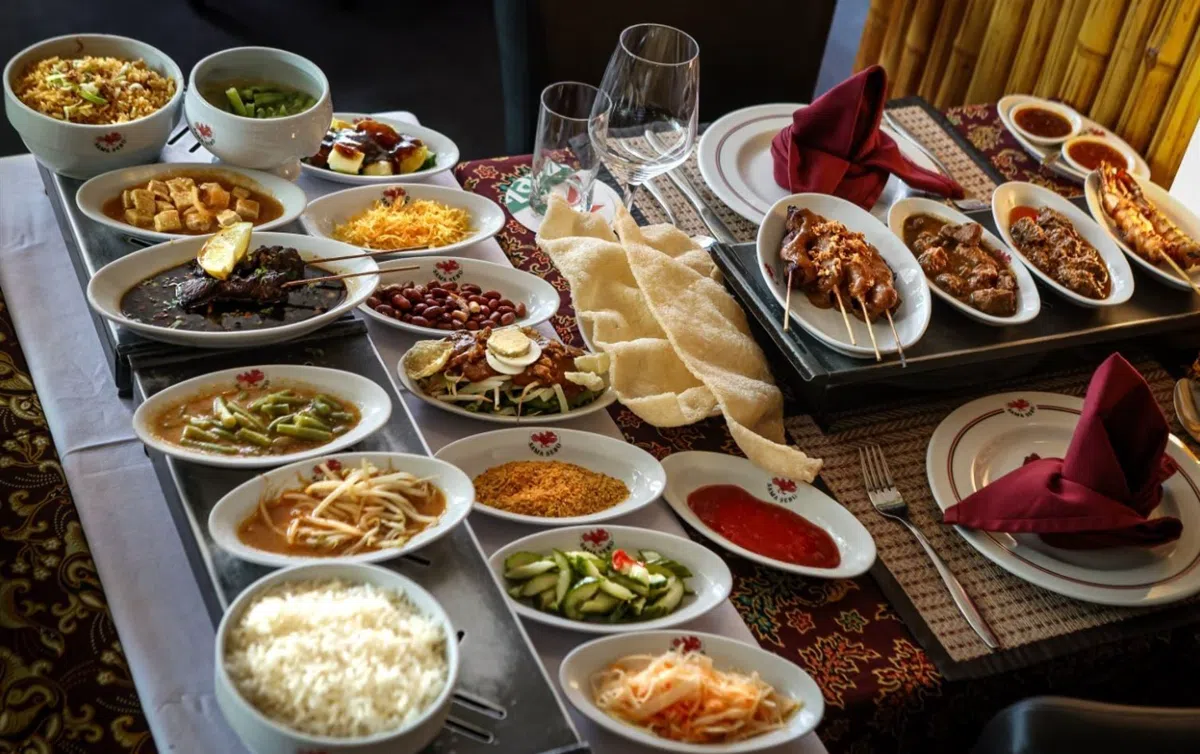
Learn five words and the menus open up. Mote de queso: a sour soup of ñame and salty costeño cheese, thick enough to stand a spoon in. Sancocho: the stew-pot, with fish, hen or beef ribs depending on the house. Posta cartagenera: beef braised dark in panela and tomato. Carimañolas: yuca fritters stuffed with meat or cheese. Encocado: fish finished in coconut milk. Enyucado for dessert, dense with yuca and coconut.
The lineage has a place name attached to it too: San Basilio de Palenque, founded inland by people who escaped Cartagena's slave market and recognised as the first free town in the Americas. Two venues on this list say so on the menu. For the neighbourhoods and the walls, the Cartagena guide covers the ground.
Two kitchens that treat cooking as fieldwork
La Cocina de Pepina (Getsemaní) does the whole argument of this piece in one small room. The anthropologist-cook Maria Josefina Yances Guerra founded it, and the cooking is research rather than nostalgia: coconut rice, mote de queso, posta cartagenera and enyucado, with no concession to what a visitor might find easier. It holds a TripExpert score of 89 off Afar, Fodor's and Frommer's, and it costs roughly COP 45,000-80,000 a head.
It is also the hardest venue here for a group, with around eight tables, walk-in only, no reservations at all. Couples and pairs are fine if you turn up when the doors open. Four or more should arrive early or accept being split; six or more should pick somewhere else and come back another day as a smaller party.
Celele by Proyecto Caribe Lab (Getsemaní) runs on the same instinct with a laboratory attached. Chef Jaime David Rodríguez and his Proyecto Caribe Lab spent years field-cataloguing Afro-Caribbean and indigenous ingredients and techniques along the Colombian coast, and the tasting menu reads as that archive plated. The ingredient you have never heard of is the reason the dish exists. It climbed to No. 5 on Latin America's 50 Best in 2025 and debuted on The World's 50 Best.
Expect roughly COP 280,000-450,000 per person before drinks. Bookings go through its mesa247 system and the dining room is small, so reserve several weeks ahead; above about six you will be split across tables. In practice it is a restaurant for two to four, and it is worth planning a trip around.
Weekday stews at weekday prices
Restaurante Espíritu Santo (Centro, with a second branch in Getsemaní) is the cheapest proof that none of this is heritage theatre. It is a corrientazo, a working lunch canteen, open 11:30 to 15:30 only, and a full lunch lands at roughly COP 25,000-40,000. The city treats it as its reference point for mote de queso and sancocho, and office workers queue for it. The canteen seating absorbs a group of eight without blinking, but there is a real queue and a waiting list at peak, and it does not do private tables. Arrive by 12:00 or after 14:00.
Restaurante Coroncoro (inside the walls) opens at 07:30 and feeds almost entirely locals, which is why it belongs here: sancocho and fried fish at something close to the price the dishes were invented at. Set lunch starts around COP 15,000 and fish plates run COP 25,000-40,000, against 4.3 across roughly 2,900 reviews. The room is big, loud and high-turnover, it takes groups without ceremony, and the cards machine is unreliable, so bring cash. It is the honest counterweight to walled-city pricing.
La Mulata (Centro Histórico) is the most legible everyday version of all this: catch of the day with coconut rice, prawns in habanero and mango, tamarind-glazed ribs, at roughly COP 45,000-60,000 a head, with the menu of the day cheaper still. Several connected rooms mean groups fit, but it fills hard, so be seated before 12:30 or book. The meat dishes draw recurring complaints about dryness. Order from the sea and you will eat very well.
The big rooms that still cook the archive
La Casa de Socorro (Getsemaní) is an institution, 4.3 across about 4,400 reviews, and its sancochos are the best argument in Cartagena for the stew-pot lineage this piece is about: deep, long-cooked, served with rice and patacón. The large multi-room dining room is comfortable with big tables and usually absorbs walk-ins; booking is sensible for a party. The caveat is money. At roughly COP 60,000-130,000 per person, several 2026 reviewers flag it as pricey for the genre, and they are not wrong. Fame has pushed it well above neighbourhood rates.
Restaurante Candé (the walled city) bills itself as cocina 100% cartagenera and then actually delivers the deep-archive dishes most tourist kitchens quietly drop: mote de queso, higadete (liver and ripe plantain soup), wild meats, the typical coconut rices. Mains run roughly COP 70,000-150,000. It is explicitly built for groups, from two covers to large parties, with reservations strongly advised for big tables and peak hours.
There is a nightly folkloric dance set, and yes, it is a show. It is also the Afro-Caribbean half of the story told out loud, and for a table of visitors who want the context served alongside the food, it works better than any explanation I could write.
Palenque named out loud
Rebelión Alma & Sabor (a small room off the Centro's restaurant blocks) has the most literally on-theme menu in the city. The signature arroz San Basilio names San Basilio de Palenque outright, and the encocado and tamarind-glazed ribs trace the same coconut-and-sour line. Roughly COP 50,000-90,000 per person, which locals consider a touch steep, and a 4.7 rating off a thin review base, so it is a find rather than an institution. It is very small: fine for six, awkward beyond that, so call ahead for anything larger. It also handles vegetarians unusually well, which almost nothing else on this list does.
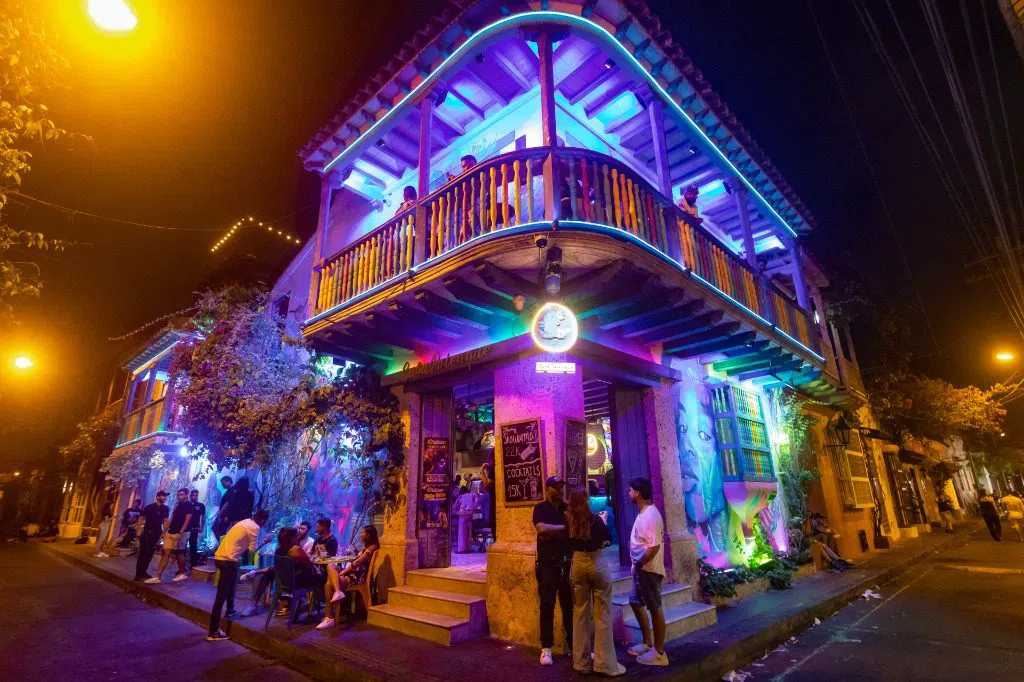
Casa Palenque Cartagena (Getsemaní) is an open homage to the same free town, with arroz con coco and pescado frito served under live mapalé and champeta across a gastrobar, club and rooftop. Cocktails run roughly COP 35,000-55,000 and plates COP 45,000-90,000. It is the best group venue here by a distance: multiple floors, bookable sections, open daily until 03:00 and a dedicated reservations line for parties. It is a night out more than a kitchen of record. The culture in the room is louder than the cooking on the plate.
Technique instead of nostalgia
Restaurante Kazabe (Bocagrande, inside Hotel Cartagena Plaza) is where Cartagena chef Charlie Otero rebuilds the canon by method and not by sentiment: carimañolas, rice-and-aubergine tamales, posta cartagenera, mote de queso, all recognisable and all sharpened. Roughly COP 70,000-140,000 per person, open around 12:00-21:00 Monday to Saturday and closed Sundays. The hotel-scale dining room makes groups and set menus straightforward, and it is the most comfortable room on this list for anyone who wants the tradition without the plastic chairs.
Doña Lola (Getsemaní, inside Casa Lola) sets local chef Gerson Guardo's updated traditional Cartagena dishes inside a colonial antiques gallery, and the setting itself makes the point about colonial wealth and the kitchens that fed it. Open daily 12:00-23:00, roughly COP 70,000-140,000 a head, with groups and private events handled through its Eventos service. The Mediterranean and tapas accents dilute the creole focus, so stay on the coastal plates.
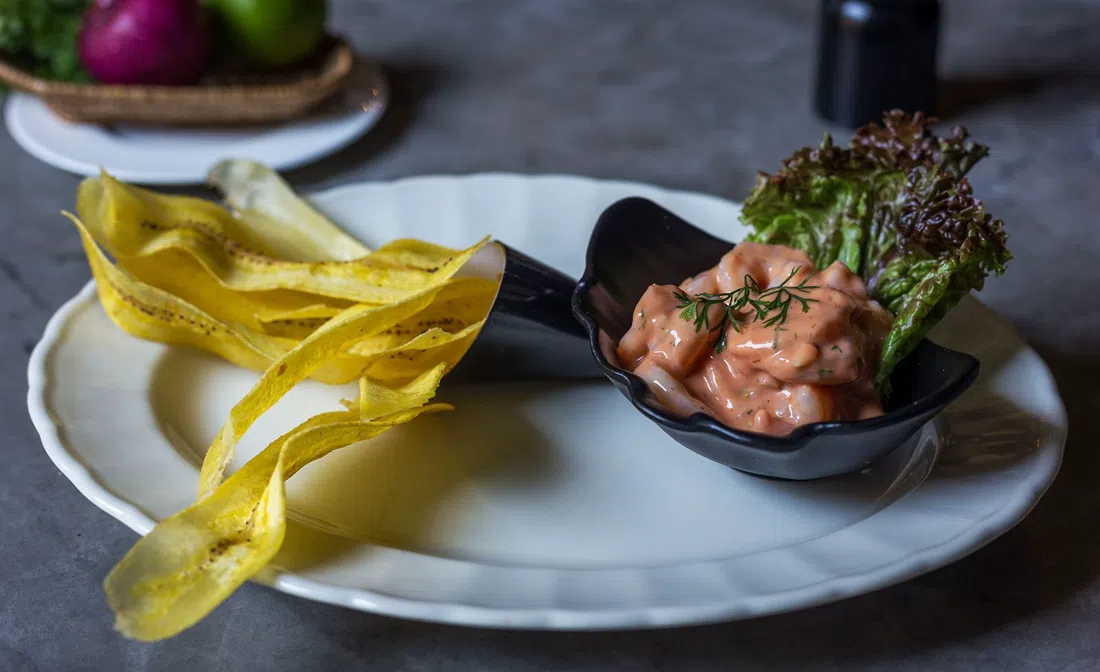
Restaurante El Gobernador by Rausch (Centro Histórico) is the fine-dining counterpoint to Celele: Jorge Rausch applying French technique to coastal ingredients and sustainable catch such as lionfish, 4.4 across roughly 800 reviews, service twice daily at 12:00-15:00 and 19:00-23:00, roughly COP 120,000-220,000 per person. The creole thread here is an ingredient list more than a method. Come for the cooking; if it is the stews you want, start somewhere else.
Bocagrande and the cazuela
La Olla Cartagenera (Bocagrande) is the long-running standby that gives this route some geographic spread beyond the walls: cazuela de mariscos and coastal plates, 4.4 across about 4,800 reviews, open daily 12:00-23:00 at roughly COP 55,000-110,000 per person. There is roomy indoor and patio seating set back from the street noise, so a table of eight is relaxed here in a way it would not be in Getsemaní. Some diners find the portions small for the price, which is fair. Order an extra plate for the table and skip the upgrade.
Where the night goes after the stew
Bazurto Social Club (Getsemaní) is named after the market and openly dedicated to the city's Afro-Caribbean heritage, with champeta, cumbia and mapalé played loud. Free dance classes on Wednesdays, happy hour from 19:00, live music Thursday to Saturday from 21:00 to 02:00, cover around COP 30,000 and drinks COP 20,000-40,000. It is built for groups. The kitchen does snacks and wood-fired pizza, so arrive here after dinner.
Practical notes for planning the eating
The Centro Histórico and Getsemaní are walkable and most of this list sits in them; stay nearby and you will not need a car for days. Bocagrande and Bazurto need a taxi or a ride app, so agree the fare before you get in, or book in-app so there is nothing to negotiate. Go to Bazurto in the morning, with a guide, and leave the good watch in the room.
Carry Colombian pesos. Coroncoro's card machine is unreliable, Bazurto is cash only, and the small family kitchens prefer notes. Withdraw inside the walls where the ATMs are attached to banks.
Lunch is the main creole meal and the stews are at their best between 12:00 and 14:00. Espíritu Santo shuts at 15:30 and Kazabe closes on Sundays, so a Sunday plan should lean on Candé, Doña Lola, La Casa de Socorro or La Olla Cartagenera. Book Celele weeks ahead; book Candé, Doña Lola and Casa Palenque for any group; never try to book La Cocina de Pepina.
Eating entirely at canteens and the market, COP 30,000-50,000 covers a full day. A mid-range day, a corrientazo lunch and a proper dinner at Kazabe or Candé, lands around COP 150,000-200,000 per person before drinks. One night at Celele or El Gobernador by Rausch is its own line item at COP 280,000-450,000 and COP 120,000-220,000 respectively.
Getsemaní puts Pepina, Celele, La Casa de Socorro, Doña Lola, Casa Palenque and Bazurto Social Club inside a fifteen-minute walk, which is the whole argument for basing yourself there; the walled city is prettier and quieter at night. Compare both on the Cartagena hotel search and pick by how late you intend to be out.