
The first boat leaves the dock before the day's heat has settled over Cartagena's rooftops, and by the time it clears the harbour wall the water has already changed colour — brown lagoon giving way to a turquoise that looks unreasonable this close to a working port city. The Rosario Islands are close enough for a rushed day trip and far enough, once you're standing on a dock with sand between your toes, that the city stops feeling relevant. Forty-eight hours is the right amount of time: one day to do the archipelago's classic circuit, one night to let it empty out, and a second morning that belongs only to you.
The Gauntlet: Muelle de la Bodeguita
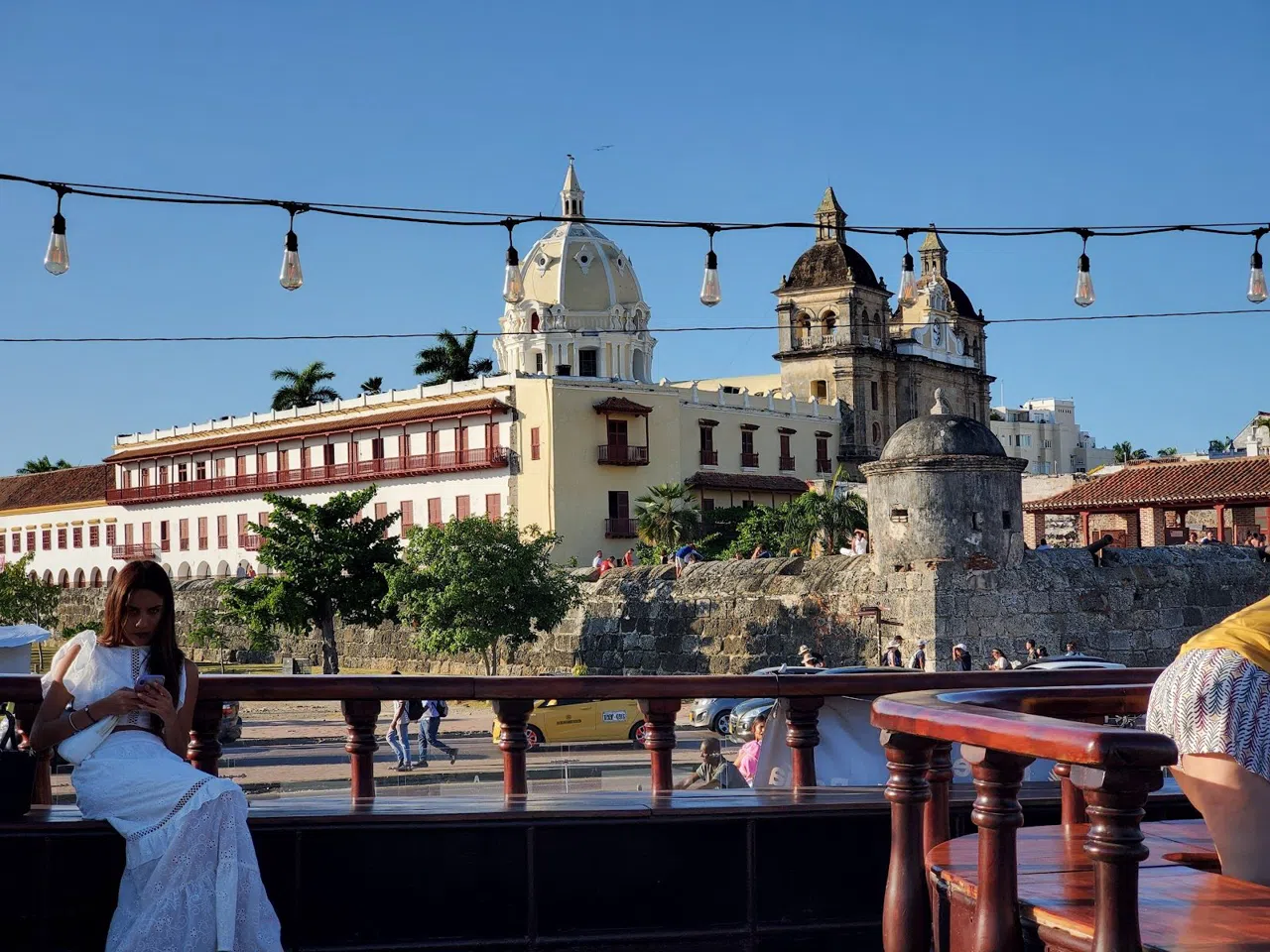
Muelle de la Bodeguita (the departure dock on Cartagena's Old City waterfront, a short taxi from the walled city) is where the trip actually starts, and it's worth being honest about it: this is a choke point, not a scenic overture. Every operator running to the Rosarios funnels through here, and the dock does not make it easy. Arrive at least twenty minutes before your slot — vendors work the queue hard, selling everything from sunscreen to 'skip the line' upgrades that mostly aren't necessary, and before you board you'll pass a cash gate for the national park entrance fee, which is separate from whatever you already paid for the boat. Entry to the dock itself is free; the boat is booked separately, typically $50–130 per person depending on the operator and how far into the archipelago you're going.
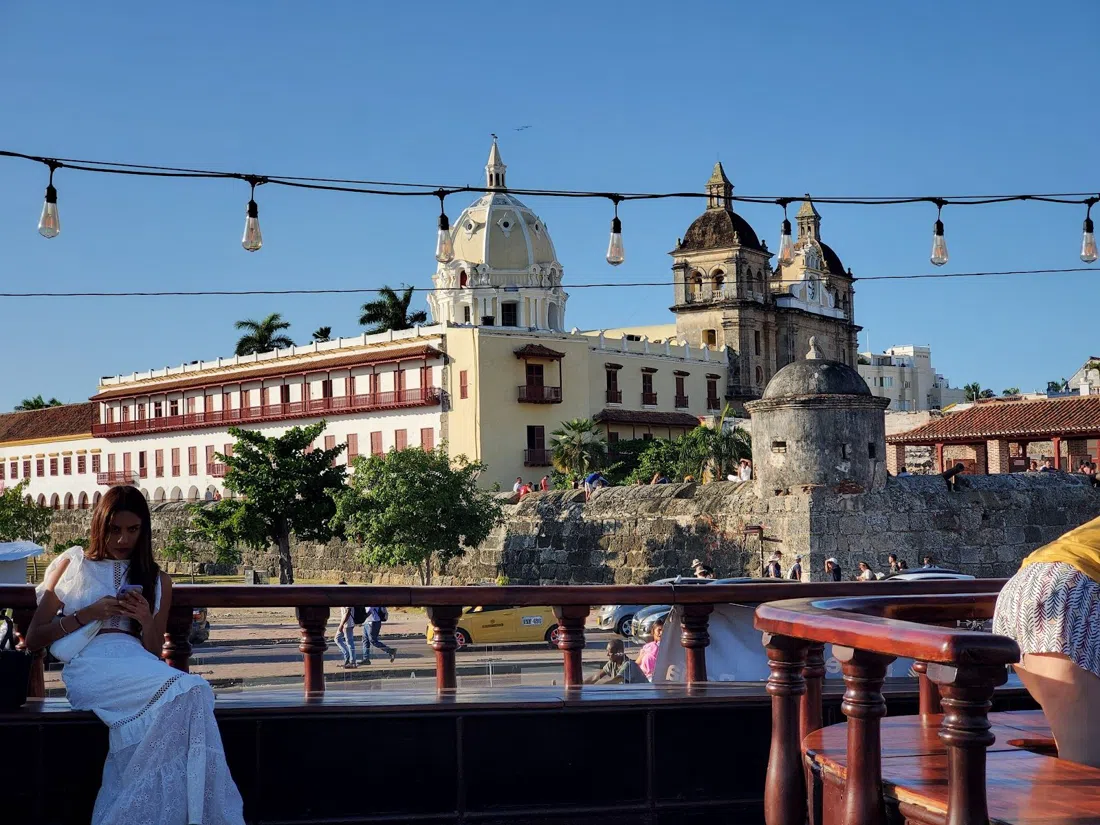
Bring small bills for the park fee, wear the wristband they hand you (it doubles as your ticket for re-boarding at the end of the day), and don't schedule anything tight for the hour either side of departure. Weather and park decree both move the schedule around without much warning, and this is the one part of the 48 hours you genuinely can't rush. If you're arranging the boat yourself rather than through a hotel, ask specifically what the price includes — dock touts quote headline numbers that don't always cover the park fee or lunch, and the gap only becomes obvious once you're standing at the cash gate with the wrong currency in hand.
The Classic Circuit
Most day operators run the same loop, and there's no shame in doing it once — it's the loop for a reason.
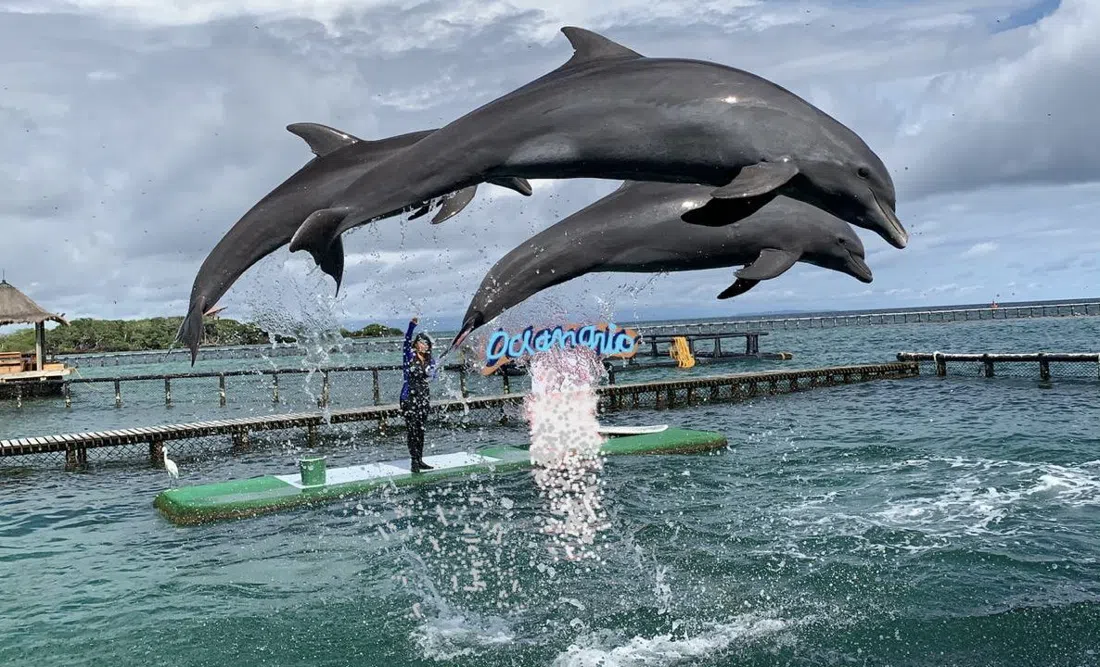
Oceanario CEINER (San Martín de Pajarales, roughly the midpoint of most speedboat routes) is the standard stop on almost every circuit, and the only proper marine-life installation in the archipelago — it's been running since 1979. Boats arrive on a set morning schedule, roughly 9am to 1pm with last entry around 12:30, so if your operator has you here at 2pm you're either early for an afternoon slot or the schedule has shifted with weather — worth confirming with your operator the night before rather than assuming. Entry runs $15–25, usually folded into a $50–70 day-tour package rather than paid separately. It's a large-group stop by design: expect several boats' worth of visitors moving through the walkways at once, so it suits travellers who want the marine-conservation context more than a quiet, uncrowded moment.
For the beach half of the day, Islabela Beach Club is the straightforward, no-fuss choice — a round-trip speedboat, a reserved lounger, and a buffet lunch sold as one package for $72–122 per person. It's built for groups and it shows: this is the best-value, least-complicated version of the classic Rosario day, good for a big birthday trip or a work outing where nobody wants to organise logistics themselves. You won't get much privacy, but you also won't have to think about a single transfer.
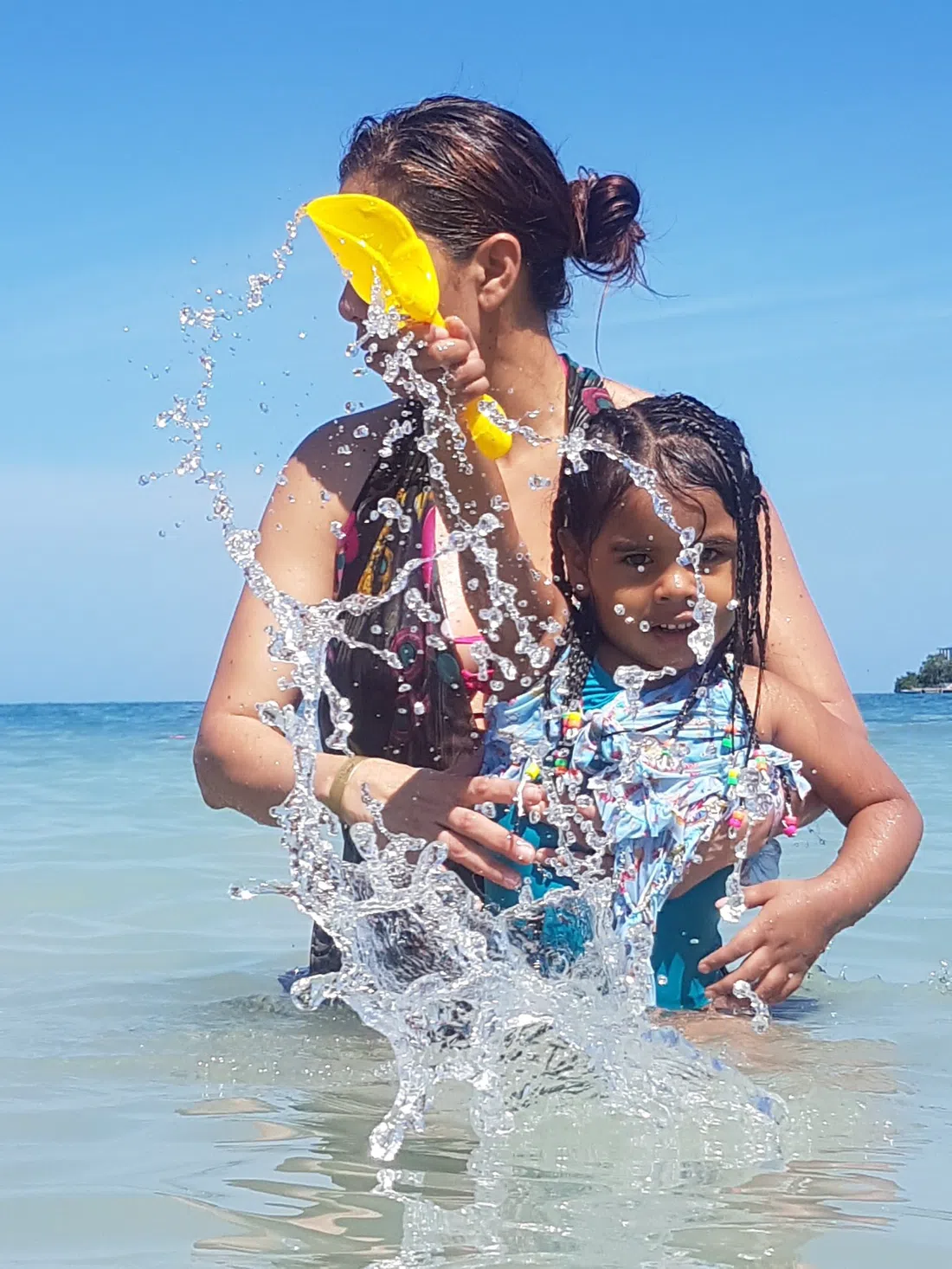
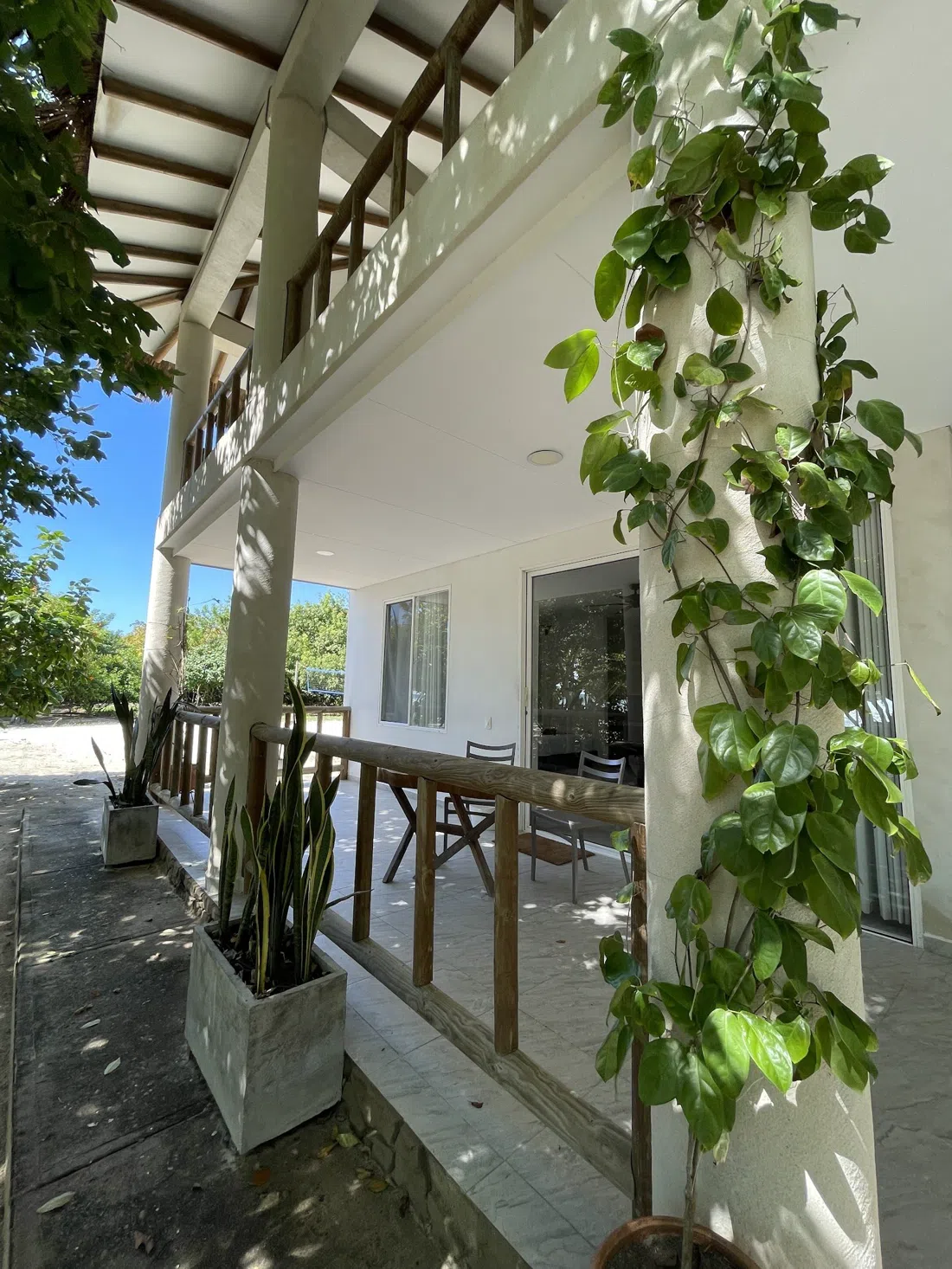
If you'd rather skip the boat queue at Muelle de la Bodeguita entirely, Sabai Beach Club is reachable by land and sells day passes at $129 per person including port tax and lunch — a solid alternative for readers chasing that postcard Playa Blanca sand without a second boat leg tacked onto an already long day. It costs more than Islabela's package, but you're paying to cut out a transfer, not for a materially different beach experience.
Turning the Day Trip Into a Night
The mistake most visitors make is treating the Rosarios as a single day. The better version keeps the same boat and lunch logistics but adds a bed.
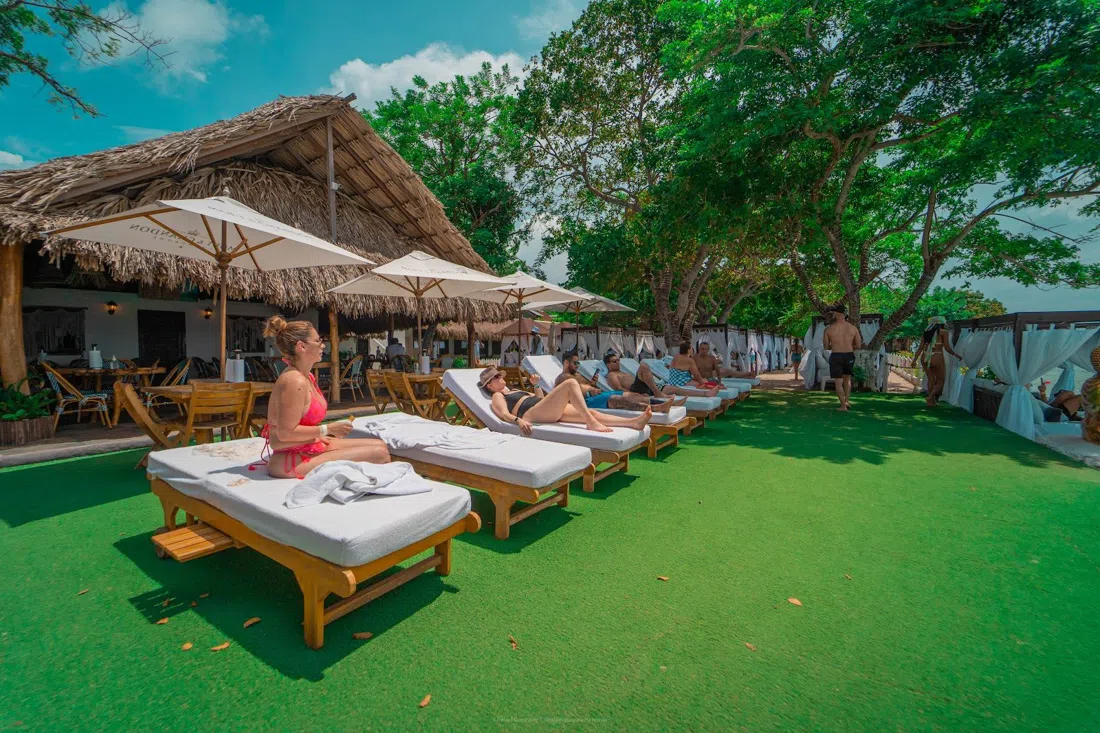
Bora Bora Beach Club is the rare spot that lets you do both without switching islands: it takes day-pass crowds same as any other club ($90–130 per person), but it also has six cabins, each sleeping up to three people, plus VIP zones sized for groups of four to twelve. Book the day pass, like what you see, and you can often convert straight into a cabin stay for $150–250 a night rather than packing up and moving to a different island. It's a genuinely group-friendly operation top to bottom — fine for a mixed crowd of couples and friends, less suited to travellers who came for real privacy.
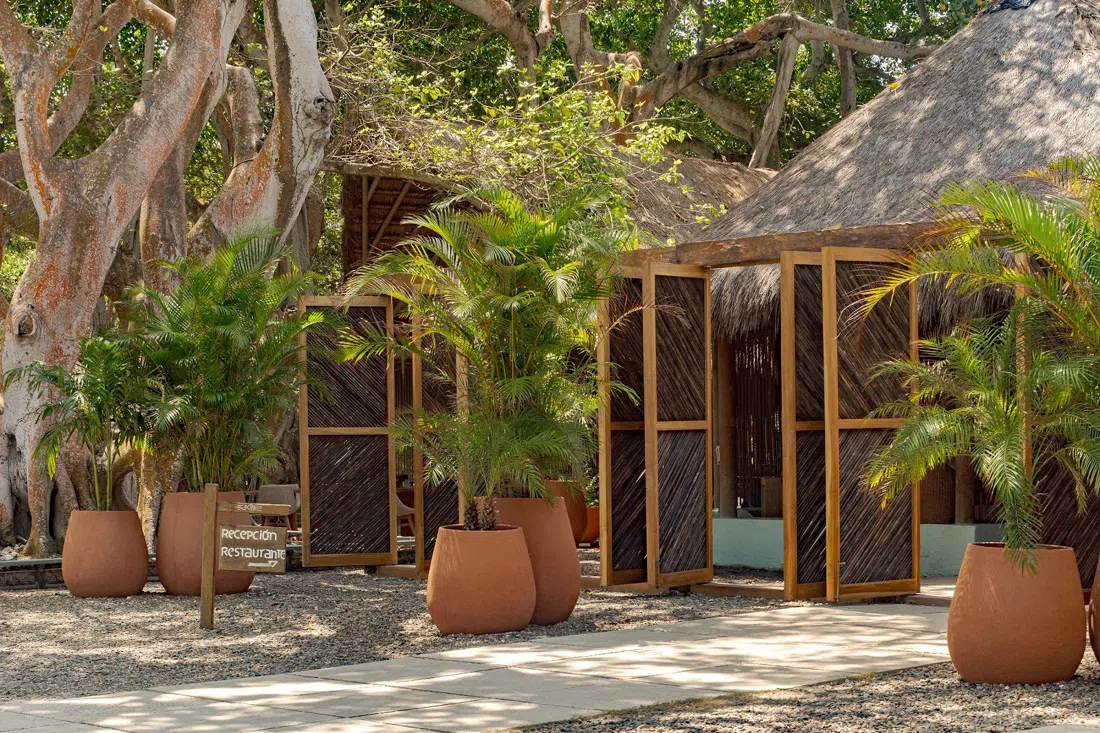
For that, Hotel San Pedro de Majagua is the better call. It's the most polished stay in the archipelago — the closest thing here to a design hotel, with rooms running $150–300 a night. It does take groups and events, so check what's on the calendar before you book if quiet is the whole point, but it also sells a day pass to non-overnighters, which makes it a useful preview: spend an afternoon there on the day-pass rate before committing to a night, and you'll know within an hour whether the property matches the photos.
The Second Day: Families, Romance, and the Splurge
With the crowds gone and the day boats not yet arrived, the second morning is where the Rosarios actually earn the trip.
Cocoliso Island Resort is the pick for anyone travelling with kids — a playground and pool sit alongside the beach, and it runs both a day-pass buffet lunch ($90) and full overnight stays ($150–280 a night) for families who want resort infrastructure rather than a bare-bones cabin. It's built for that specific traveller and doesn't pretend to be anything more exclusive.
Coralina Island (branded Isla Marina, a smaller key toward the edge of the archipelago) is the opposite instinct — a boutique, romantic lodge that books as couples or small groups, with private docks running straight into swimmable water. Whole-island charters are possible if you want the place entirely to yourselves. Rooms run $200–350 a night, and this is not where you bring a stag party; it's priced and built for exactly the trip its reputation suggests.
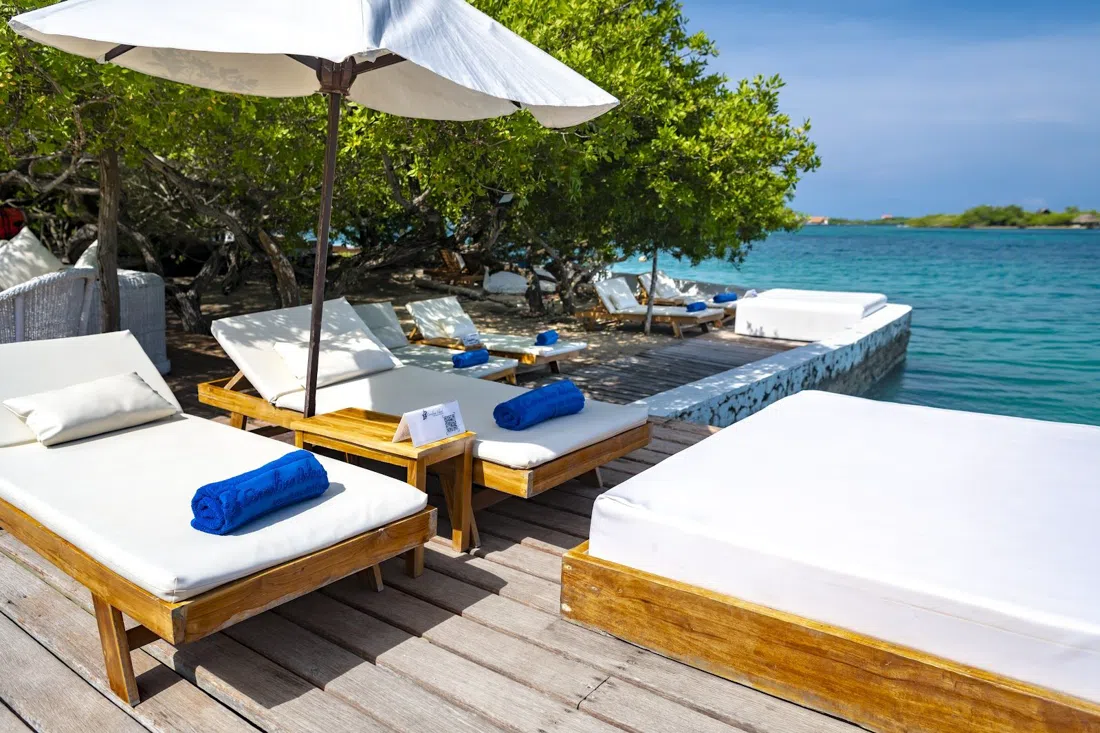
At the top of the range is Hotel Las Islas — technically on Barú rather than the Rosario archipelago proper, but part of the same national park and the same boat circuit, so it belongs in any honest plan of this coastline. It's Michelin-Guide-listed, has the only proper dive center on this stretch of coast, and handles small groups and events alongside its main business. Rooms run $600–1,500-plus a night, though a day pass from $79 gets you onto the property without the full commitment — worth doing just to see the dive operation and decide whether a return trip is warranted.
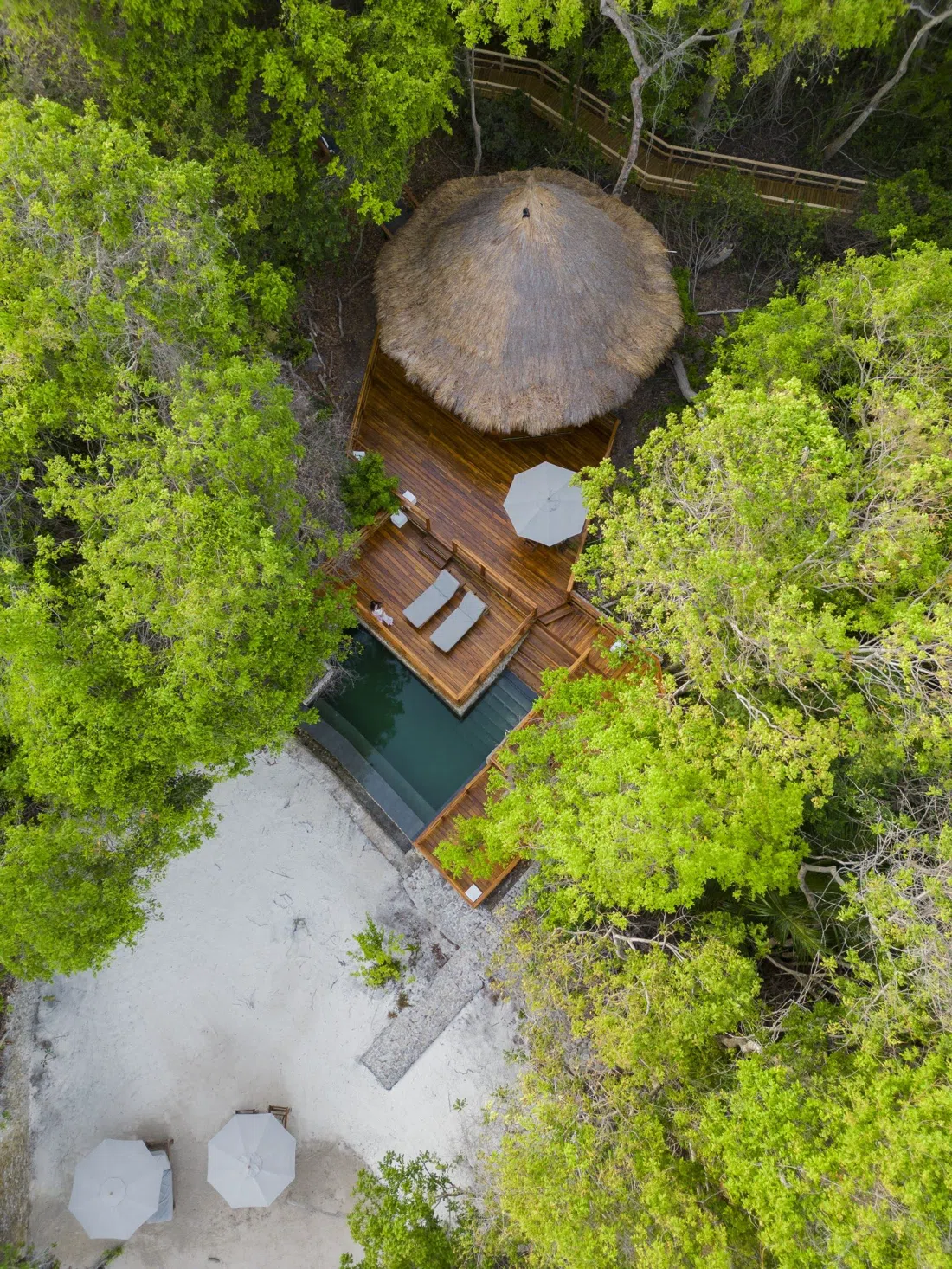
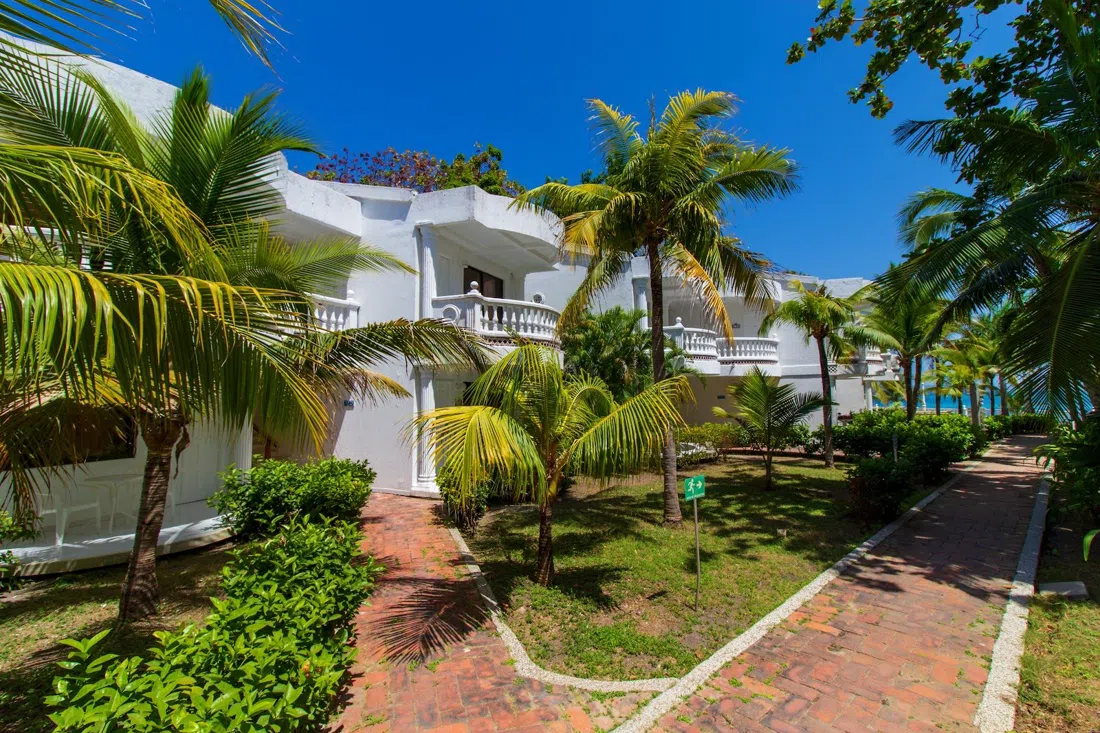
For a more conventional option, Hotel Rosario de Mar by Tequendama runs $120–220 a night and explicitly hosts corporate, sports, and social group events — a reliable branded fallback if you'd rather book a known hotel group than an independent lodge, though it trades some of the archipelago's rustic character for that reliability. It's a sensible middle choice for travellers who want predictability over atmosphere.
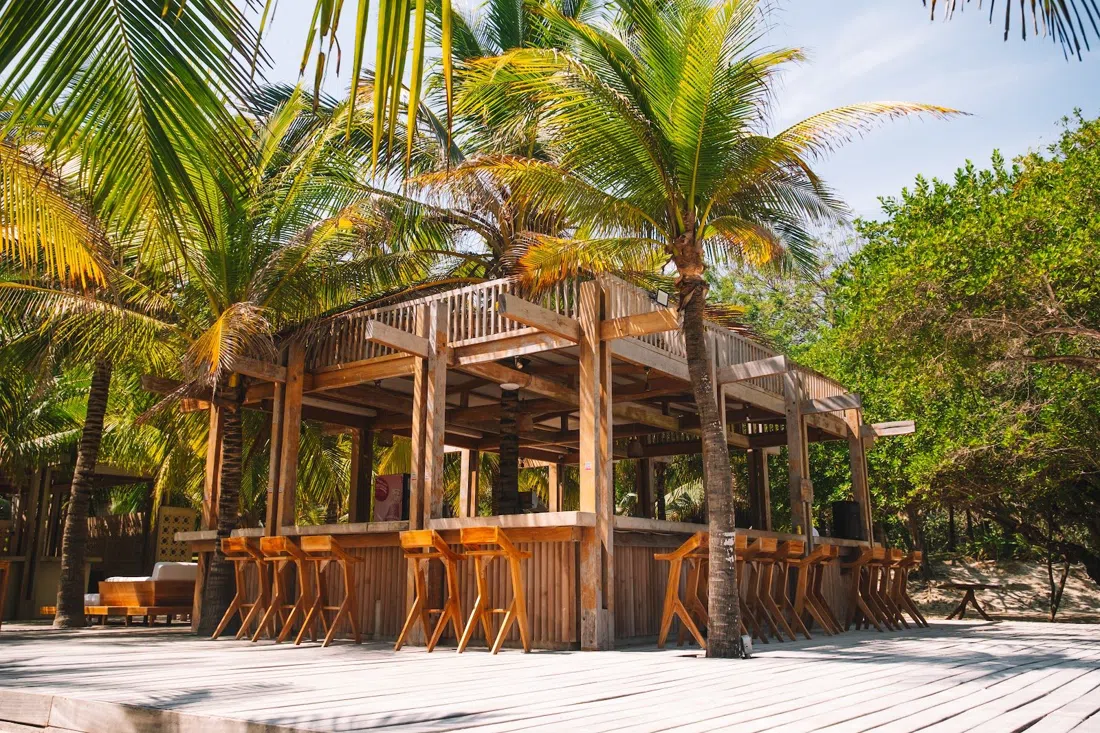
Isla Grande at Dusk
Save the quietest hour for Isla Grande, the largest island in the group and the one entry in this piece that isn't a resort. Its mangrove channels are best paddled at dusk, once the day-trip boats have cleared out and the water goes still. This isn't a walk-up activity — arrange it through your overnight lodge, usually as a small-group or private guided kayak or canoe tour for $20–40 per person on top of your stay. It's the direct counterpoint to the speedboat gauntlet you started with: no wristbands, no queue, just mangrove roots and whatever bird life is still awake. If your 48 hours has room for only one activity beyond lying on a lounger, make it this one.
Practical Notes: Transport, Cash, Timing, Budget
Getting there: every route to the Rosarios starts at Muelle de la Bodeguita on Cartagena's Old City waterfront; boat operators sell tickets separately from the dock's park entry, and most day tours run one round-trip crossing rather than an on-demand shuttle, so lock in your return time before you leave the dock.
Cash: bring it, in small denominations. The national park fee at the dock is typically cash-only, and island-side extras — a paddle add-on at Isla Grande, a second drink at a beach club, tipping boat crew — move faster with pesos in hand than with a card that may or may not have signal to clear.
Timing: mornings belong to the big group circuits (CEINER's roughly 9am–1pm window effectively sets the tempo for everyone doing the classic loop); afternoons thin out as day-trippers head back to the mainland; and the hour around dusk, once the last boats have left, is when an overnight stay actually pays for itself. Two days is enough to do the classic loop once and still get a private morning to yourself.
Budget: a bare day trip with lunch runs roughly $50–130 per person before extras. Add a night on the islands and you're looking at anywhere from around $150 for a simple cabin to $1,500-plus for Las Islas' top rooms, depending on how much comfort you want. If you're basing yourself in the city either side of the crossing, start with a Cartagena hotel search — and for everything else worth doing on land, the full Cartagena guide covers the rest of the trip.