The Cartagena issue
Day Trips Out of Cartagena That Earn a Longer Stay
Sixteen ways out of the walled city, ordered by how far you have to go, with what each one really costs you in hours and pesos.

By Sanne VermeerWalls, courtyards and the slower Cartagena
By the fourth morning the walled city starts to repeat itself: the same bougainvillea over the same balcony, the same fruit sellers arranging papaya in the same hard light. That is not a complaint; it is a useful signal. Cartagena's depth sits an hour or two outside the ramparts, in a town founded by people who freed themselves, in mangrove channels behind the hotel towers, and on islands where the water finally turns the colour the pictures promised.
A longer stay works better when you treat the walls as a base and spend the days outward. What follows is grouped by distance and by what each trip costs you in hours, because that is the decision you are really making over breakfast. If you are still working out where to sleep, the Cartagena guide covers the districts.
Within an hour of the ramparts
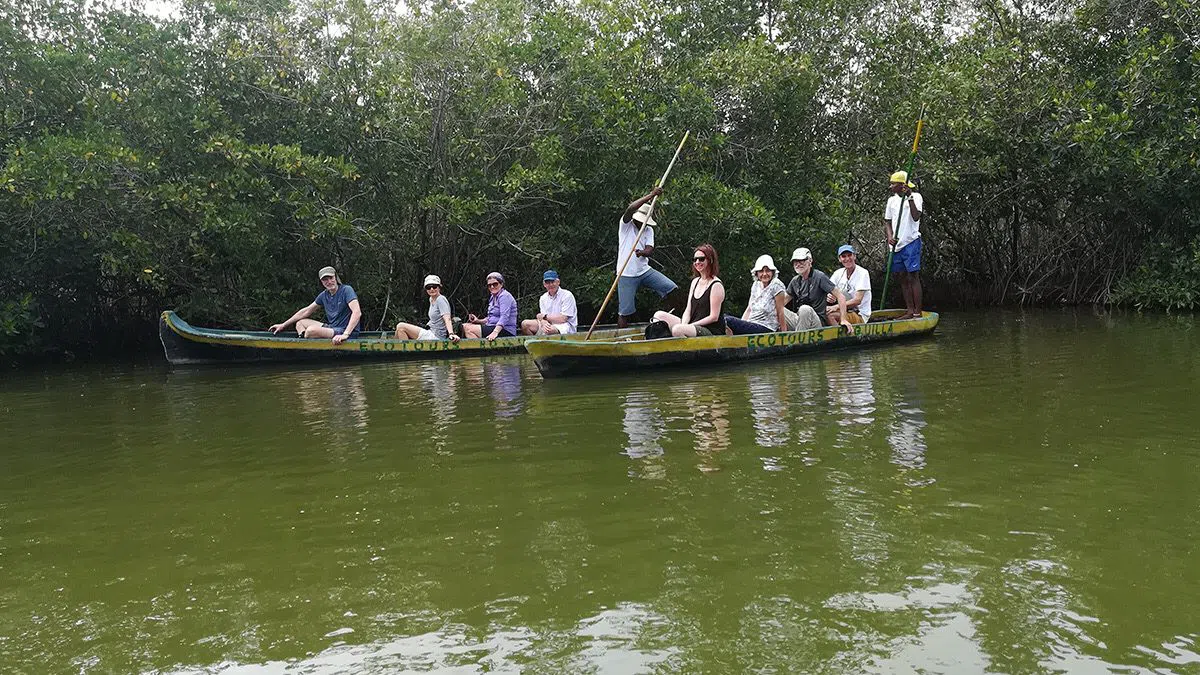
La Boquilla mangrove canoes (La Boquilla, the fishing village at the top of the hotel strip) is the closest thing on this list to a day trip, and the one most people skip because it looks too easy. The village sits on the Ciénaga de la Virgen, an Afro-Caribbean fishing community minutes from the modern towers, and the canoes are paddled by guides who have lived there their whole lives. Three hours costs roughly $30 to $60 USD per person, with hotel pickup from Centro or Bocagrande usually included and lunch versions priced higher. Groups are fine: the boats are small, so a party of ten simply splits across several canoes and reconvenes in the channels. Go early. The birds are working then, the mangrove tunnels still hold shade, and by eleven the light is flat and the heat is not.
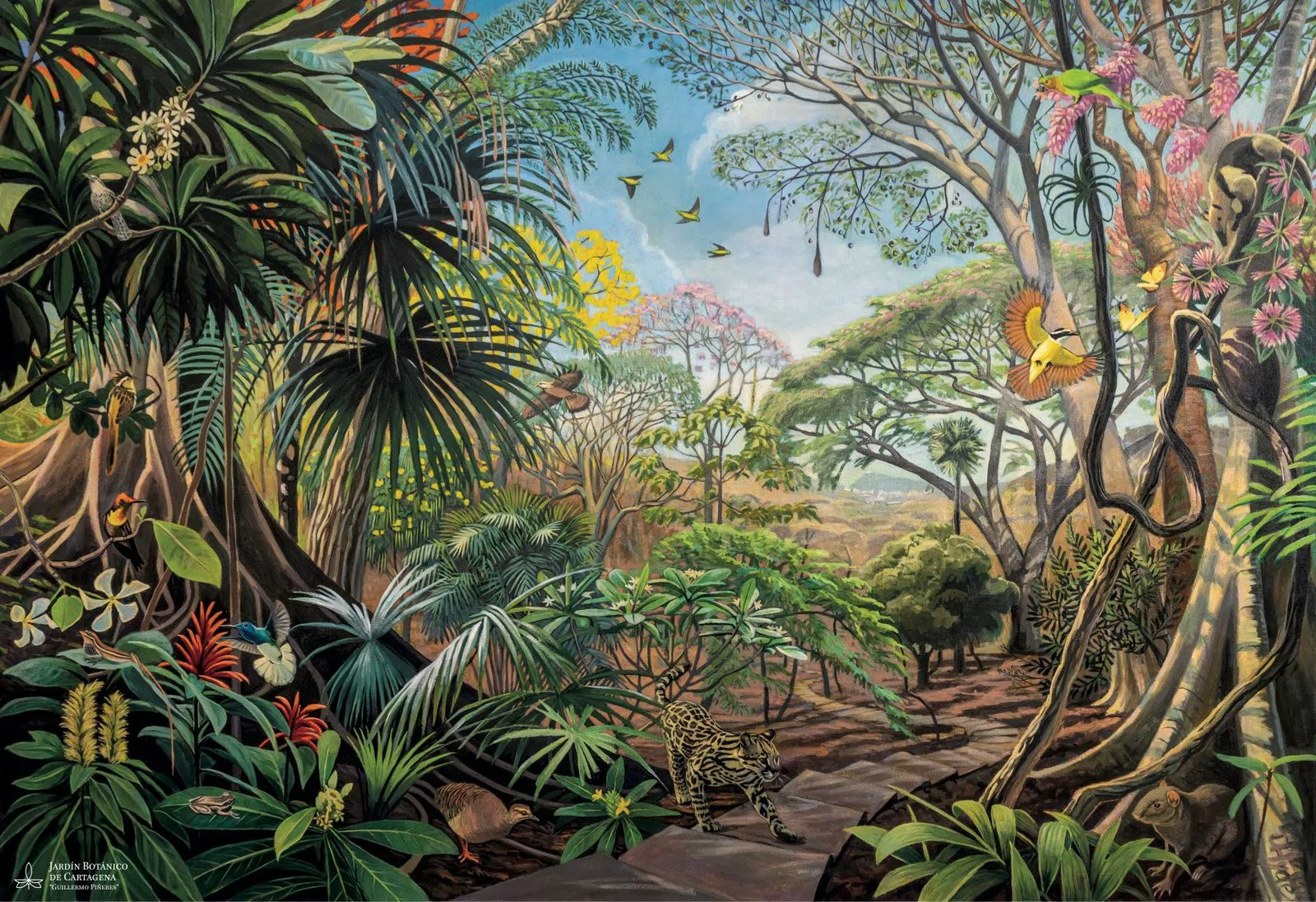
Jardín Botánico de Cartagena "Guillermo Piñeres" (the hills southeast of the city) is the quiet counterweight to everything else here. Over 300 living species grow across it, including one of the last patches of virgin native forest left on the Colombian Caribbean, which is a rarer thing than the entrance fee of a few dollars suggests. Opening hours run roughly 8am to 4pm, and it closes one weekday, so confirm which the day before you set out; it is a long taxi ride to a locked gate. The garden takes school and tour groups on booked visits, but this is not a place for a loud party. If half your group wants a beach club, send them to the beach club and come here with the half that doesn't.
Plan your Cartagena trip
Live prices from our booking partners.
Free cancellation on many rooms. We may earn a commission when you book.
The Barú road and the beach everyone means
Playa Blanca, 45 to 55 minutes by road on Isla Barú, is genuinely the postcard beach. It is also relentless. The public stretch is worked hard by vendors, and the difference between a good day and a day spent politely refusing things is usually a beach club pass.
Bora Bora Beach Club (Playa Blanca, Isla Barú) is the loud, easy answer. Day passes run about $90 to $117 USD per person including transport and lunch, sold to couples, families and friend groups alike, and the atmosphere is unapologetically a party. For a large mixed booking, the kind where nobody agrees on anything, it is the simplest thing to point at.
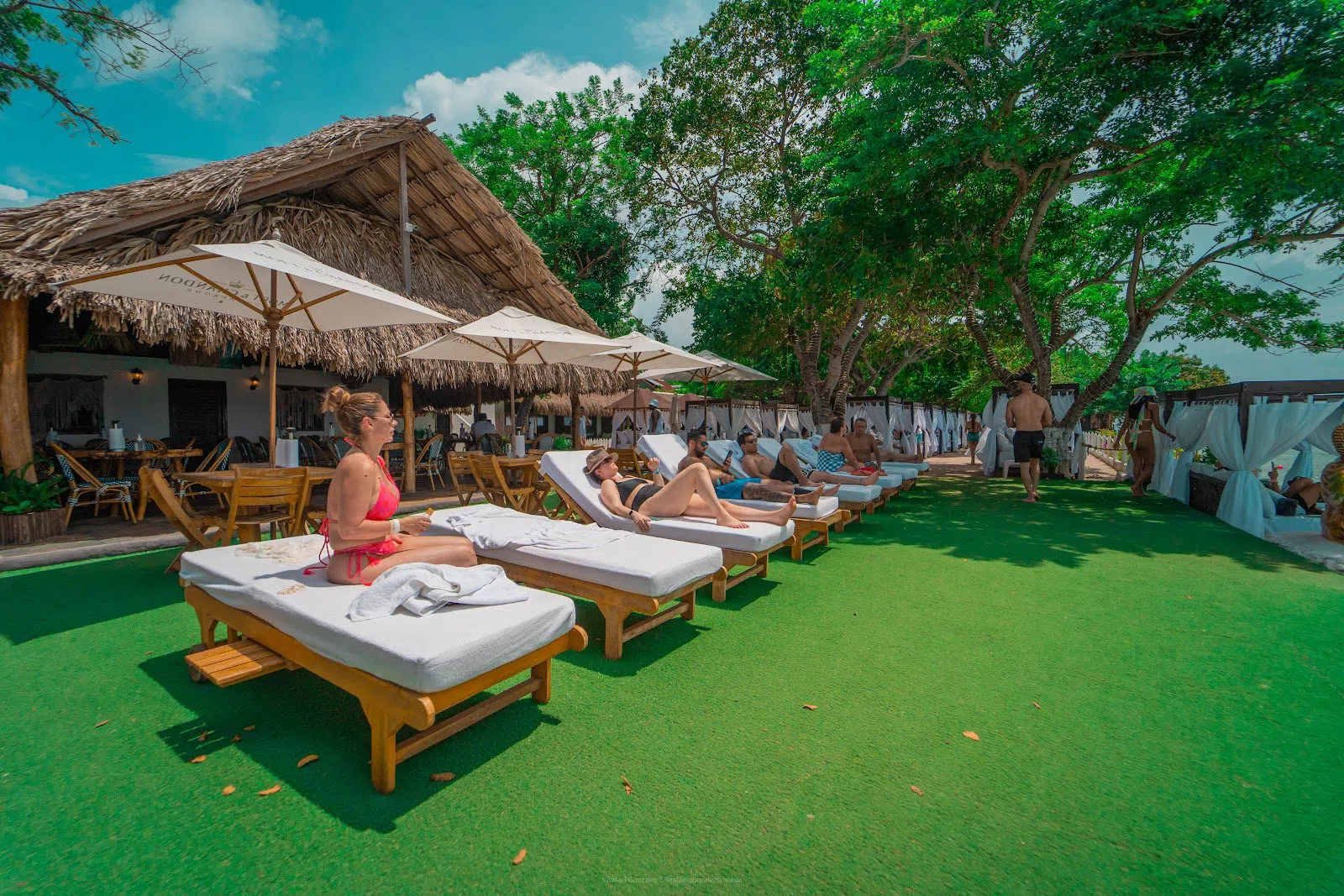
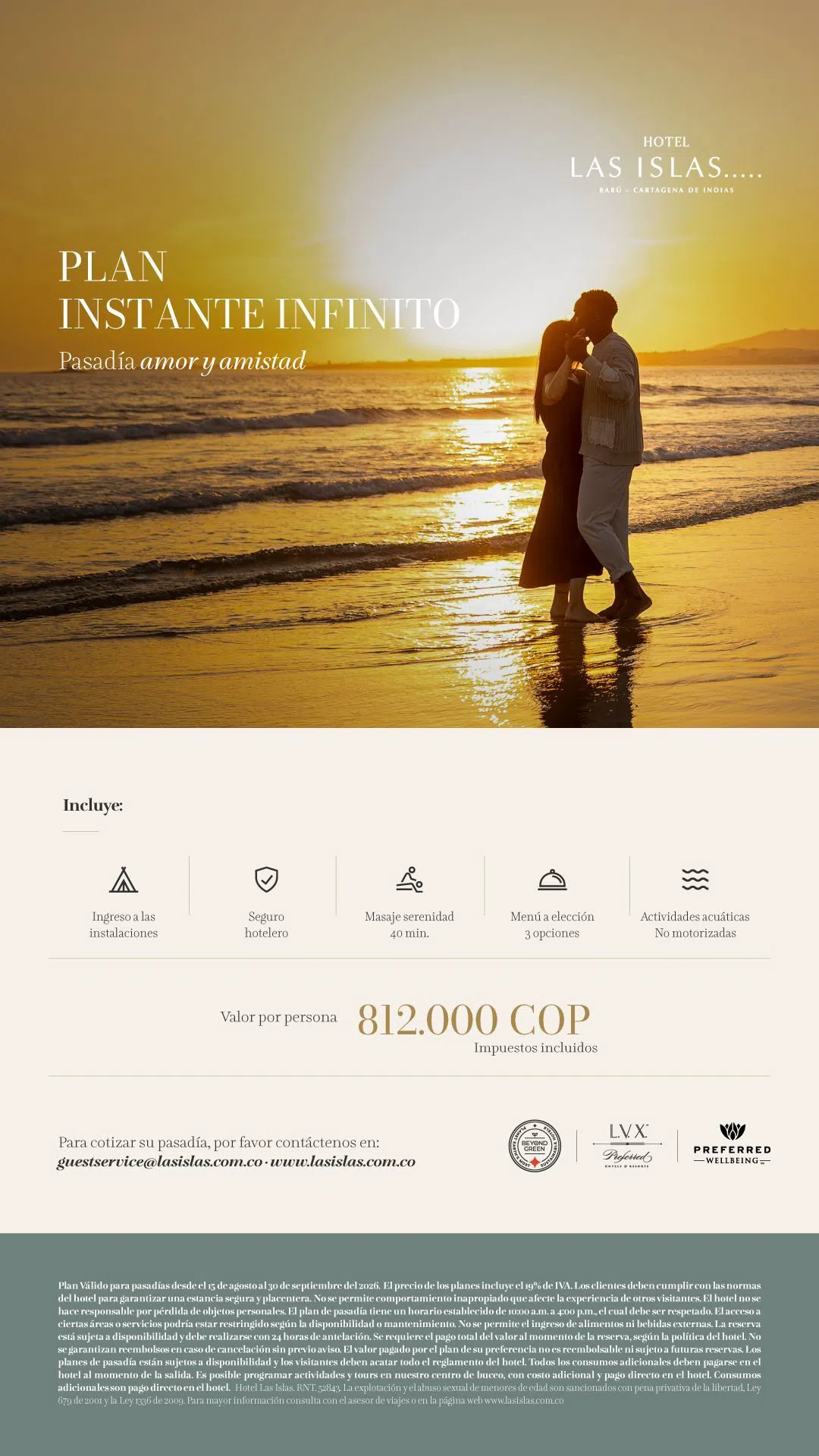
Hotel Las Islas (Isla Barú) is the opposite kind of day. The hotel serves day visitors to the same standard as staying guests across several pass tiers, from around $79 USD, with premium tiers considerably higher. It carries a MICHELIN Guide listing and Beyond Green certification, and the mood is quiet by design, which makes it the right answer for anyone who tried Playa Blanca and found it exhausting, and the wrong one for a boisterous twenty. Check availability directly with the property, because day-pass dates are released in blocks rather than sold all year.
Aviario Nacional de Colombia (Isla Barú, about 50 minutes from the city) holds nearly 2,000 birds across more than 160 species along a one-way route through 21 exhibits, which absorbs large parties without ever feeling like a crowd. From 1 September 2026, foreign adult entry is 90,000 COP and children and students 65,000 COP, roughly $22 USD, with parking at 10,000 COP and an agency portal for tour operators. The 20-minute free-flight presentations at 11:30 and 15:30 are the natural meeting points if your group scatters. It closes around 3:30pm, so treat it as a morning and pair it with a Playa Blanca afternoon rather than stretching it into a full day.
Half a day across the bay
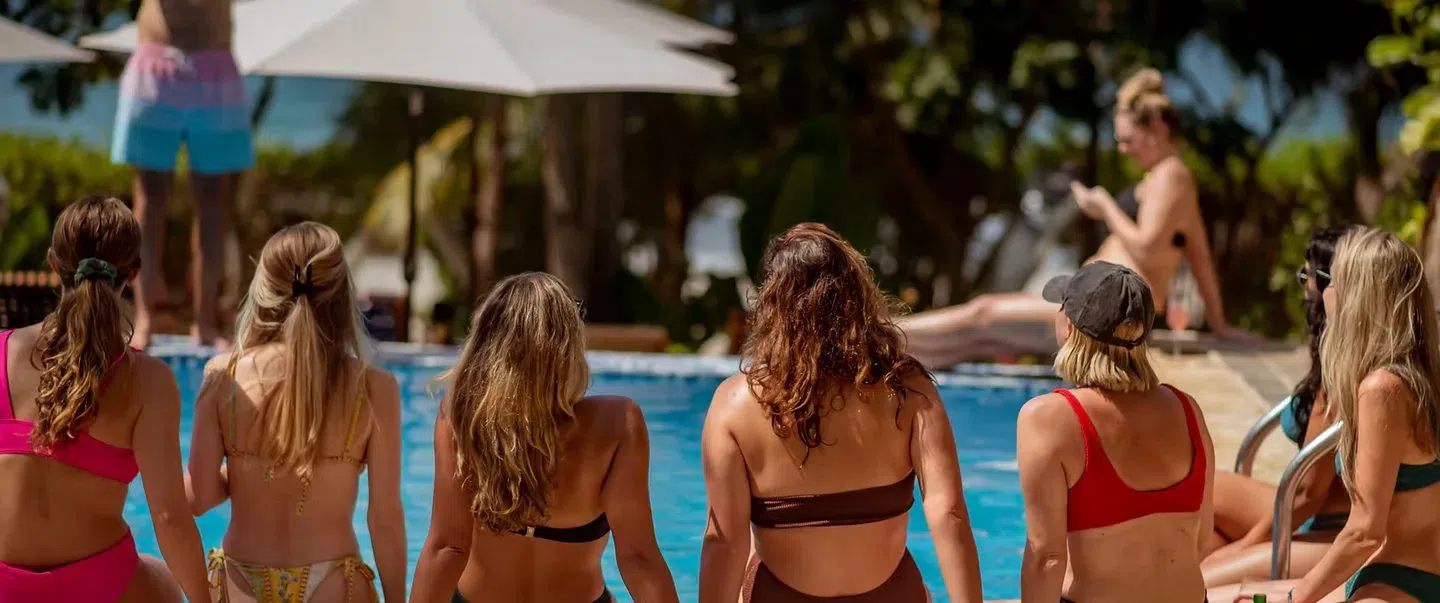
Blue Apple Beach (Tierra Bomba, 20 minutes across the bay) is Cartagena's original beach club and the one that fits when a full island day won't. Day passes run seven days a week, around $55 USD basic, about $80 for the upgraded package with lunch, dessert, towel and a short massage. Boats leave Muelle de la Bodeguita at 10:00 or 12:00 and return at 16:00 or 17:30; the sailings are fixed, so a group has to commit to the same boat in both directions. One honest warning: the sand is volcanic grey, not white. People arriving with Playa Blanca in their heads are always briefly disappointed, and then they get in the water and forget about it.
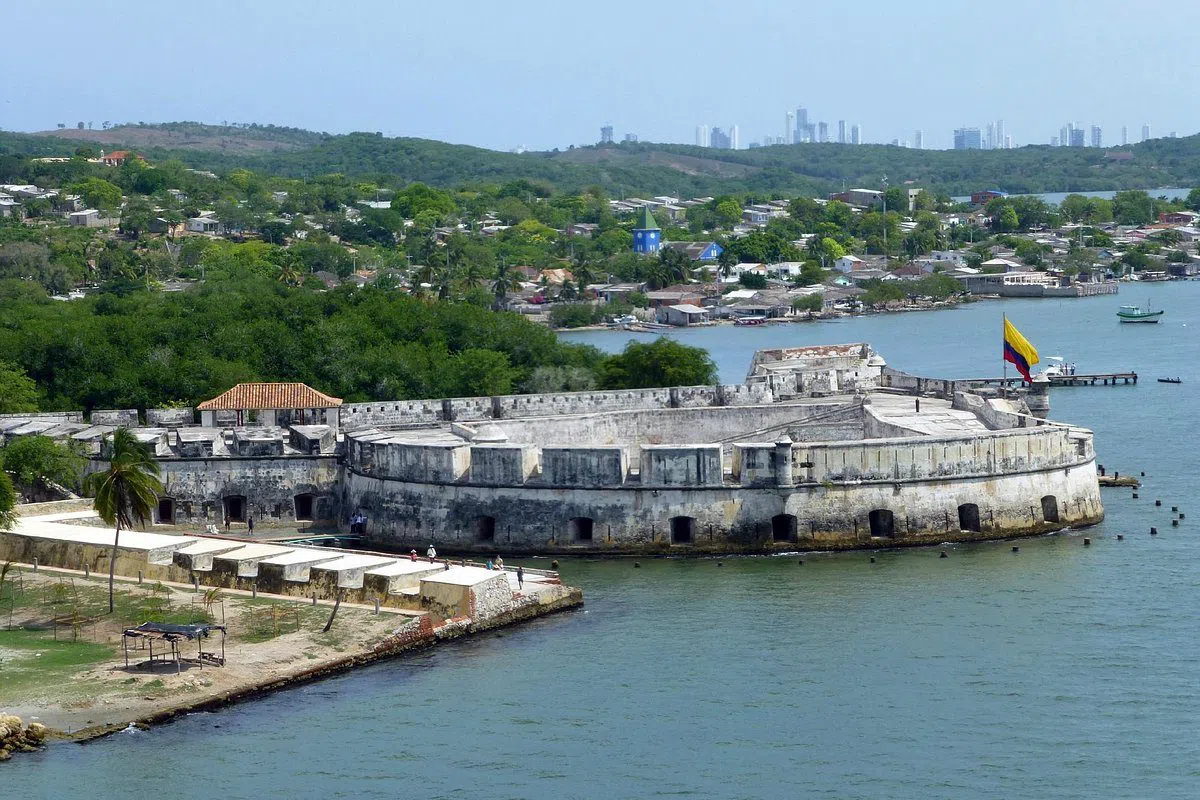
Fuerte de San Fernando de Bocachica (Bocachica, Tierra Bomba) is the trip I would push hardest on anyone with a second week. This is the 18th-century fort that closed the southern mouth of the bay against the British and the French, and you can walk its tunnels rather than read about them. Entry is 25,000 COP, about $6 USD, with the boat extra (water taxis take a boatload at a time, roughly 30 minutes each way), or bundled into full-day Tierra Bomba tours with beach and lunch. Guided walking tours inside the fort work well for groups, and there is an explanatory film. It is far emptier than Castillo San Felipe, which is the whole point.
The islands that justify the boat
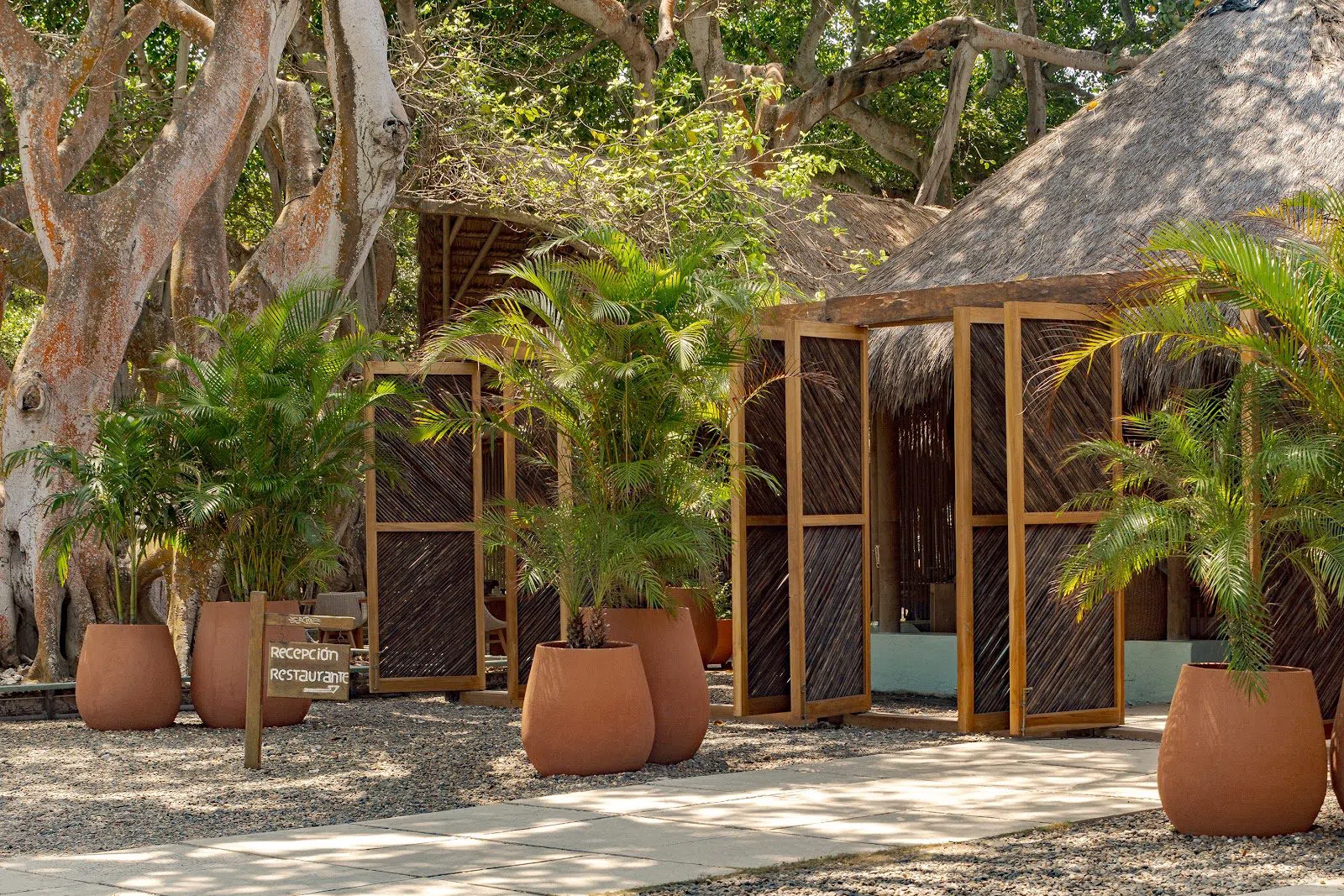
Hotel San Pedro de Majagua (Isla Grande, Rosario Islands) is the calmest way to see the Rosarios. Instead of the four-stop speedboat circuit, you get one island for the entire day, and lunch is a proper sit-down whole fish rather than a voucher redeemed at speed. Four tiered plans (Silver, Gold, Diamond and a children's option) start from around 420,000 COP per person, plus a mandatory 31,500 COP dock tax paid in cash at the pier. That tax catches people out constantly, so carry pesos. Shared speedboat transfers make it straightforward for a group, but seats are the constraint, not tables; book ahead.
Laguna Encantada (Isla Grande) is the one that depends entirely on the sky. The bioluminescent plankton are there year round, but they only really show on the darkest nights, so plan around the new moon and skip it outright if the moon is bright. A disappointed hour in a canoe is still an hour in a canoe. An hour's tour costs about 100,000 COP, roughly $25 USD, booked on the island through a hotel or a community operator, or bundled into island trips. Boats are small wooden canoes with local guides, so parties get split. This is a reason to stay overnight on Isla Grande rather than something to attempt from the city.
Isla Múcura (Islas de San Bernardo) is the long day. Group tours leave around 7am from the Santa Cruz pier in Manga, boats carrying anywhere from 8 to 30 passengers depending on the operator, with private charters available. Expect $80 to $140 USD per person including boat, island entry and lunch, and more than two hours each way on the water. The reward is water clearer than the Rosarios, and a stop at Santa Cruz del Islote, one of the most densely populated islands on earth: a stack of houses on a rock the size of a couple of football pitches, unlike anything else on this coast. If the sea is up, skip it. Four hours of slamming into swell is not a day out.
Inland, where the money lands differently
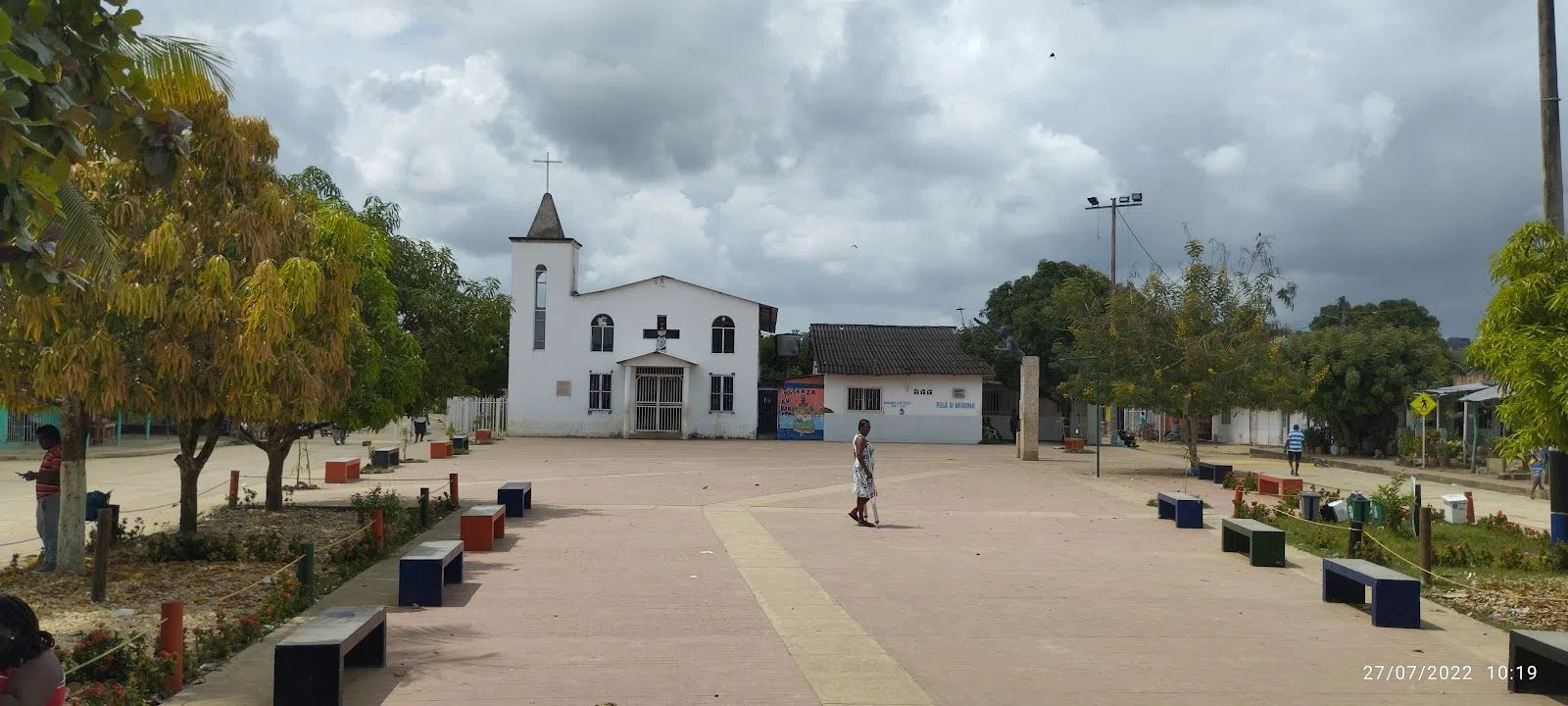
San Basilio de Palenque (about 1h20 inland) is the trip that will stay with you longest. It was the first free town in the Americas, founded by people who escaped slavery and held their ground, and it is UNESCO-listed for its language and its drum traditions. Community-led visits handle vans of 10 to 20 comfortably (the music performance, the artisan workshop and the communal lunch all scale to the party), and private visits are available for couples. Shared tours run about $45 to $90 USD per person including transport, guide and lunch, roughly six hours door to door. Go with a certified guide rather than driving yourself. The value here is entirely in who is talking to you, and the money goes straight into the village.
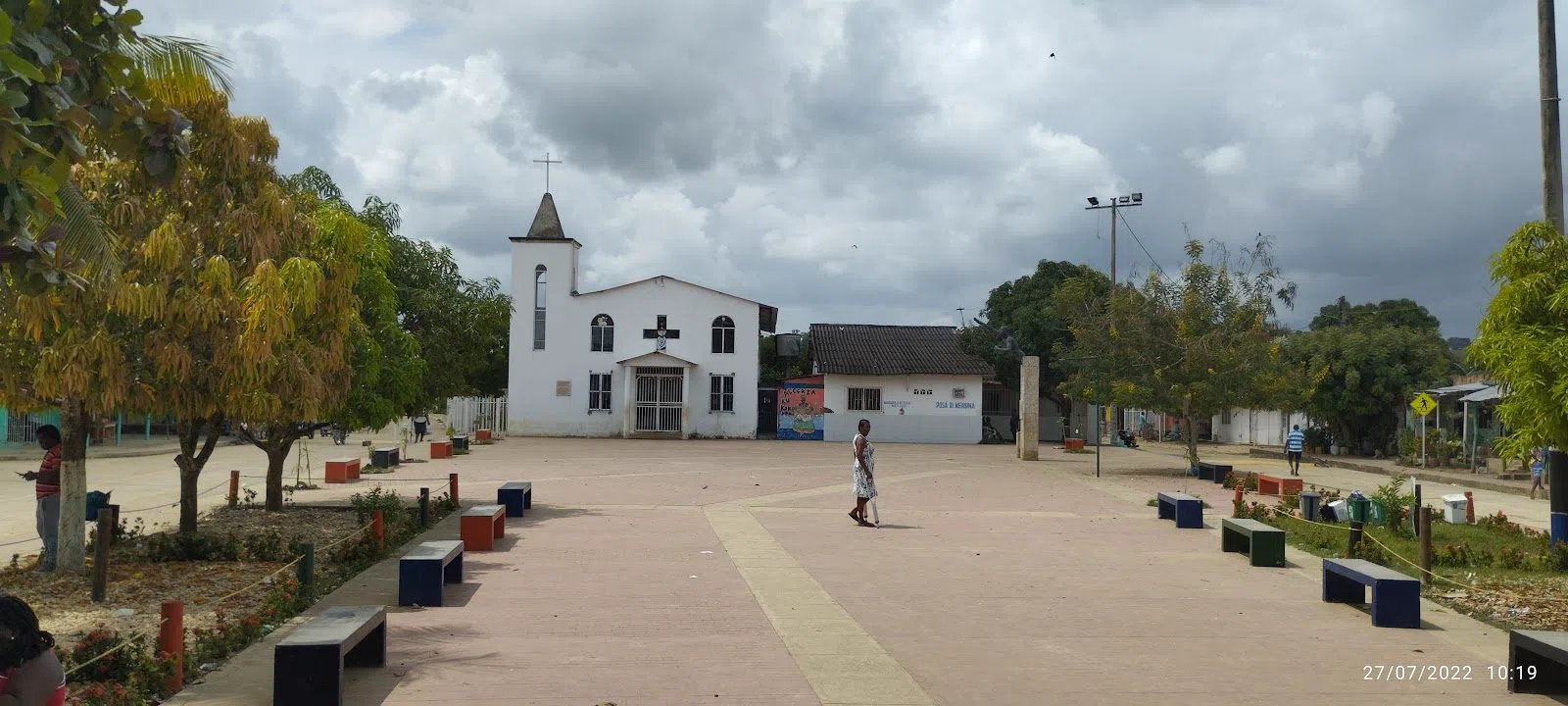
San Jacinto (about two hours inland) is where the Colombian hammock comes from, and where gaita music does too. Zenú weavers work there with natural dyes, and the Olivia Carmona living-museum workshop runs hands-on weaving sessions that are built for groups rather than tolerated by them. Full-day guided tours stack weaving, chocolate and gaita workshops with a Caribbean lunch for roughly $60 to $100 USD per person including transport. Buy your hammock here rather than in the walled city: it costs a fraction of the Centro price and the money reaches the person who made it.
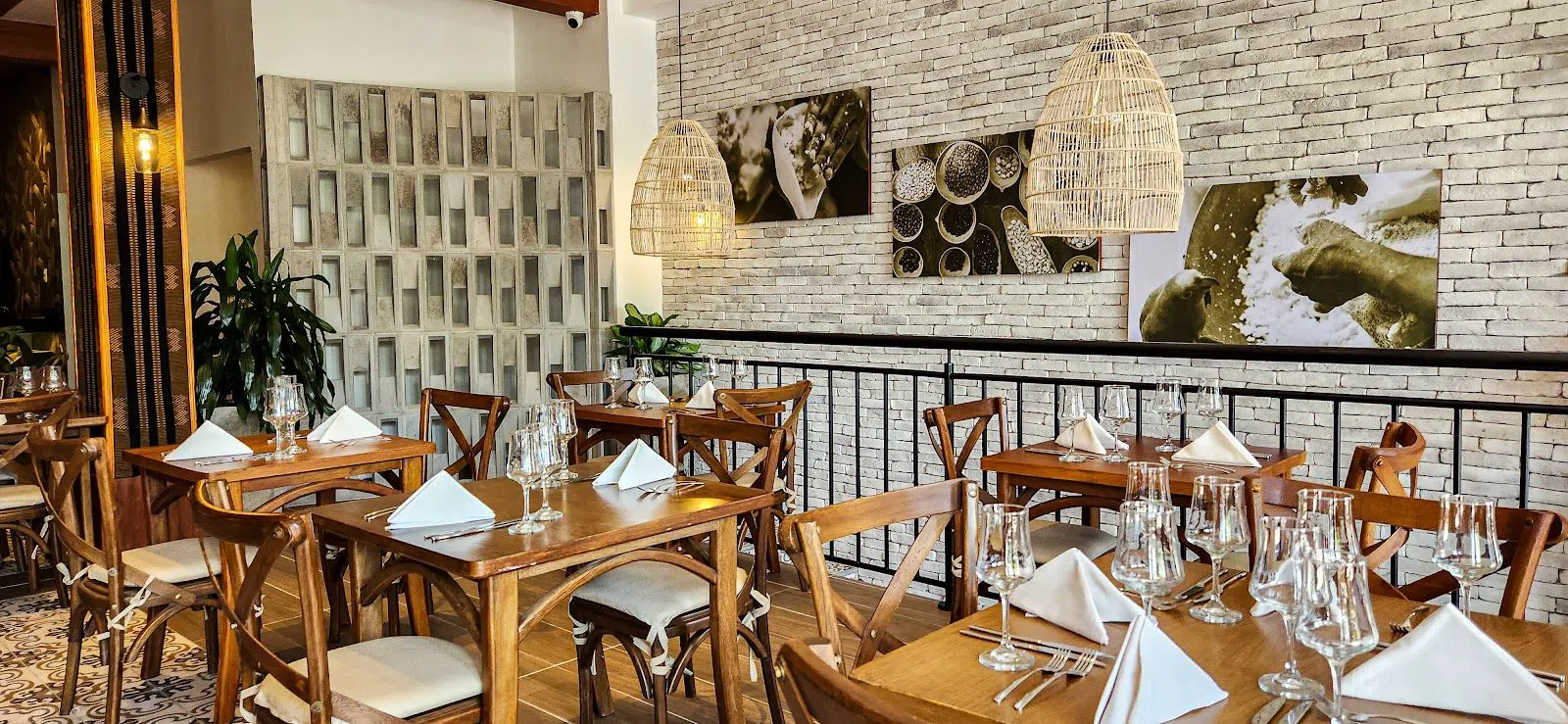
Mud, salt and managed expectations
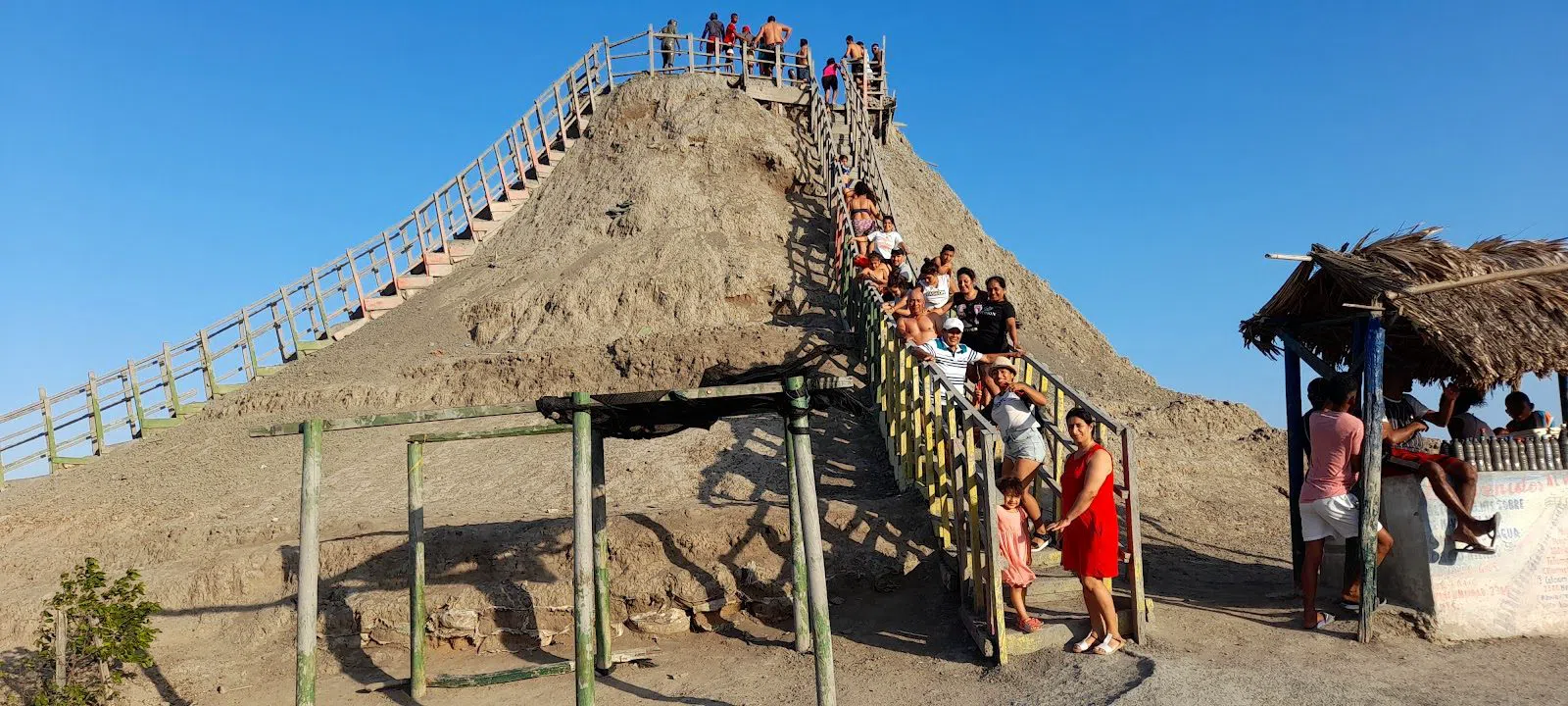
Volcán de Lodo El Totumo (Santa Catalina, 52km northeast) is silly and everybody enjoys it. You climb a small cone, lower yourself into warm grey mud, float in it, then rinse off in the lagoon below. It is about 1.5 hours each way for a four-hour round trip; shared tours run $35 to $45 USD, small-group or private $50 to $65, with site entry and the experience included. The standard half-day shuttle is a coach run, and since the crater holds only a dozen or so bathers at a time, larger parties rotate through. Carry small notes. The masseurs, the photo-takers and the women who rinse you off in the lagoon each expect a separate tip, and that, not the mud, is the friction on this trip.
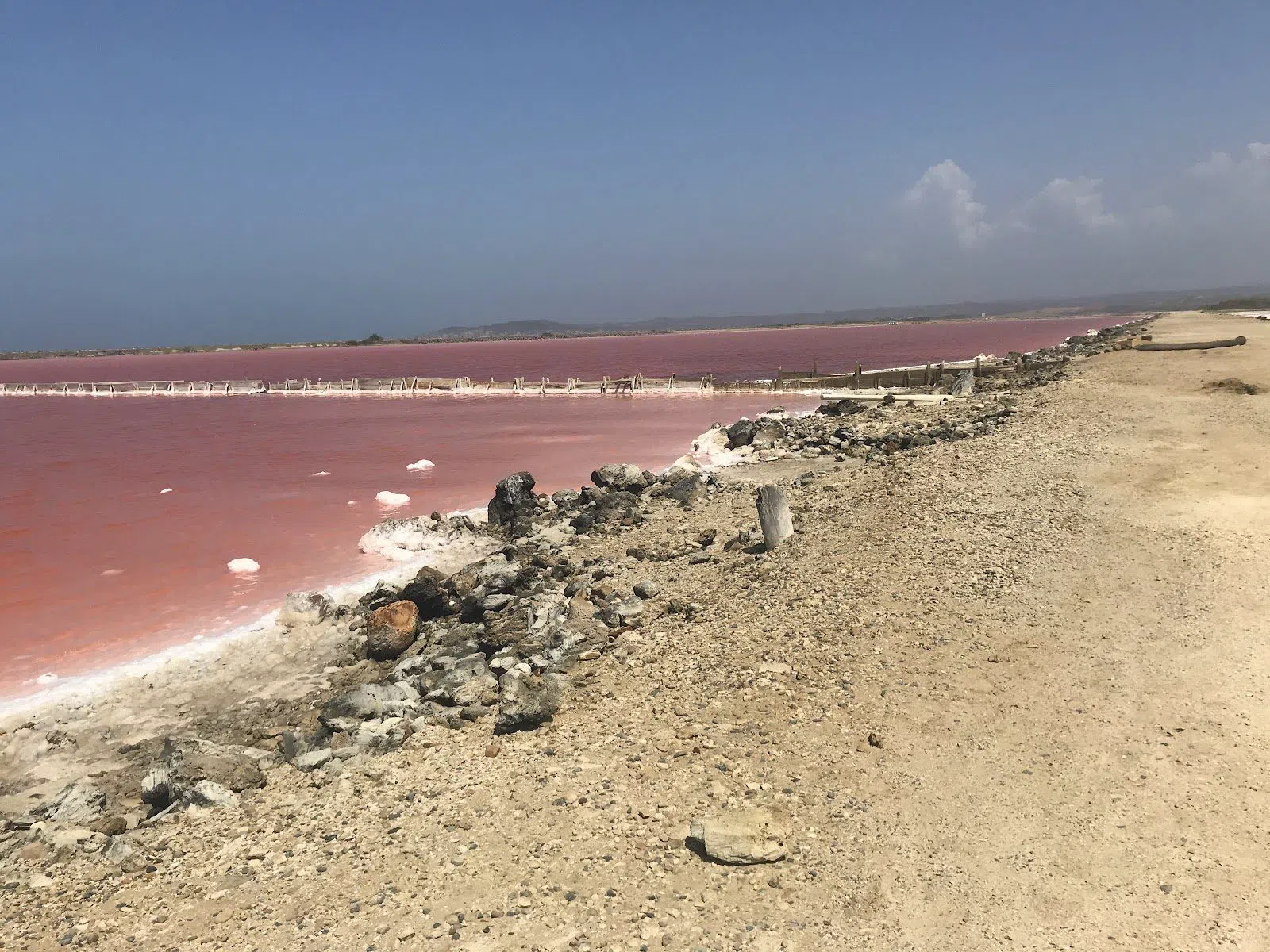
Salinas de Galerazamba is almost always sold alongside it, which is the correct way to do it. The salt flats turn pink depending on salt concentration and weather, strongest from December to April and peaking in February and March, weakest around August and September. Budget $30 to $55 USD as part of a shared tour, or a modest site entry if you arrive independently; taxis will wait an hour or two. Treat the colour as a bonus rather than a promise, and do not drive out for it alone.
Two nights up the coast
Santa Marta is four to five hours along the coast, which makes it an overnight or two-night move rather than a day trip. Shuttle buses run every 15 to 20 minutes with no reservation needed, around 40,000 COP each way (about $16 USD), and there is accommodation at every level. The in-town anchor is the hacienda where Simón Bolívar died, open daily from roughly 9:00 to 17:30, and it is a strange, quiet place to stand in.
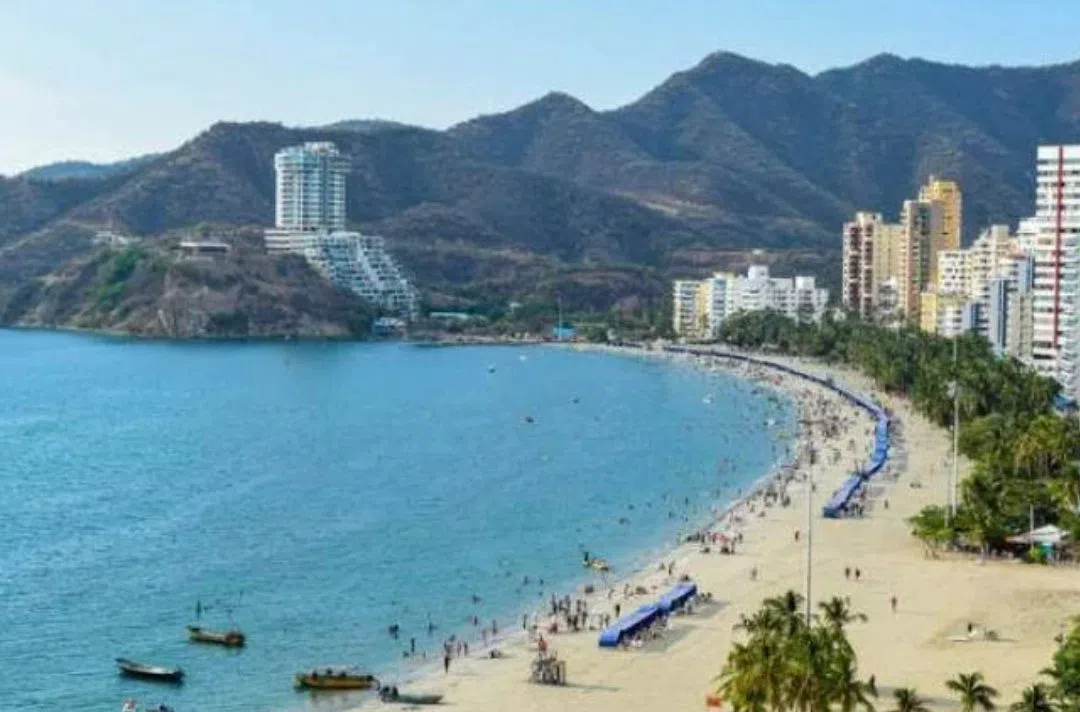
It is also the base for Parque Nacional Natural Tayrona, which is reached from there and not from here. Do not let anyone sell you a Tayrona day trip from the walled city. Foreign adult entry is roughly 80,000 to 90,000 COP plus transport, daily visitor limits cap admission, and groups queue at the Zaíno or Calabazo gates, so buy online and arrive early because the cap genuinely bites in high season. The park also closes three times a year for indigenous spiritual cleansing (1 to 15 February, 1 to 15 June, and 19 October to 2 November), and it shut unscheduled for several weeks in early 2026 on security grounds before reopening in March. Check the Parques Nacionales page before you commit to dates.
Practical notes
Carry pesos in small denominations for every one of these trips. The Majagua dock tax of 31,500 COP is cash-only at the pier, El Totumo runs on a chain of small tips, and the inland workshops are the one place where paying in cash directly is the point.
Most road trips leave between 7am and 9am and return mid-afternoon; boats to the far islands leave around 7am and are non-negotiable. The aviary shuts around 3:30pm and the botanical garden around 4pm, so both are morning propositions. The bioluminescence needs a dark moon, and the salt flats want the December to April window.
Barú and Santa Catalina are road trips; Tierra Bomba, the Rosarios and San Bernardo are boats. Fixed sailings mean groups travel together or not at all. Santa Marta is the shuttle bus, every 15 to 20 minutes, no booking.
Reckon on $30 to $60 USD per person for the close, community-run half-days, $80 to $140 for the full island days, and around $22 for the aviary. A quiet Barú day pass starts near $79; a party one runs $90 to $117.
All of this works from one hotel. You do not need to move rooms for anything except Santa Marta and a night on Isla Grande. Compare rates and locations through the Cartagena hotel search before you lock in a long stay, and favour somewhere with an early breakfast. Nearly every good day here starts before seven.
Before you go
How many days do I need in Cartagena to fit the day trips in?
Three days covers the walled city itself. Beyond that, each escape here eats most of a day: the close ones (La Boquilla mangroves, the botanical garden, Bocachica fort, Blue Apple Beach on Tierra Bomba) run half a day, while Barú, the Rosario Islands, San Basilio de Palenque and San Jacinto are full days. A week lets you do four or five properly. Santa Marta needs an overnight or two nights on top.
Is Playa Blanca worth visiting, or should I pay for a beach club?
Playa Blanca really is the postcard beach, 45 to 55 minutes by road on Isla Barú, but the public stretch is worked hard by vendors and it wears people down. A day pass changes that: Bora Bora Beach Club at about $90 to $117 USD per person including transport and lunch if you want a lively crowd, or Hotel Las Islas from around $79 USD if you want quiet. Blue Apple Beach on Tierra Bomba is the cheaper half-day alternative at roughly $55 USD, though its sand is volcanic grey.
What is the best island day trip from Cartagena for a group?
Hotel San Pedro de Majagua on Isla Grande is the calmest option: one island for the whole day instead of a four-stop speedboat circuit, four tiered plans from around 420,000 COP per person, and a sit-down whole fish for lunch. Shared speedboat transfers handle groups, but boat seats are the limit, so book ahead. There is also a mandatory 31,500 COP dock tax, paid in cash at the pier.
Do I need a guide for San Basilio de Palenque?
Yes. Go with a certified guide on a community-led visit rather than driving yourself, because the value is in who is talking to you, and the money goes straight into the village. Shared tours cost roughly $45 to $90 USD per person including transport, guide and lunch, and run about six hours door to door with a music performance, an artisan workshop and a communal meal. Groups of 10 to 20 are standard, and private visits suit couples.
When are the Salinas de Galerazamba salt flats actually pink?
The colour depends on salt concentration and weather. It is strongest from December to April, peaks in February and March, and fades around August and September. Treat the pink as a bonus rather than a promise, and see it on a combined tour with the El Totumo mud volcano, roughly $30 to $55 USD, rather than driving out for the salt flats alone.