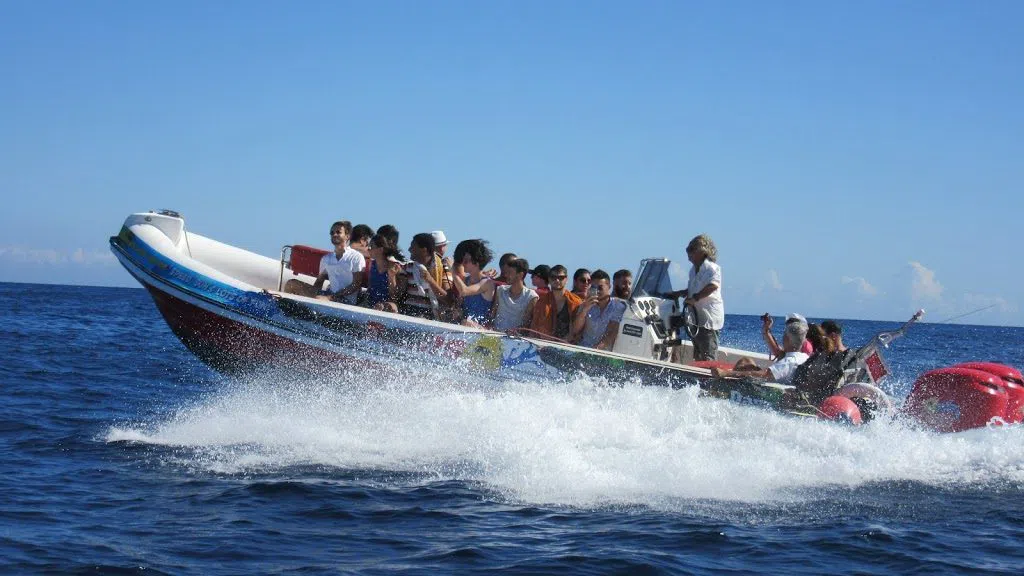
The ferry at Pasacaballos took twenty minutes when it ran, and for most of the last century that thin strip of water was the reason Barú stayed poor, quiet and unvisited. A concrete bridge closed the gap in April 2014, and since then the peninsula has been reached almost entirely from the other direction: by speedboat, from the tourist docks, by people who touch the sand for four hours and never see a metre of what lies behind it. The road tells a different story, and hardly anybody drives it.
The crossing at Pasacaballos
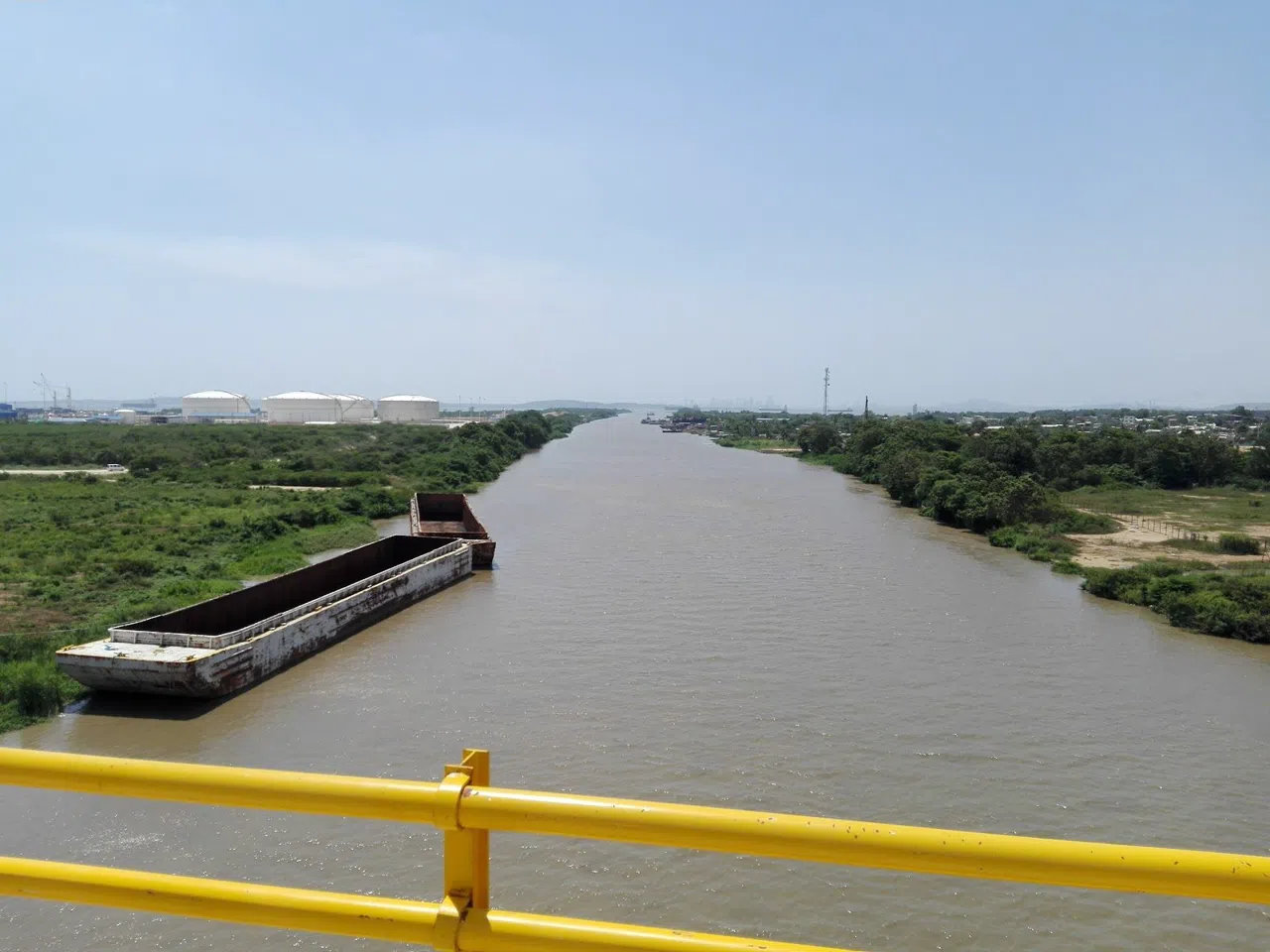
Heading south out of Cartagena, the landscape does nobody any favours for the first half hour: refineries, container yards, the working end of a port city that pays for the pretty end. Then the Puente de Barú (the Pasacaballos crossing, roughly 45 minutes south of the walled city) lifts you over the channel and the industry stops as if switched off. This bridge is the single reason a land-side Barú exists at all. Before it, the peninsula was an island in practice: everything arrived by boat, on somebody else's schedule.
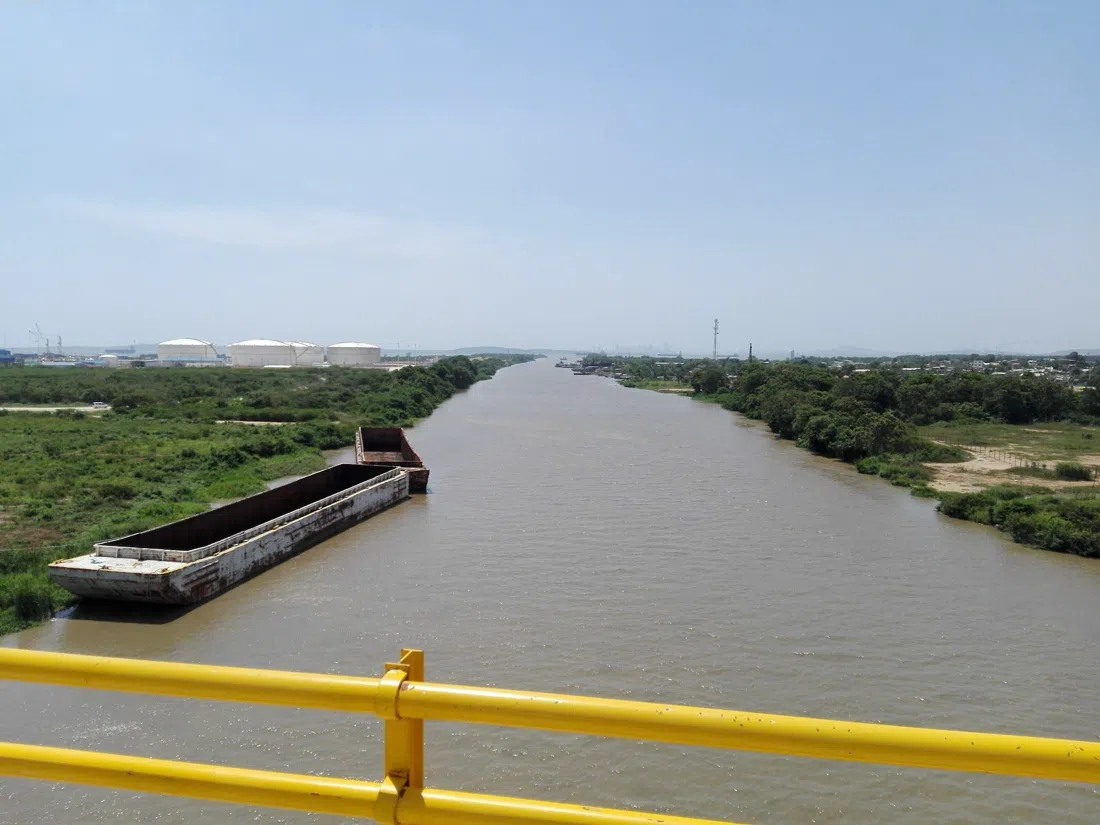
Crossing it costs nothing in itself; the Pasacaballos toll takes about COP 5,800 for a standard car on the 2026 tariff. If you are not driving, buses leave from Bazurto Market and cross daily for COP 8,000 to 12,000, which is the cheapest way onto the peninsula by a wide margin and also the least comfortable one. A private taxi from the old town runs around COP 140,000 each way. That is the number worth memorising, because nearly every itinerary below is priced on top of it.
The tarmac holds up as far as the Playa Blanca turn-offs and then deteriorates badly. Past that point the surface is broken, dusty in the dry months and greasy in the wet ones, and many Cartagena drivers will simply refuse to continue. Agree the full route with your driver before you leave, not at the point where the asphalt gives out.
Into the interior with the Ararca guides
The peninsula's interior is flat, hot, thick with coconut palms and almost entirely unphotographed. The way in is Tuarisba — Tour Ararca, Naturaleza e Historia (Ararca village), run by Juan Carlos Cuadro and built as the flagship of the Ruta Ararca under the Impacto Colectivo Barú 2030 programme. It runs daily, 8:00 to 14:30, about five hours: a canoe trail through the mangroves, the old lime kilns, a mangrove planting stop and lunch at Playa Coquito. It is mid-range per person and the Cartagena transfer is extra.
Book it by WhatsApp on +57 313 603 8319; there is no polished booking portal, and there is no mobile signal or WiFi for the duration of the tour either, so settle your arrangements before you get in the canoe. It is not pet-friendly. It is, on the other hand, genuinely built for groups: community-run, unbothered by a dozen people, and far better value shared than taken solo. If you do one thing on the land side, do this. It is the only structured way to see the part of Barú that is not a beach.
The kilns that burned the lime for the walls
The stop that stays with you is the Hornos de Cal del Cocón (Ararca, on the bay shore), colonial lime kilns where limestone was burned for the mortar of Cartagena's walls, and where metal was melted to repair the city's cannons. They sit right on the water because that was the logistics of it: barges took the lime straight across the bay to the fortifications rather than hauling it overland.
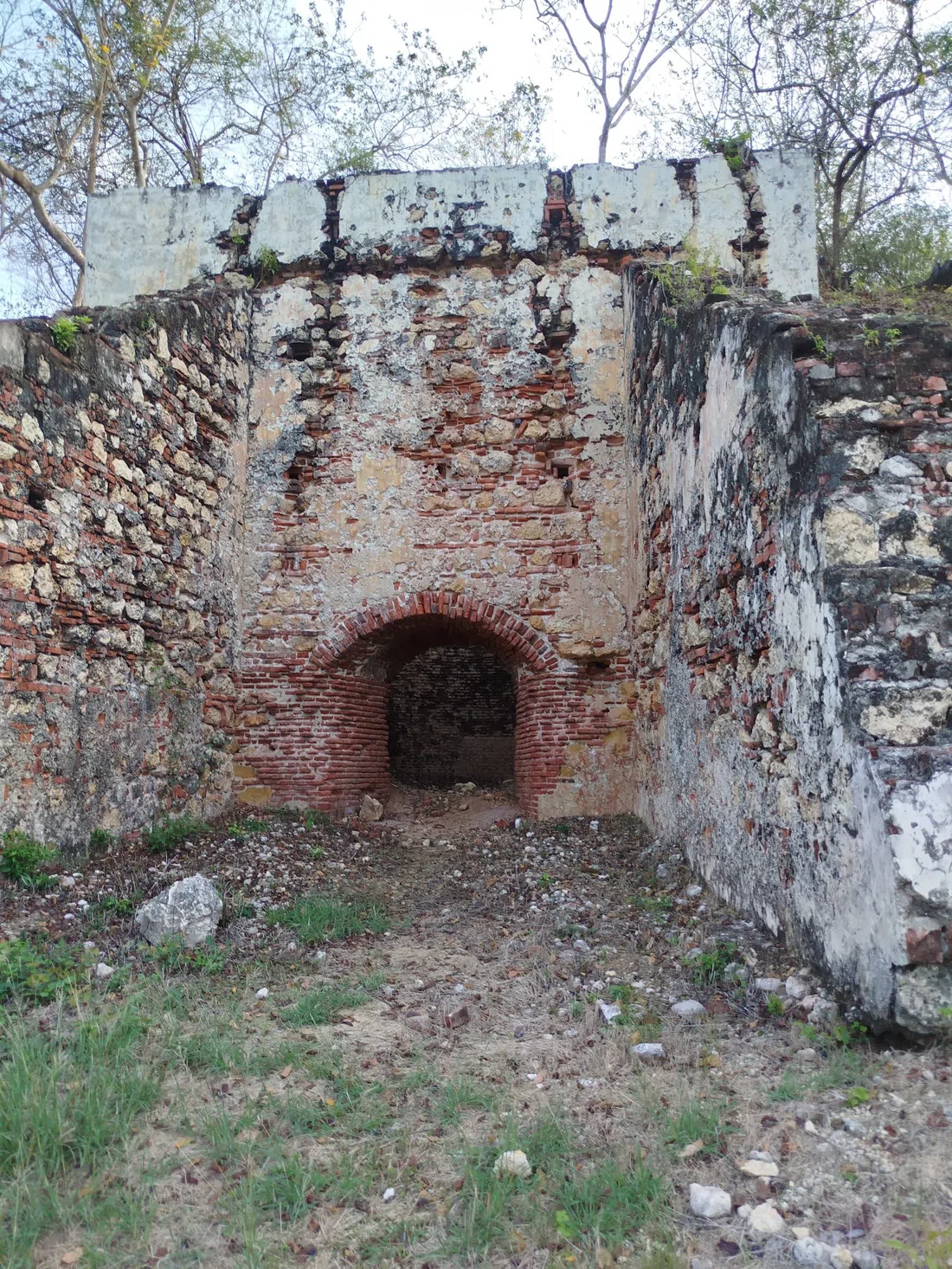
They are unfenced and free, and they receive almost no visitors. There is also no signage, no custodian and nothing to tell you what you are standing in, which is exactly why they are worth reaching with the Ararca guides rather than alone. It is the most literal proof available that this peninsula was an industrial supplier to a fortified city long before anyone thought of it as sand.
A tenth of Colombia's birds, on foot
More than 190 bird species have been recorded on Barú, roughly a tenth of Colombia's entire national list, on a peninsula most people cross in a speedboat with their eyes shut. Ruta Coraves (community-run, across the peninsula's trails) is the only organised way to see them on foot, a hike that ends at sunset.
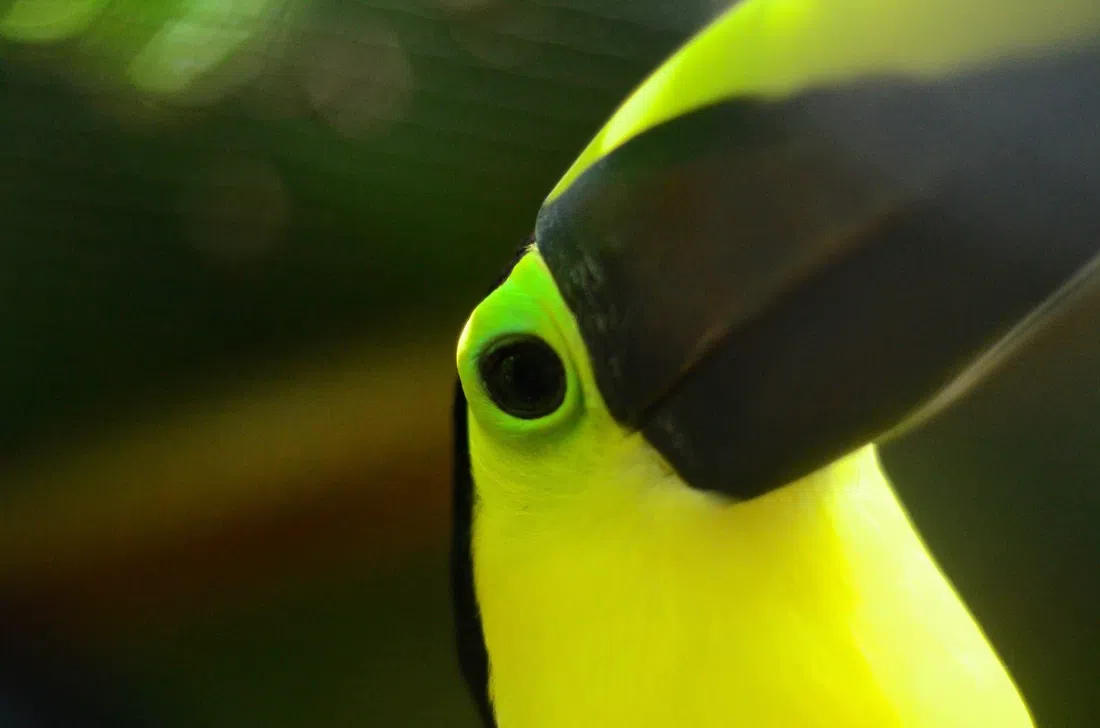
There is no public booking page. You go through the Barú 2030 community tourism network or a Cartagena operator who already has the contact, and that takes lead time: arrange it days ahead, not the morning of. It is small-group by nature; a family or a handful of friends fits, a coach party does not.
The aviary nearly every boat passenger misses
The Aviario Nacional de Colombia (on the main Barú road, before the Playa Blanca turn) is the largest formal attraction on the peninsula and, because it sits on the land route, the one stop that boat-only visitors skip almost to a person. It holds roughly 1,700 birds across 135 native and 15 exotic species, opens daily 09:00 to 17:00 with last entry at 16:00, and runs flight shows twice a day.
Foreign-visitor tickets in 2026 are COP 90,000 for an adult and COP 65,000 for a child or student. It handles groups properly, with ticketed group entry and wide, shaded paths, which makes it the natural anchor for anyone travelling with children or with people who will not enjoy a five-hour canoe trail. Come early; the birds and the visitors both wilt by early afternoon.
Villages that now give you a reason to stop
Five years ago you drove through Santa Ana and Ararca without slowing down. That changed with the Plaza principal de Santa Ana and the +VIDA Barú murals (Santa Ana), where 1,641 m² of plazas, streets, sports courts and small ports across both villages were rebuilt and painted by local artists using local labour. It is free, open, and any size of group can walk it, though a local guide earns their fee here: the murals are about specific people and specific history, and without someone to explain them you are looking at colour.
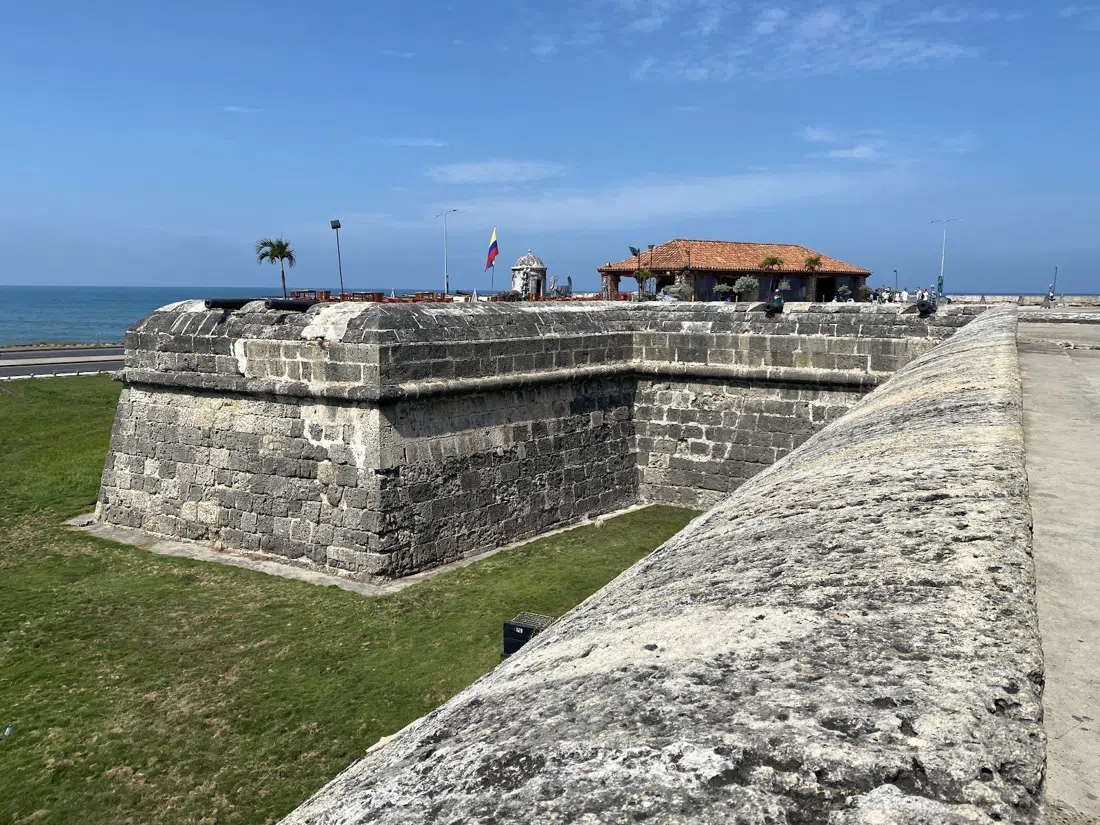
In Barú town itself, the Museo Artesanal Casa Amarilla (Barú village) is the peninsula's one permanent cultural institution. It opens every day of the year, was restored in the 1980s, and has run a folk music school since 2006 alongside the Karex dance and music group. Entry is free, which is precisely why you should leave a donation for the artisans and the school. The village was founded as a palenque by people who escaped slavery in Cartagena, and the museum is the only place on the peninsula that says so out loud.
Staying where the water is brown
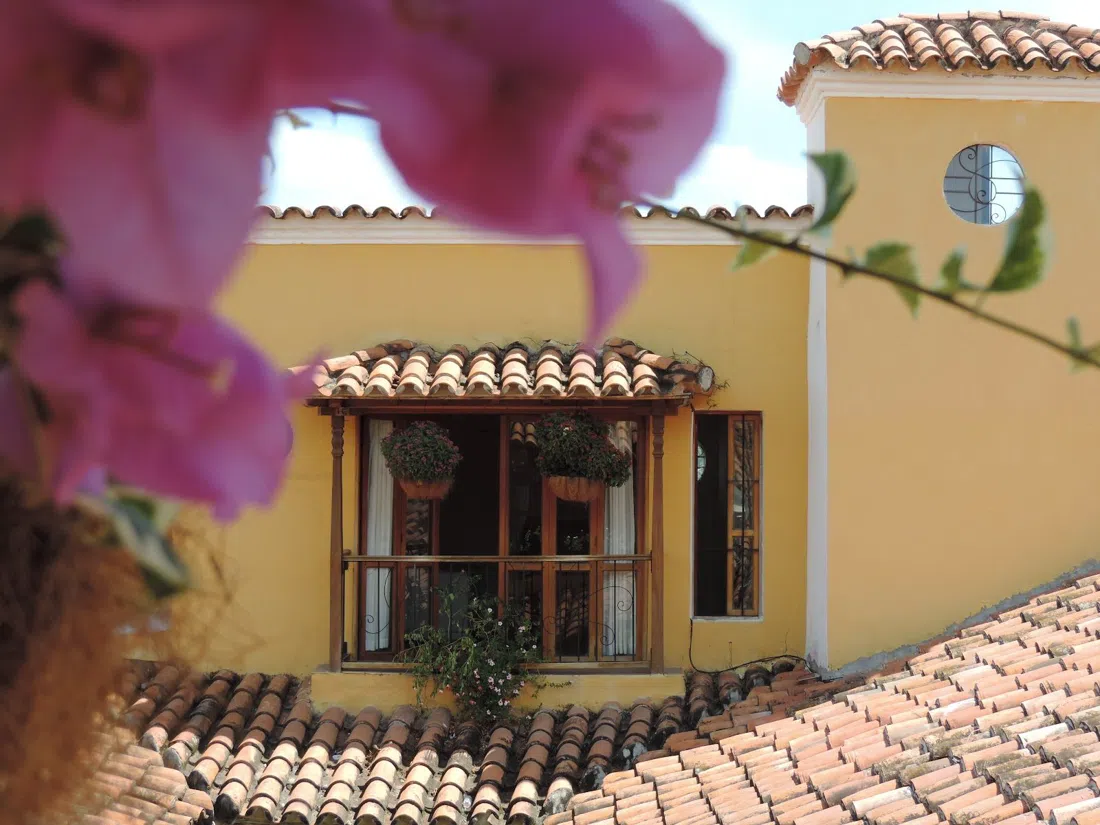
The bay side of Barú does not look like the brochures, and the best place to sleep there is honest about it. Playa Manglares Casa de Huéspedes y Restaurante (bay side, an hour's drive from the walled city) has been run by Olga for over thirty years, and the water in front of it is mangrove-brown rather than postcard blue. That is the point of a land-side stay: you are on the working, lived-in coast, and the cooking and the welcome here are the best on the quiet side of the peninsula by some distance.
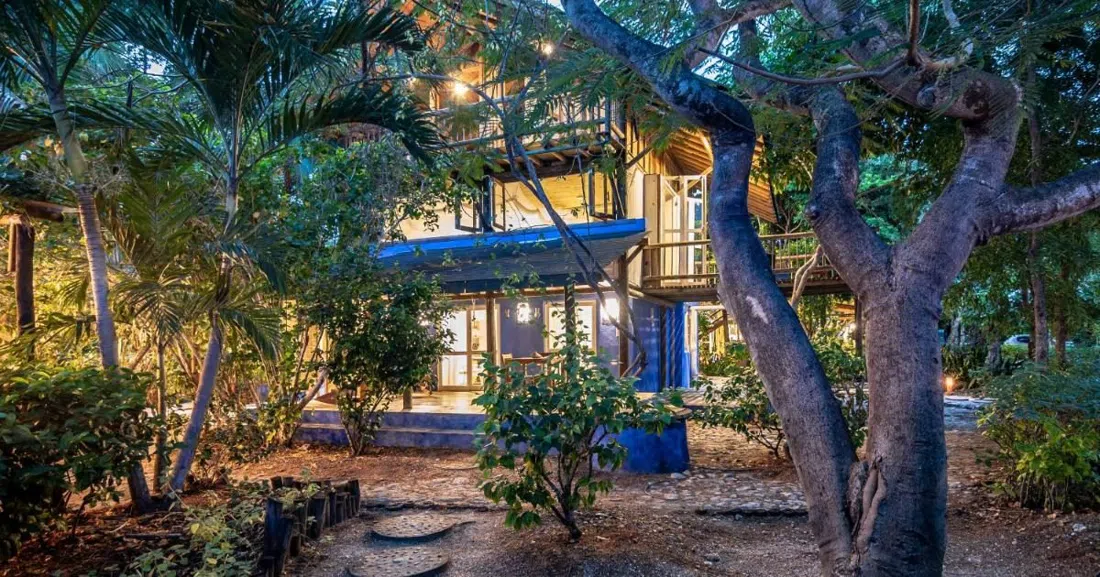
It is a small guesthouse, fine for a couple or a few friends and not a venue for a coach, and it books reliable local taxis for guests. That matters more than it sounds on a peninsula where flagging down a stranger's car after dark is a poor idea. Rates are mid-range, the restaurant moderate. If you would rather keep your base in the city and treat Barú as day trips, start from the Cartagena hotel search instead and drive out twice.
Lunch and a bed on the Playa Blanca side
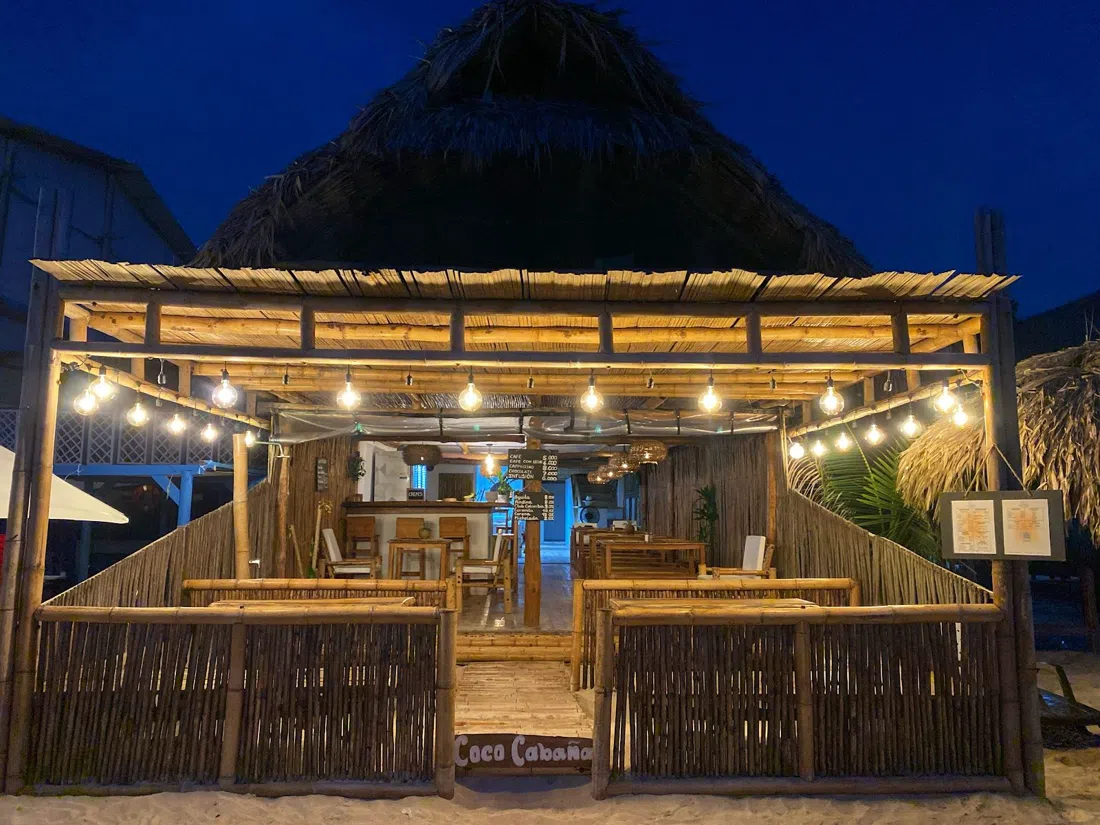
Playa Blanca is where the boats dump everybody, and the food there is mostly a tax on captivity. The exception is Coco Cabaña (Playa Blanca), run by a French-Colombian couple and consistently the best cooking on that beach: crepes, pasta, decent coffee, cheap by Cartagena standards, and one of the very few places that takes cards without slapping a surcharge on top. It is small and informal, so a handful of people walk in fine and anything larger needs a phone call ahead.
For a night on that side, Thani Ecobeach Barú (Playa Blanca side) is the most polished road-accessible small hotel around, with an Italian-leaning kitchen, proper vegetarian breakfasts and family rooms that suit small groups. Day visitors are welcome in the restaurant. The catch is noise: the neighbouring bars run competing sound systems and neither of them is losing that argument, so ask explicitly for a room away from the strip when you book. Rates sit in the mid to upper mid-range.
Ending the day at a beach you drove to
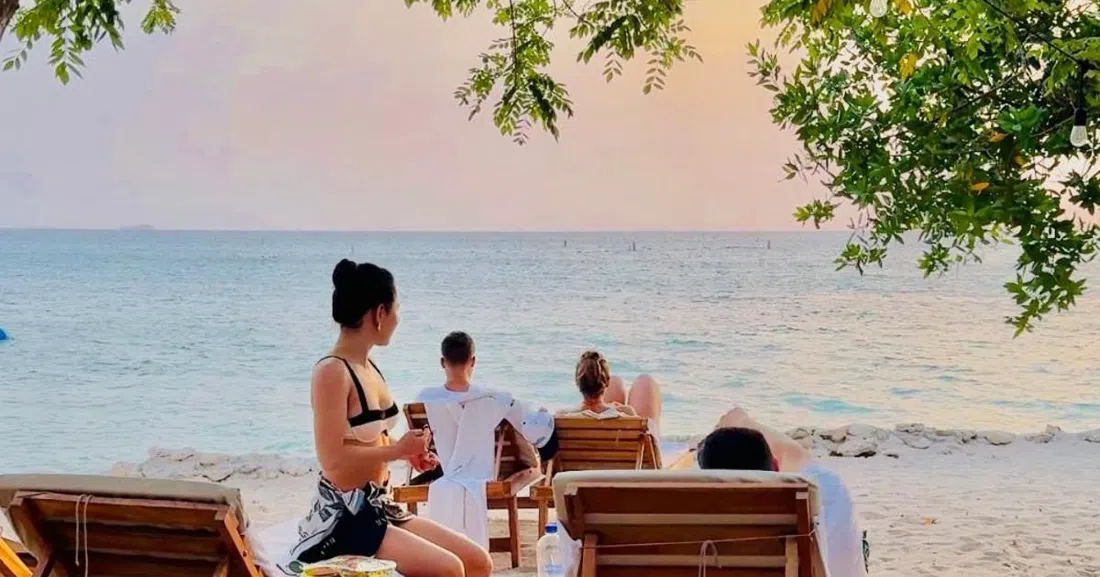
A land itinerary does not have to end in the dust. Sabai Beach Club (Playa Blanca area) is unusual among the upmarket beach venues in running a land option, 'Sabai Terrestre', with door-to-door road pickup alongside the standard boat route, from about USD 129 per person for a day pass including an à la carte lunch, transport and port tax. It explicitly takes groups. Weekends bring a DJ, so anyone chasing quiet should go midweek.
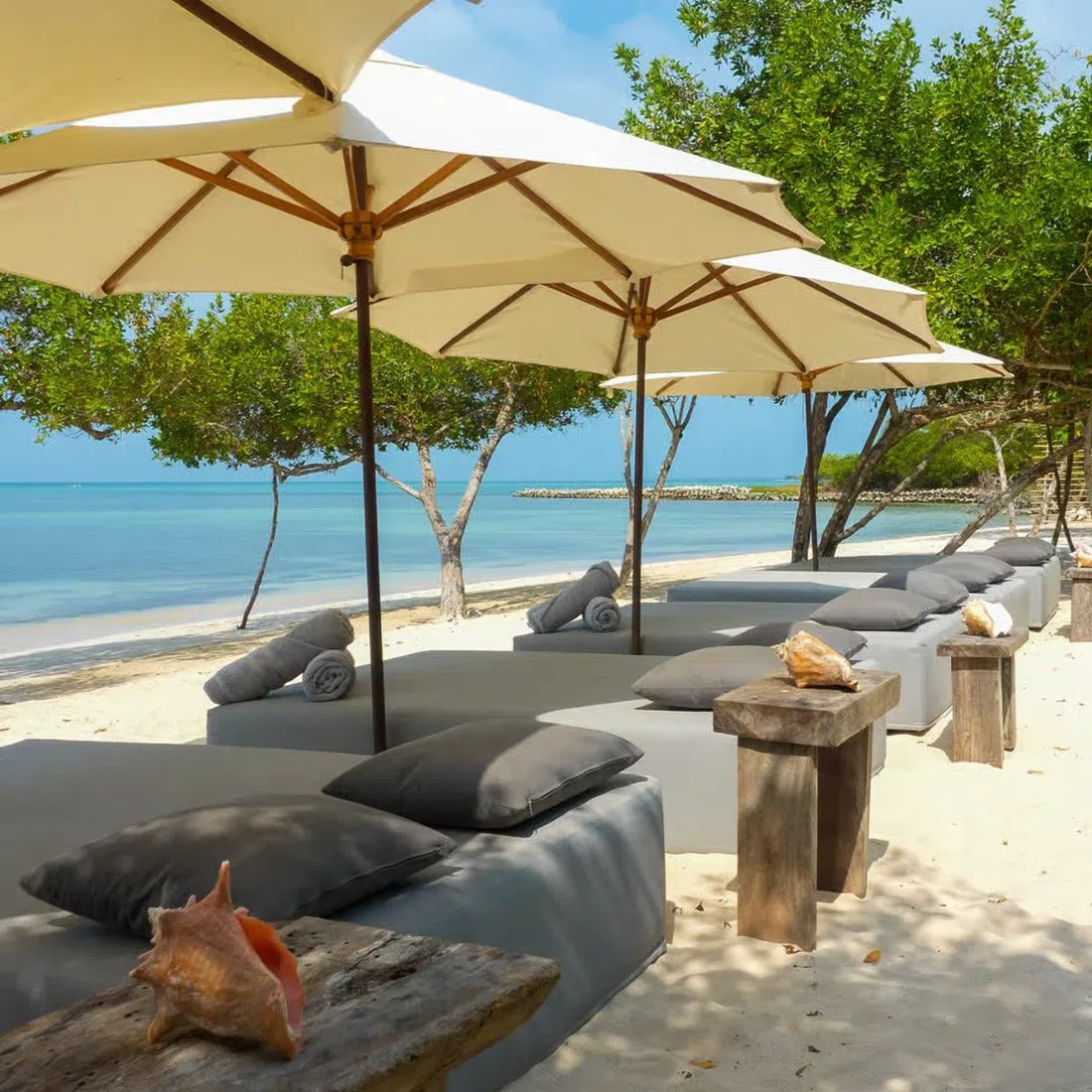
Hotel Las Islas (southern Barú) is the peninsula's best-known treehouse-style resort and one of the few luxury properties that will sell a day pass to someone who arrived by car, 09:00 to 16:00, with road, boat and helicopter transfers all on offer. Two recent complaints from guests are worth repeating: the access road is rough, and some room categories still require a boat to reach, so confirm which one you are actually booking.
At the top end, the Sofitel Barú Cartagena Beach Resort (km 7) sits close enough to the bridge to arrive comfortably by road as well as by catamaran. It has 187 rooms including 22 suites, three restaurants and seven bars, and full capacity for groups, events and weddings. Michelin and Forbes still list it under its original Calablanca name while Accor markets it as Sofitel, so expect both names in your search results. It is also the only LEED-certified hotel in Colombia, which counts for something on a peninsula this fragile.
Practical notes for the road
A private taxi from the walled city is about COP 140,000 each way and is the sane choice if you are combining several stops; agree the whole route and the waiting time up front. Buses from Bazurto Market cross the bridge daily at COP 8,000 to 12,000 but will not detour for you. Self-driving is fine to Playa Blanca and unpleasant beyond it; the car toll at Pasacaballos is around COP 5,800.
Bring cash, in small notes. The villages, the community tours and the roadside stalls are cash-only, and there is effectively nothing in the way of an ATM once you are past the bridge. Coco Cabaña and the resorts take cards; almost nothing else does.
Leave Cartagena by 07:00. The interior tour starts at 08:00, the aviary is calmest before 11:00, and the broken sections of road are far worse in the dark. The December-to-April dry months are kinder to the unpaved stretches; in the wet season, assume slower going and confirm your driver will still take the southern road.
A full day with a shared taxi, the Ararca tour, the aviary and lunch lands somewhere in the COP 400,000 to 600,000 range per person. Strip out the aviary and take the bus and you can do a village-and-kilns day for well under half that. Add a beach-club day pass and you have doubled it, which is a fair trade only if you actually want the DJ. For where this fits alongside the rest of the city, see the Cartagena guide.