The Cartagena issue
Eaten Standing Up: Cartagena's Street Food in the Caribbean Heat
A hungry, honest crawl through Cartagena's fry carts, market comedors and after-dark plazas — where the best food is eaten on your feet, in the heat, for a handful of pesos.
By Marcela MovillaCeviche, arepas and the real Bazurto
In Cartagena the food finds you before you find it: the hiss of a whole egg dropping into corn batter, the sweet char of pinchos drifting across a plaza at ten at night, a palenquera balancing a bowl of cut mango on her head in a dress the colour of the flag. This is a city you eat standing up, sweating gently, wiping your fingers on a paper napkin that gave up two bites ago. What follows is the crawl I actually walk when I have friends in town — early starts, market chaos, and a cold Águila at the end — with the honest notes on what suits a couple, what suits a hungry group, and what is worth the queue.
Breakfast is a fry cart
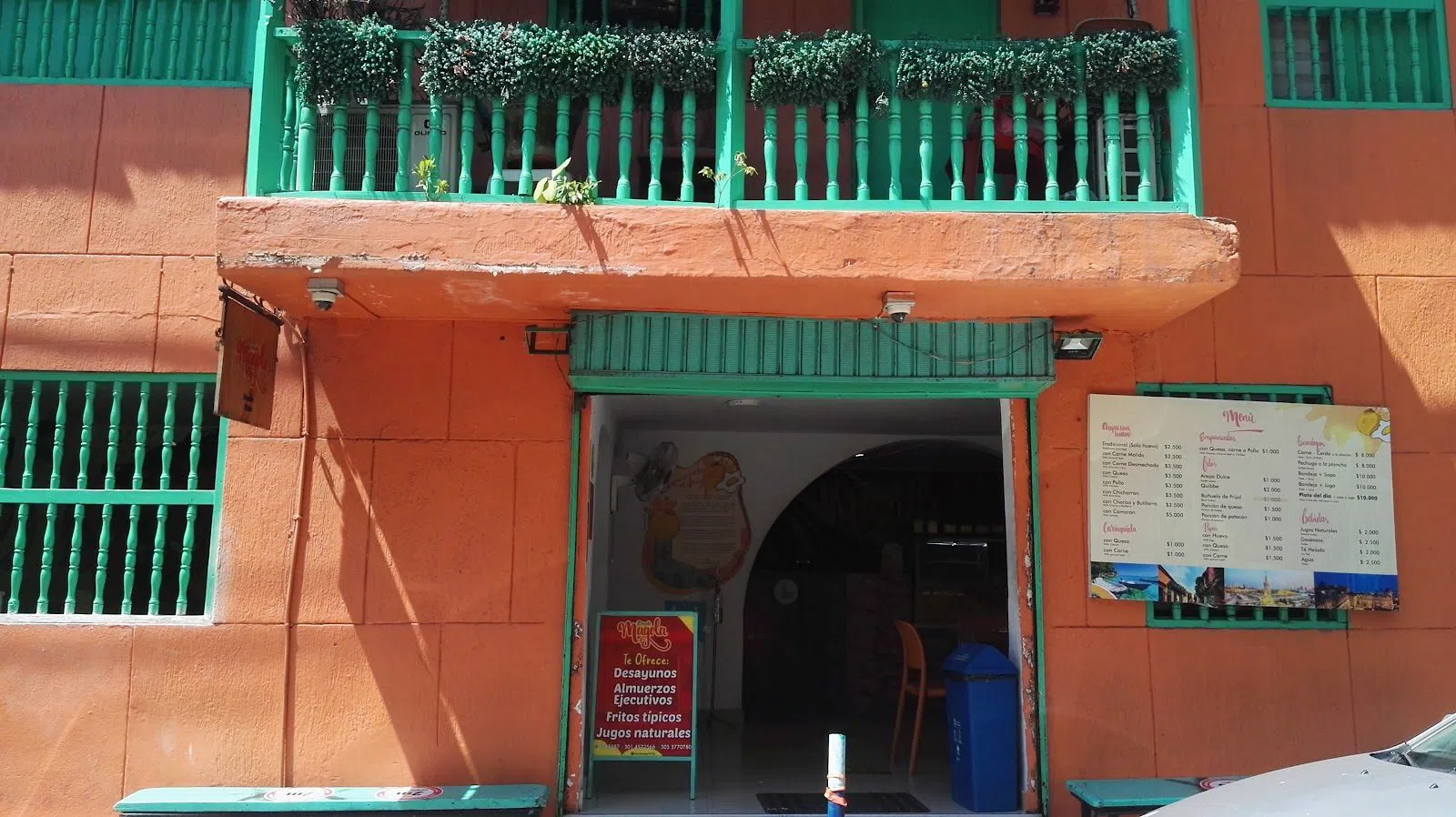
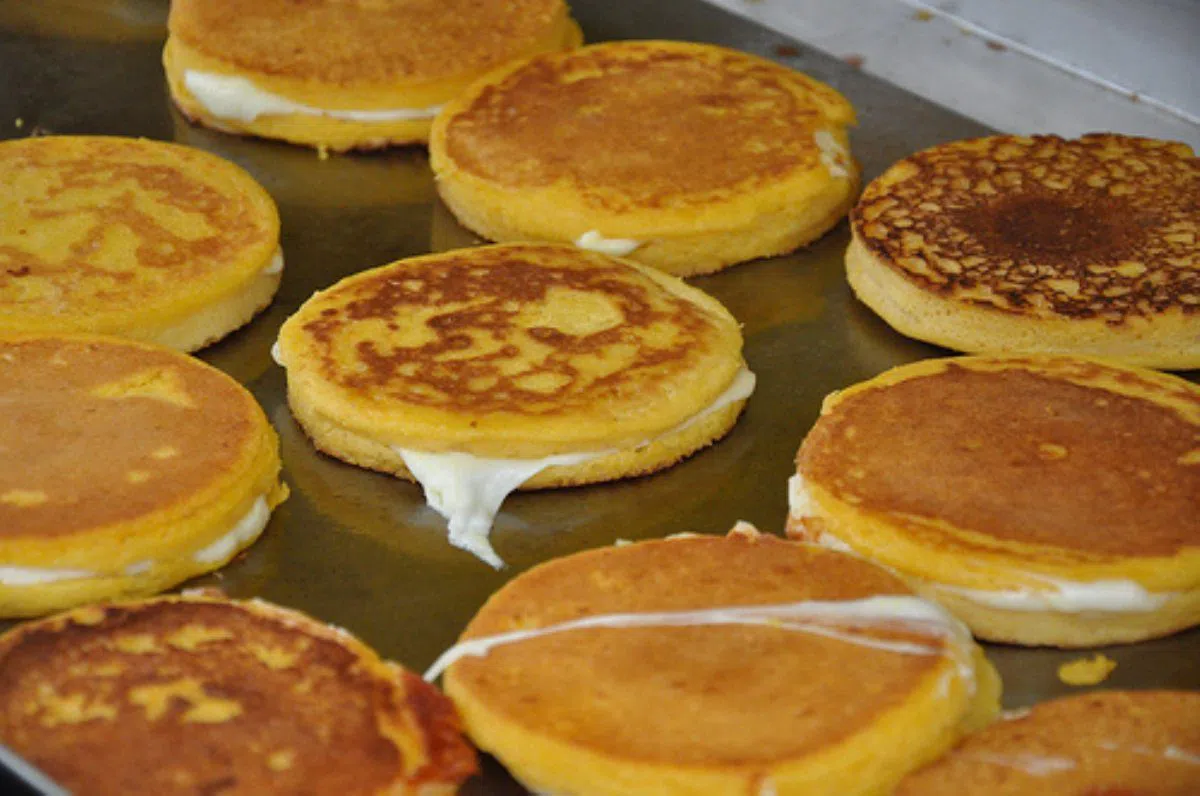
Start the way Cartageneros do, before the sun turns cruel. Donde Magola (a tiny walk-up counter, easiest reached in the mornings) has been the city's benchmark arepa de huevo since 1999, and once you've cracked into one you understand the fuss: a crackly golden corn shell fried around a whole soft egg, the yolk still loose enough to run. They cost COP 3,000–8,000 (roughly $1–2), which is the kind of price that makes you order a second before you've finished the first.
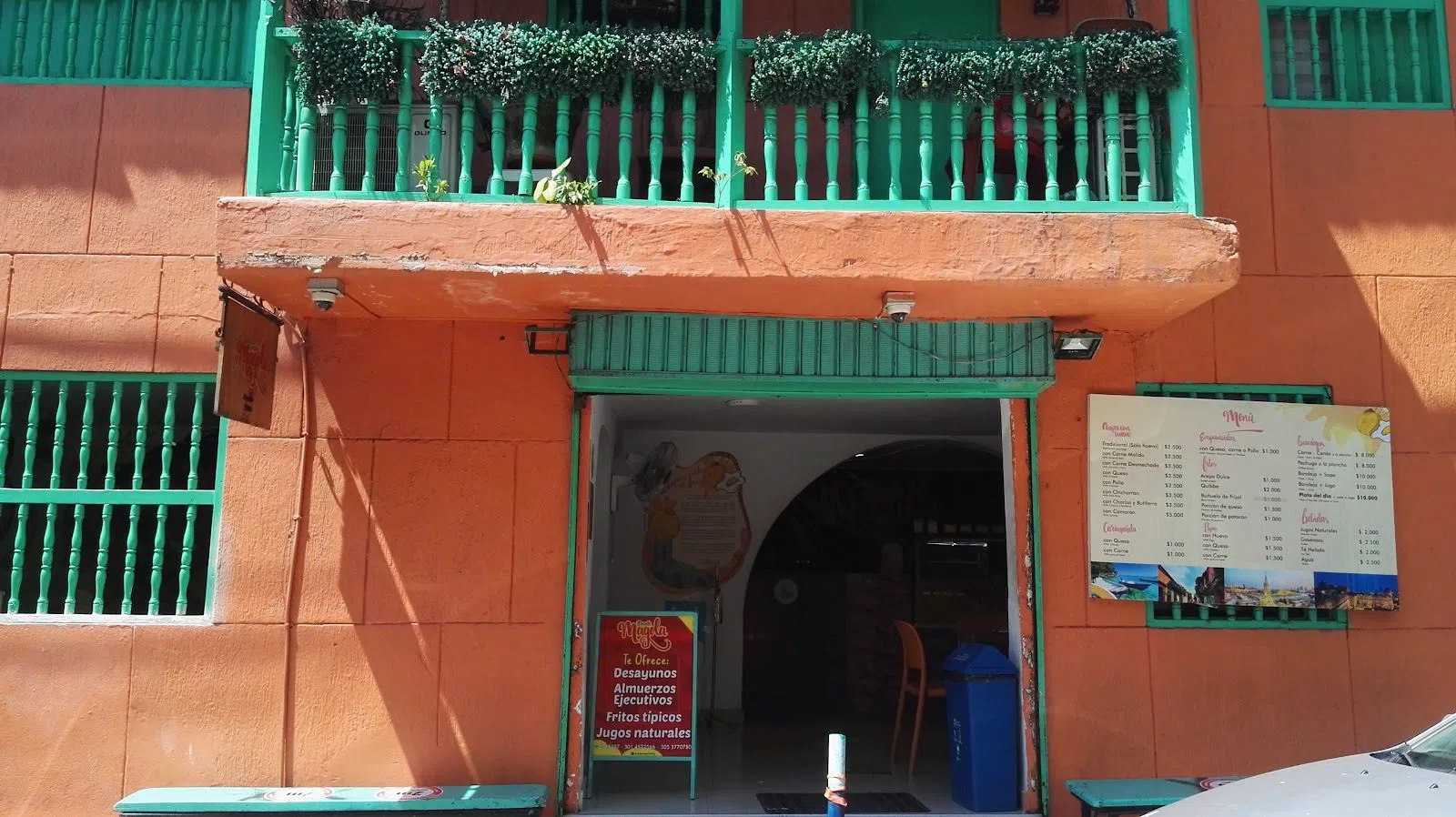
One warning that matters: there are no reservations and there is no sitting together. It's a counter, not a café. If you roll up as a group of six, you queue on the pavement and order in rounds — someone holds the spot, someone ferries the arepas, everyone eats leaning on a wall. Go early. By the lunch crush the line doubles and the best of the morning's frying is behind you.
Plan your Cartagena trip
Live prices from our booking partners.
Free cancellation on many rooms. We may earn a commission when you book.
The fritos, and eating with your hands
Cartagena's true street vocabulary is fritos — the family of fried corn-and-yuca snacks sold hot from bubbling pots — and the place I send people first is Los Fritos de Dora on Plaza San Diego, in the northern corner of the walled city. This is a small walk-up stall; the move is to order a mixed batch and share it standing in the plaza while it's still too hot to hold properly. Ask for the carimañolas: crisp yuca torpedoes stuffed with cheese or spiced meat, best doused in the house ají. Fritters run COP 3,000–8,000 (about $1–2), so a group can graze through the whole menu for the price of one sit-down starter elsewhere.
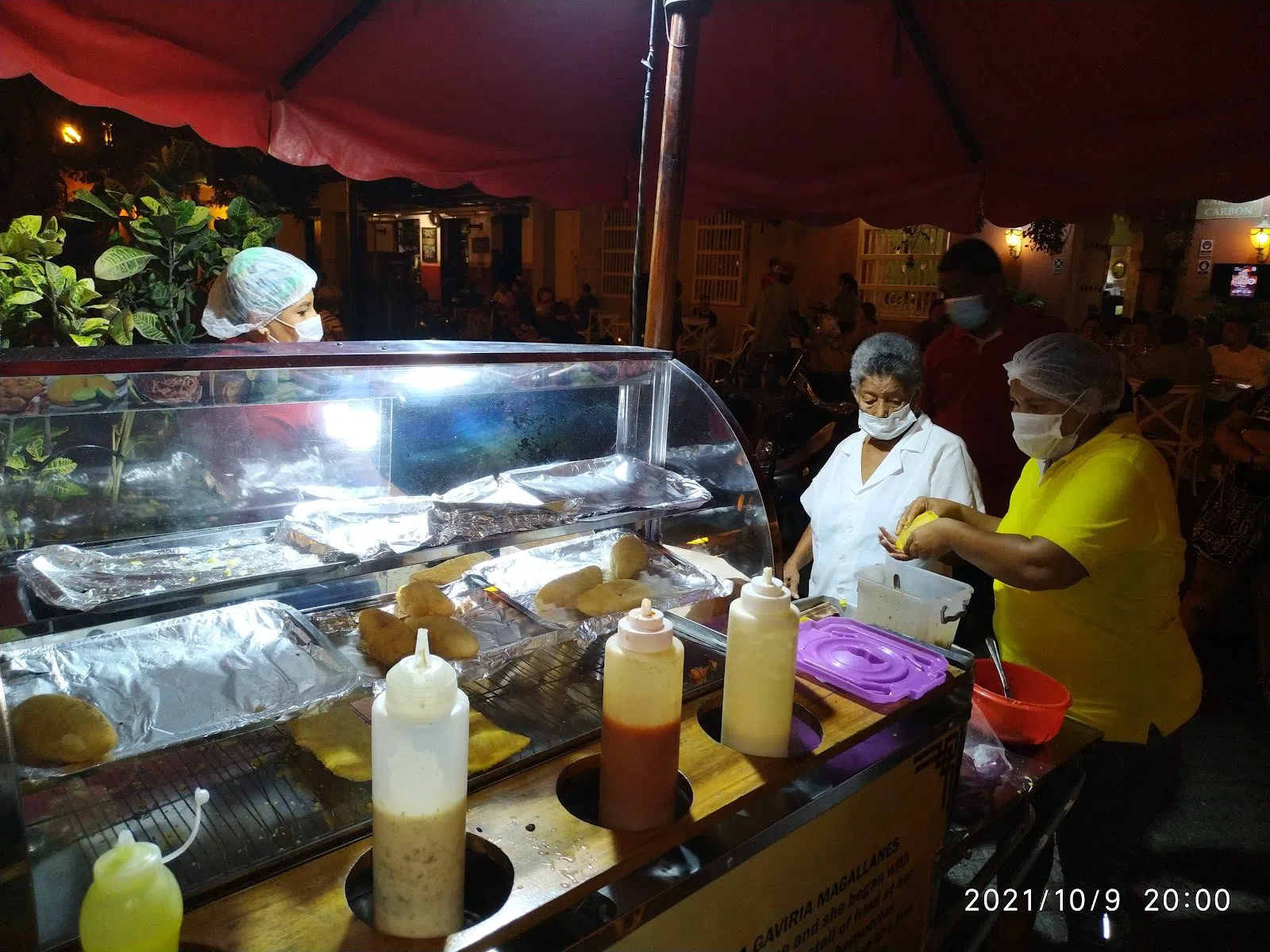
When the hunger turns serious — usually late, usually after a drink or two — the answer is Patacón con Todo, a casual walk-up cart built for exactly this. A single smashed, twice-fried plantain arrives buried under everything: shredded meat, sausage, cheese sauce, crispy bits, a snowfall of pink and white sauces. At COP 15,000–35,000 ($4–9) the platters are huge and gloriously messy, which is the point. This is the one dish on the crawl that genuinely rewards a group: swarm the cart, order a couple to share, and eat with your hands standing around it. Couples can absolutely stop here too, but you'll want to split one, not two.
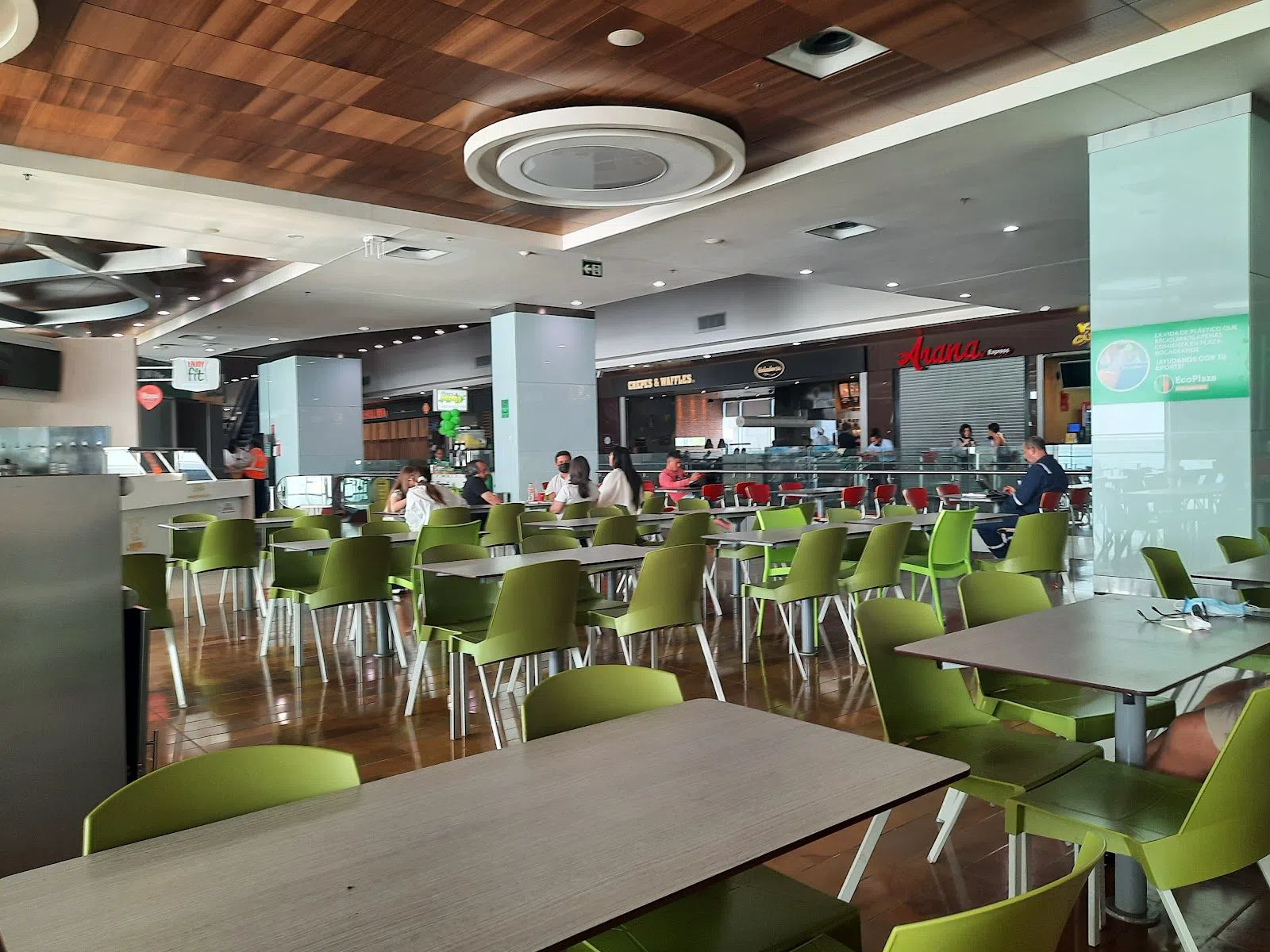
Into the market: Bazurto, the real engine
Everything polished and pretty inside the walls is fed, in one way or another, by Mercado de Bazurto — the vast, unglamorous, genuinely thrilling food market a short ride east of the old town. This is the real Caribbean-Colombian food engine of the city, and it is also disorienting, hot and maze-like, with meals running COP 10,000–40,000 (about $3–10). I'll say plainly what the locals will: do not go solo on your first visit. Go with a guide, go in the morning, and go with your phone in your pocket rather than your hand.
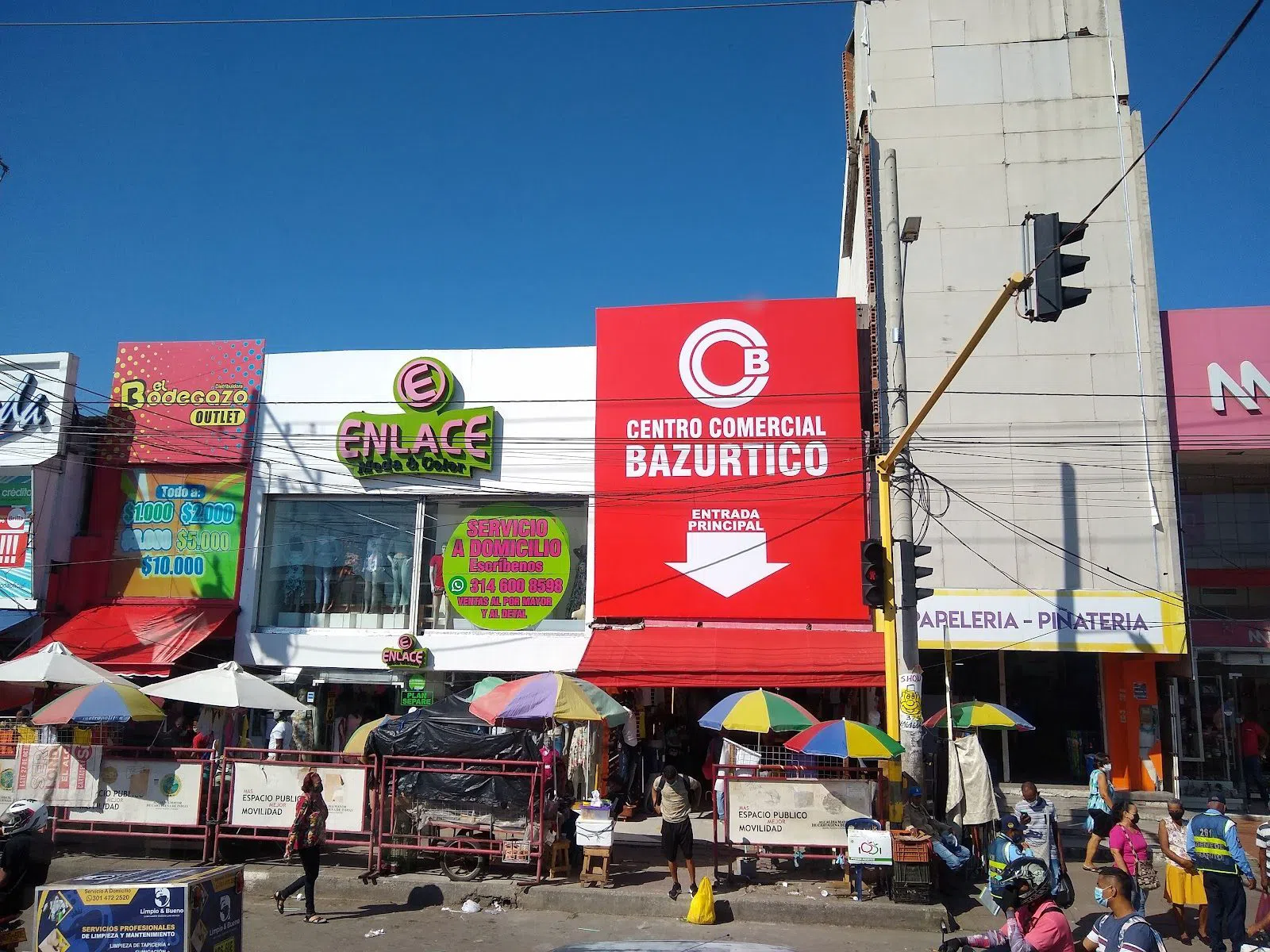
Deep inside it is Donde Cecilia — Ceci's — the family comedor with bench seating that once hosted Anthony Bourdain on camera. You come for the whole fried fish with arroz con coco and a splash of tart suero costeño, a lunch that lands at COP 30,000–55,000 ($8–14). Small groups are fine here, but the table is worth pre-arranging: the smart way in is a market tour that books the bench ahead so you're not standing in the crush trying to find a seat that doesn't exist yet.
If navigating all that blind sounds like a lot — and for first-timers or larger groups it honestly is — the Cartagena Connections Street Food Tour exists for precisely this reason. Shared and private walking tours (around $40–55 per person, tastings included) hit the best carts with context and, crucially, with someone who knows which stall is having a good day. It's purpose-built for groups, and it turns Bazurto from an ordeal into the best morning of the trip.
The ceviche question
Yes, you've read about La Cevichería, the little seafood spot in the old town that Bourdain put on the map. And yes, it's still good — the coconut-shrimp ceviche really does deliver, bright and cold and generous. But I owe you the honest version: it is very small, always packed, takes no reservations, and the prices are frankly touristy at COP 45,000–90,000 a plate (about $12–24).
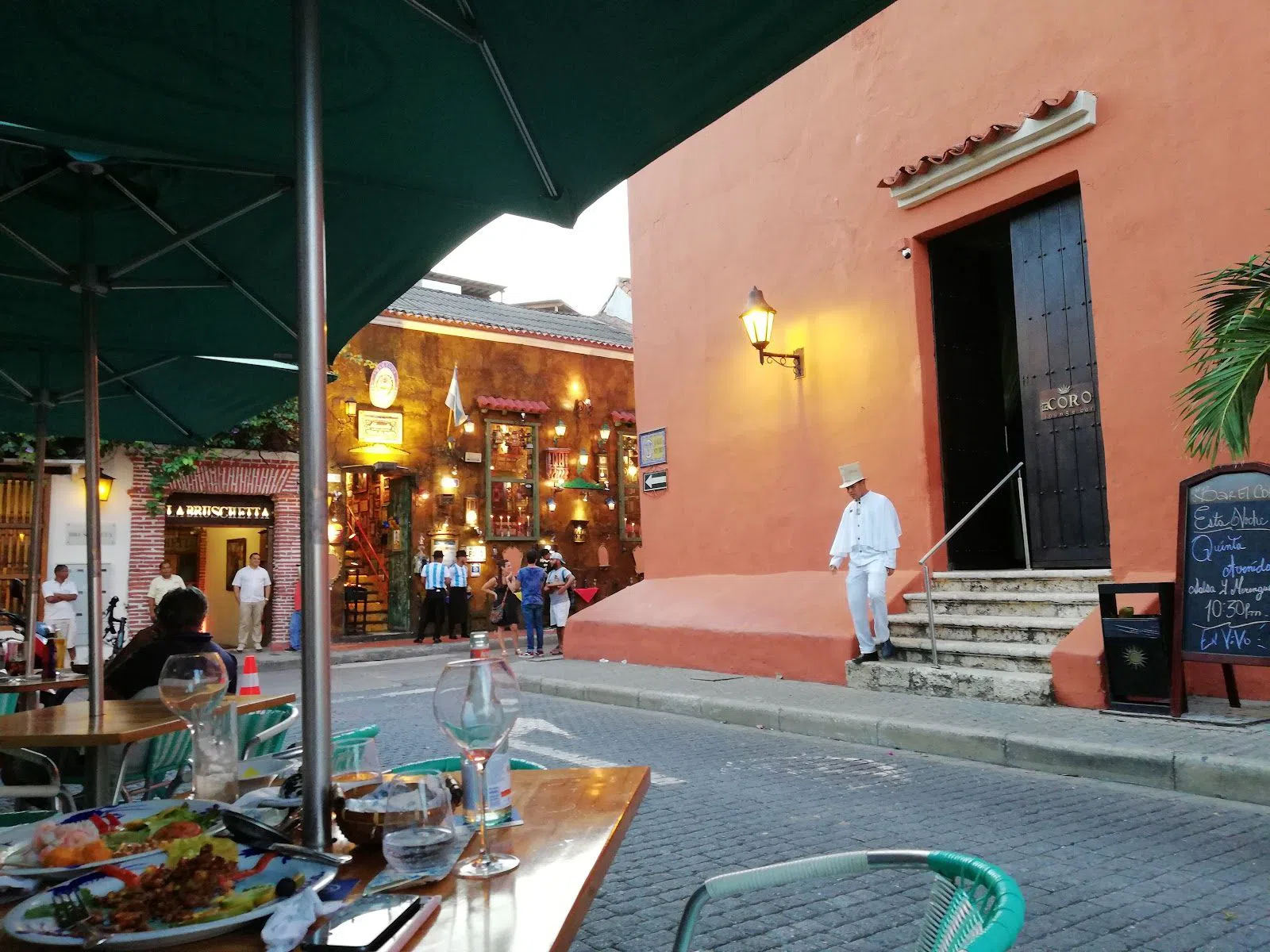
So here's how to use it. This is a place for two, maybe four, arriving early — before the queue snakes down the pavement in the midday heat. Large groups will simply wait, and wait, and that's not the mood you want on a food crawl. If it's you and one other person and you're willing to show up when the doors open, go. If you're six and hungry now, keep walking; the market and the plazas will feed you better and faster.
The sit-down counterpoint
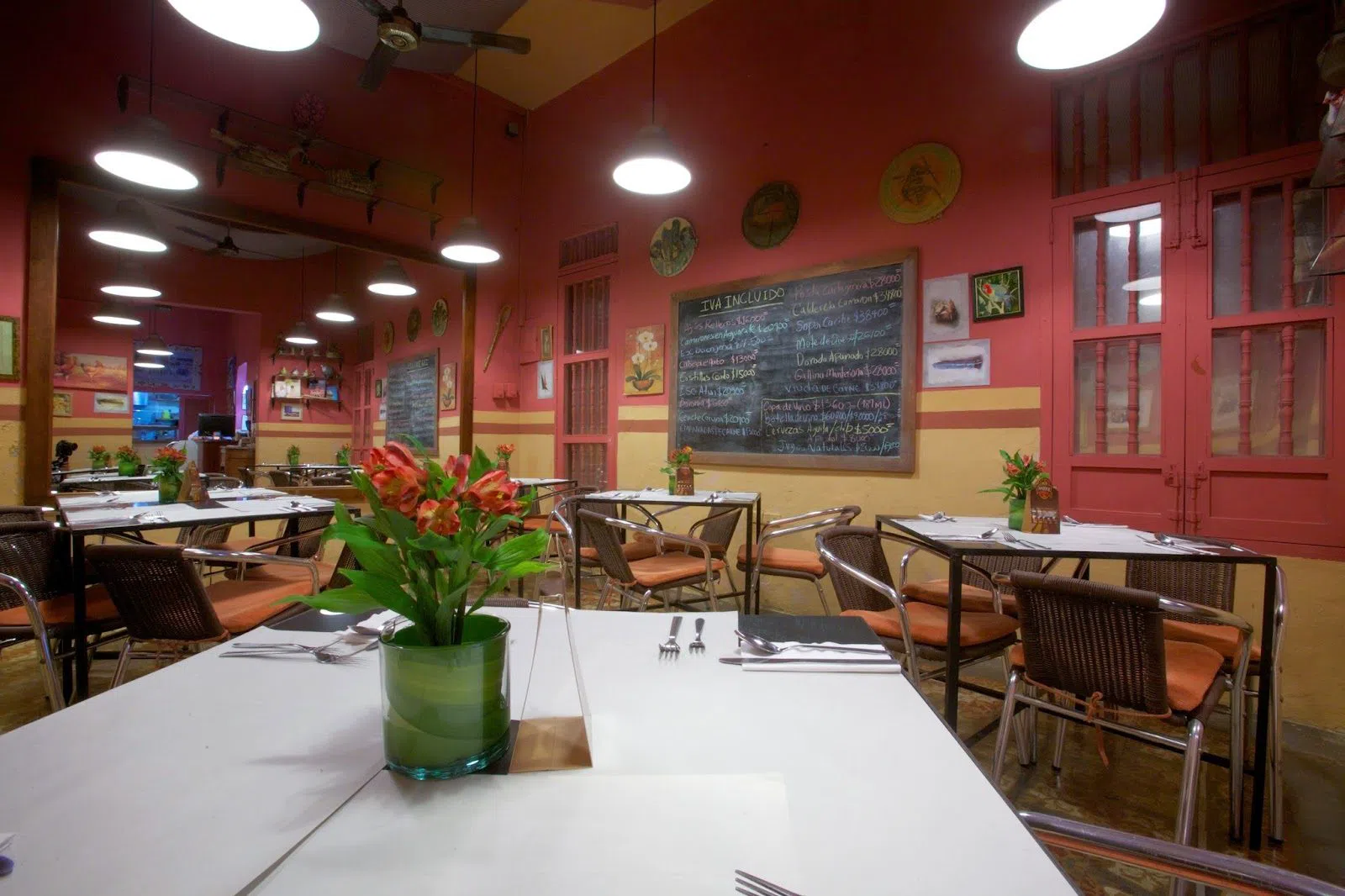
Every crawl needs one meal where you actually sit, cool off, and taste what Cartagena cooks when it's not frying for the street. That's La Cocina de Pepina, a small room where century-old Cartagenera recipes are cooked faithfully — the region's real home food, slow-braised and coconut-rich, the counterpoint to all those paper napkins. Mains run COP 35,000–65,000 ($9–17). Lunch is daily from 12:00 to 16:30; dinner runs Tuesday to Saturday. Groups of four to six are possible but you must book ahead — the room is intimate and walk-in luck runs out fast. If you only sit down properly once on this whole itinerary, sit down here, and order whatever the day's cazuela or fish is.
Getsemaní after dark
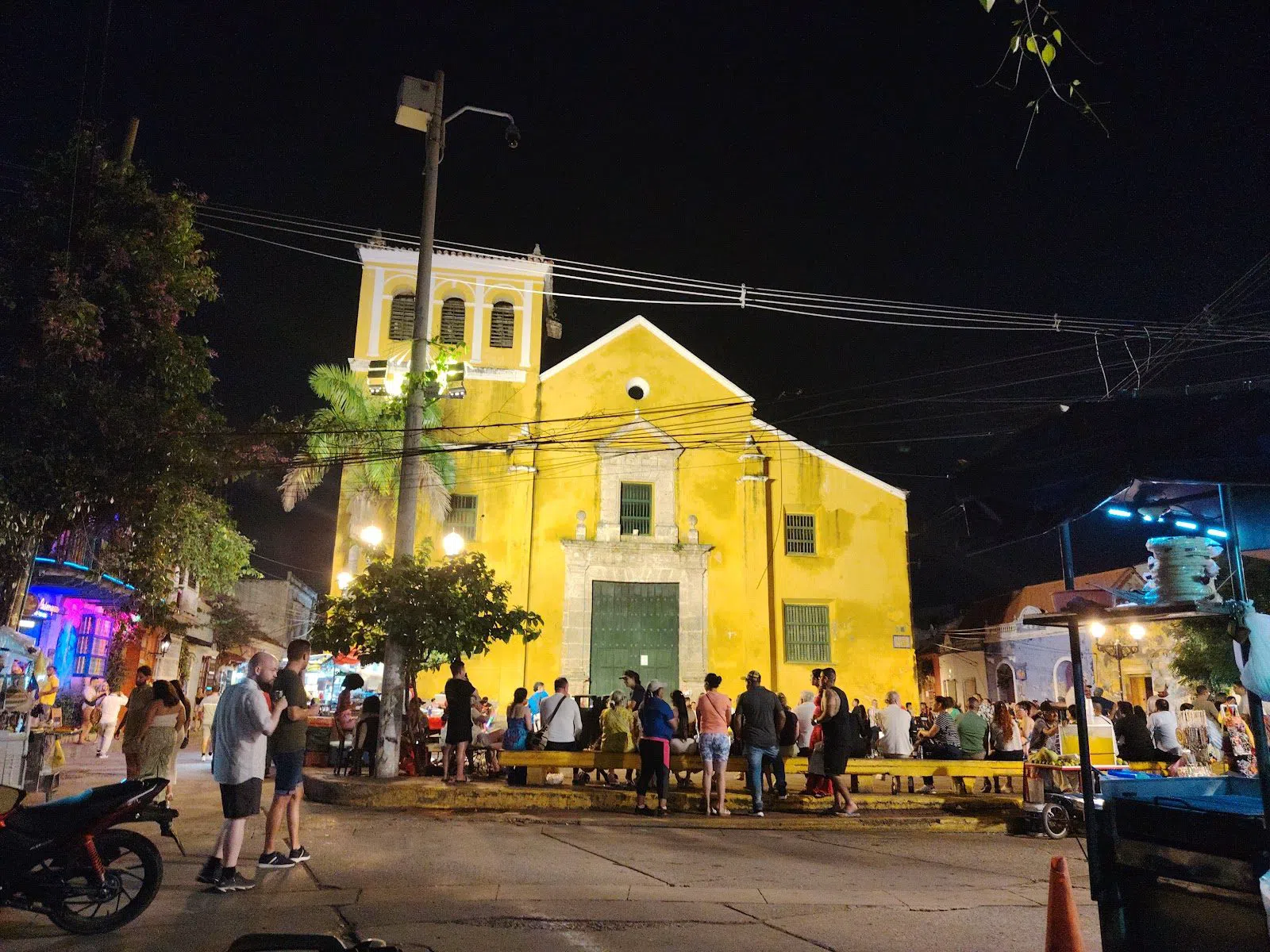
When the heat finally breaks, the crawl moves outside the walls to Getsemaní, and the gravitational centre is Plaza de la Trinidad — the neighbourhood's social heart after dark and the single best place to graze several vendors at once. Carts fan out across the square; the play for a group is to split up, hit different stalls, and regroup on the church steps to compare. Items run COP 3,000–20,000 ($1–5), so you can eat your way sideways across the plaza for very little. One practical note: it gets busy and lively in the evening, so keep an eye on bags and phones in the crowd.
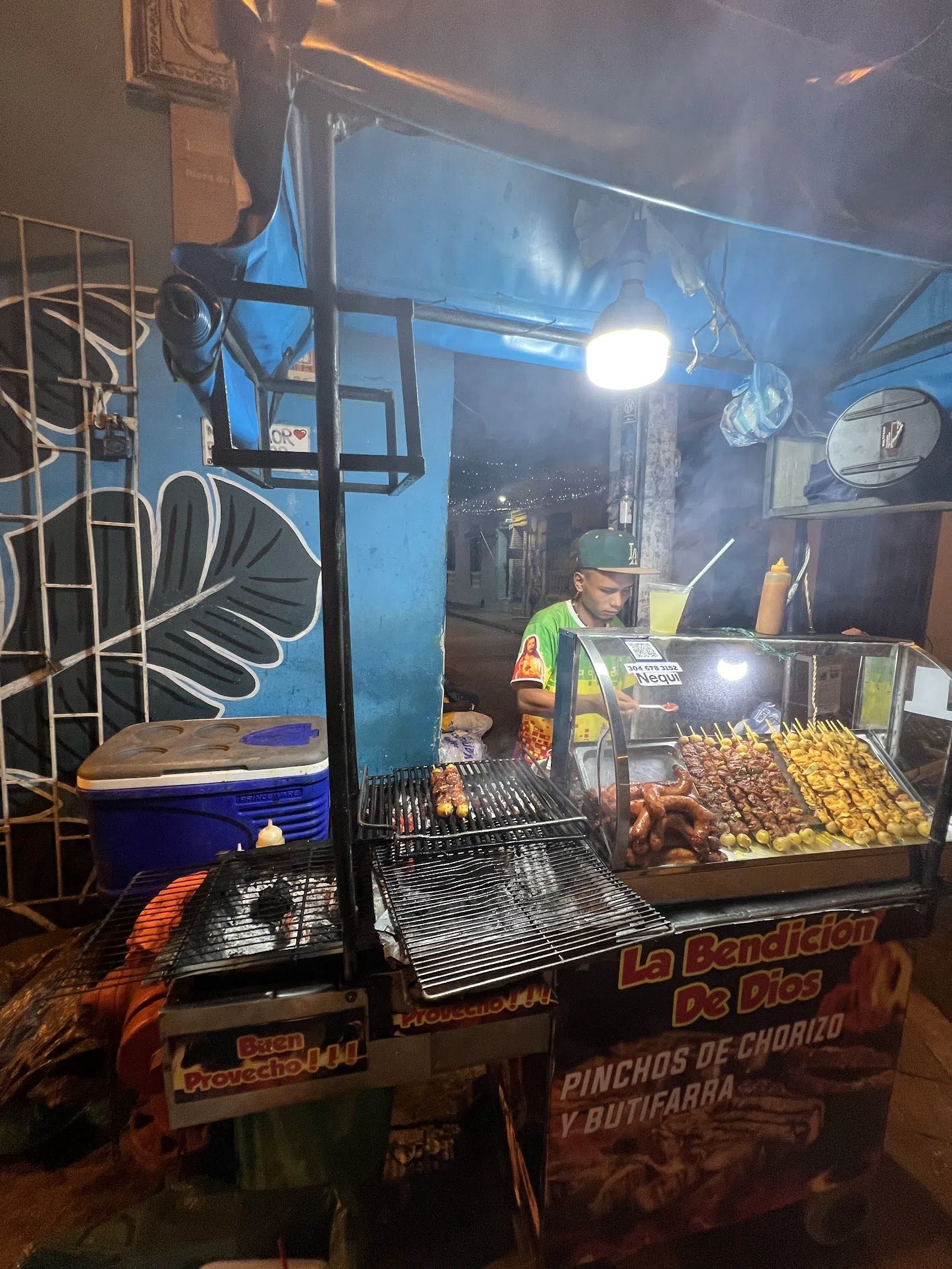
A few steps into the Getsemaní grid, follow your nose to La Bendición de Dios, the go-to street grill for pinchos on the night circuit. You flag it down, you eat around it, you order skewers by the handful — sweet-glazed, smoky, COP 5,000–12,000 each (about $1.50–3). It's naturally group-friendly in a way the seated places aren't: no door policy, no table, just a grill and a cluster of people. Pair it with a cold Águila bought from a nearby tienda and you've found the honest heart of a Cartagena night.
Cooling down and sweet things
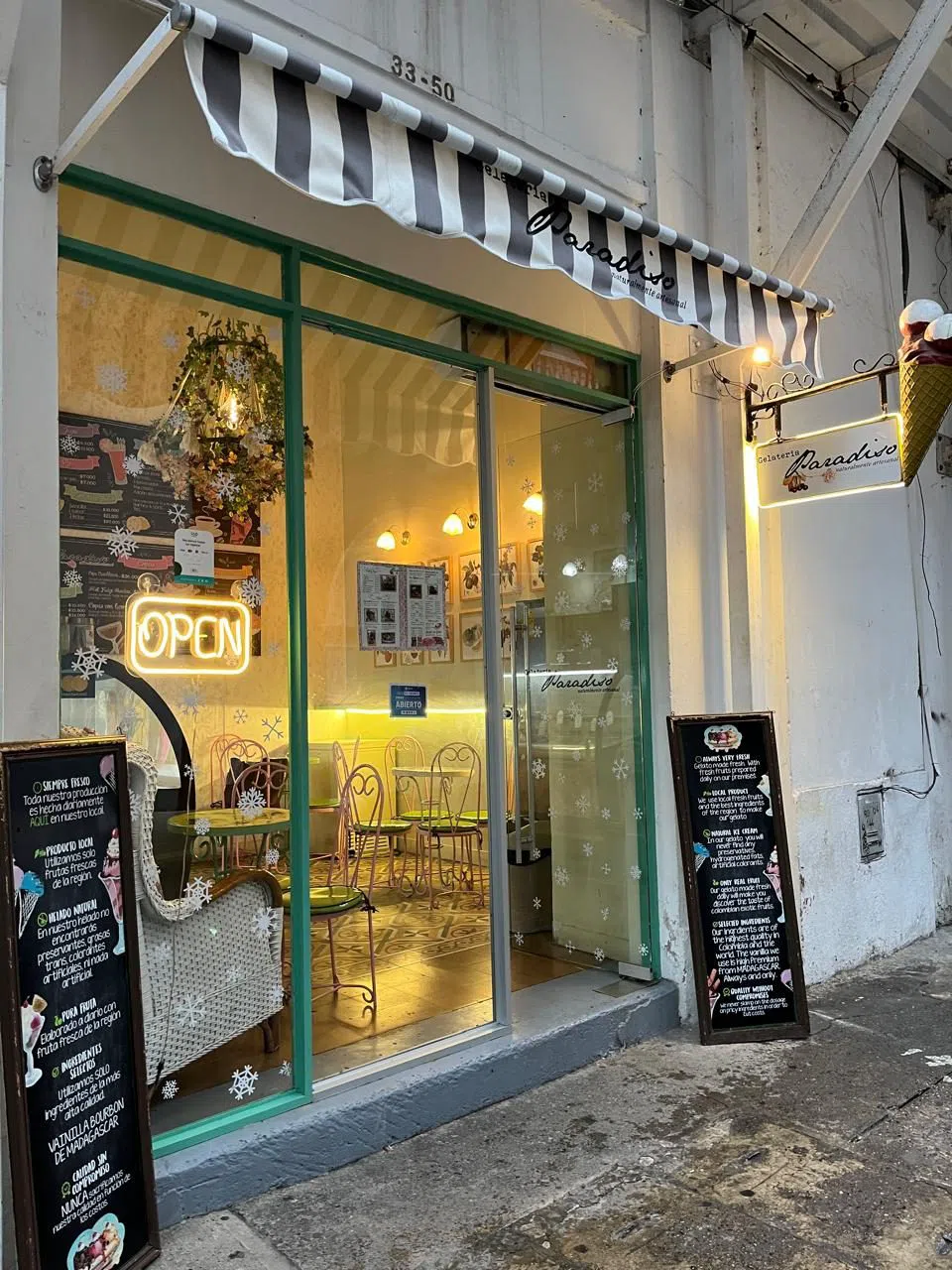
At 30°C you cannot fry-cart your way through a whole day without a break, and the smartest one is Gelateria Paradiso in the old town — a compact shop making additive-free gelato on genuine Colombian fruit: lulo, corozo, guanábana, whatever's ripe. A cup or cone is COP 8,000–18,000 ($2–4.50), the turnaround is quick, and groups just order at the counter and spill onto the street to eat it before it melts. Treat it as the cool-down between fry stops rather than a destination, and time it for the flat, brutal middle of the afternoon.
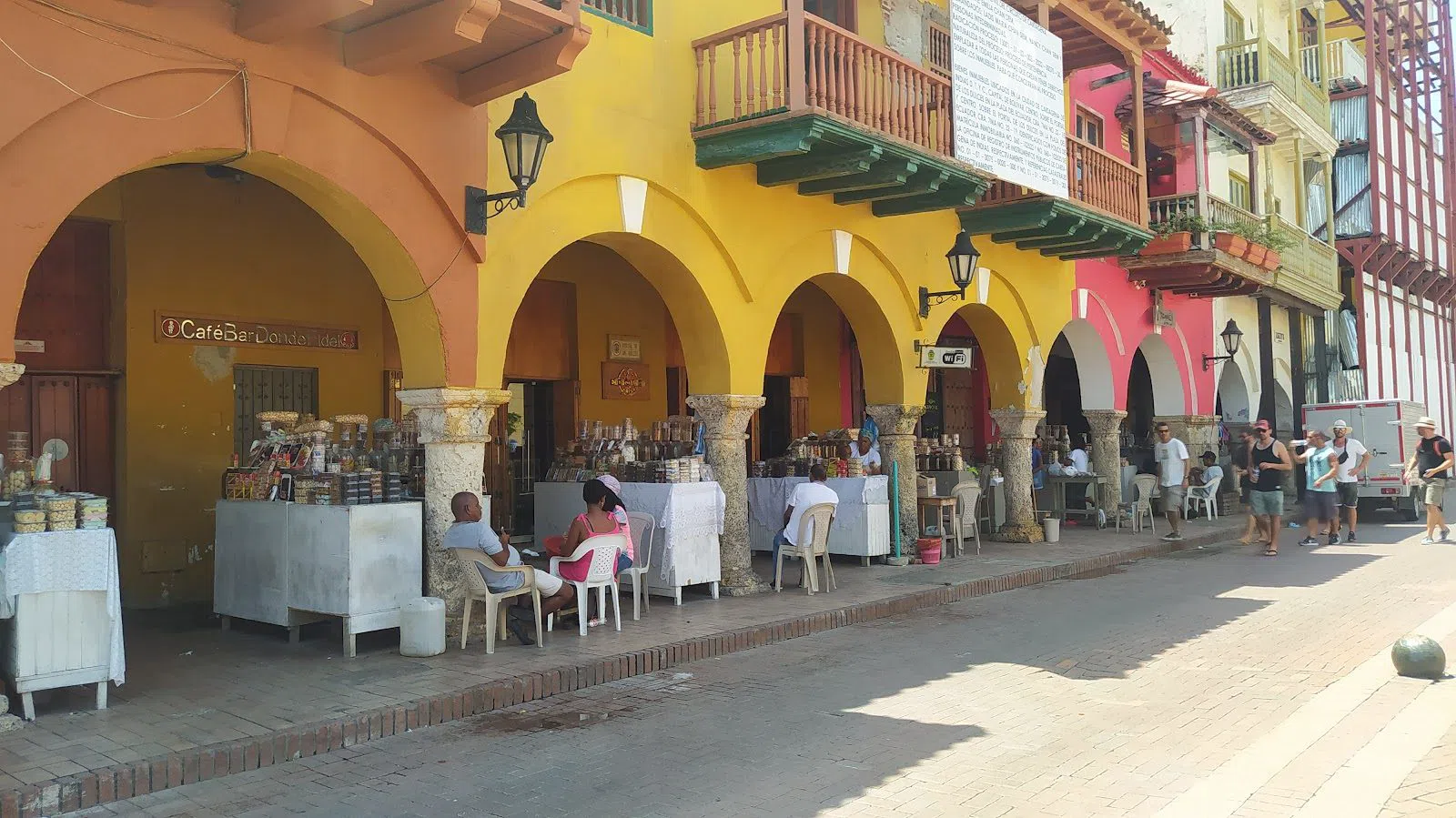
For something to carry home, duck into Portal de los Dulces, the candy arcade beside Plaza de los Coches that has been trading since 1921. It's an open public run of many stalls — groups can graze freely and buy mixed bags to share. The classics are cocadas (chewy coconut sweets) and tamarind balls, COP 2,000–10,000 apiece ($0.50–2.50), and they make the best edible souvenir in the city. Browse a few stalls before you commit, though: quality genuinely varies from vendor to vendor.
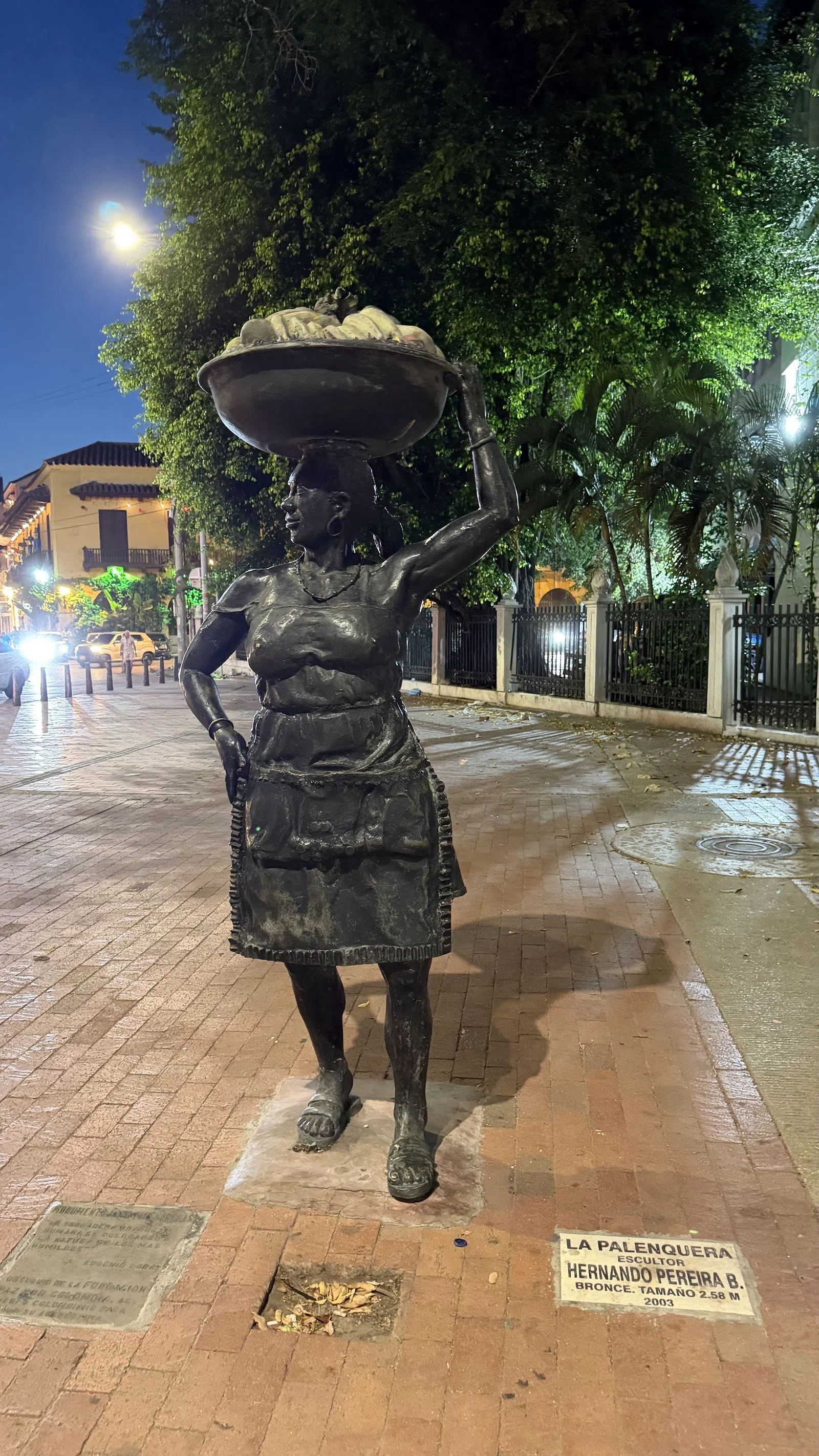
And you cannot write honestly about eating in this city without Las Palenqueras — the roving Afro-Colombian fruit vendors in their bright dresses and fruit-piled bowls, an icon of Cartagena as much as any monument. Buy the fresh cut fruit; it's a perfect quick group snack at COP 5,000–15,000 a cup ($1.50–4). The honest warning, and I give it every time: agree the price and any photo fee before anything happens. Photos are often charged separately, and a friendly misunderstanding can turn into a tourist markup. Settle it upfront with a smile and everyone's happy.
Practical notes for planning
Where to base yourself. Stay inside the walled city or in Getsemaní and almost everything above is walkable — Magola's arepas, the fritos on San Diego, the gelato, the sweets arcade and the Getsemaní night plazas are all a stroll apart. Only Bazurto sits meaningfully out of the centre. Compare rates with the Cartagena hotel search, and if you want the wider context on neighbourhoods and getting around, the full Cartagena guide has it.
Getting to the market. For Bazurto, take a taxi or a rideshare rather than walking — it's a short, cheap ride, and going with a guide or on the tour is strongly advised over navigating solo. Agree the fare or use an app before you set off.
Cash. This is a cash-and-coins crawl. Fry carts, palenqueras, pincho grills and market comedors deal in pesos, not cards. Carry small notes (COP 5,000s and 10,000s), keep them in a front pocket, and don't flash a fat wallet in the evening plazas. Only the sit-down spots and the tour reliably take cards.
Timing. Frying happens in the mornings, so do arepas and market fish early; save the afternoon for gelato and shade; let the pinchos and plazas own the night. The heat peaks in the early afternoon — plan the indoor, sit-down meal at La Cocina de Pepina for then.
Budget. You can eat superbly for very little. A full day of street grazing — arepa, fritos, a market lunch, fruit, a patacón, pinchos and gelato — comes in comfortably under COP 120,000 (about $30) a head if you skip the pricier seated rooms. Add La Cevichería or the guided tour and you're still well inside a modest budget, with the best of Cartagena eaten exactly where it should be: standing up, in the heat, with your hands.
Before you go
What is the must-try street food in Cartagena?
The arepa de huevo — a crackly fried corn shell around a whole soft egg — is the essential bite, best from Donde Magola in the morning. Also seek out fritos like yuca carimañolas, a loaded patacón, Getsemaní pinchos, and cut fruit from the palenqueras.
Is Mercado de Bazurto safe to visit?
Bazurto is thrilling but vast, chaotic and disorienting for first-timers. It's strongly advised to go with a guide or on a food tour, visit in the morning, keep valuables secured, and take a taxi or rideshare there rather than walking.
How much should I budget for street food in Cartagena?
A lot of eating for very little. Individual street items run COP 3,000–35,000 (about $1–9), and a full day of grazing comes in comfortably under COP 120,000 (~$30) per person if you skip the pricier sit-down spots. Carry cash in small notes.
Do Cartagena street food spots take reservations or cards?
Most don't. Fry carts, market comedors, pincho grills and fruit vendors are cash-only walk-ups with no reservations. Only sit-down places like La Cocina de Pepina (book ahead) and the guided tours reliably take cards or bookings.
Which places suit groups versus couples?
Patacón con Todo, the Getsemaní pincho grills and Plaza de la Trinidad are naturally group-friendly. Tiny spots like Donde Magola and La Cevichería suit 2–4 people arriving early; La Cocina de Pepina fits groups of 4–6 only if you book ahead.