The Cartagena issue
Cartagena's Palenqueras: The Fruit-Sellers and the Afro-Colombian Story Behind the Postcard
Behind every postcard photo of a Palenquera balancing a bowl of fruit is a freedom village that beat the Spanish crown - here's how to see both, honestly, in 2026.
By Sanne VermeerWalls, courtyards and the slower Cartagena
The first thing you notice isn't the dress. It's the balance — a woman crossing Plaza Santo Domingo with a wooden bowl of mangoes, papayas and star fruit stacked on her head, not touching it once, talking over her shoulder to a friend. Tourists reach for their phones before they've worked out why. What they're photographing, usually without knowing it, is the tail end of a three-hundred-year-old story about a village that beat slavery by force of arms and then quietly outlasted the empire that tried to put it back in chains.
Where the Story Actually Begins: San Basilio de Palenque
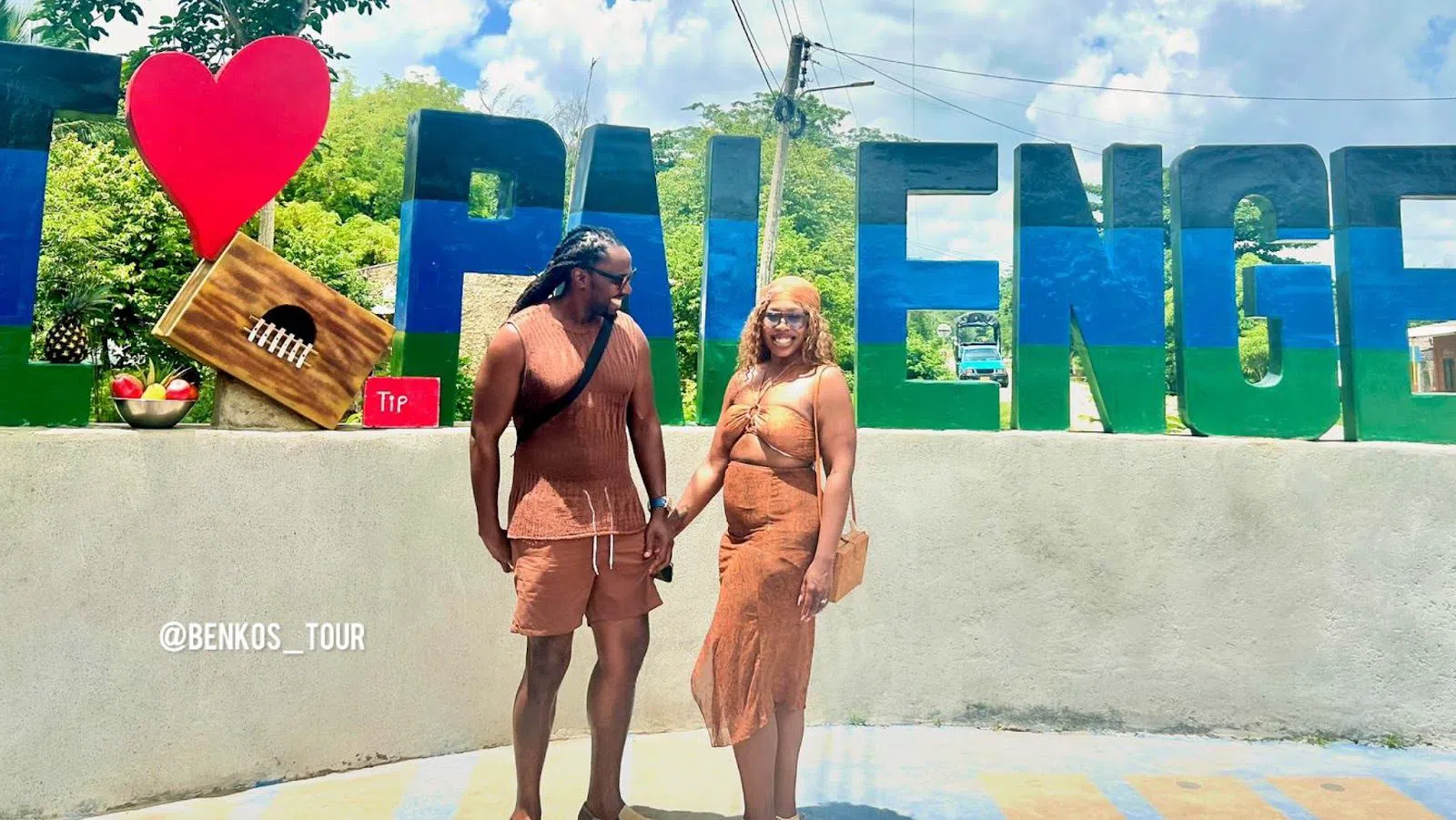
Almost every fruit bowl balanced on almost every head in Cartagena's old town traces back to one place, and it isn't the old town at all. San Basilio de Palenque is a village about an hour southeast of the walled city, founded in the early 1600s by Benkos Biohó, an enslaved man who escaped Cartagena's port, built a fortified settlement in the hills, and armed it well enough that the Spanish crown eventually negotiated rather than fought. It became the first free African town in the Americas — a palenque, the fortified runaway settlements that gave the region its whole vocabulary of resistance — and in 2005 UNESCO recognised it as a Masterpiece of the Oral and Intangible Heritage of Humanity, for the language, the music and the social structure the community kept intact.
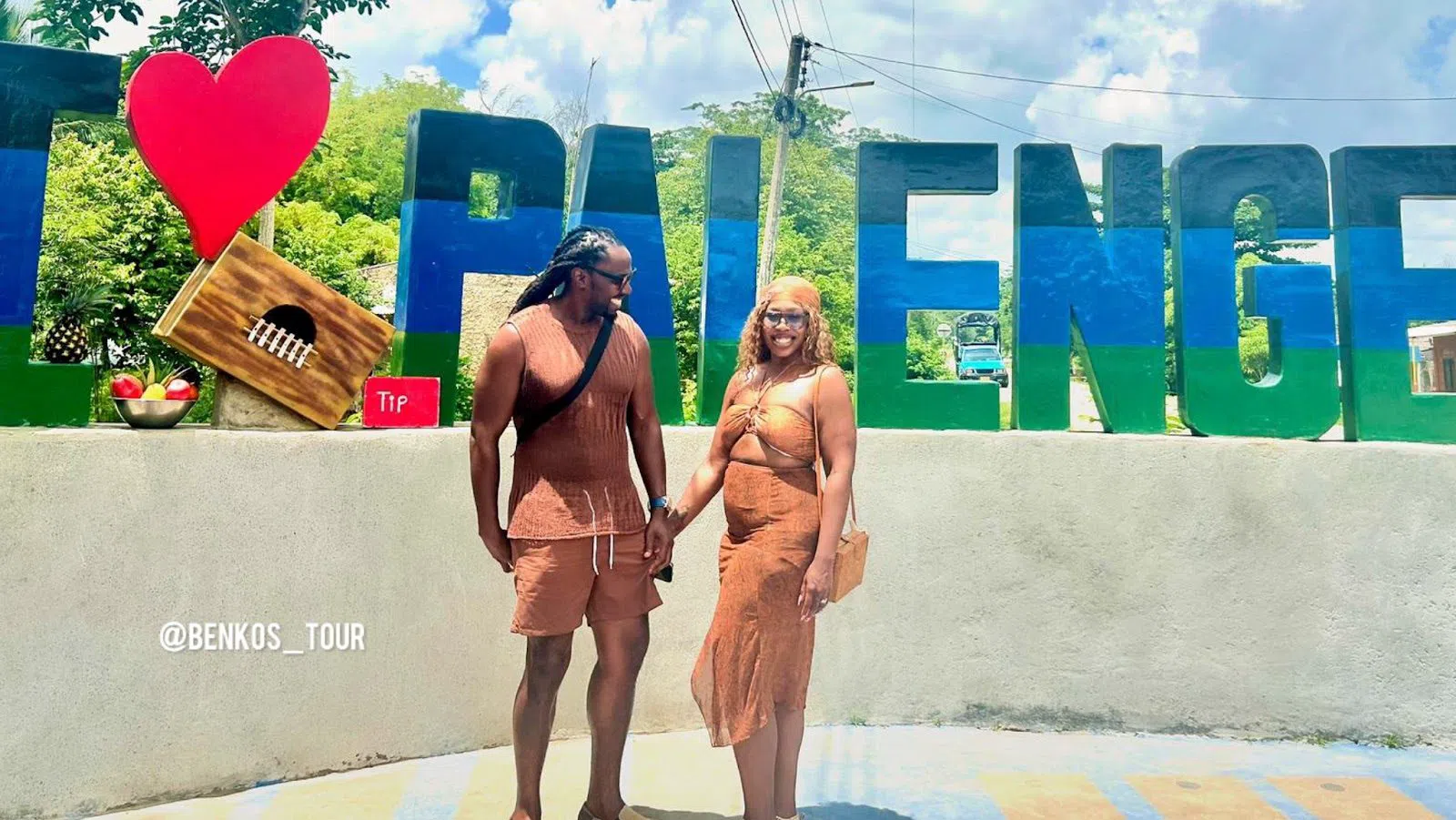
The San Basilio de Palenque Village Day Tour is the honest way to see it, and it's worth treating as the spine of any trip that starts with a photograph of a Palenquera in the old town, not an optional add-on. It runs as a small shared-group outing — typically ten to fifteen people, on set days such as Mondays — and can be arranged privately for larger parties. Expect to pay $65–95 USD per person, which covers transport, a local guide, lunch and usually a drum demonstration; book a few days ahead through a Cartagena tour operator or hotel concierge, since departures are limited rather than daily. Go with the expectation that this is a living community, not a heritage display — people here work, raise children and run small businesses around the visits, and the atmosphere is warmer and slower than the hustle of the walled city.
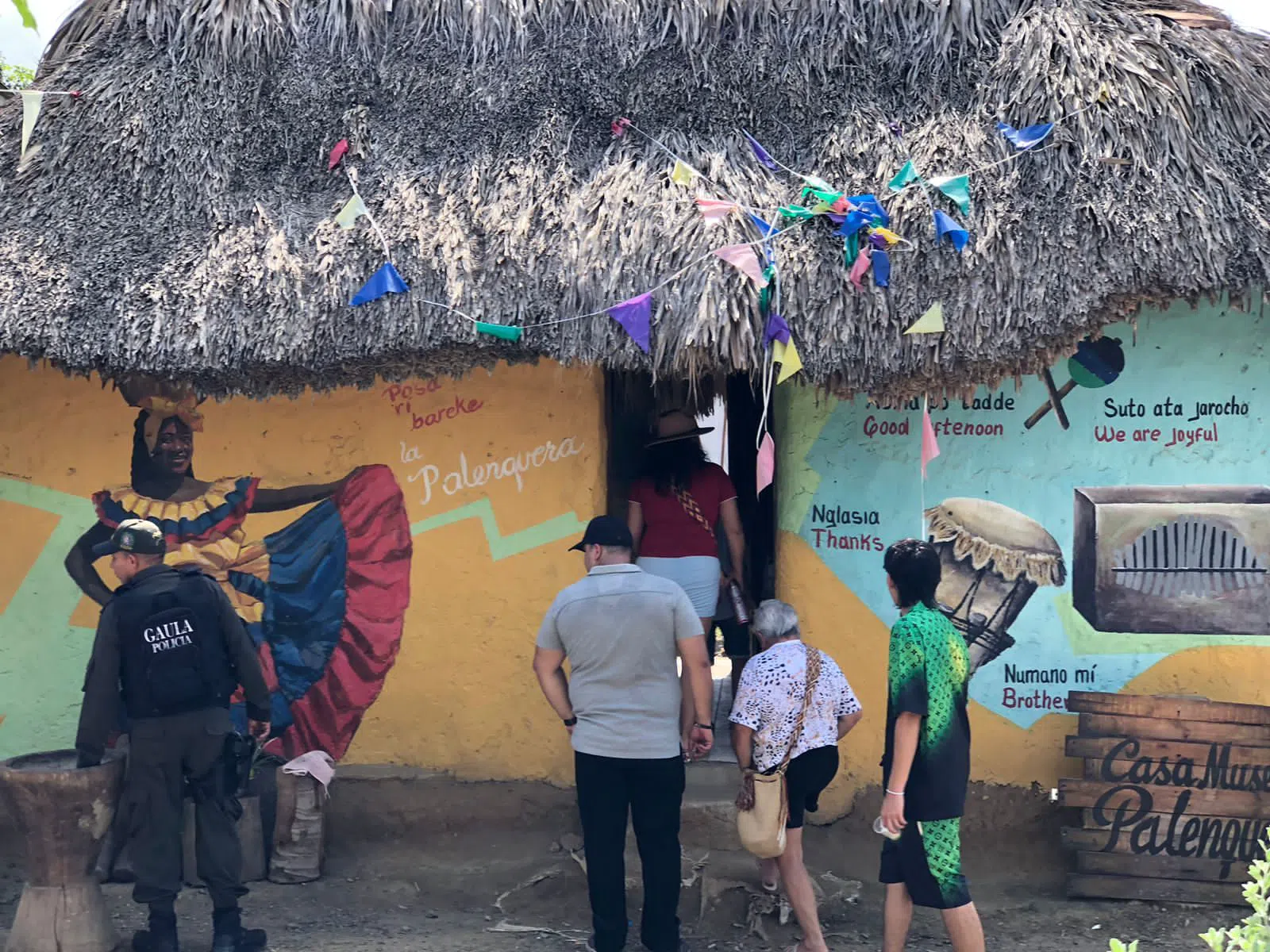
Inside the village, Casa Museo "Simankongo" is a small, community-run museum that welcomes visitors as part of a village stop rather than as a standalone destination — there's no fixed ticket booth or posted hours, and a donation of roughly 5,000–10,000 COP is the norm. It was built collectively starting in 2020, the result of two decades of local organising to give the community a proper home for its own history, and it's the single best place to understand why the fruit bowl became the image it did: not costume, but a working trade carried out of Palenque and into the city for well over a century.
Plan your Cartagena trip
Live prices from our booking partners.
Free cancellation on many rooms. We may earn a commission when you book.
Where Cartagena's Slave-Port Past Meets the Resistance It Produced
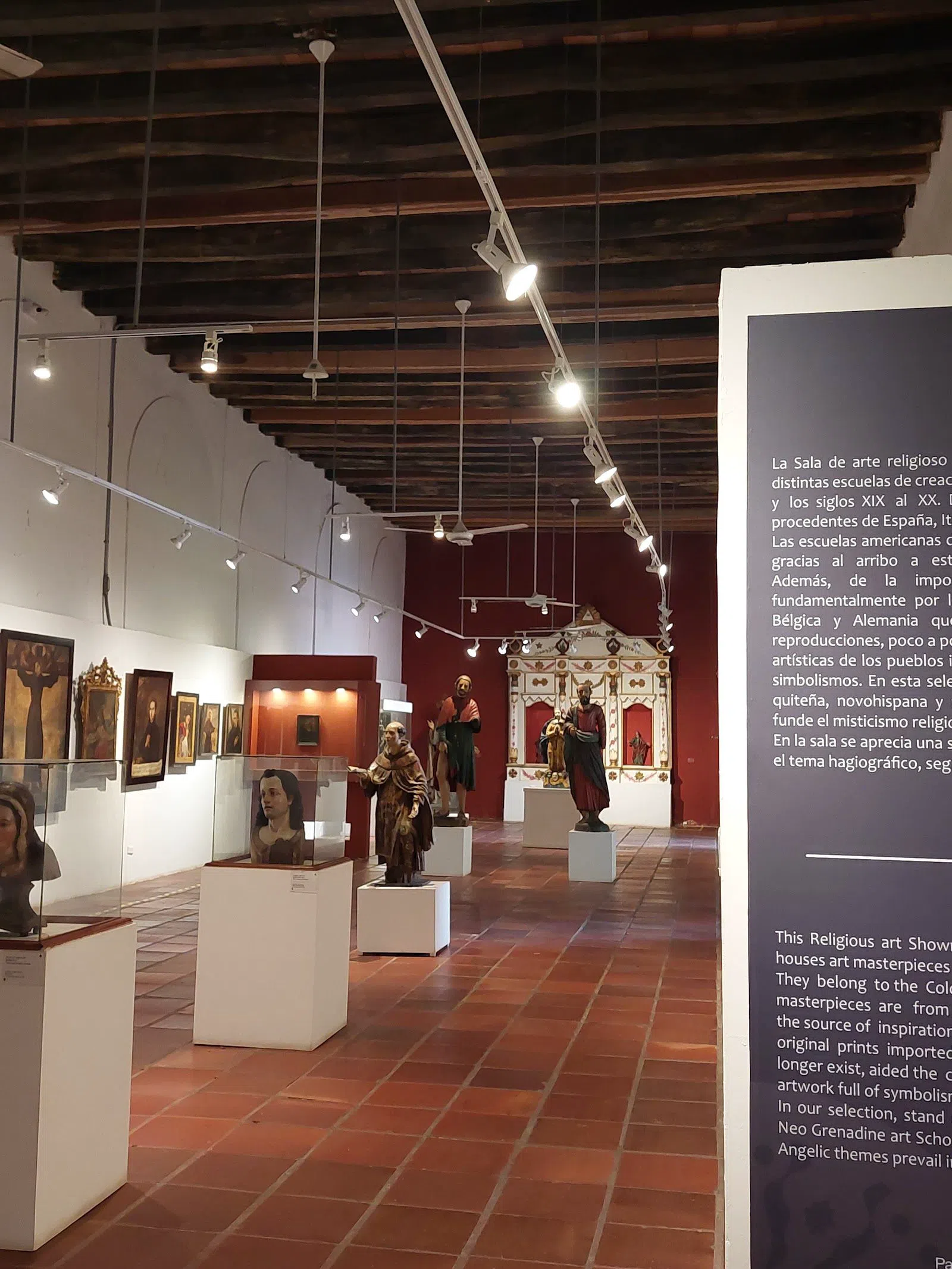
To understand what San Basilio de Palenque was resisting, spend an hour at the Museo San Pedro Claver (Sitio de Memoria Afro), in the old town near the church of the same name. Cartagena was the largest slave port on South America's Caribbean coast, and the museum — which describes itself as a self-declared Afro Memory Site — draws the direct line between that history and the freedom villages it produced. Entry runs 35,000–45,000 COP, with a reduced rate for local visitors, and there's an on-site ticket booth so no advance booking is needed. Groups are welcome, and it pairs naturally with a walk through the surrounding streets, but go in expecting a serious, sometimes heavy museum rather than a quick photo stop — it rewards the hour you give it.
The Postcard Itself: Meeting the Palenqueras
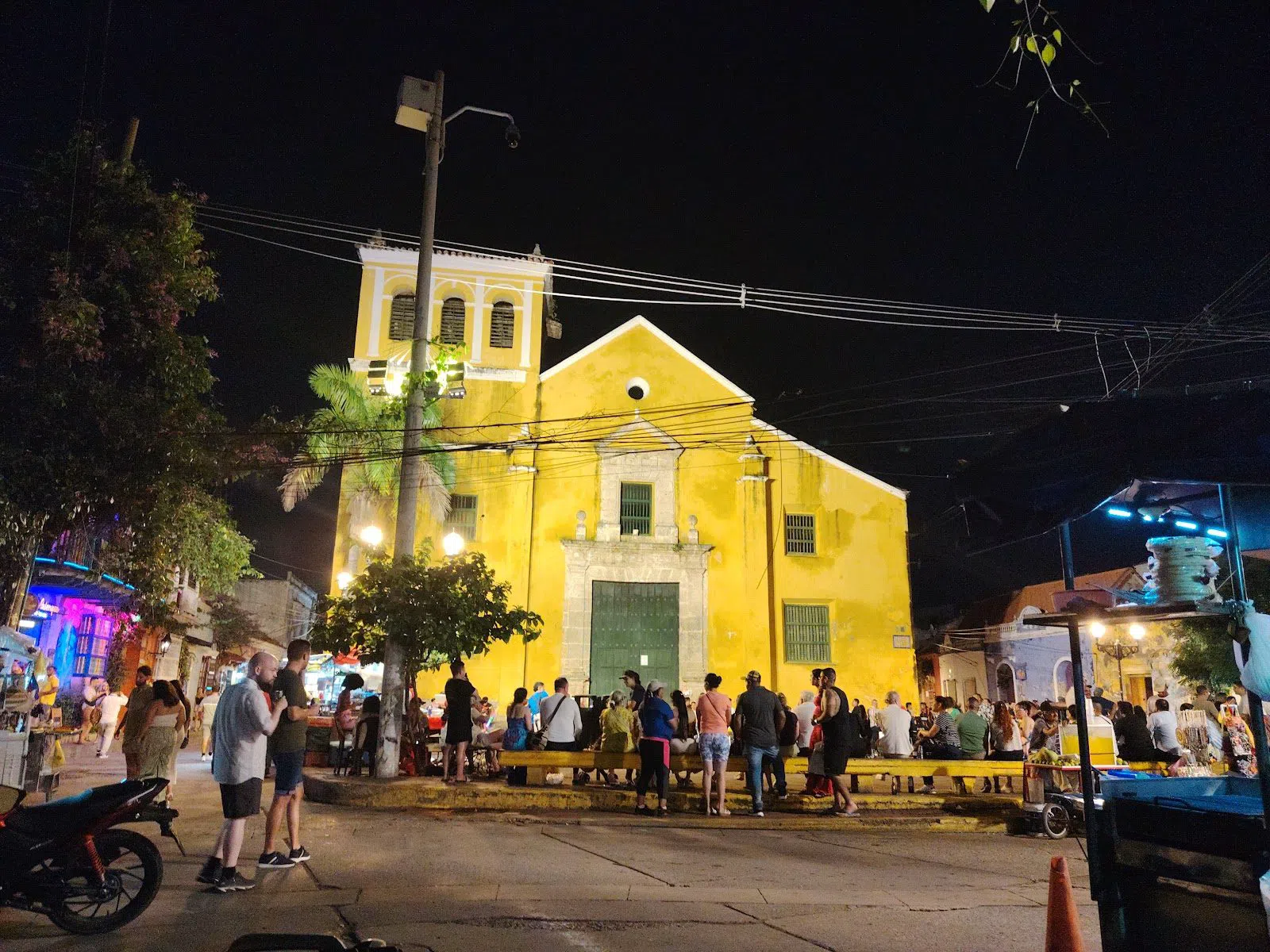
This is the image the whole piece is built around, so it's worth being precise about it. The Palenqueras of Plaza Santo Domingo & Plaza de la Trinidad, in the old town and neighbouring Getsemaní, are descendants of that same Palenque trading tradition, still carrying bowls of fruit through the two squares where the light and the crowds are best for it. The arrangement is informal — there's no ticket, no set roster — but there's an etiquette that matters. Approach a woman or a small cluster individually, agree on the price before you raise your phone, and understand that you are paying per photograph, per woman, not for a general blanket permission. Figure on roughly 50,000 COP (around $12) per Palenquera per photo, and negotiate it plainly rather than assuming a smile means yes to unlimited shots.
It's also worth asking a name and using it, rather than treating the encounter as a piece of street furniture. These are working women, many of them supporting families on exactly this trade, continuing something their grandmothers did before selfie culture existed and will likely do after it fades. A fair tip and a genuine hello go further here than in almost any other transaction in the city.
The Sweets Counterpart, One Arcade Over
A few minutes' walk from Plaza Santo Domingo, at the old city gate, Portal de los Dulces on Plaza de los Coches runs the same story in sugar rather than fruit. It's a long arcade of informal stalls — no booking, no minimum, fine for a couple or a group of ten — selling coconut sweets, cocadas and other traditional confections, mostly 2,000–5,000 COP each. The vendors here belong to the same lineage of Afro-Colombian women traders as the Palenqueras with the fruit bowls, and the arcade itself has run more or less unbroken for over a century. It's a five-minute stop, not an outing, but it's the natural second half of the postcard: buy something, rather than only photographing someone.
Eating and Drinking the Culture, Not Just Looking at It
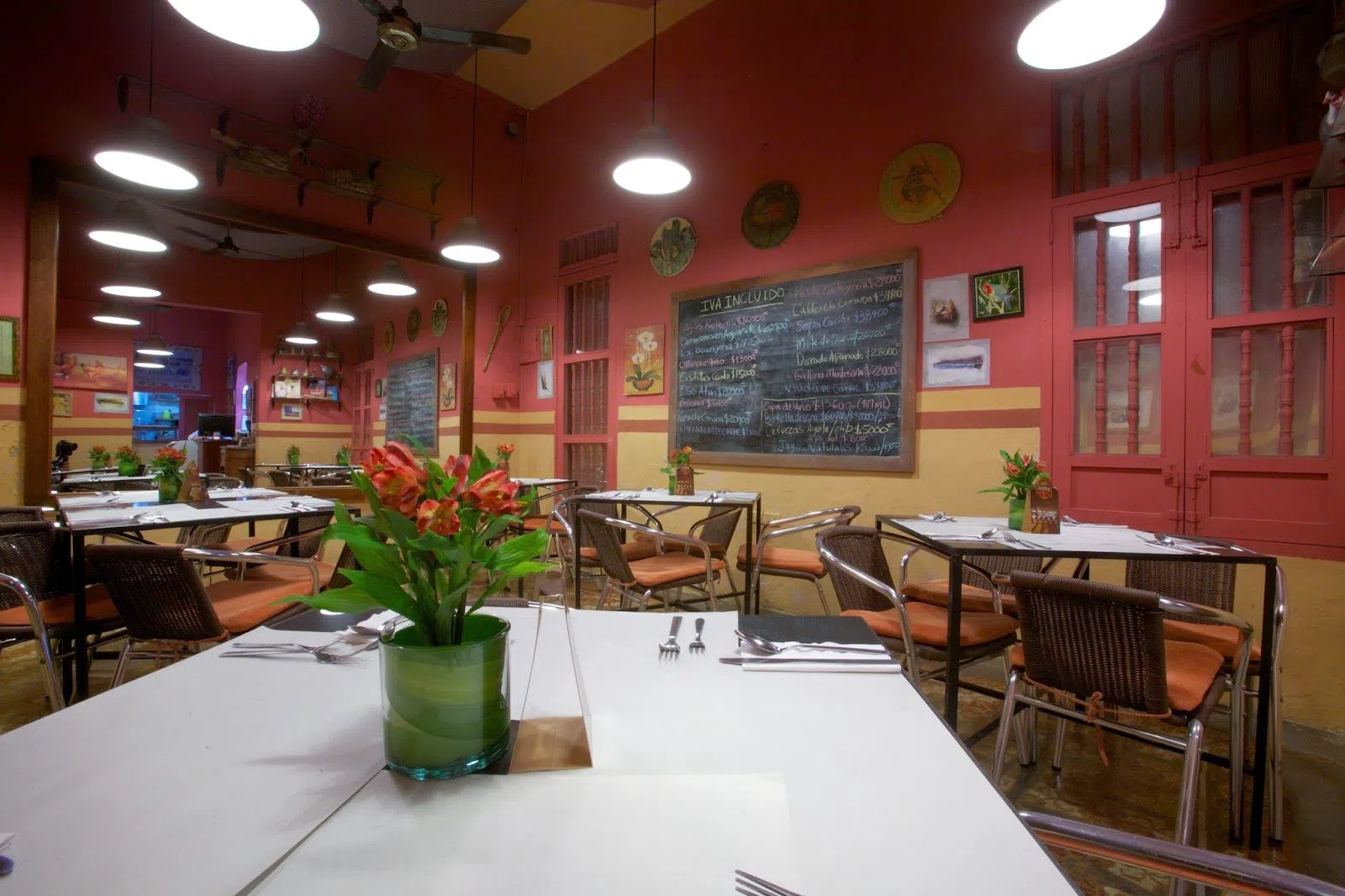
For a proper sit-down meal rooted in the same coastal Afro-Caribbean tradition, La Cocina de Pepina, tucked into Getsemaní, is the least showy and most convincing option. It seats around twelve people, runs first-come-first-served, and serves recipes carried through three generations of one family — expect coconut rice, fried fish, patacones, the backbone dishes of this coast rather than a tourist-menu version of them. Mains run $8–15 USD. It's a poor fit for a large group without calling ahead — you'll simply be turned away or told to wait — but ideal for a couple or a table of three or four willing to queue a little.
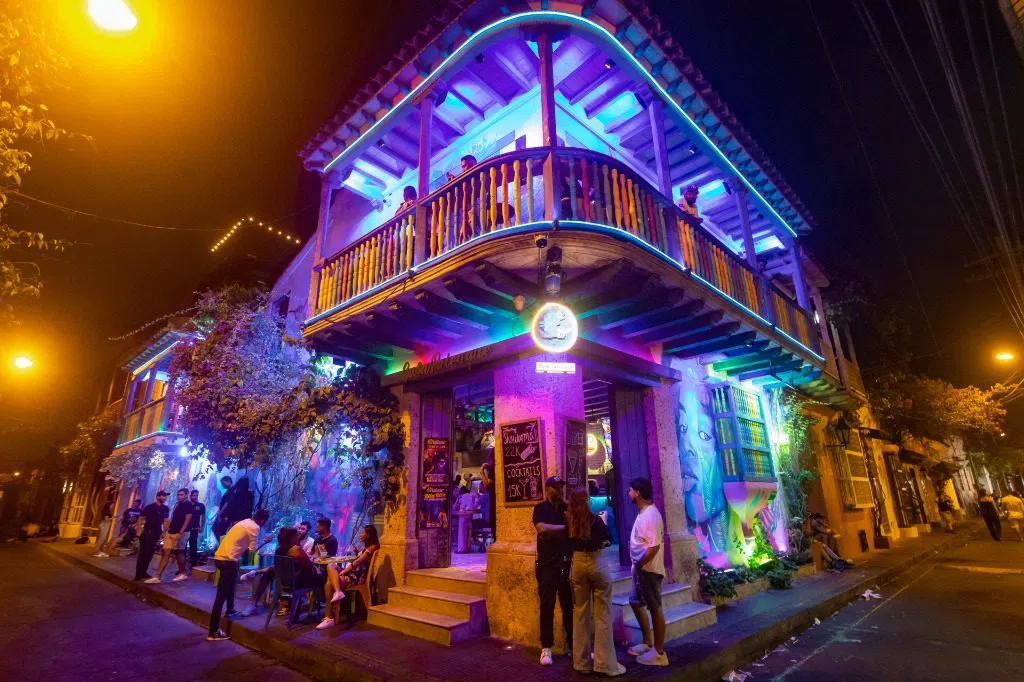
If the plan is heritage with a cocktail rather than a home-cooked plate, Casa Palenque Cartagena is the closest thing the city has to Palenque culture staged and remixed for an evening out — part restaurant, part club, part rooftop, and comfortable with groups. Reservations are worth making for dinner, since tables go quickly, and the club section fills up late and can carry a cover charge on music nights. Mains run $15–30 USD. It's not a substitute for the village itself, but it's a legitimate, enjoyable way to close a day that started there.
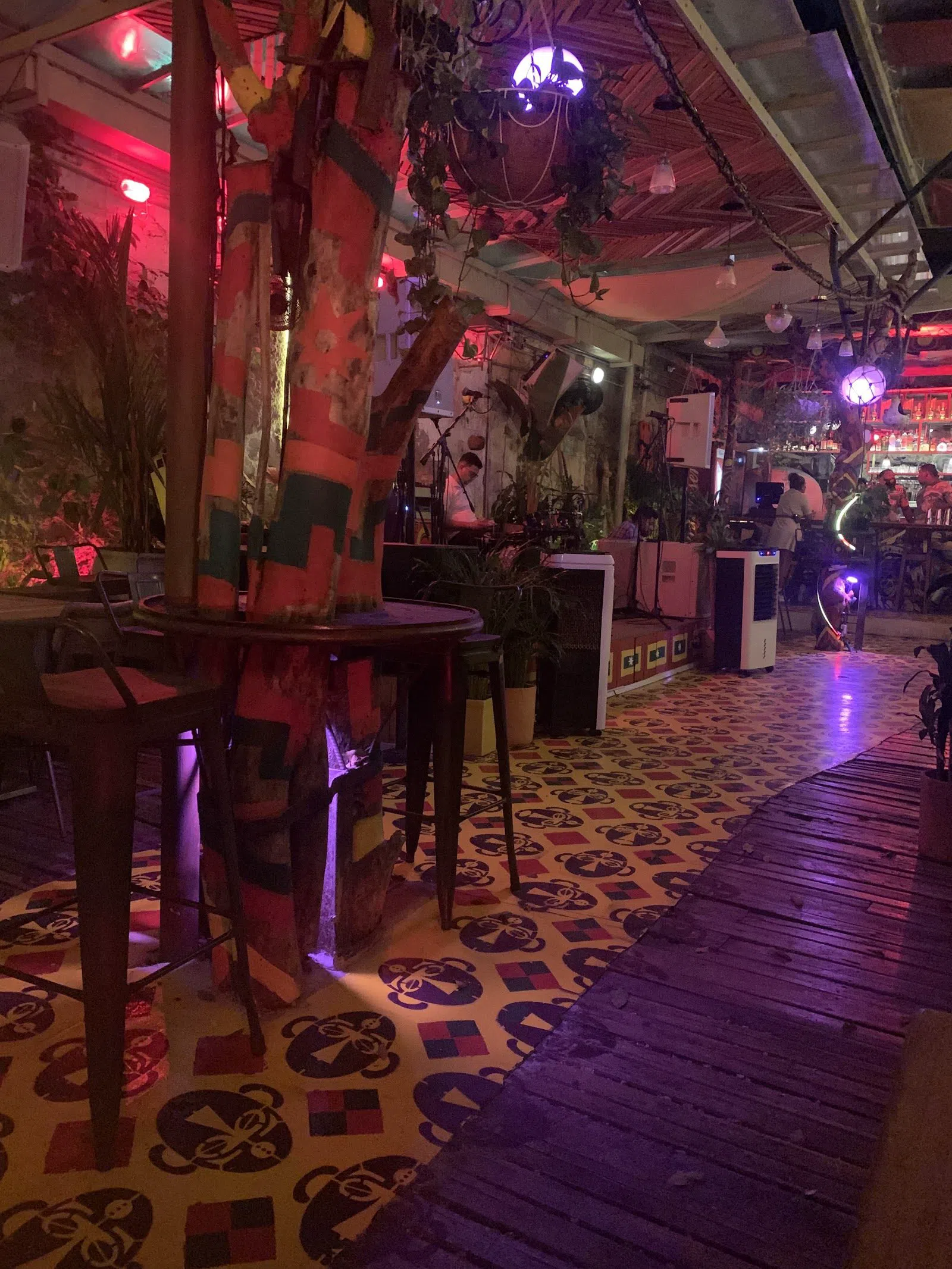
For the music rather than the food, Bazurto Social Club in Getsemaní is where champeta — the electric, endlessly danceable sound that grew out of Cartagena's Afro-Colombian barrios, not out of any tourist board — gets played live rather than piped through café speakers. Groups are welcome and tables can be reserved, cover is a modest $4 or so on top of regular bar prices, and the room gets properly loud and properly full after 11pm. Go for the music, not for a quiet conversation.
Going Deeper: A Market Tour and a Dance Class
Cartagena Insider — Bazurto Market Adventure takes small private groups, best suited to four to eight people, through Bazurto, Cartagena's real working produce market — the loud, unglamorous, entirely local counterpart to the curated old-town squares. At $55–65 USD per person including lunch, it's not cheap for a market walk, but proceeds support FEMColombia, an NGO working on land rights for Afro-descendant and Indigenous communities, which ties the outing directly back to the same freedom-village politics that built San Basilio de Palenque in the first place. Worth booking a day or two ahead given the small group size.
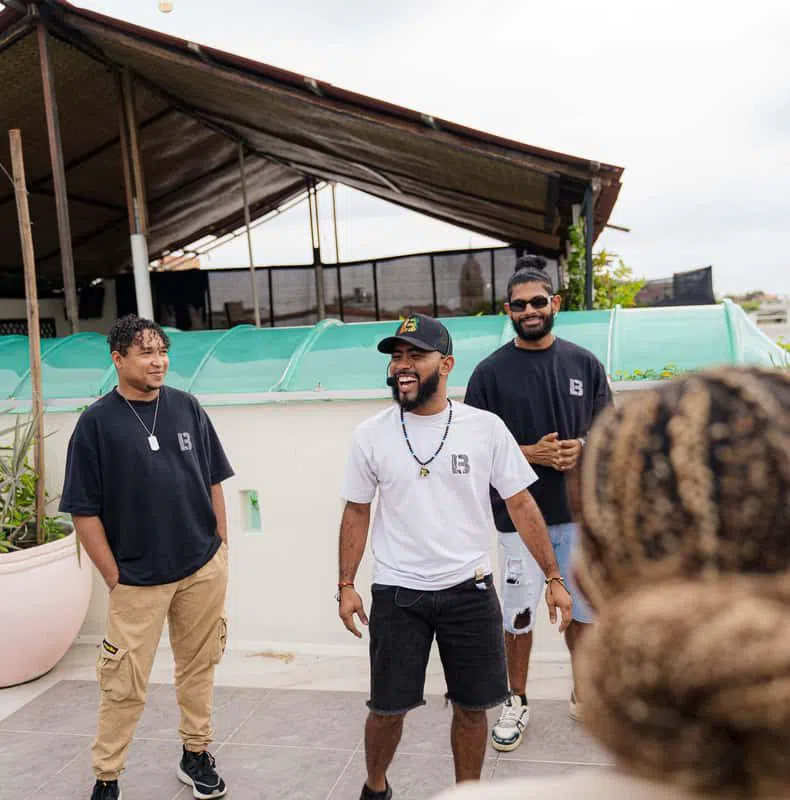
To put the culture in your body rather than just your camera roll, Champeta With Us, It's a Vibe, run by the Afro-Colombian collective Black Legacy, teaches the dance that grew out of the same communities as the Palenqueras. Classes are capped at around ten travellers, which keeps it genuinely useful for beginners rather than a chaotic group demo, and cost $35–45 USD per person. It suits a small group or a couple happy to be a little uncoordinated in public; it's not built for a large party or a stag-do crowd, and the instructors will say so if you ask.
Planning the Day: Transport, Cash and Timing
Base yourself in the old town or Getsemaní and most of this is walkable — Plaza Santo Domingo, Plaza de los Coches, San Pedro Claver and La Cocina de Pepina all sit within a fifteen-minute radius of each other. The San Basilio de Palenque day tour and the Bazurto market tour both require transport out of the historic centre, which is why they're sold with it included; don't try to reach either independently unless you're comfortable arranging a driver and a guide yourself. If you're still choosing where to stay, a Cartagena hotel search filtered to the walled city or Getsemaní puts you closest to nearly everything on this list except the village itself.
Carry cash. Palenquera photo tips, sweet stalls at Portal de los Dulces, museum donations and club covers are almost entirely a COP-cash economy, and small bills matter — nobody wants to make change for a large note over a 3,000 COP sweet. ATMs are plentiful in the old town but not inside San Basilio de Palenque, so bring what you need for the day before you leave Cartagena.
On timing, mornings suit the squares — the Palenqueras are out early to beat the heat, and San Pedro Claver is far more pleasant before midday sun hits the old town's stone streets. Evenings belong to Casa Palenque Cartagena and Bazurto Social Club; neither really starts moving until after dark. The village day tour typically departs early and returns mid-afternoon, so treat it as a full day rather than trying to combine it with much else.
Budget-wise, a single day touching the free-to-cheap end — the two plazas, Portal de los Dulces, a meal at La Cocina de Pepina — can run under $50 USD including tips and photos. Add the San Basilio de Palenque tour, San Pedro Claver, and an evening at Casa Palenque or Bazurto Social Club, and a fuller two-day version of this itinerary lands somewhere between $150 and $250 USD per person, tour and dinner included. For the wider context on where to stay, eat and move around the city beyond this story, the full Cartagena guide covers the rest of the trip.
Before you go
Who exactly are the Palenqueras in Cartagena?
The Palenqueras are Afro-Colombian women, descended from the community of San Basilio de Palenque, who sell fruit - traditionally carried in a bowl balanced on the head - around Cartagena's old town, most visibly in Plaza Santo Domingo and Plaza de la Trinidad. Their bright dress and trade are a living continuation of a tradition that runs back to Palenque itself.
How much should I pay a Palenquera for a photo?
Agree the price before you shoot, not after. Expect roughly 50,000 COP (around $12 USD) per Palenquera per photograph, negotiated upfront and paid per woman if you're photographing more than one - it isn't a flat fee for unlimited shots.
Is San Basilio de Palenque worth visiting as a day trip from Cartagena?
Yes - it's the origin point of the whole Palenquera story, a UNESCO-recognised freedom village founded by escaped enslaved people in the early 1600s. Small shared-group day tours run on set days (around $65-95 USD per person including transport, guide, lunch and a drum demonstration), or can be booked privately for larger groups.
What's the difference between visiting Plaza Santo Domingo and taking the San Basilio de Palenque tour?
The plazas give you the postcard image - Palenqueras selling fruit in the old town. The village tour gives you the source: the actual freedom settlement, its museum, and the community the trade comes from. They're complementary, not interchangeable, and this guide treats the village as the more essential of the two.
Do I need to book anything in advance for this itinerary?
Book ahead for the San Basilio de Palenque day tour and the Bazurto market tour, since both run in small groups on limited departures, and for dinner at Casa Palenque Cartagena. The plazas, Portal de los Dulces and Museo San Pedro Claver don't need advance booking - just cash and, for the museum, an entry fee paid on arrival.