The Cartagena issue
How Many Days Cartagena Actually Needs
Three days, five, or a full fortnight: what each length of stay in Cartagena genuinely buys, and the days that stop the old town becoming one long loop.
By Sanne VermeerWalls, courtyards and the slower Cartagena
Cartagena is a small city wearing an enormous wall, and the wall is what misleads people. It makes the place look finishable: a ring of coral stone around a grid you can cross on foot in twenty minutes, so by the second evening you have walked every street inside it twice and a quiet suspicion forms that you have booked too many nights. The suspicion is wrong, but only if you stop treating the ramparts as the destination and start treating them as the address where you sleep.
The first two days belong to the fortifications
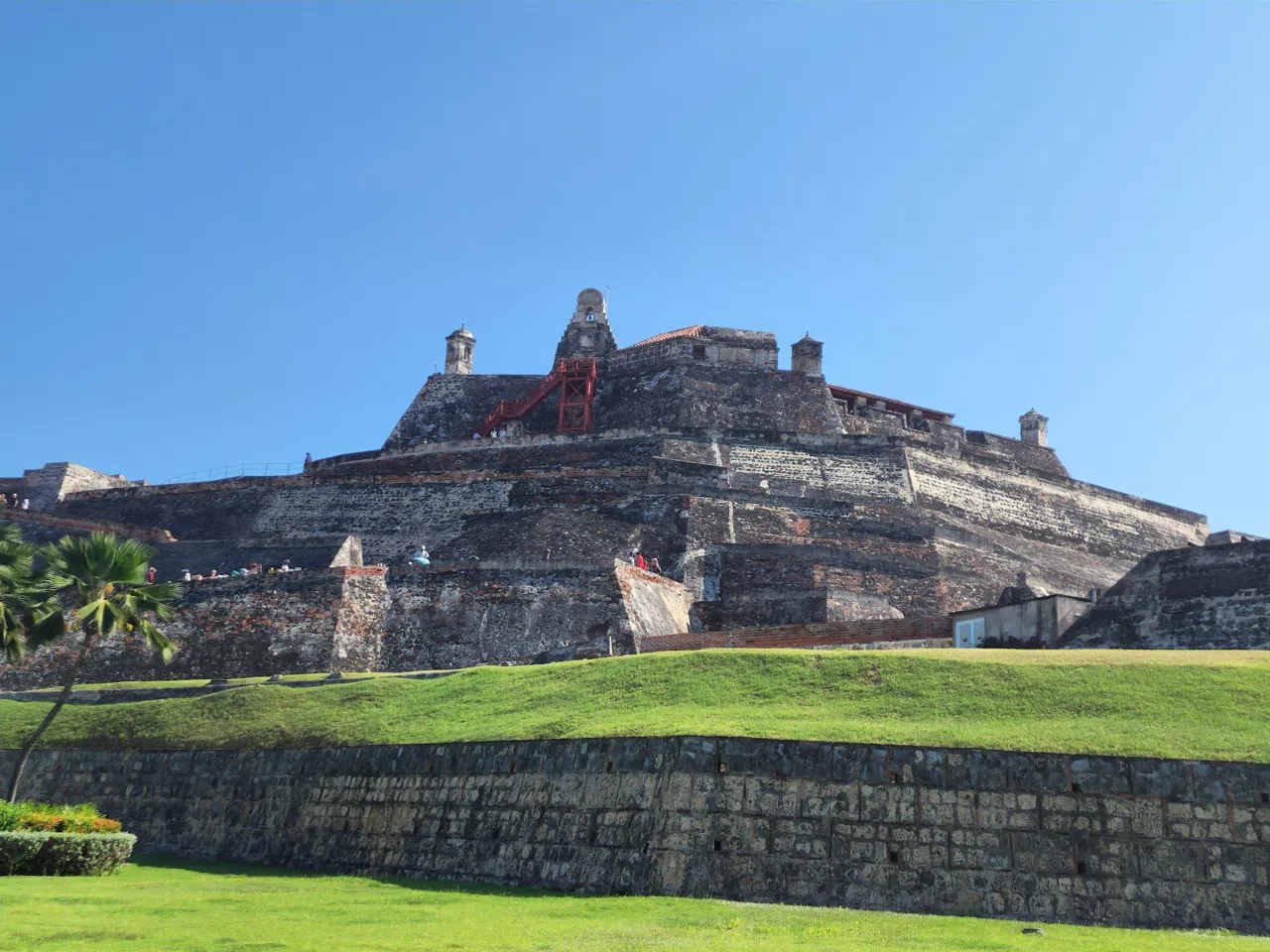
Begin above the city rather than inside it. Castillo San Felipe de Barajas (on the hill of San Lázaro, five minutes by taxi from the walls) is the largest fortification the Spanish raised anywhere in the Americas, built and rebuilt across the eighteenth century by engineers who assumed, correctly, that the city would be attacked again. What survives is a working piece of military mathematics rather than a ruin: sloped batteries angled to bounce cannon fire, and a lattice of tunnels cut narrow enough that defenders could hear footsteps coming through the stone.
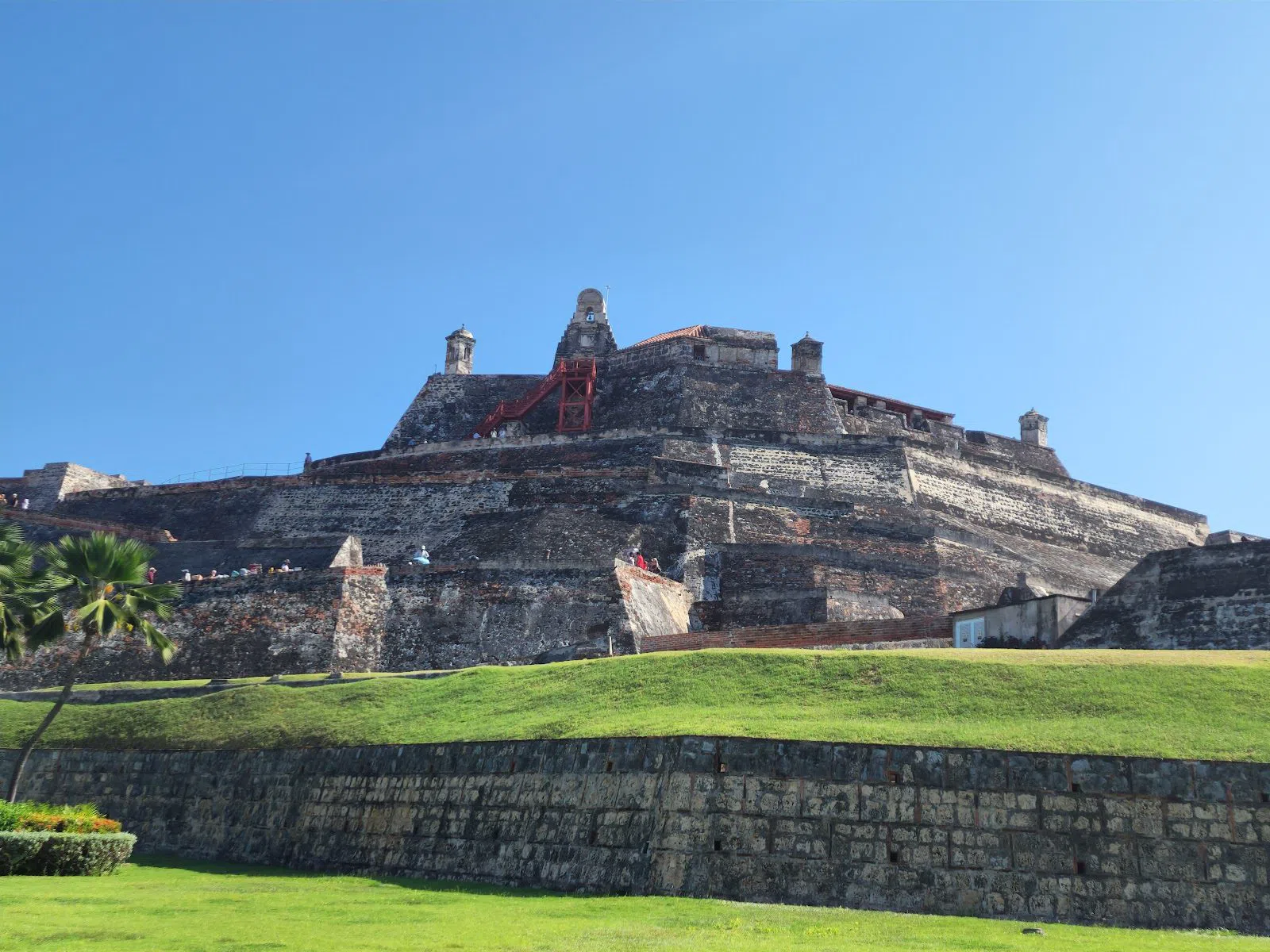
It opens daily 8am to 6pm, ticketing is walk-up, there is no door policy and large groups are fine. Guides tout for work at the entrance ramp and an audio guide rents at the gate for around COP 15,000; entry runs roughly COP 25,000 to 50,000, with the higher rate for foreign visitors. Go at opening or after four. The ramps are pale unshaded stone and hold the midday heat like a griddle, and the low light is also when the fortress stops resembling a diagram and starts resembling a threat. Budget half a day and treat it as the anchor of the whole trip.
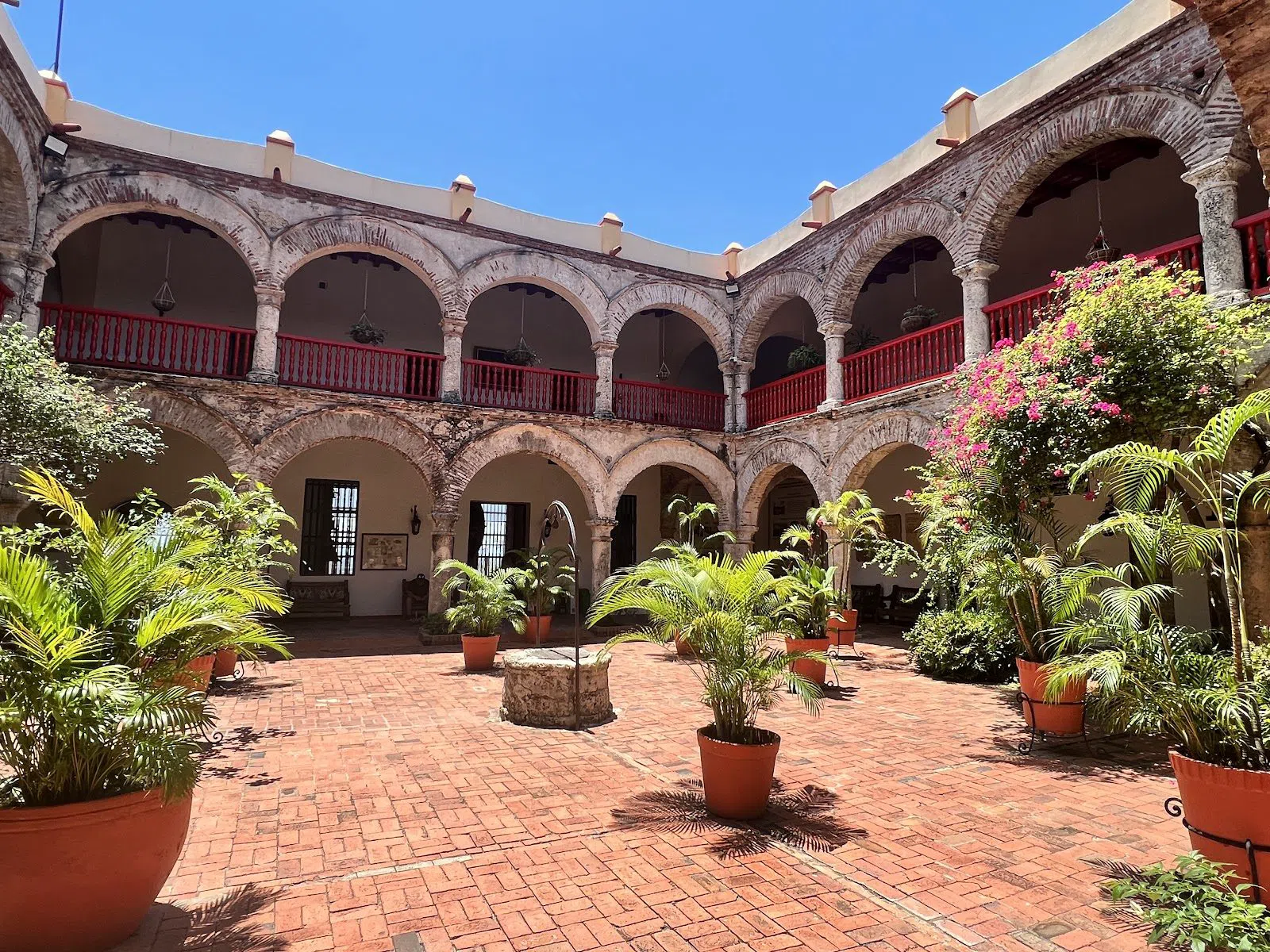
From the gate, take a taxi straight up to Convento de la Popa de la Galera (Cerro de la Popa, the ridge immediately behind the fortress). Adults pay about COP 25,000 and children about COP 10,000; thirty to sixty minutes is enough. The access road is not walkable, so everyone arrives by cab or tour van and there is no door policy to negotiate. What the convent gives you is the one view that makes the city's geography legible in a single sweep: the walled town on its spit, the bay curling behind it, the islands scattered west and the mainland running away to the south. Done on the same morning as San Felipe, it organises everything you do afterwards.
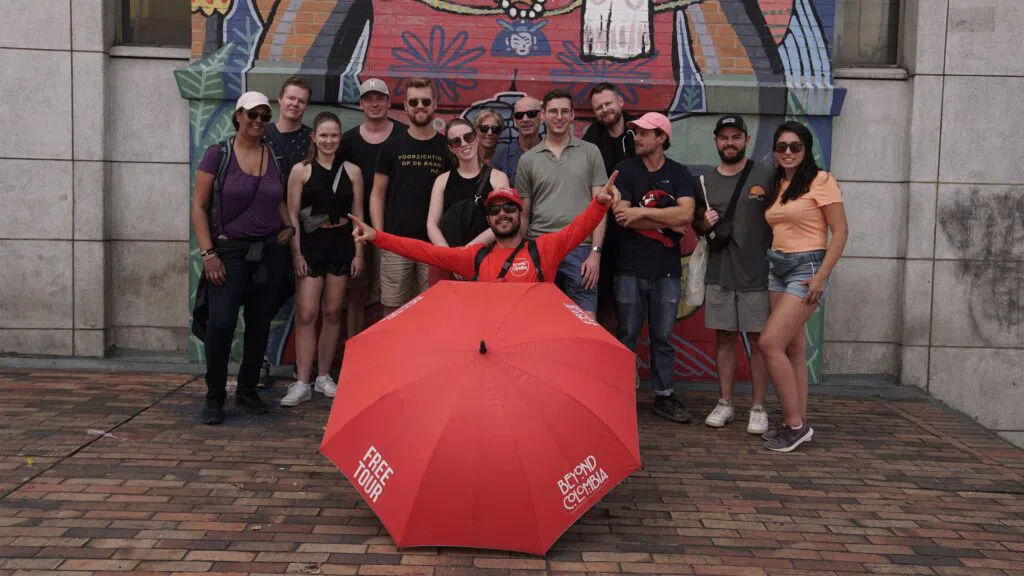
Save the first evening for the Getsemaní walking tour (Getsemaní, starting a short walk outside the Puerta del Reloj), run tip-based by Beyond Colombia on fixed daily departures. Two hours here converts Getsemaní from the cheaper part of town into the part people extend their trip for: the plazas where the independence conspiracy was hatched, the murals, the old rooming houses now priced like boutique hotels. The going tip is COP 40,000 to 60,000; private tours start around USD 40, and any party over six should reserve a slot rather than turn up hoping. Do it early in the stay and the rest of your evenings have context.
Plan your Cartagena trip
Live prices from our booking partners.
Free cancellation on many rooms. We may earn a commission when you book.
Day three is where most itineraries sag
The standard mistake is spending it walking the same seven blocks a fourth time. Two half-days outside the walls fix it, and both are better than anything left inside them.
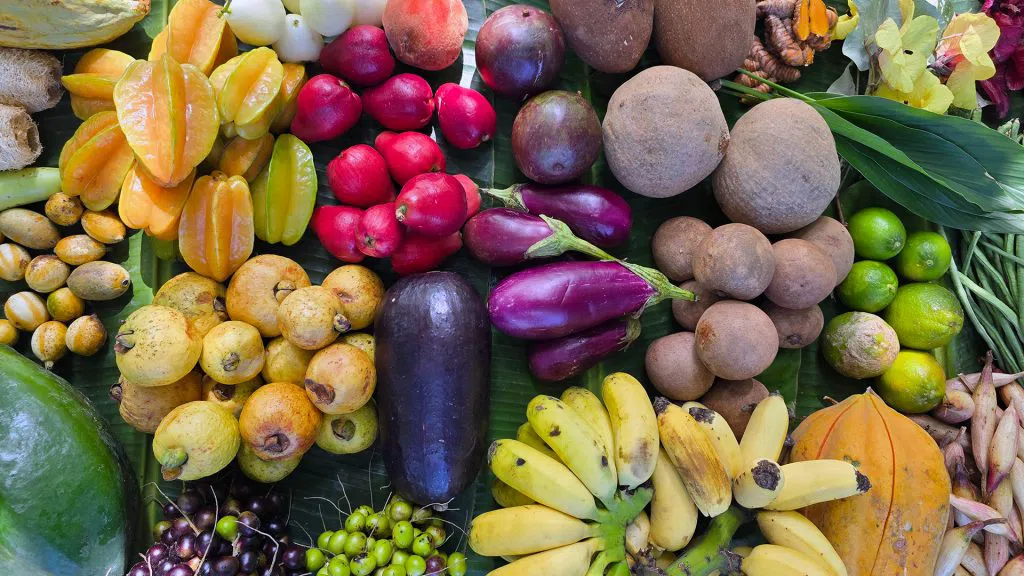
Mercado de Bazurto with Cartagena Insider Tours (Bazurto, ten minutes east by taxi) is the counterweight to the postcard: the market that actually feeds the city, where the fish comes off the boats and the fruit sellers work a colour range the old town never shows you. Tours are small-group or private only, guided start to finish from Parque Centenario, at roughly USD 50 to 70 per person including lunch at Cecilia's, the stall Anthony Bourdain filmed. Ticket revenue funds the FEM land-rights non-profit. Go with a guide rather than alone, less for the theatre of it than because this is a vast unsignposted working market and a guide is the difference between a meal and a wander.
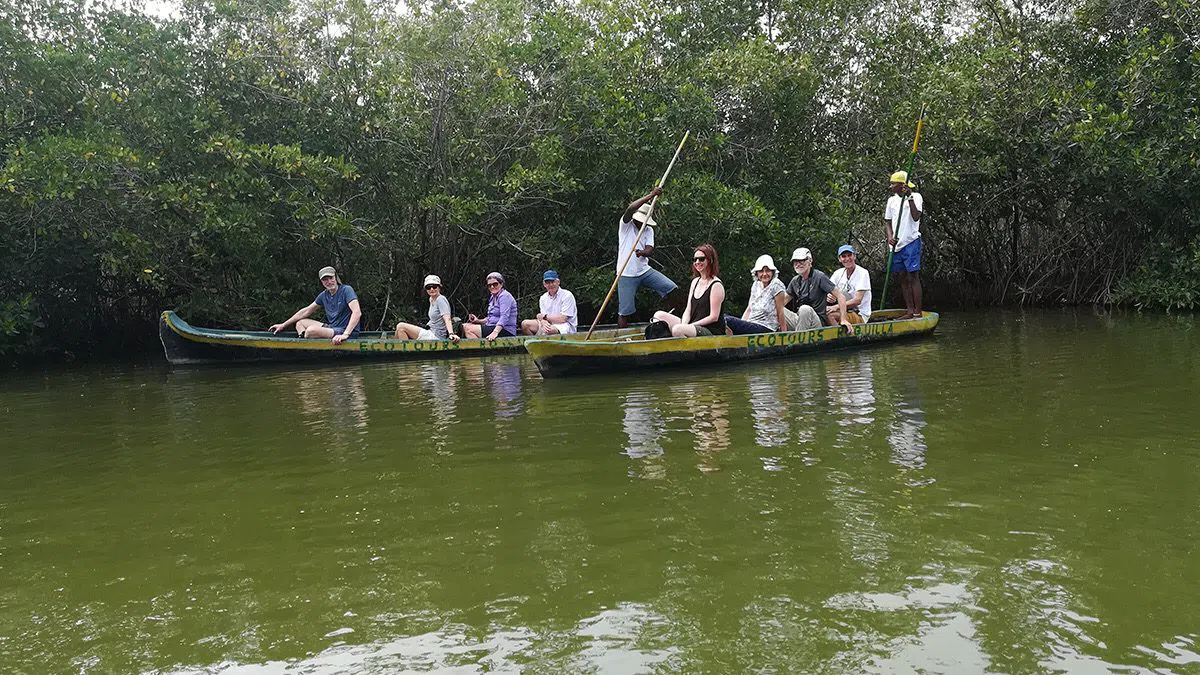
The other half-day is water without a beach club. Ecotours Boquilla mangrove canoes (La Boquilla, fifteen minutes north) are paddled through channels the local Afro-Colombian fishing community cleared and replanted themselves, and the silence a hundred metres in is the first properly quiet thing most visitors experience here. Around USD 25 to 45 per person, with night bioluminescence trips priced separately; book a day ahead. Each canoe takes small numbers, so a group splits across several boats with a local guide in each.
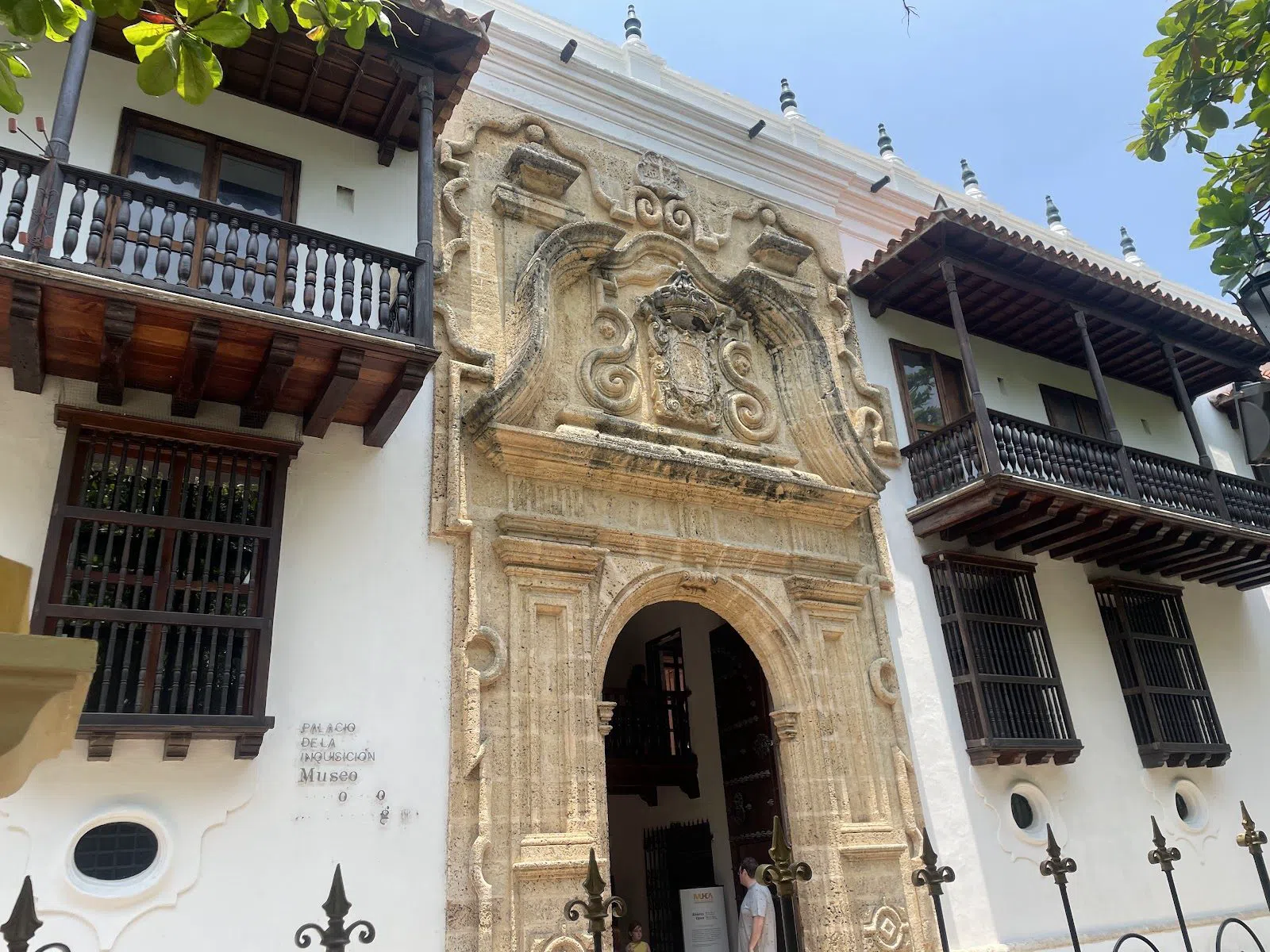
Keep one indoor card in reserve for a downpour or a brutal afternoon. Museo Histórico de Cartagena (the Palacio de la Inquisición, on Plaza de Bolívar in the Centro) is the rare museum that earns its ticket. The building housed the Inquisition tribunal, and the museum neither sensationalises that nor tiptoes past it. COP 24,000 for adults, COP 20,000 for students, teachers and seniors, under-fives free; Monday to Saturday 9am to 6pm, Sunday and holidays 10am to 4pm. Walk-in, though school and educational groups must book by email.
The nights carry more of the stay than the days
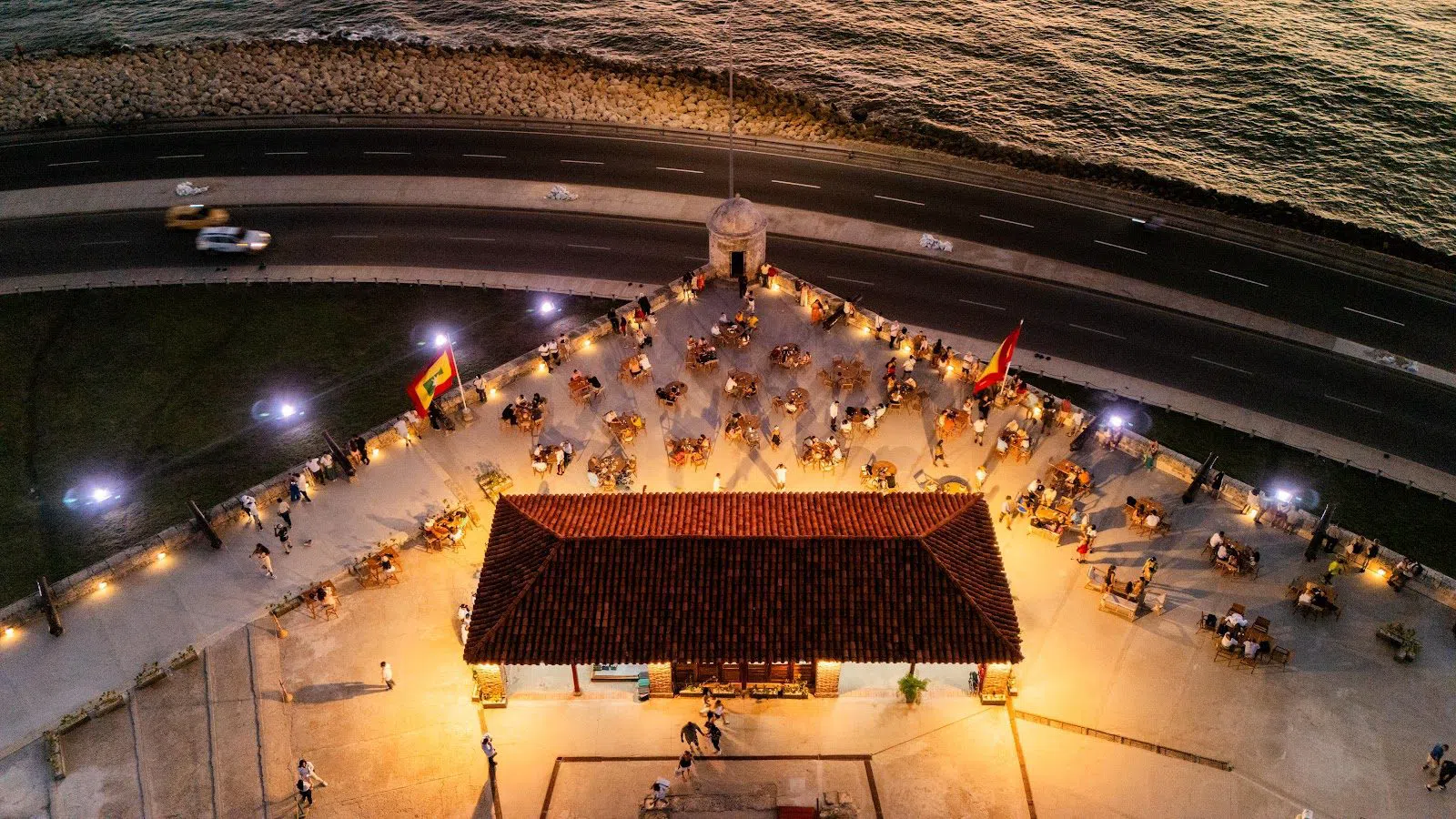
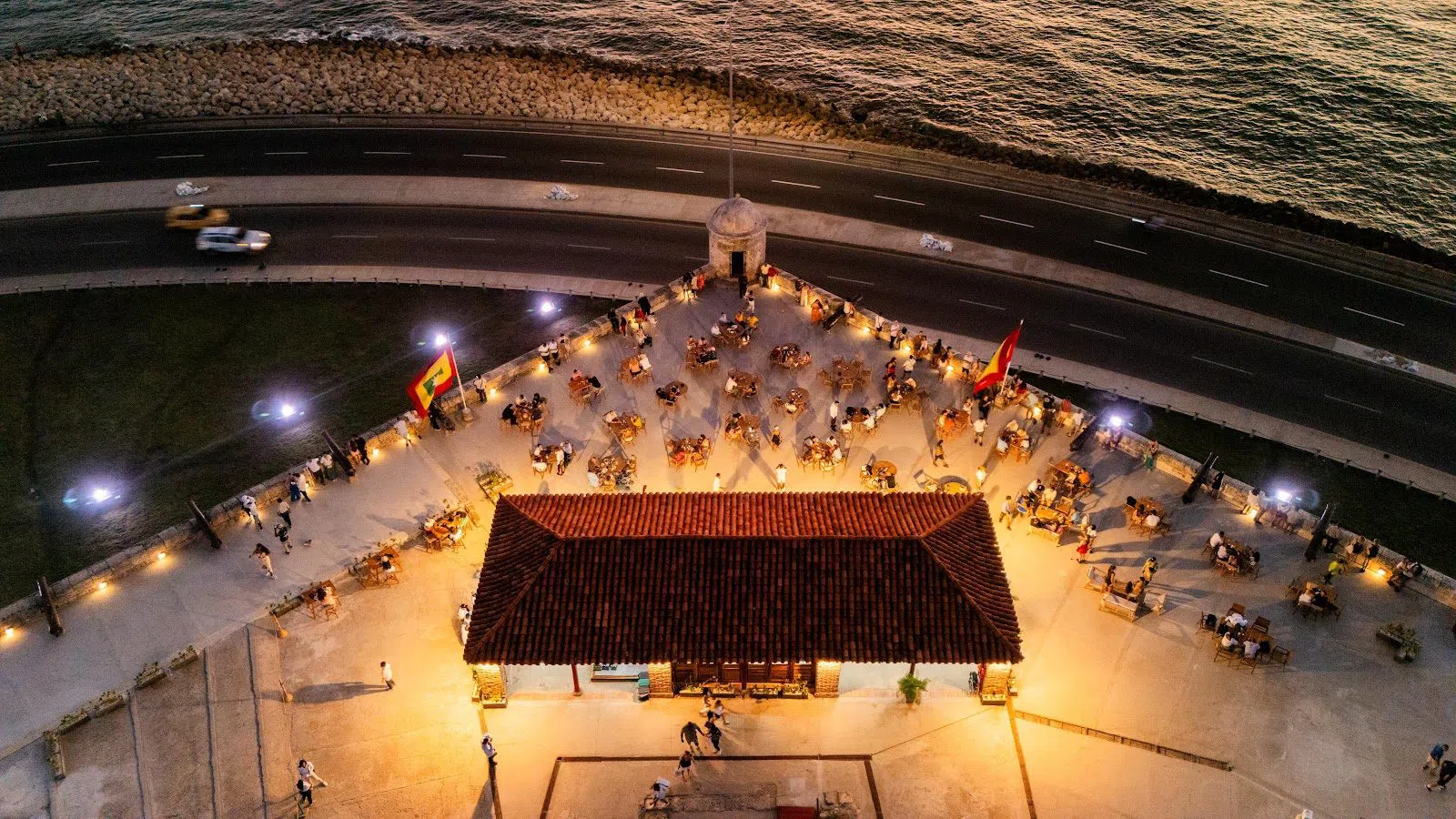
Sunset is a free municipal amenity here, which not everyone realises. Baluarte de Santo Domingo (the northwest ramparts of the Centro) costs nothing, takes no reservation, and is the easiest place in the old city to put a group of any size on warm stone at golden hour. One name check: the beach-club bar that occupied this bastion for years was evicted in September 2024 under a State Council ruling on public space, and the terrace is now an open mirador with a restaurant staffed by young people from the city's outer barrios. Don't arrive looking for the old sign.
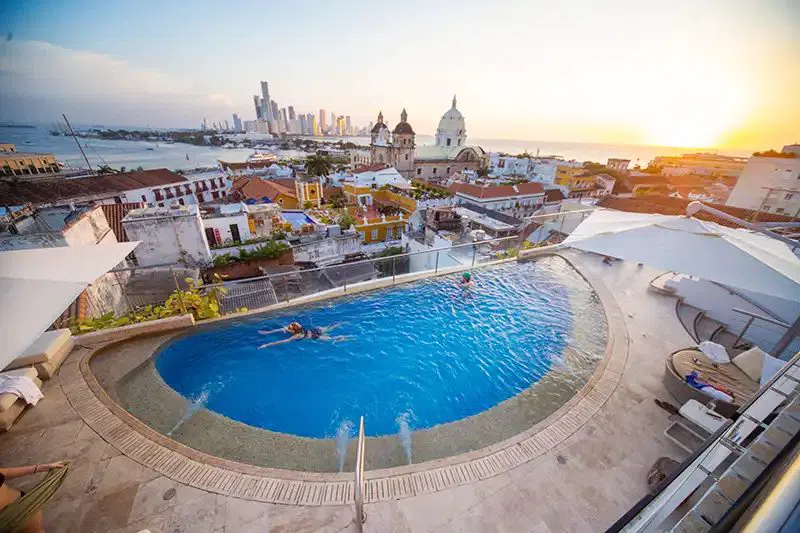
If you want a chair, a waiter and the church dome in the frame, Alyzia Rooftop & Dining (Movich Hotel, Centro) is the dependable paid perch inside the walls. Bar 9am to 11pm, restaurant noon to 10.30pm, cocktails COP 40,000 to 70,000, mains COP 70,000 to 140,000. Non-guests are welcome at both, but book ahead for sunset and for any party over six. Note too that the infinity pool and jacuzzi are hotel guests only, whatever the photographs suggest.
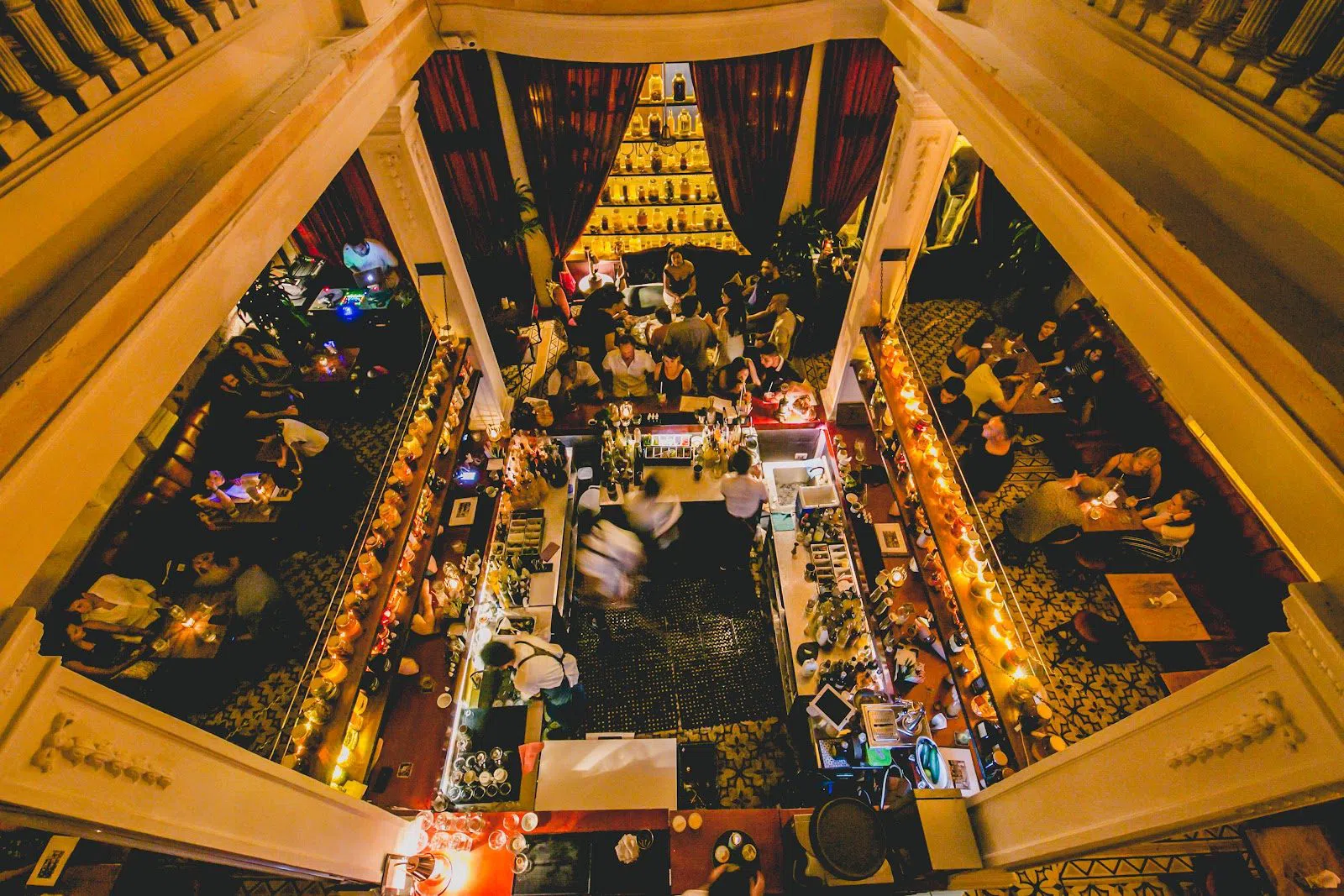
Alquímico (Centro) is the one bar that justifies a night with nothing else planned: three floors, three distinct concepts, open daily from 7pm, cocktails COP 45,000 to 70,000. It took the 2026 Michter's Art of Hospitality Award at the World's 50 Best Bars and sat at No. 11 on the 2025 list. There are no reservations at all, walk-in only, and they reserve right of admission, so a large party should either arrive early or split up before reaching the door and reassemble upstairs.
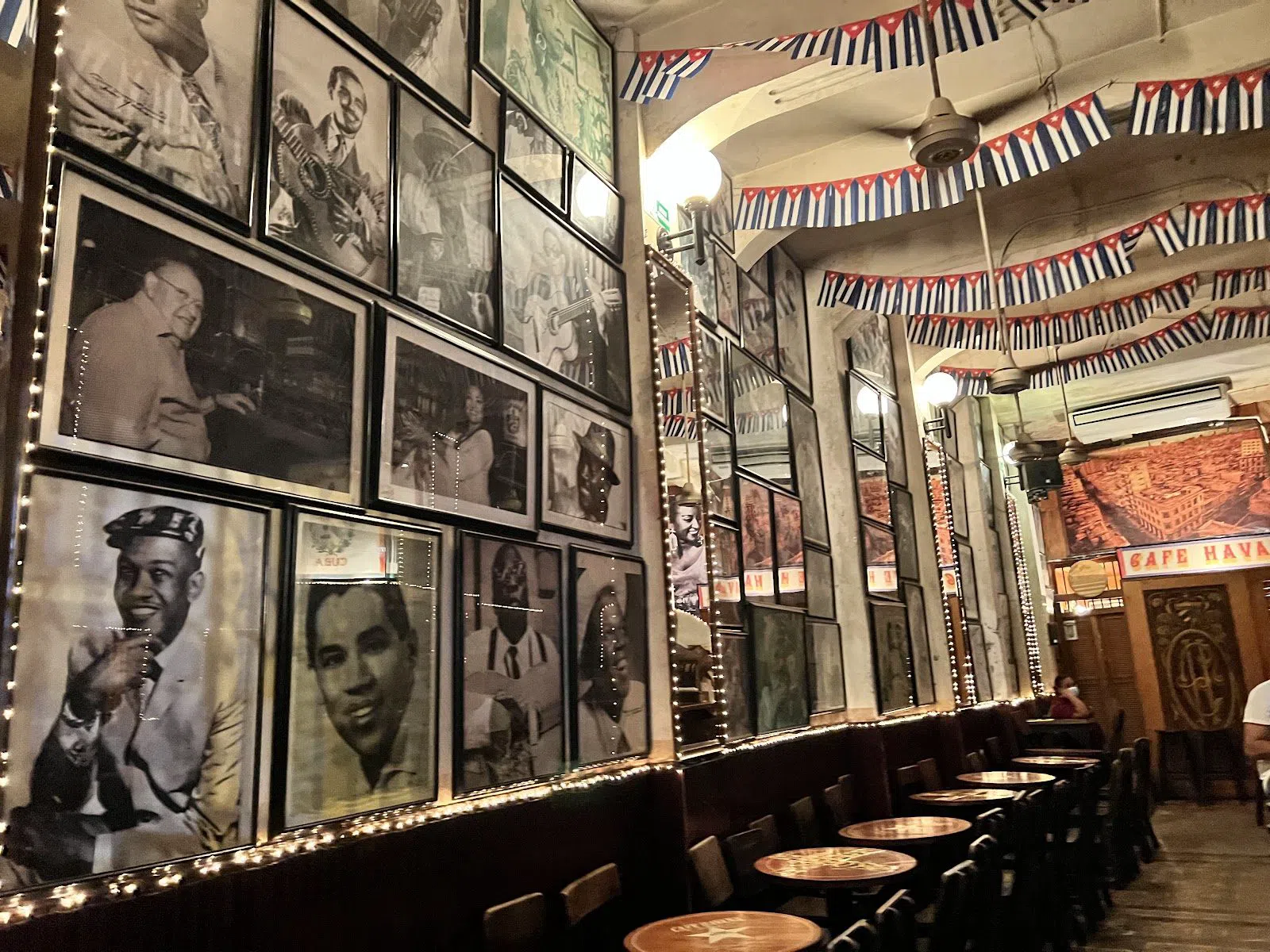
And at least one late night should be salsa, not cocktails. Café Havana (Getsemaní, on the Media Luna corner) runs Tuesday to Sunday from 8pm with a live band on Fridays, a cover of roughly COP 40,000 to 60,000 and drinks on top, cash welcome. There is no reserved seating and no table politics: groups get in, then stand shoulder to shoulder after midnight like everybody else. It is the city's benchmark room, and a stay built entirely of early nights has missed what Cartagena is for.
Two tables worth planning the week around
Celele (Getsemaní) is the strongest argument that this is a food destination rather than a backdrop: a tasting menu built from the Caribbean coast's own larder, ingredients most visitors will not have met, cooked without apology. It placed No. 5 on Latin America's 50 Best and No. 48 on the World's 50 Best in 2025, and took the 2025 Sustainable Restaurant Award. Expect USD 90 to 130 a head with pairings. Reservations are essential through their online system and often need weeks of notice; the courtyard handles small parties, and walk-ins almost never land a table.
La Cevichería (San Diego) is the opposite proposition and still good, fame and all. Open daily noon to 11pm, COP 60,000 to 120,000 a head, a small room with pavement seating that works for two to four and turns awkward above six. Bookings are limited, so at peak hours the queue is simply the price of the address. Eat at 3pm or at 9.30pm and the whole problem evaporates.

Water days, spaced rather than stacked
Blue Apple Beach (Tierra Bomba) is twenty minutes from Muelle de la Bodeguita, with boats at 10am and noon returning at 4pm and 5.30pm and a day pass of roughly USD 55 to 80 including the transfer and lunch. That timetable makes it a half-day, which is its real strength, since you can be back inside the walls for sunset. Be honest with yourself about the sand: it is grey, not white. Groups are welcome by advance booking and the place doubles as an events venue.
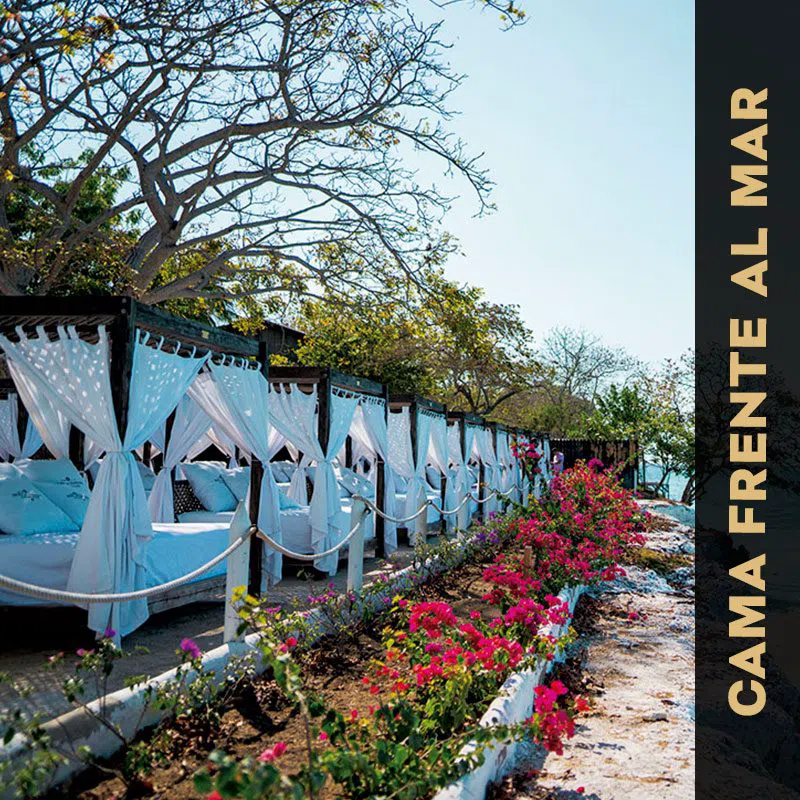
Bora Bora Beach Club (Isla Grande, in the Rosario Islands) is where the water finally looks the way the brochures promised. Boats leave Muelle de la Bodeguita gate 3 around 8am for the 45-minute crossing, the pass runs 9am to 5pm at roughly USD 100 to 130 including transfer, a welcome cocktail and lunch, and you are back mid-afternoon. It is adults-only at 18-plus, so it is the wrong call for anyone travelling with children, and it is built for groups: VIP passes buy a party its own separated seating.
One scheduling note: do not run these on consecutive days. They are the same day twice, and the second one is where a long trip starts to feel like it is repeating itself.
Where the second week comes from
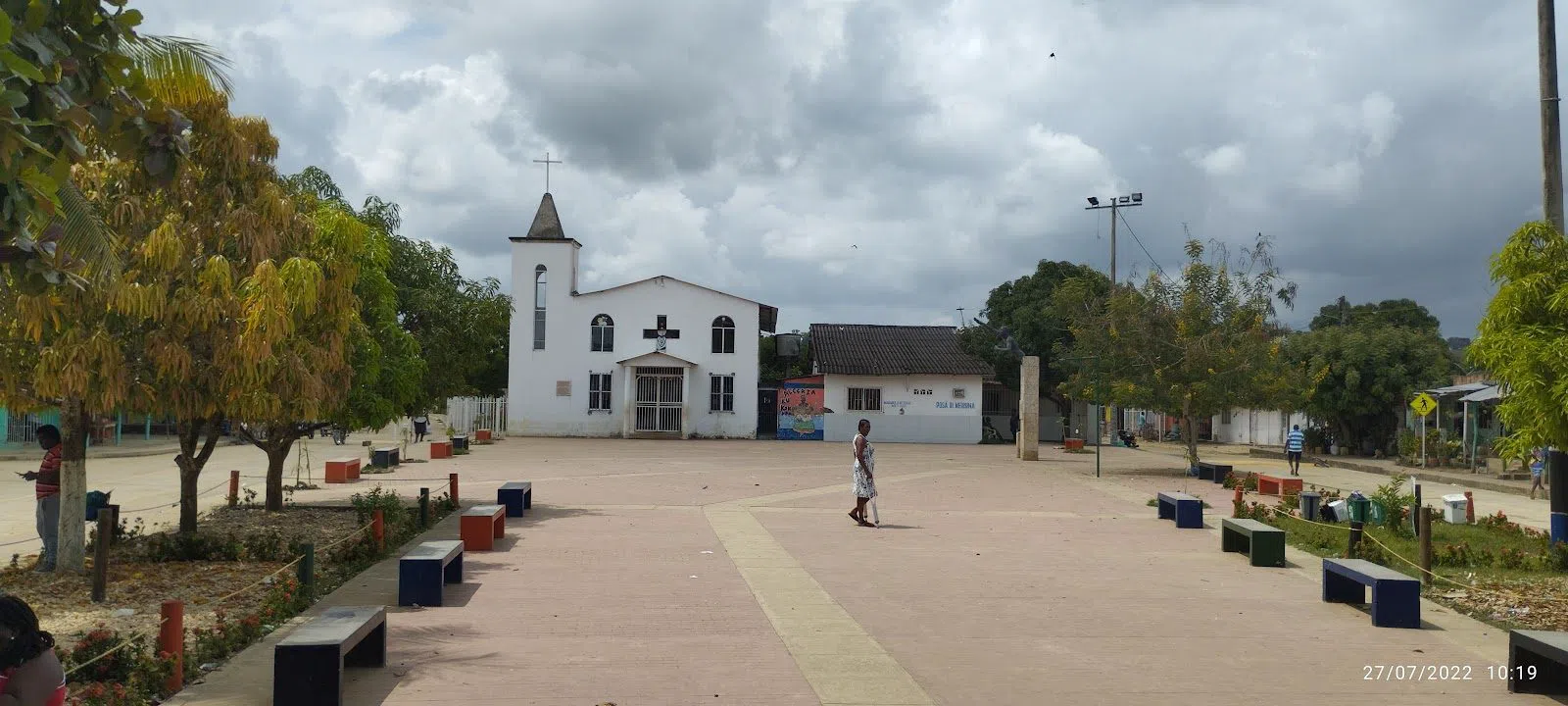
Inland, San Basilio de Palenque (an hour and twenty minutes from the city) is the strongest day trip in the region that has nothing to do with beaches. It was the first free town of formerly enslaved Africans in the Americas, UNESCO-listed for its oral traditions and the Palenquero language still spoken there. Visits are guided day trips only, six to eight hours, with community-led music, artisan workshops and a lunch cooked in the village, at around USD 60 to 110 including transport and guide. Private and small-group formats both run; anything larger needs booking ahead.
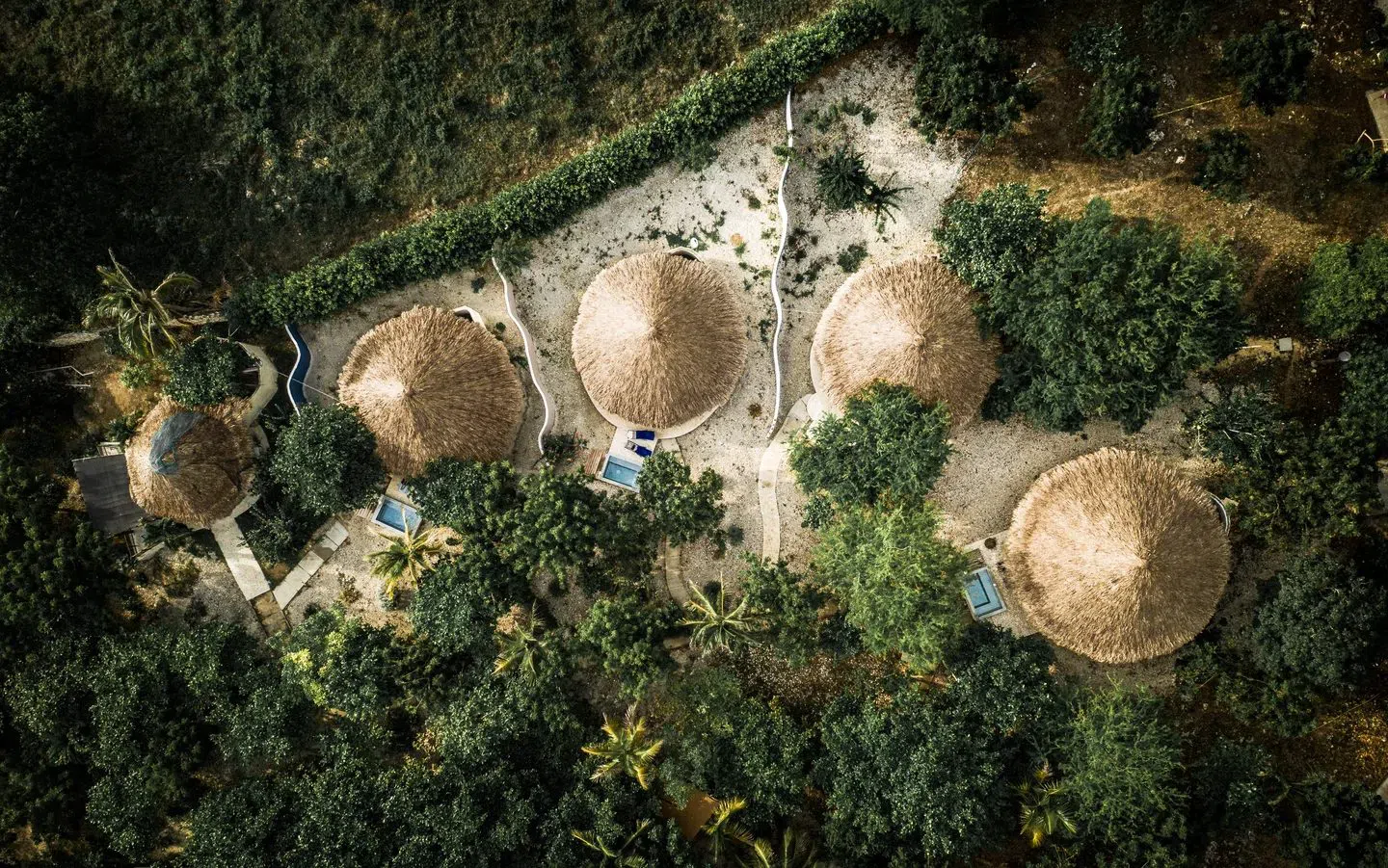
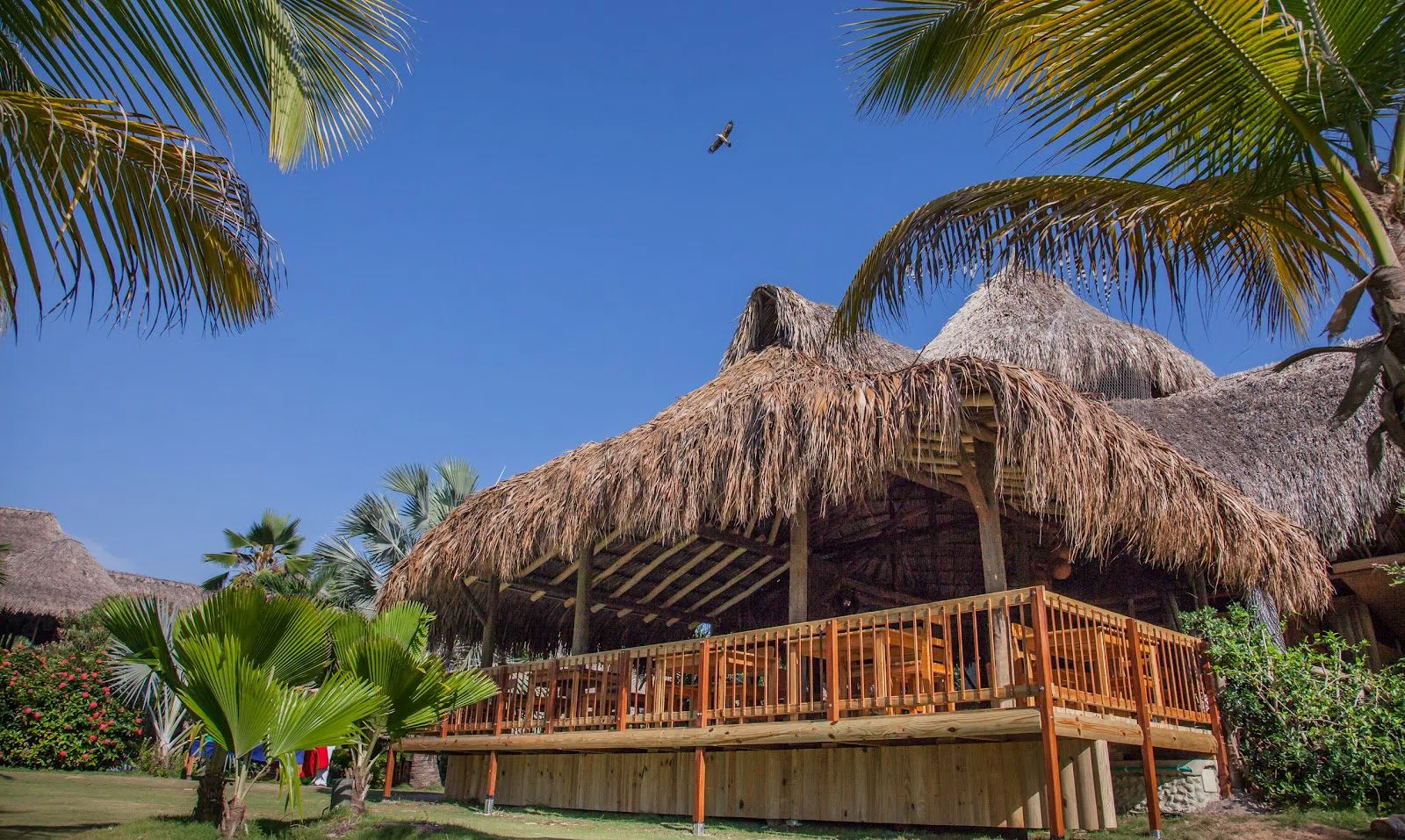
The answer to whether a fortnight is too long, though, is Hotel Punta Faro (Isla Múcura, in the San Bernardo islands). It is 1 hour 50 minutes out by speedboat, and the guest-only boat leaves the city at 11.30am and comes back at 10am, which makes this an overnight rather than a day trip. Forty-five rooms, up to a hundred guests, USD 250 to 450 per room per night full board, and it wants at least two nights to be worth the crossing. Groups should book their boat seats together rather than assume.
So how long
Three days covers the fortress, the hill, Getsemaní, one long night and one good dinner. That is the postcard, honestly delivered, and plenty of people go home content with it. Five days is the number I would give most travellers: it adds Bazurto, the mangroves, a single island day and enough unplanned hours to sit somewhere and let the city happen at you. Eight days absorbs Palenque, the second beach day and a museum afternoon without anything feeling padded. Twelve to fourteen only works if two or three of those nights are spent off the mainland; otherwise the old-town loop starts eating itself around day eight. Plan the fortnight as a city stay with an island stay inside it and the length stops being a problem. Our wider Cartagena guide covers the areas in more detail if you want to decide where to base yourself first.
Practical notes before you book
Taxis are the default for anything outside the walls and have no meters, so agree the fare before you get in, and expect a small premium after midnight. Inside the walls, walk; the grid is compact enough that a car is usually slower than your feet. Every island boat in this piece leaves from Muelle de la Bodeguita, and every one of them departs on time whether you are there or not, so build in twenty minutes of slack.
Carry Colombian pesos. Cards work in restaurants, hotels and the better bars, but the Café Havana cover, market stalls, taxis and tips all go smoother in cash, and small notes are worth hoarding. Prices in the old town are quoted with the confidence of a city that knows what it has.
On timing: the heat is the constant, not the variable. Plan fortress ramps and open ground for early morning or after four, and put museums, long lunches and mangroves in the punishing middle of the day. Book Celele weeks out, book Alyzia for sunset, book island day passes at least a day ahead in high season, and accept that Alquímico will never take your booking no matter how early you ask.
As a rough budget, a comfortable day inside the walls with one good dinner and a couple of cocktails lands around COP 350,000 to 500,000 per person; an island day pass with transfers adds USD 55 to 130 on top; and a Celele evening is its own line item. For where to sleep (old town for the walls and the noise, Getsemaní for the nightlife and better value, the beachfront strip if you want a pool and a lift into town), start with the Cartagena hotel search and pick your neighbourhood before you pick your building. The distance between them is ten minutes; the difference in how the trip feels is much larger.
Before you go
Is three days enough for Cartagena?
Three days covers Castillo San Felipe de Barajas, Convento de la Popa, a Getsemaní walking tour, one good dinner and one late night: the essential city, honestly done. It leaves out the market, the mangroves and the islands, which is where most people find the trip they actually remember. Five days is the more comfortable number.
Can Cartagena fill two weeks?
Only if part of it is spent off the mainland. The walled city plus day trips runs out of new material around day eight. A fortnight works when you build in San Basilio de Palenque inland and at least two nights at an island hotel such as Punta Faro on Isla Múcura, where the speedboat crossing runs 1 hour 50 minutes, so it is an overnight rather than a day trip.
Tierra Bomba or the Rosario Islands for a beach day?
Blue Apple Beach on Tierra Bomba is twenty minutes out and works as a half-day, though the sand is grey rather than white. Bora Bora Beach Club on Isla Grande in the Rosario Islands has the clear Caribbean water people picture, but it costs a 45-minute crossing, an 8am boat and an adults-only door, so it is the wrong choice with children. Do one, not both on consecutive days.
Which places in Cartagena need booking ahead?
Celele needs its online reservation weeks in advance. Alyzia Rooftop should be booked for sunset and for any party over six. Island day passes and the Boquilla mangrove canoes want at least a day's notice. Alquímico takes no reservations at all: walk-in only, from 7pm, with right of admission reserved, so large groups should arrive early or split at the door.
What is the best time of day to visit Castillo San Felipe de Barajas?
At 8am when it opens, or after 4pm. The ramps are unshaded pale stone that hold the midday heat brutally, and the fortress photographs far better in low light. Entry is roughly COP 25,000 to 50,000 with a higher foreigner rate, ticketing is walk-up with no door policy, and an audio guide rents at the gate for about COP 15,000.