
By four in the afternoon the last tender has pulled away from the muelle, and Cartagena does something the shore excursions never mention: it exhales. The souvenir stalls pull their shutters, the walled city's stone alleys lose their crush of sunburnt shoulders and selfie sticks, and somewhere around the edges — in Getsemaní's side streets, in courtyards that stayed shut all day, in a plaza that means nothing to anyone with a 6pm reboarding time — the real evening starts. This is the Cartagena the day-trippers paid to see and never actually caught.
Getsemaní Wakes Up as the Ships Sail
Getsemaní was Cartagena's working barrio for most of its history — dockworkers, artisans, later decades rough enough that the walled city, just across the old moat, looked past it entirely. It's only in the last fifteen years or so that cheap rent and street-level energy turned the neighbourhood into the city's actual social centre, and it still runs on a residents' clock rather than a cruise timetable: shutters up around dusk, plazas filling by seven, nothing much happening before that.
The neighbourhood's living room is Plaza de la Trinidad, a scrubby, sloping square with a church at one end that fills, unbidden, every evening once the heat breaks. There's no cover, no dress code, nobody selling you anything you didn't ask for — it's just where people sit.
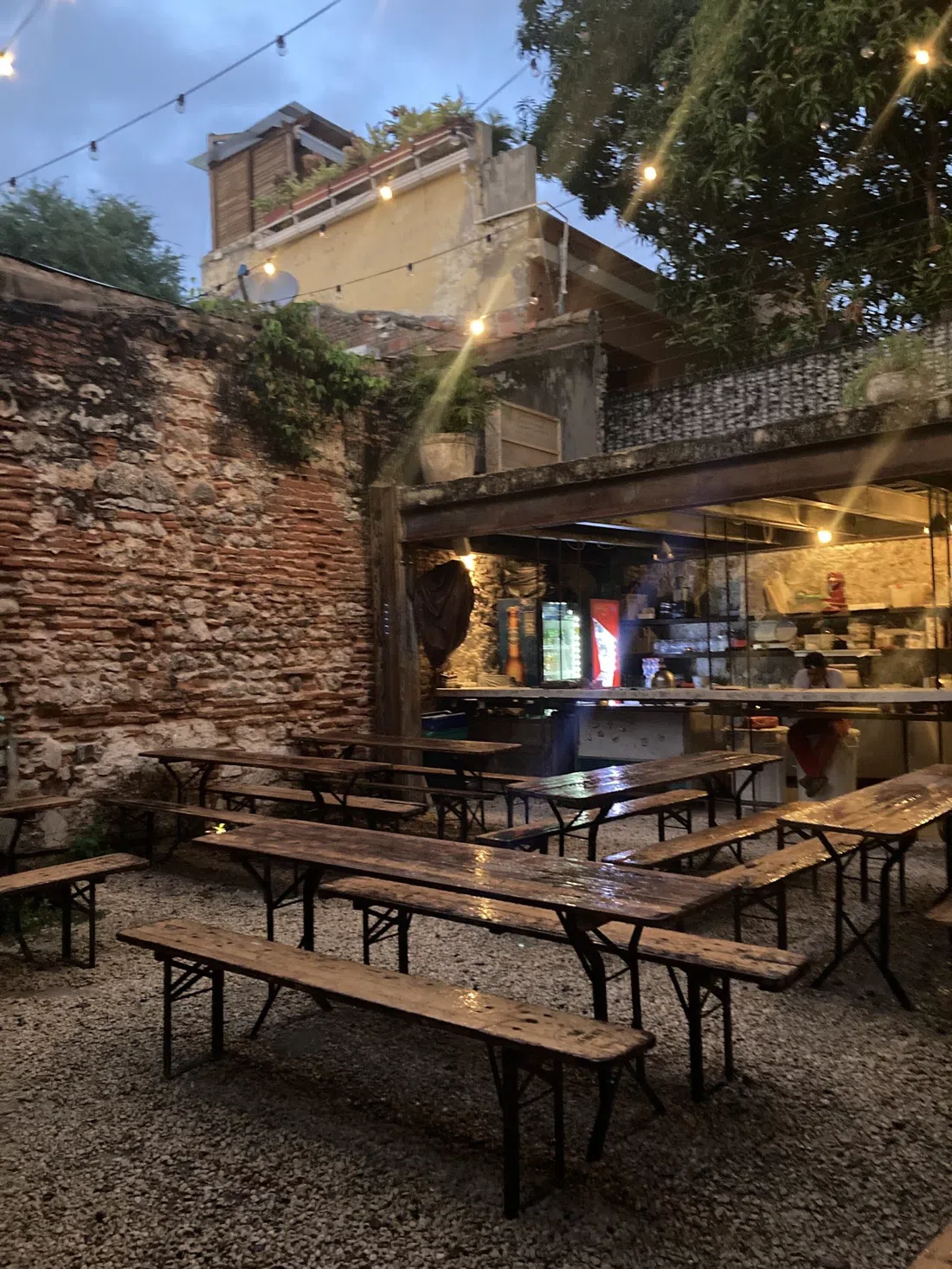
Demente Bar Tapas [Getsemaní], right on the plaza, understands this and doesn't try to compete with it — it puts its rocking chairs plaza-side and lets you watch the square fill while you eat. It's walk-in, the tapas and wood-fired pizza are solid rather than showy, and a table for four or six is easy to find even as the plaza fills around 7-8pm.
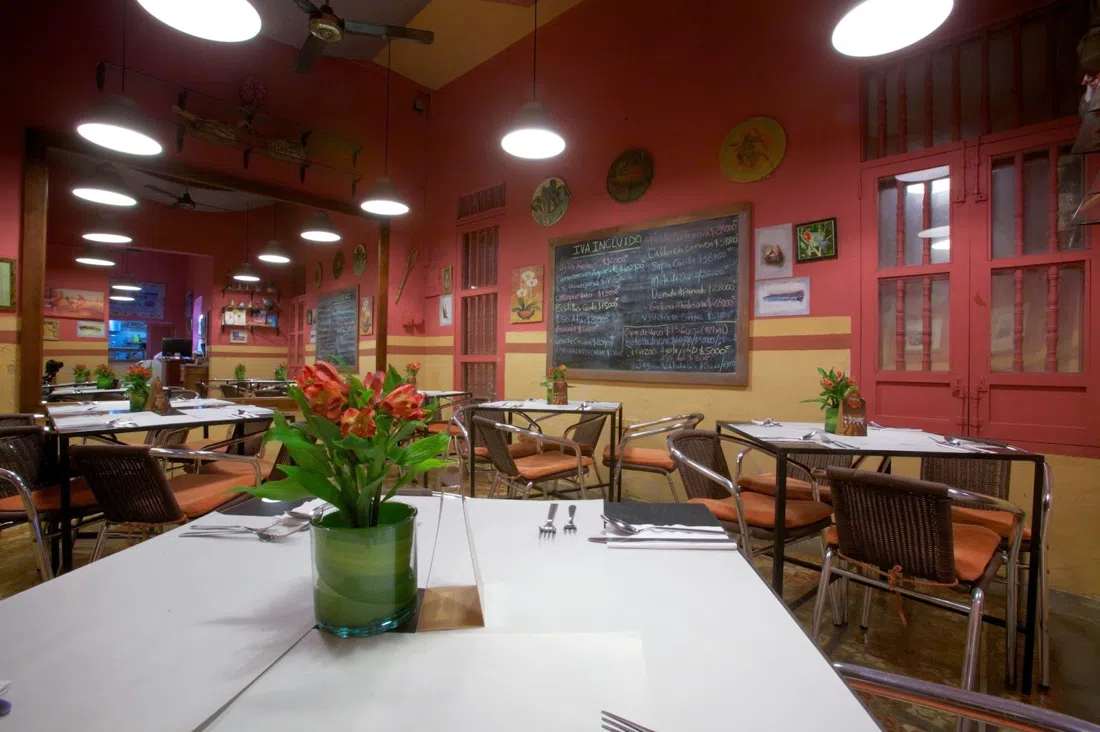
For dinner before that, walk two streets back to La Cocina de Pepina [Getsemaní], an eight-table local kitchen with no reservations line and no pretence. This is where Getsemaní actually eats, not where it's fed a version of its own food marked up for a cruise-day crowd — the same seafood plate that's cheap here runs 40-50% more three blocks into the walled city. Go early, by 6:30-7pm, or expect a wait; a group of five or six should assume a queue on a Friday.
When the plaza's noise gets to be too much, The Wolf Lair [Getsemaní] is the quiet correction — a small cocktail room built for two to four people, not a crawl-through stop. It doesn't try to hold a big group and shouldn't be asked to; it's the place you peel off to with one other person when you want to actually hear them.
The Walled City After 6pm
Most of what a day-tripper sees inside the walls — the horse-drawn carriages circling for photos, the emerald touts working the plazas, the costumed performers timing their sets to the cruise groups — packs up within an hour of the ships sailing. What's left, once the coaches empty out, is a smaller and considerably better version of the old city: residents on their own balconies, kitchens cooking for themselves rather than a lunch rush, and a handful of bars that only really come alive once the crowds thin.
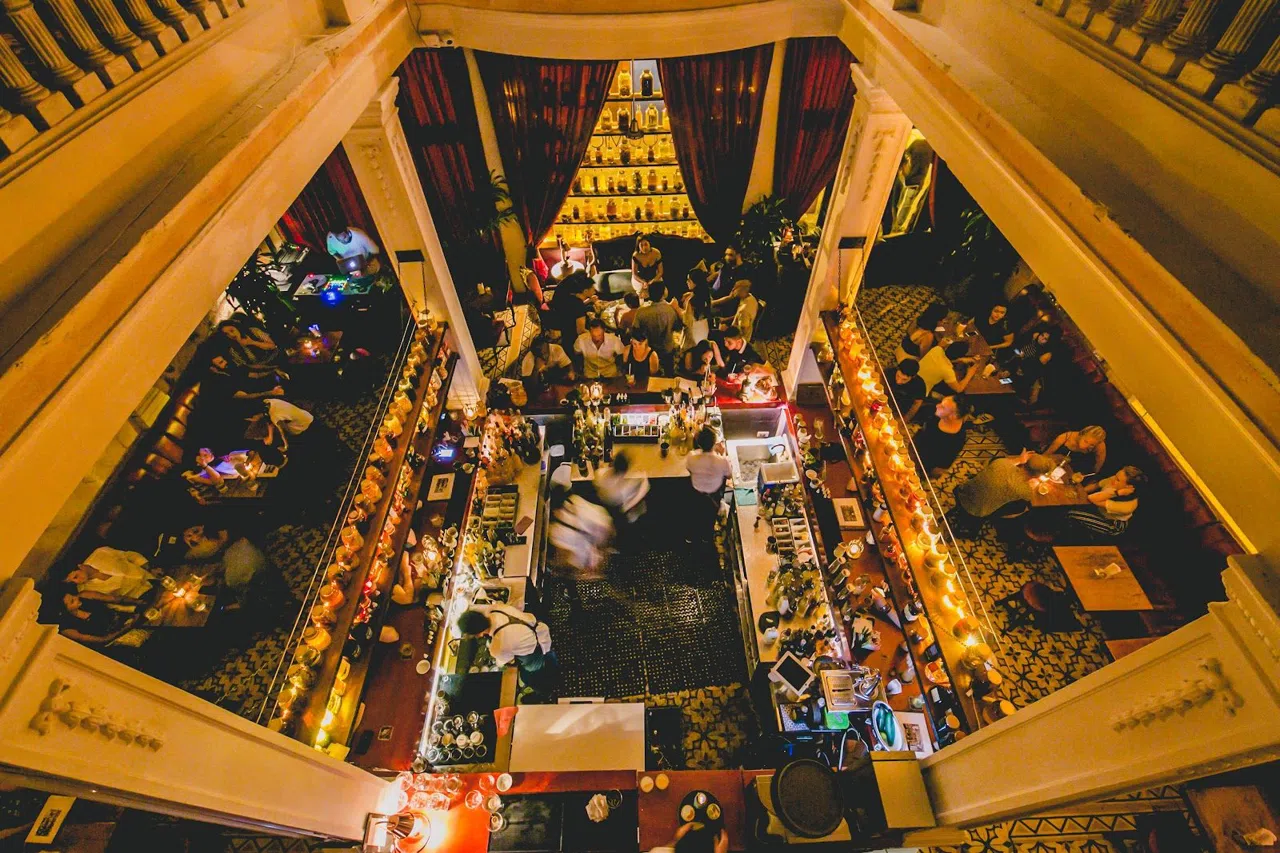
Alquímico [walled city] is the headline reason to stay inside the walls after dark. It's No. 11 on the World's 50 Best Bars list for 2025, walk-in only with no reservations taken at any level, and it works native ingredients — viche, chontaduro — into a menu with nothing in common with the standard rum-and-coke tourist bar. The catch is the queue: it forms early on weekends, so a group of four or more should be at the door before 8pm rather than arriving fashionably late and hoping.
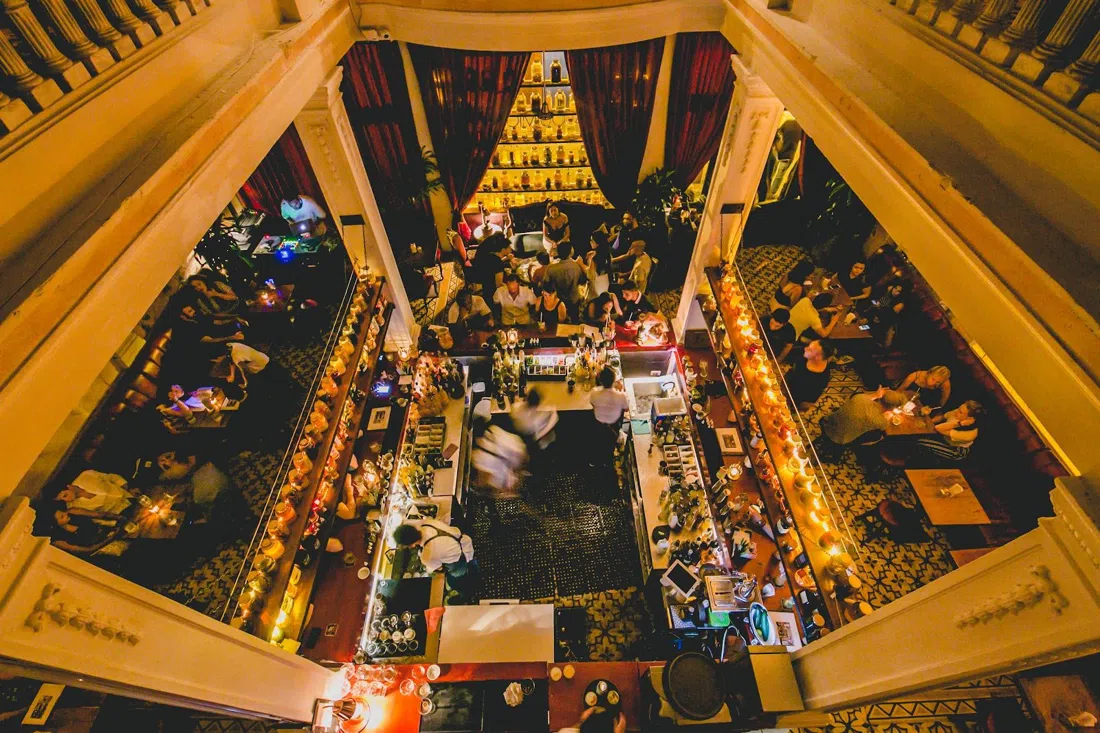
If that queue isn't for you, El Barón [walled city] is the calmer, more considered version two streets over — World's 50 Best-listed since it opened in 2013, run by German bartender Noah Matthies, in a room genuinely built for four to six people rather than a crowd. It gets tight on weekend nights, so a couple or a small group has a much easier evening here than a party of ten looking for a table.
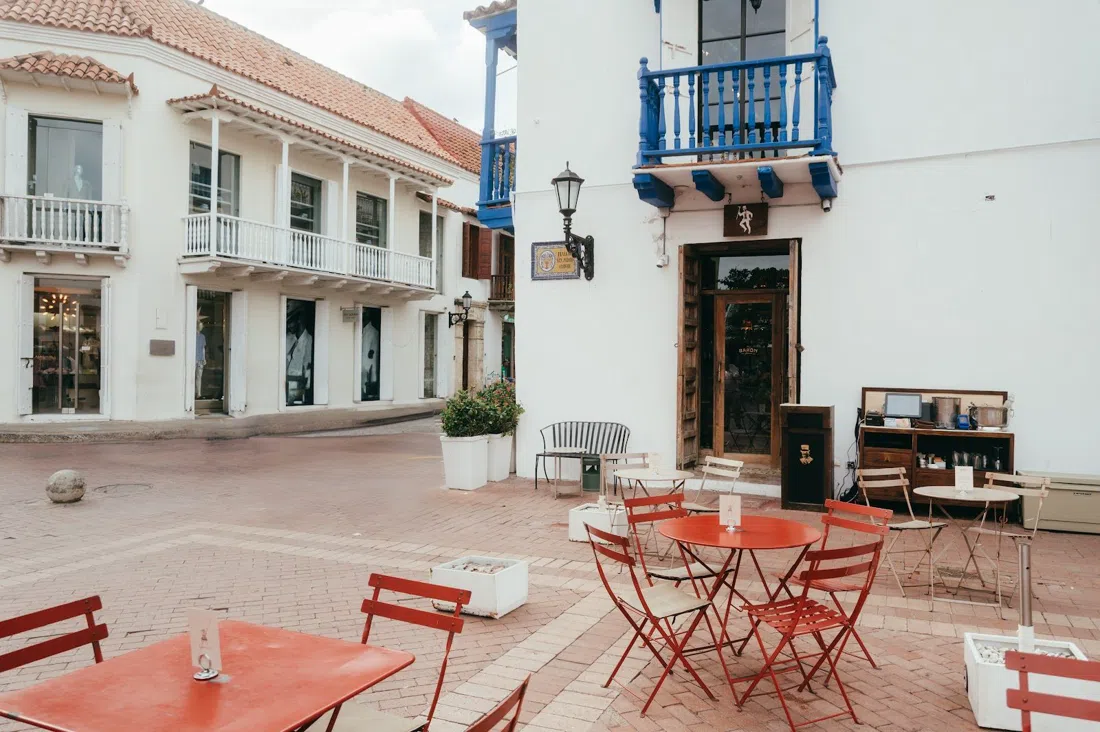
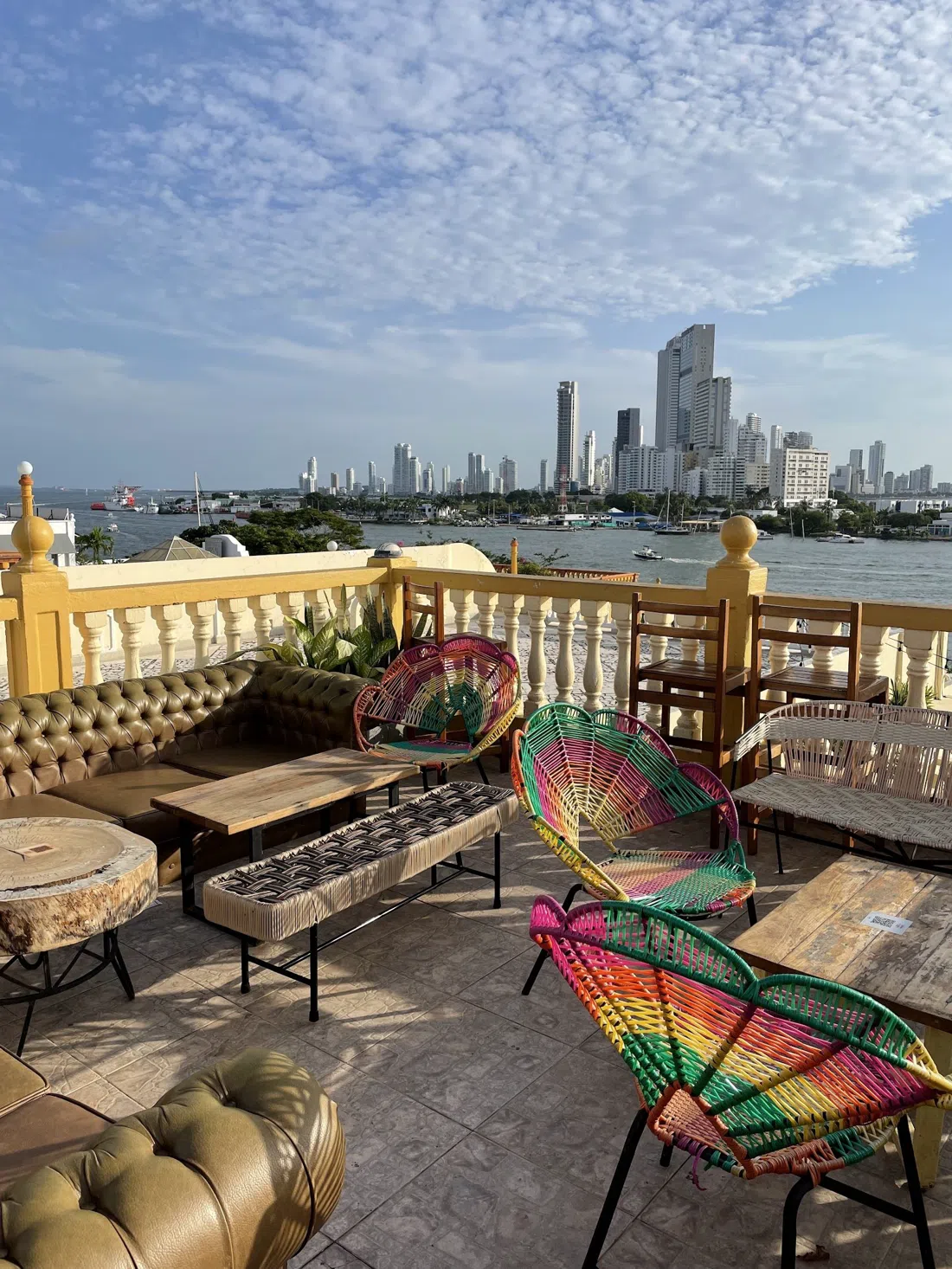
For the sunset itself, Townhouse Rooftop [walled city] is open 8am to midnight and is unremarkable by day — a hotel bar with a view — then properly lively after 6pm, when DJs or live music start and the terrace fills. It's open to anyone who buys a drink at the bar or restaurant, no membership or reservation required, which makes it the honest alternative to the shuttered, overpriced Café del Mar sunset spot most guidebooks still point people toward.
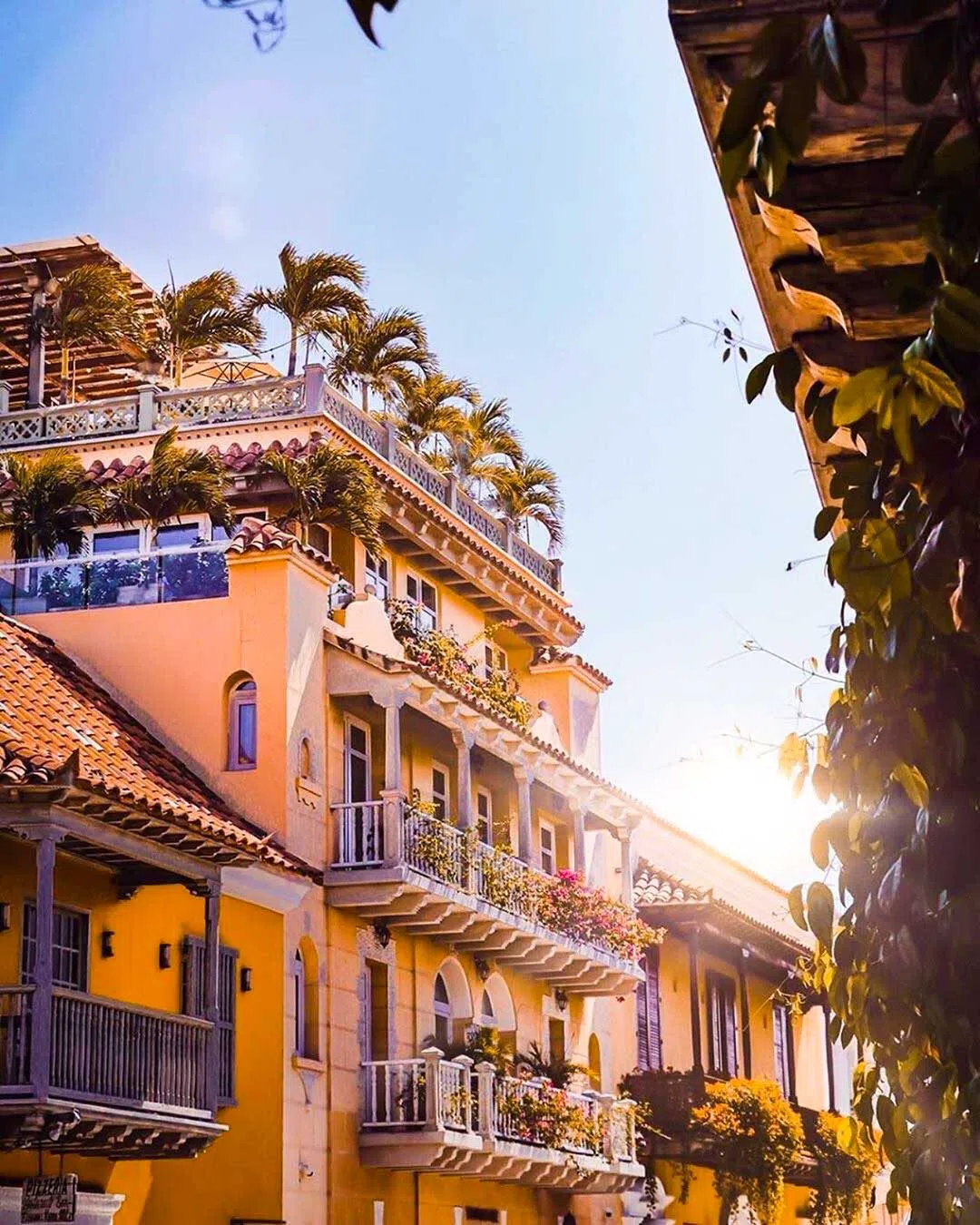
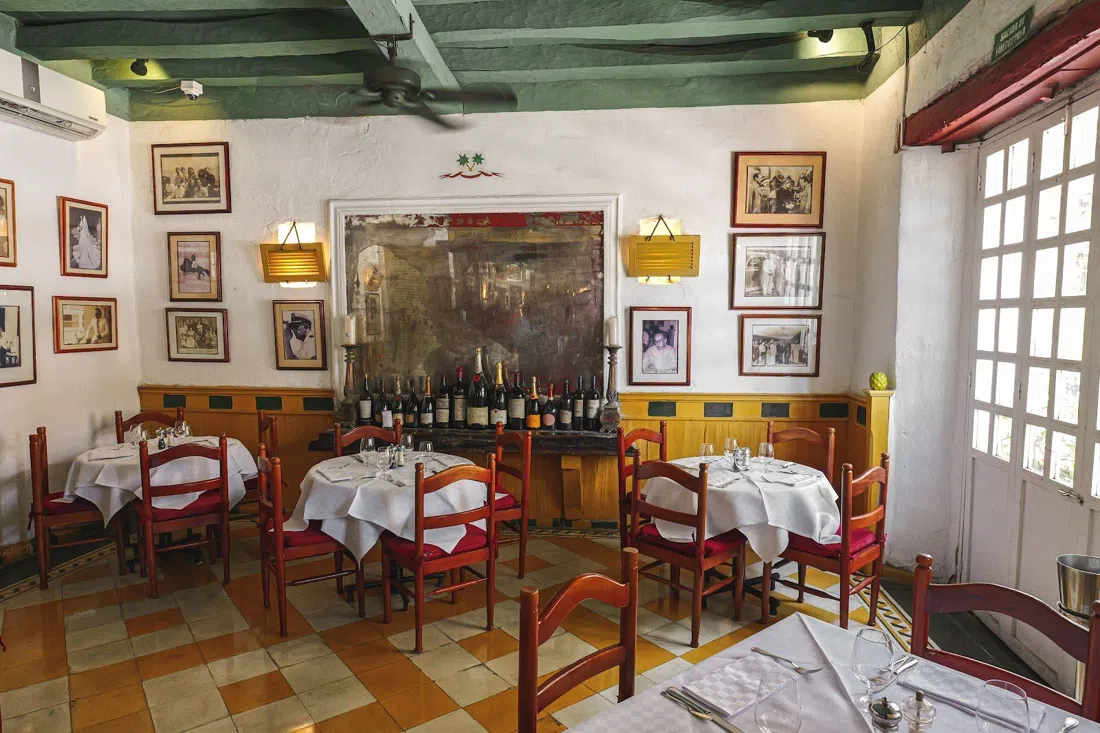
And for a dinner that runs late on purpose, La Vitrola [walled city] has been a walled-city institution for thirty years, with a live Cuban band starting around 8pm most nights. This is a reservation, not a walk-in — book ahead, especially if your group wants a table after the band starts, because that's exactly the after-dark old-town scene most cruise-day visitors never stay late enough to catch.
Read the fuller Cartagena guide for how these fit against the rest of the old city by day.
Where Cartagena Actually Dances
Cartagena's music didn't come from a tourism board. Champeta grew out of the city's Afro-Colombian barrios in the 1970s and 80s, built on West African and Caribbean records that dockworkers brought home and reworked, and salsa arrived and stayed because the city's nightlife has always run on live orchestras rather than a DJ playlist. None of that is what gets staged for the cruise groups, who are usually back on board before the first band even sets up.
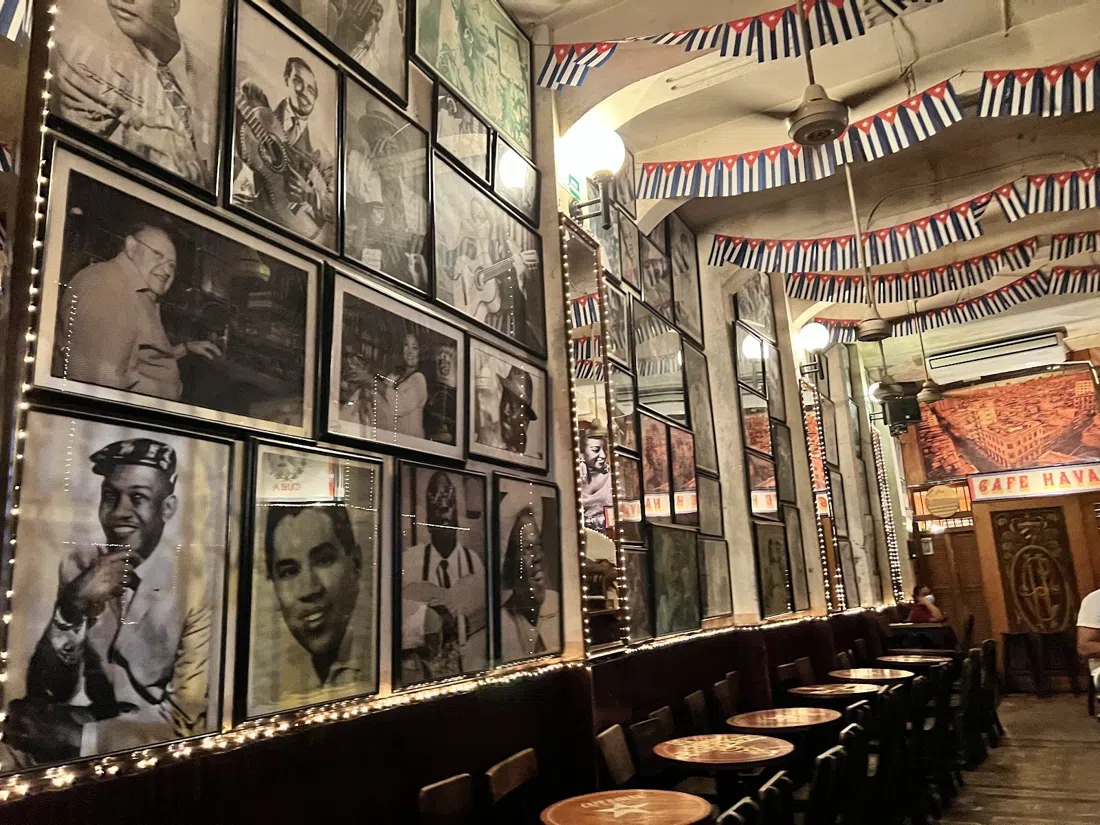
Café Havana [Getsemaní] is the best-known of the four and deserves it — a live salsa orchestra plays nightly from around 8-9pm in what's genuinely called the city's corner of movement, and the dancing on the floor is dancing, not a routine for an audience. It takes groups, but weekend nights fill fast; go smart-casual and expect a cover after 9pm.
Casa Quiebra-Canto [Getsemaní] has been open since 1993 and is the least touristed of the salsa rooms precisely because it doesn't start until the cruise crowd has already gone back to their ships. There's no strict door policy and groups are welcome, but the room genuinely doesn't get going before 10pm and peaks around midnight — exactly the window a day-tripper, by definition, is never in Cartagena to see.
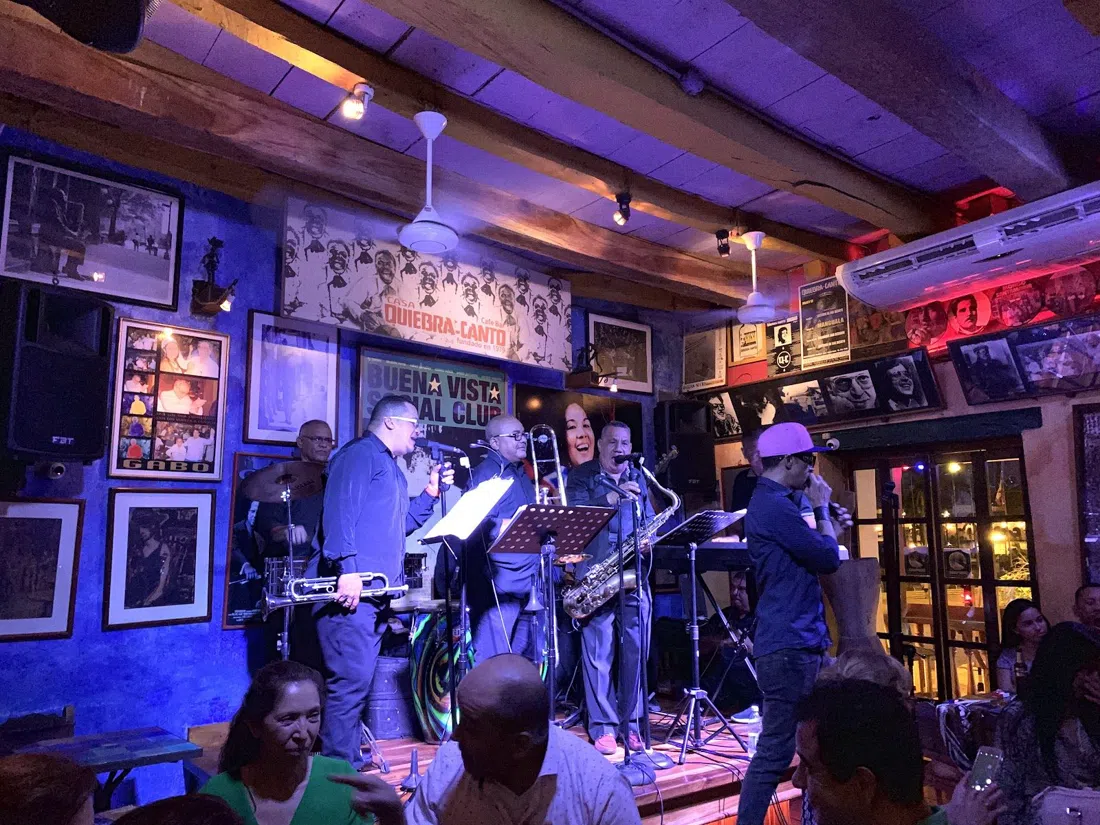
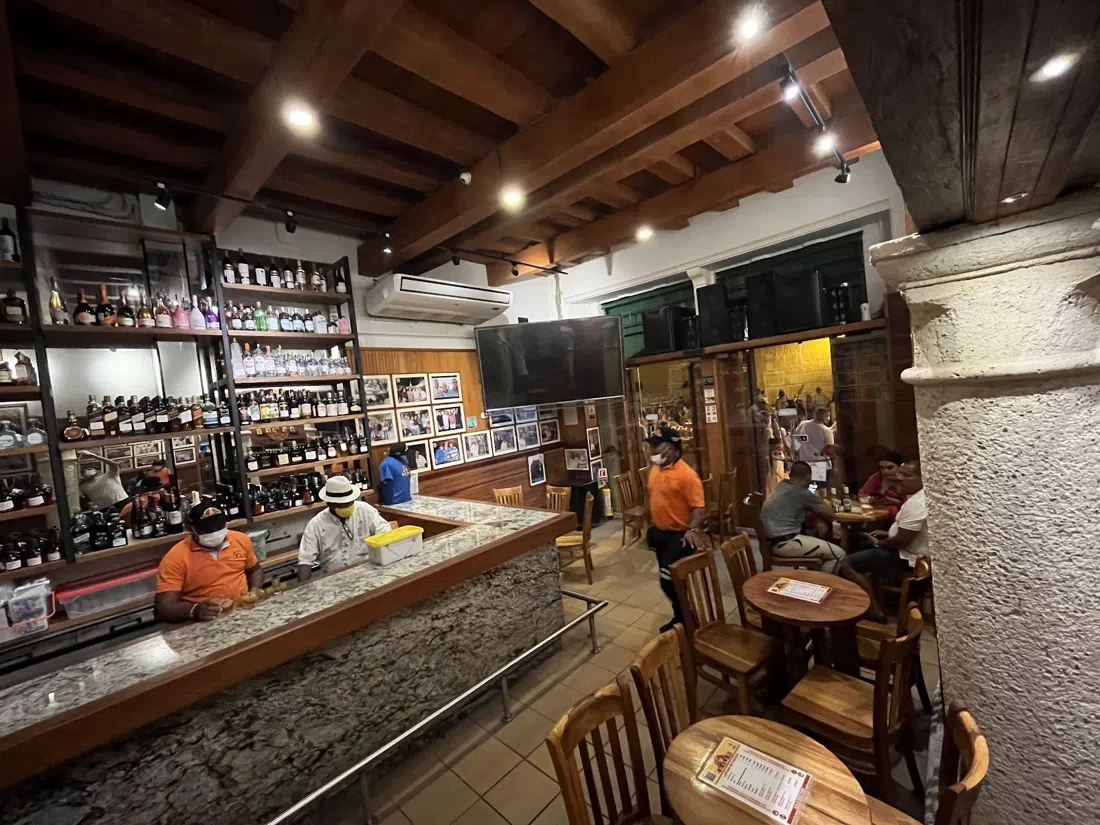
For something with zero commitment, Donde Fidel [walled city] is an open-air plaza bar with no cover and cheap beer, earning its nickname — the Embassy of Salsa — by being a free scene locals actually use rather than a paid club built for visitors. It's the easiest stop to fold into a group night: arrive by 8pm on weekends to get a table, and there's no door to negotiate.
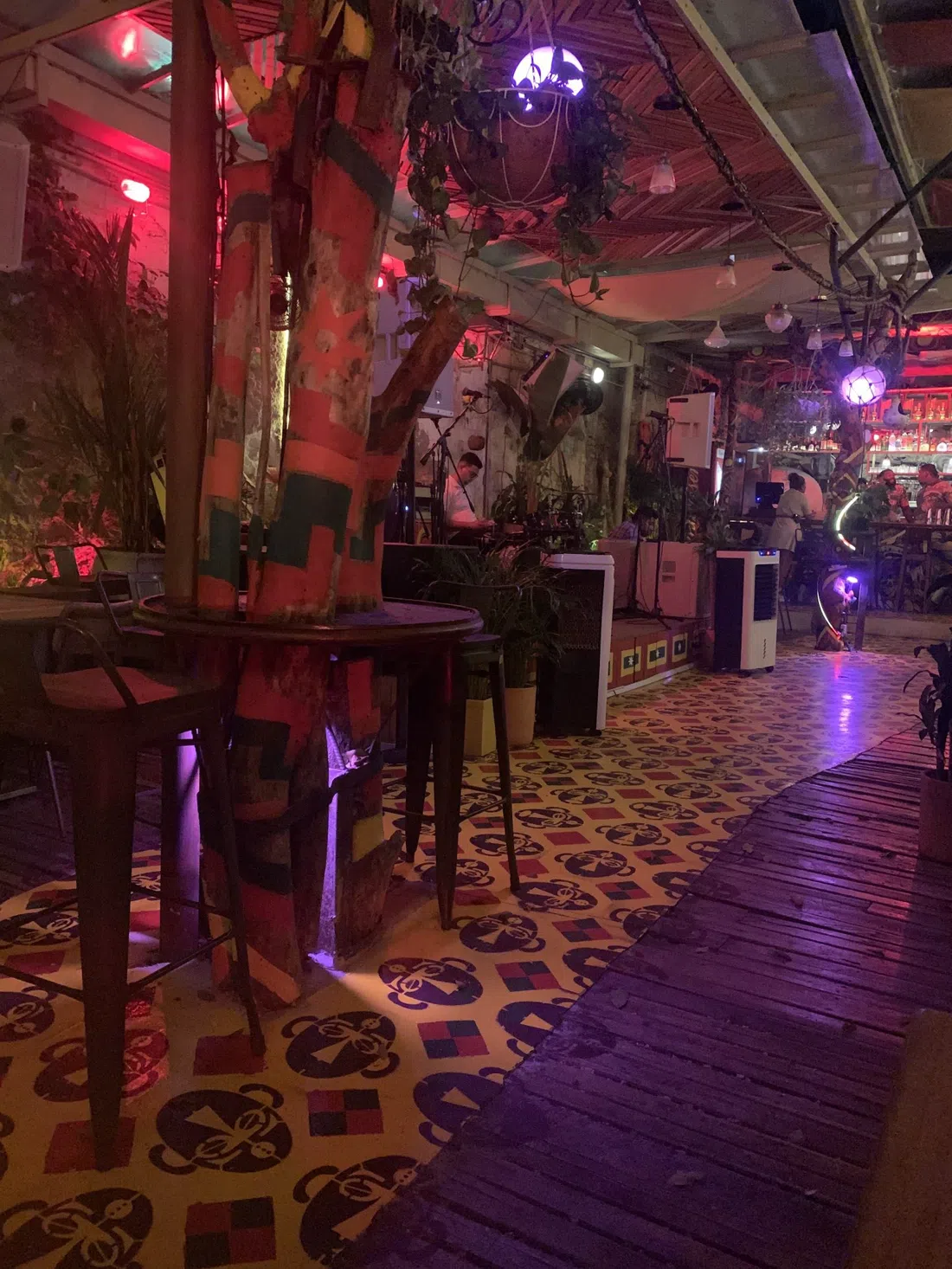
And for the sound day-trippers miss entirely, Bazurto Social Club [Getsemaní] reopened in March 2024 after a pandemic closure and is now firmly back, with live champeta and cumbia — Cartagena's own genres, not imports — from around 10pm on Thursday to Saturday nights. There's a cover of roughly $10 on live nights, and it's worth booking ahead for a group, because this is the one venue on this list actually built around Colombia's Caribbean coast rather than a wider Latin sound.
Low-Key Starts and Rooftop Wind-Downs
Not every evening needs to run at salsa-club intensity from the first drink, and Cartagena has an honest answer for the slower version too.
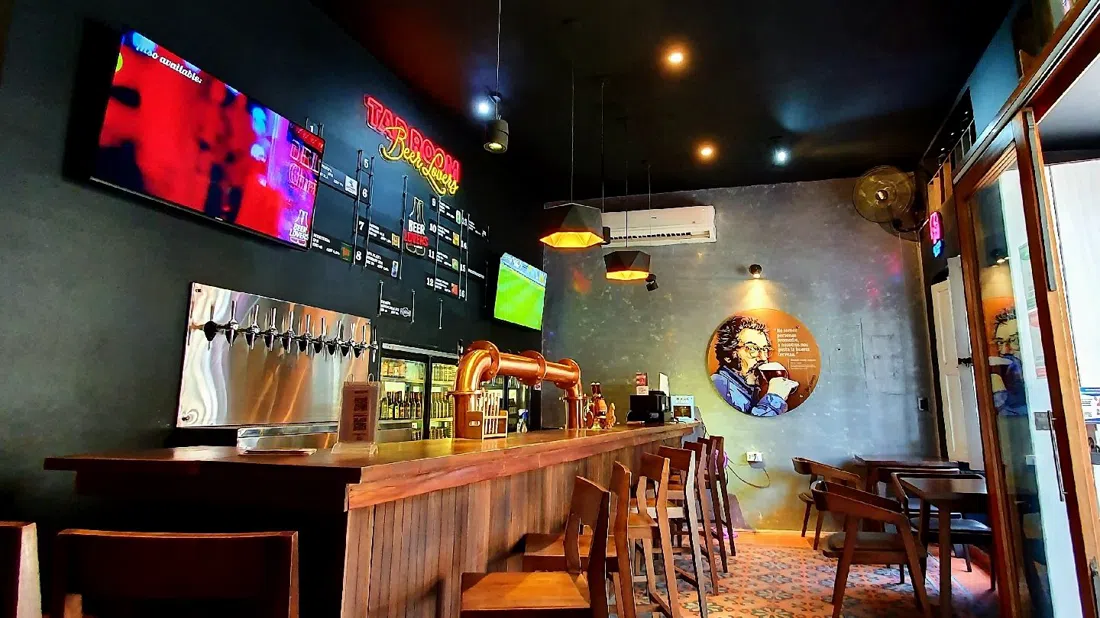
Beer Lovers Cartagena [Getsemaní] is the direct antidote to the Águila-only tourist bars that dominate the walled city's main strips — over 120 beers, a casual sports-bar layout that's easy for a group to walk into without a plan, and prices in the $4-8 range that make it a sensible first stop rather than a destination in itself.
To close the night, or start it if your group skews younger, Socialtel Cartagena rooftop [Getsemaní] — the space formerly known as Selina, rebranded in late 2024, worth knowing so you don't go looking for the old sign — runs a casual, social crowd under 35 with DJs and a sunset-into-night rooftop scene. Cocktails run $8-12, the door is easy, and it's built for groups rather than a quiet two-person evening.
Getting Around, Cash, Timing, Budget
Transport. The walled city and Getsemaní sit next to each other and are entirely walkable once the day's heat breaks — most of this list is within a 15-20 minute walk of Plaza de la Trinidad. After midnight, or for anything further out, use an app-based taxi rather than hailing on the street; agree the fare before getting in if you flag one down directly.
Cash. Card works at the bigger bars and restaurants, but small kitchens like La Cocina de Pepina, street vendors, and some covers are cash-only in Colombian pesos. Carry small bills — breaking a large note at a plaza bar at 11pm is a genuine hassle — and treat any USD price quoted here as a rough guide, not a rate you can actually pay at the door.
Timing. Cruise ships typically sail by late afternoon, and Cartagena's evening genuinely doesn't start until the heat drops around 6-7pm. The salsa rooms — Casa Quiebra-Canto especially — don't peak until 10pm to midnight, so pacing a night from a relaxed dinner around 7pm through to a midnight dance floor is the realistic shape of the evening, not a rushed dinner-and-one-bar loop.
Budget. A reasonable night out — dinner, two or three cocktails, one cover charge — lands somewhere around $40-70 USD per person depending on how many of the pricier walled-city cocktail bars are involved; Getsemaní's beers-and-tapas version of the same night can be done for half that. If you're staying over rather than day-tripping, start with Cartagena hotel search for a base in or near Getsemaní, which puts most of this list within walking distance.