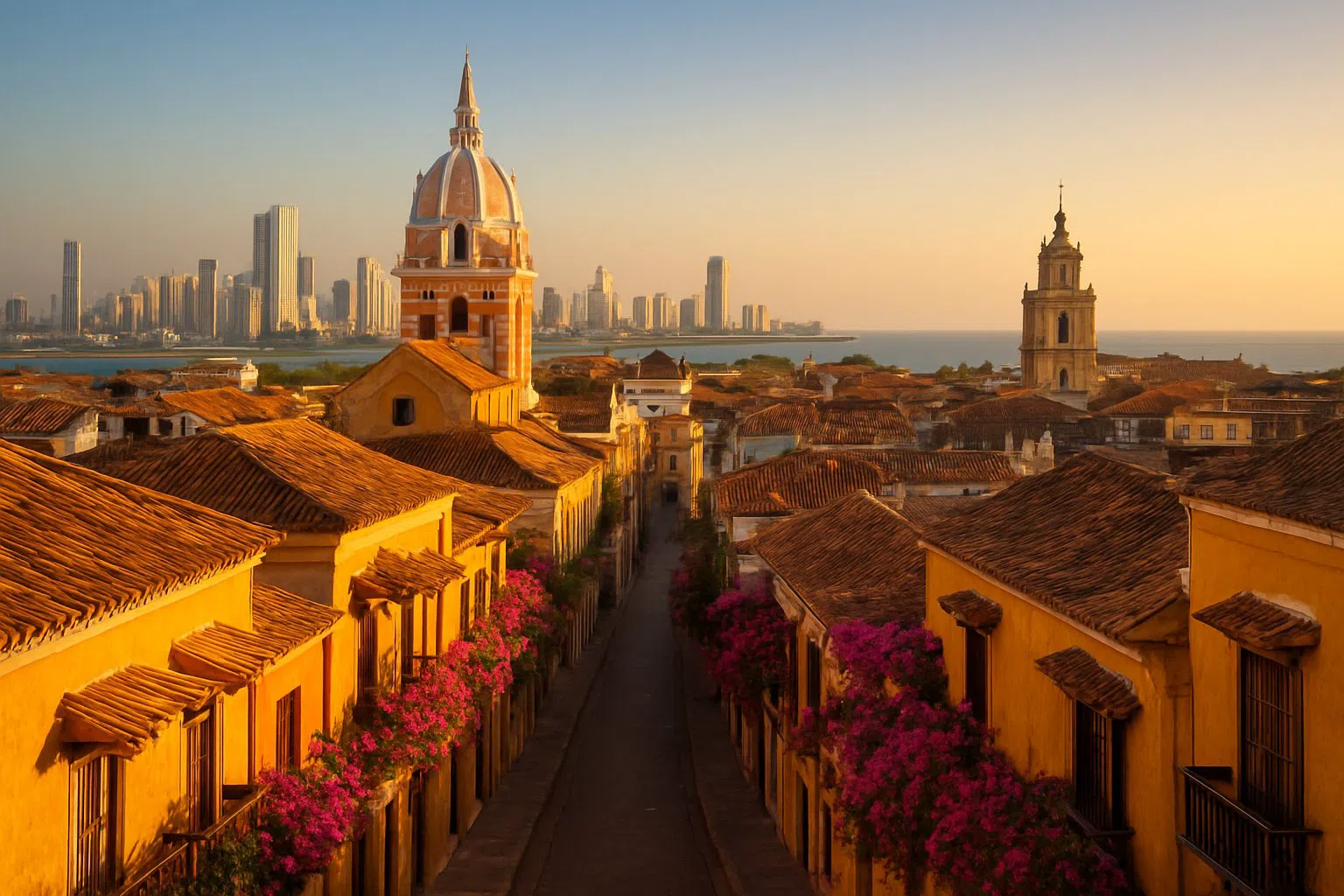
Cartagena
The heat hits first.
Guests & rooms
The Cartagena guide
An insider’s read on Cartagena
TThe heat hits first.
Founded in 1533, the city served as the principal port for the Spanish Empire's plunder of South America, making it a prime target for English and French pirates. The massive stone walls and the imposing fortress of San Felipe de Barajas were built over centuries to defend this wealth. This history of conflict, coupled with the legacy of the transatlantic slave trade, shaped a distinct Afro-Caribbean identity. The local character is defined by resilience, a proud musical heritage, and a slow, coastal tempo that resists modern urgency.
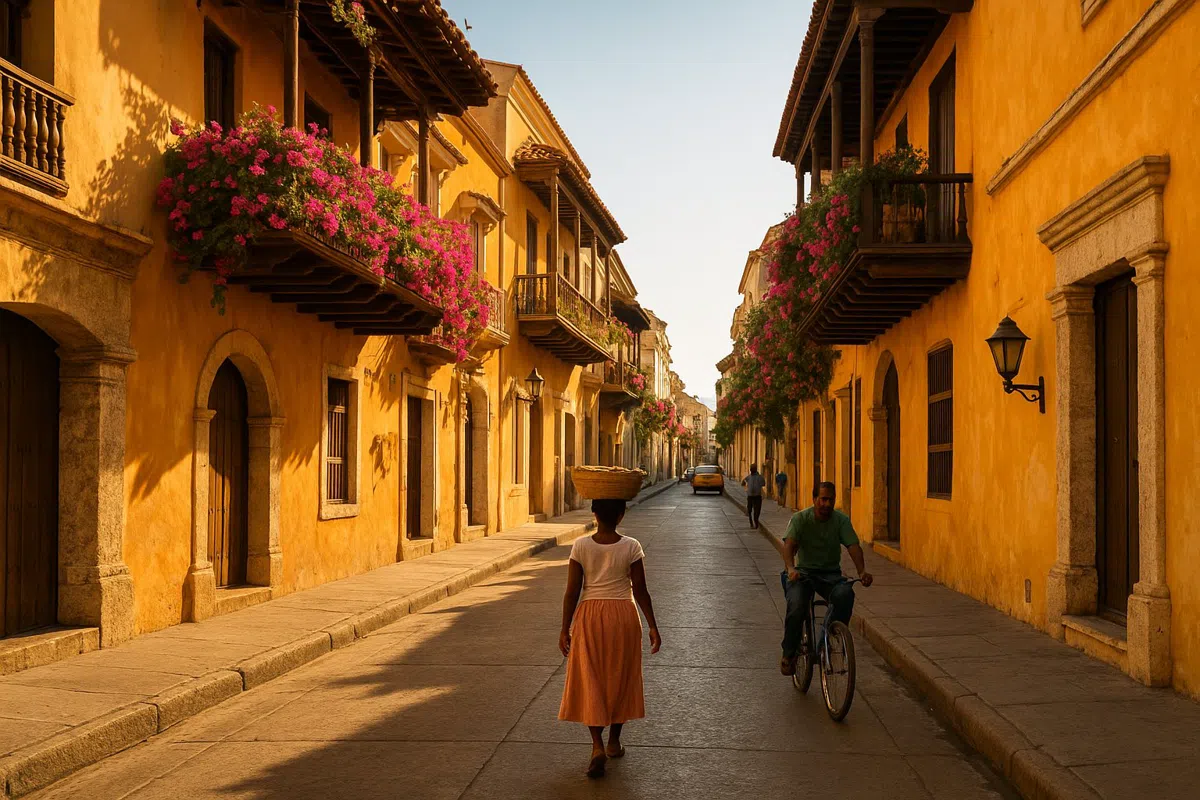
PLATE ICartagena, Colombia
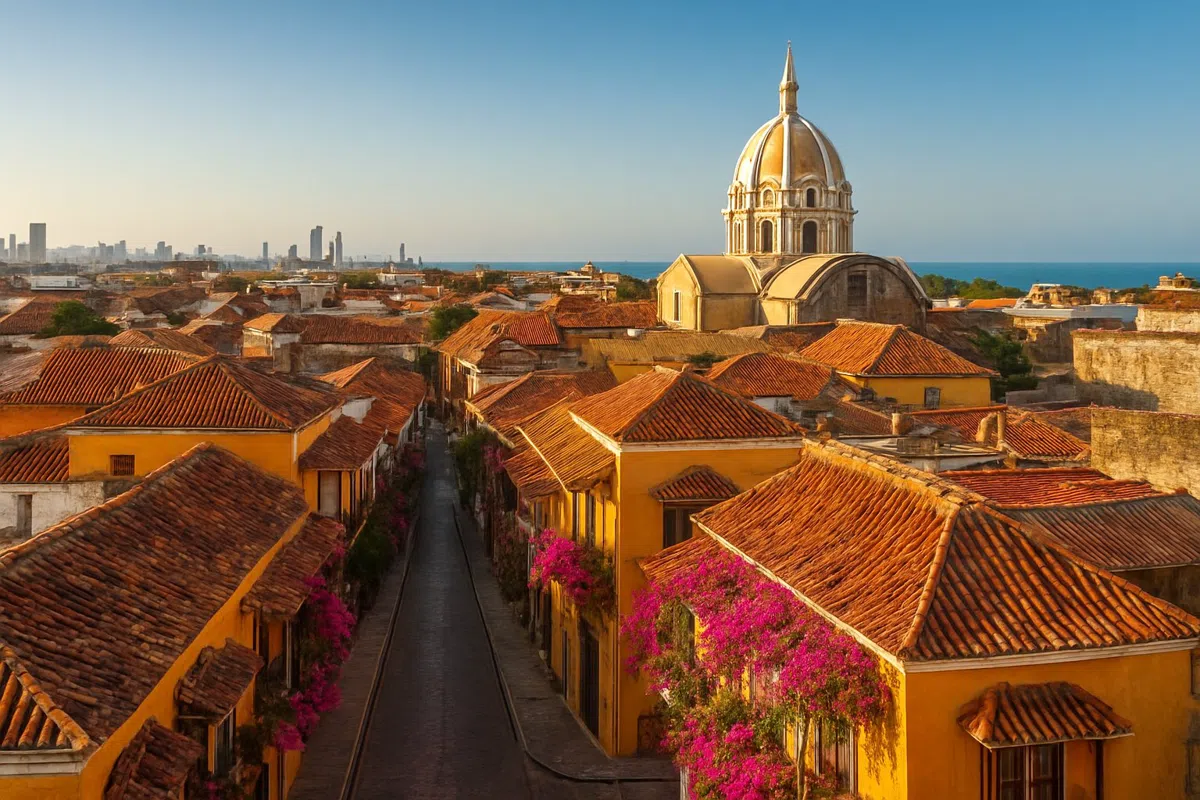
Guides & ideas
The Cartagena reading list
Hand-written guides from our editors — itineraries, the best of after dark, where to eat, and what’s genuinely worth your time.
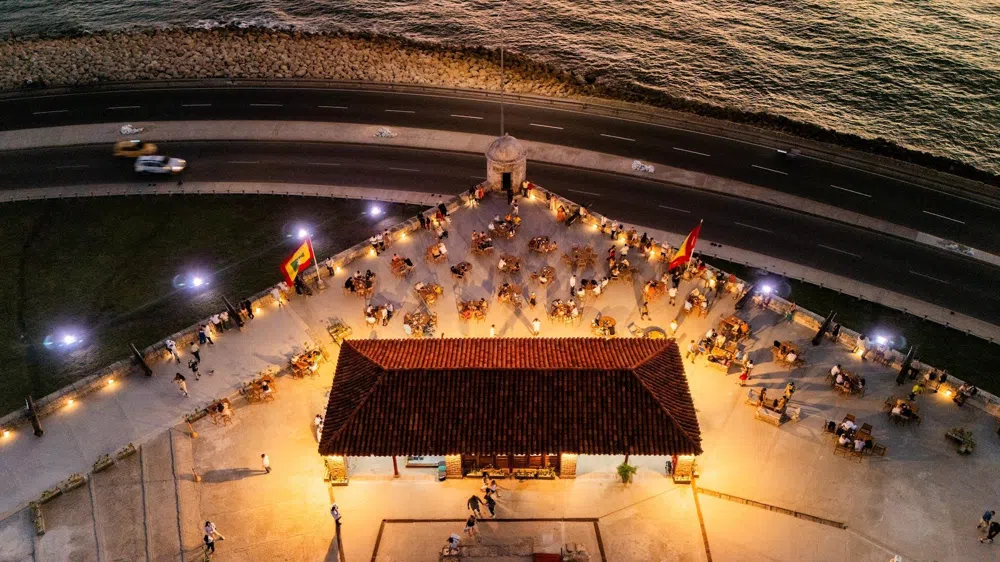
How Many Days Cartagena Actually Needs
Three days, five, or a full fortnight: what each length of stay in Cartagena genuinely buys, and the days that stop the old town becoming one long loop.
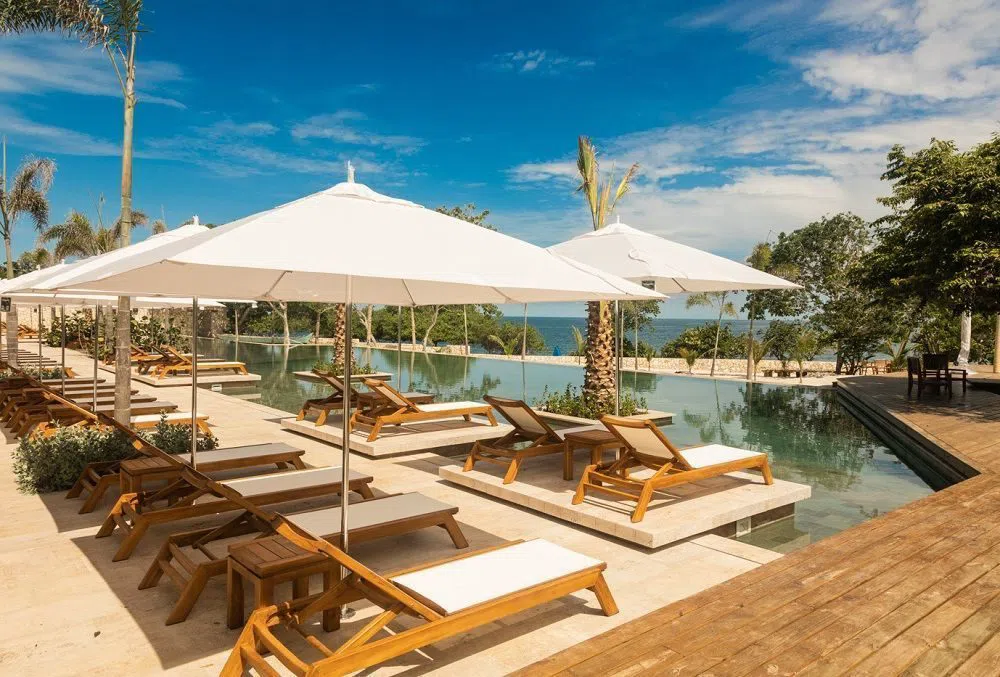
Cartagena in October When the Rain Buys a Better Beach Day
The wettest month on this coast is also the cheapest. Here is how to spend it on the islands rather than the city sand, with real day-pass prices, boat times and rain plans.
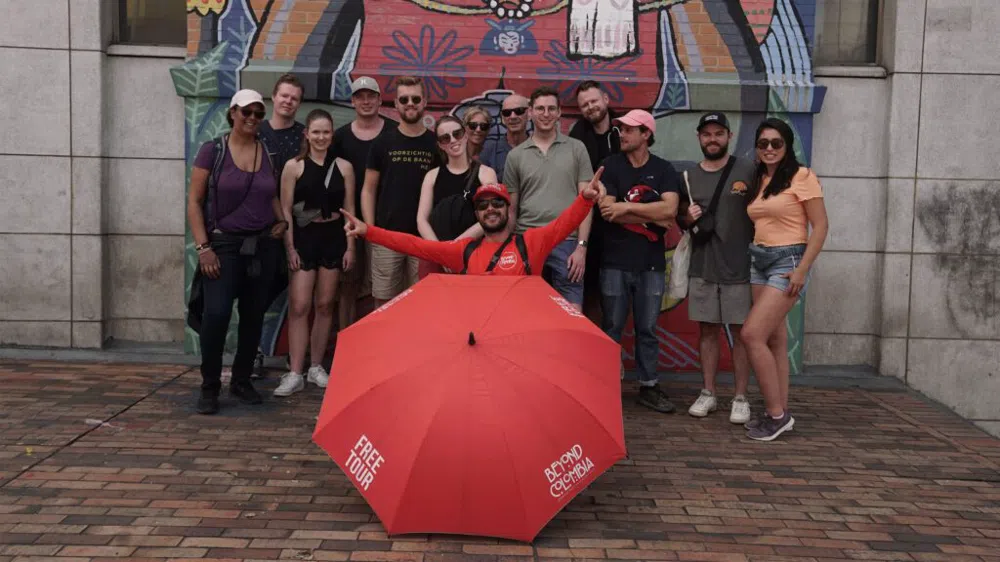
Cartagena on Foot and the One Ride You Still Need
The walled city, Getsemaní and even the fortress on the hill are all within walking distance. Here is how to time the heat, which doors are difficult, and the one trip that really does need a taxi.
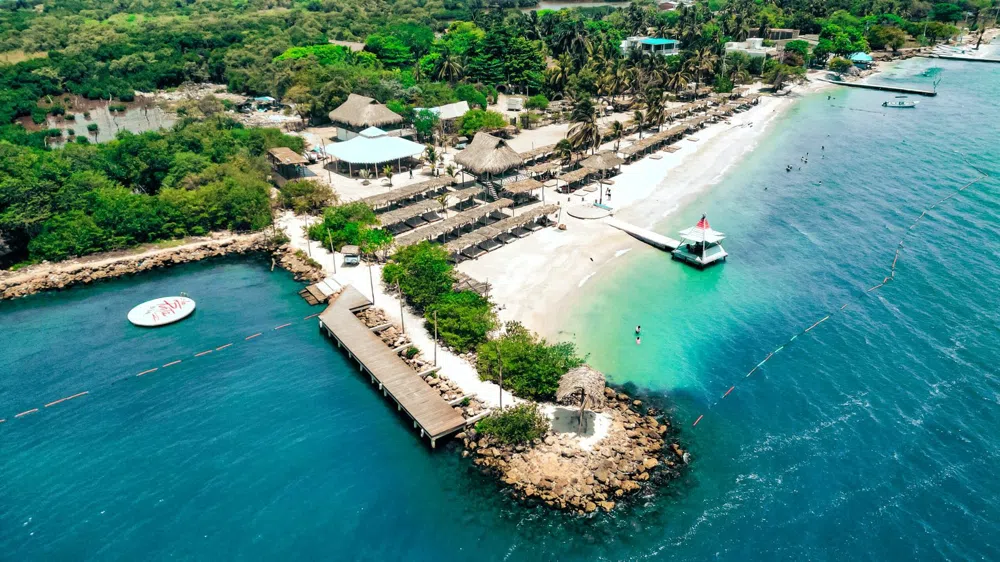
Cartagena Without the Bracelet Sellers
Book the boat, the fort ticket and the table before you leave your room. The street sell is much easier to wave off when you already have somewhere to be.
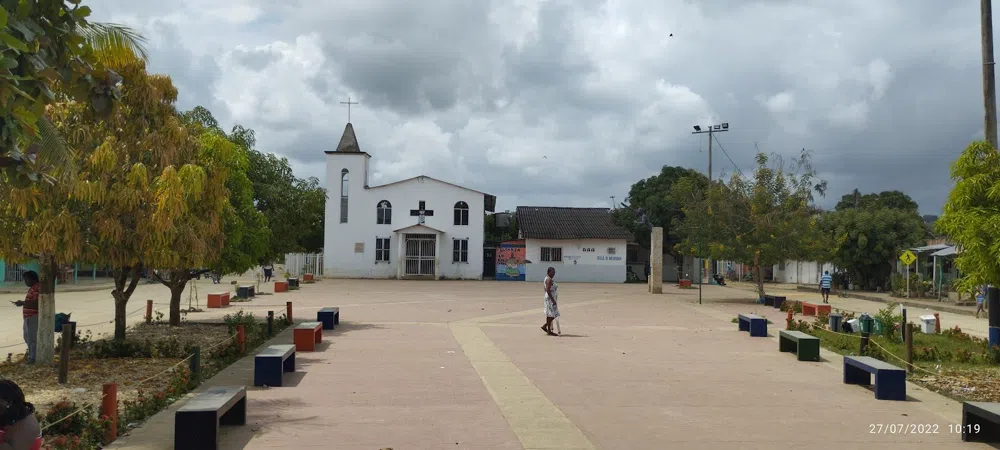
Day Trips Out of Cartagena That Earn a Longer Stay
Sixteen ways out of the walled city, ordered by how far you have to go, with what each one really costs you in hours and pesos.
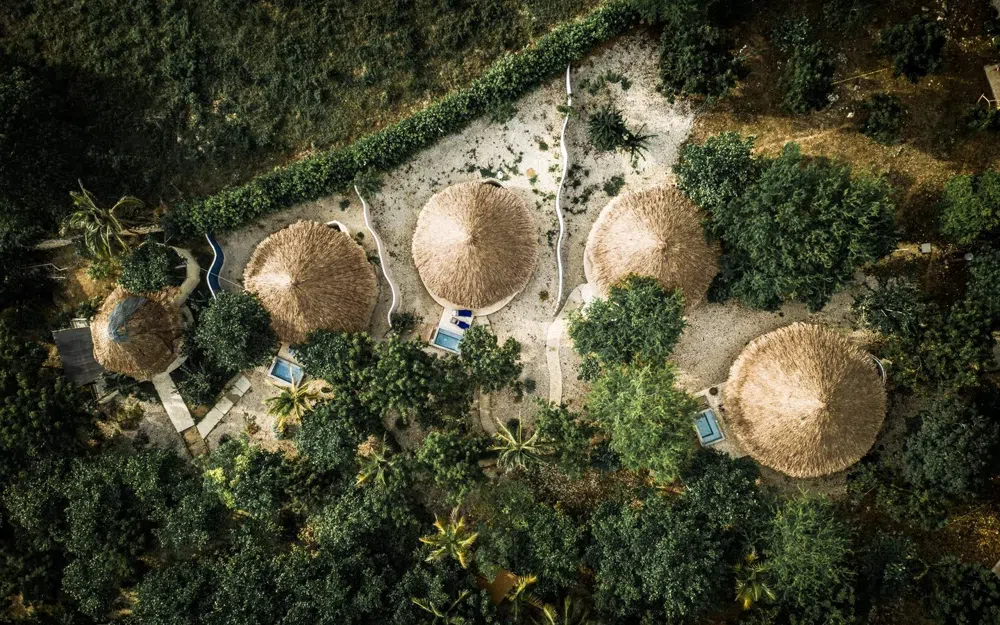
Crossing to Tierra Bomba for a Slower Cartagena Beach Day
The island is fifteen minutes off Cartagena, and the day works or it doesn't depending on two things you sort out at the dock: catching an early boat and choosing one club.
Where to base yourself
The neighborhoods
01
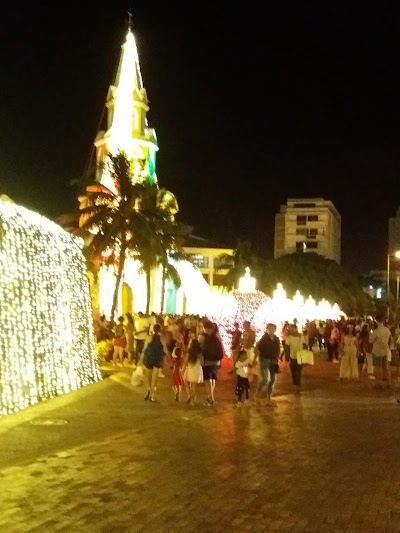
El Centro
For Those who want to be steps from the city's finest dining and architectural landmarks. The trade-off is intense crowds and relentless street vendors.
The historic, wealthy core of the walled city, filled with restored 16th-century mansions, upscale boutiques, and high-end restaurants.
Where to stay — High-end boutique hotels housed in converted colonial convents and mansions.
02
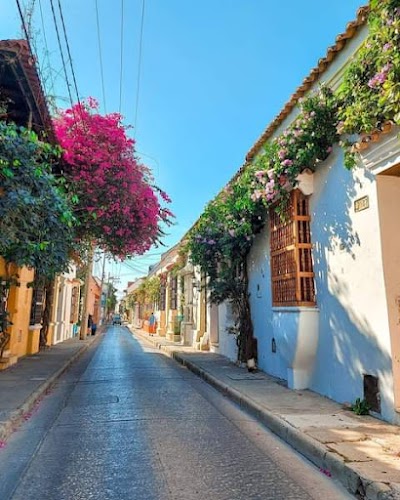
San Diego
For Travelers seeking historic charm without the intense foot traffic of El Centro. The trade-off is fewer nightlife options and premium accommodation prices.
The quieter, more artistic northern half of the walled city, home to the Beaux-Arts school and leafy plazas.
Where to stay — Chic boutique hotels and upscale guesthouses.
03
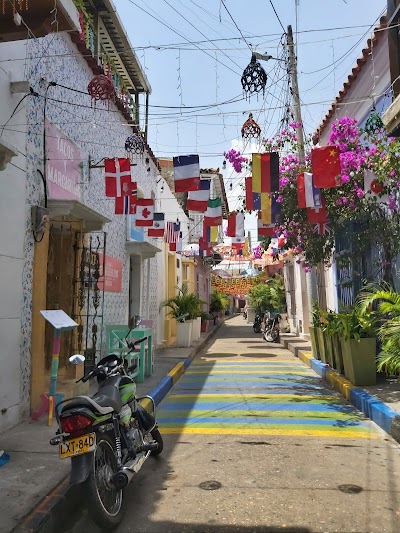
Getsemaní
For Creatives and nightlife lovers who want a more local, bohemian atmosphere. The trade-off is that it is noisy late into the night.
A historically working-class neighborhood that has evolved into a colorful hub of street art, local eateries, and nightlife.
Where to stay — Trendy hostels, design-focused mid-range hotels, and guesthouses.
04
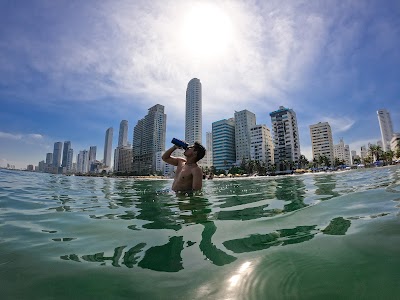
Bocagrande
For Travelers who prefer modern amenities, swimming pools, and familiar hotel brands. The trade-off is a lack of historic character and aggressive beach vendors.
A peninsula dominated by white high-rise apartments, international hotel chains, and busy beaches.
Where to stay — Large international chain hotels with bay or ocean views.
05
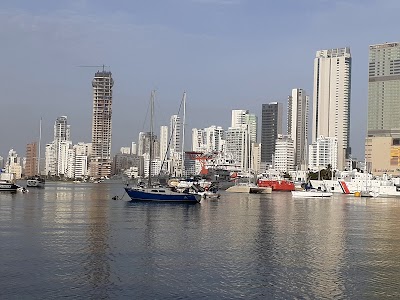
Manga
For Slow travelers and families looking for a peaceful, local neighborhood. The trade-off is a lack of tourist sights, requiring a short taxi ride to reach the walled city.
A quiet, residential island neighborhood characterized by grand early-20th-century republican mansions and a yacht marina.
Where to stay — Low-key guesthouses and long-term apartment rentals.
06
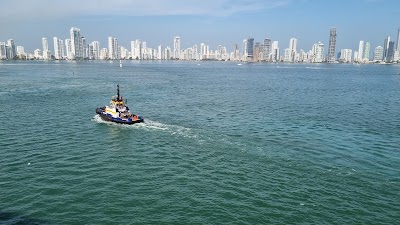
La Boquilla
For Adventure seekers and cultural travelers looking to escape the tourist bubble. The trade-off is basic infrastructure and a location far from the center.
A traditional Afro-Colombian fishing village located northeast of the city center, bordered by extensive mangrove swamps.
Where to stay — Basic eco-lodges or beachfront apartments.
Book direct
Book a hotel in Cartagena
Loading live availability and real-time prices…
Where to eat
Dining
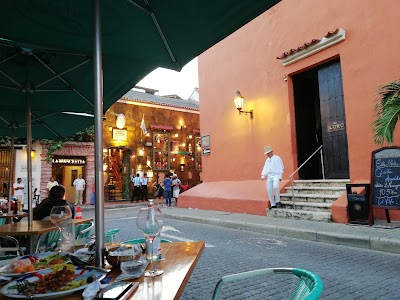
La Cevicheria
€€El Centro
Famous for its creative, non-traditional ceviches served in a tiny, blue-and-white dining room made popular by Anthony Bourdain.
Signature — Ceviche Costeño with sour cream and crackers.
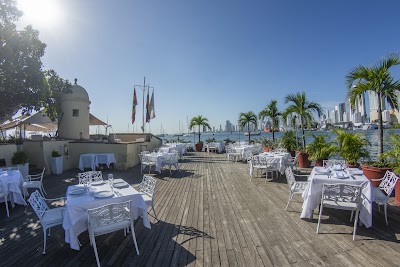
Club de Pesca
€€€€Manga
Offers open-air dining directly over the marina, set on the ramparts of a 17th-century fort.
Signature — Grilled sea bass with local herbs and coconut rice.
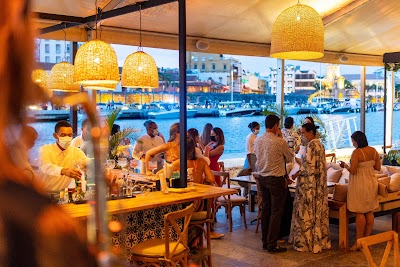
Marea by Rausch
€€€€El Centro
Upscale dining overlooking the convention center bay, run by renowned Colombian chefs.
Signature — Traditional seafood casserole (Cazuela de mariscos).

Restaurante Donjuán
€€€El Centro
Combines fresh Caribbean ingredients with classic European bistro techniques in a stylish, air-conditioned space.
Signature — Grilled octopus with local potatoes and citrus aioli.
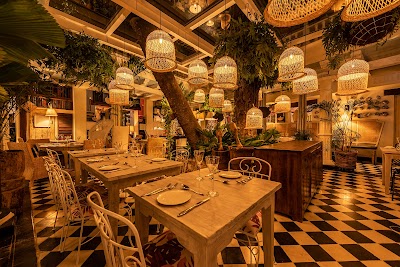
Candé
€€€San Diego
Offers a highly theatrical dining experience with live traditional dance performances and authentic Cartagenero recipes.
Signature — Posta Negra Cartagenera (slow-cooked beef in a sweet panela sauce).
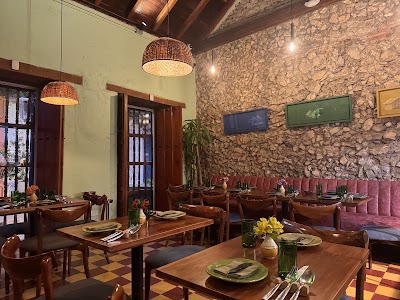
Celele
€€€€Getsemaní
An award-winning restaurant dedicated to researching and preserving the culinary biodiversity of the Colombian Caribbean.
Signature — Slow-cooked goat with coconut rice and local beans.
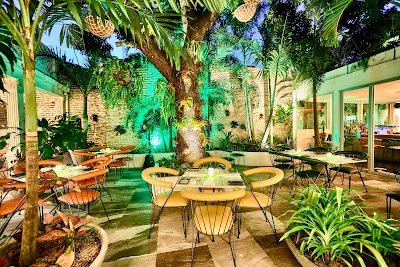
Carmen
€€€€El Centro
An elegant, contemporary restaurant set in a colonial courtyard, offering inventive tasting menus.
Signature — Seven-course tasting menu highlighting exotic local fruits and fresh fish.
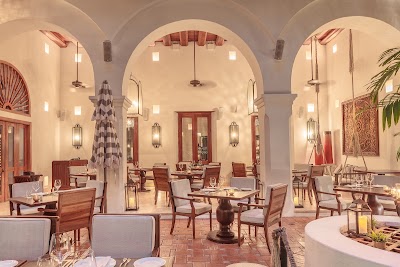
Alma
€€€€El Centro
Located inside the Casa San Agustín hotel, offering refined coastal classics in a romantic, candlelit courtyard.
Signature — Lobster empanadas and seafood cazuela.

Restaurante 1621
€€€€San Diego
Housed in a historic 17th-century convent, pairing French culinary techniques with local ingredients.
Signature — Multi-course wine-paired tasting menu.
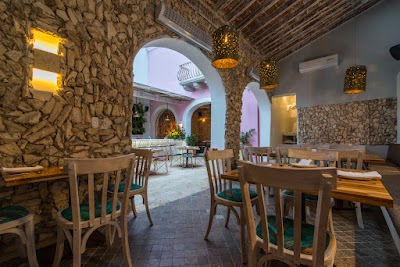
Mistura
€€€El Centro
A stylish venue blending Peruvian-Japanese fusion with fresh Colombian coastal ingredients.
Signature — Tiradito with passion fruit tiger's milk.
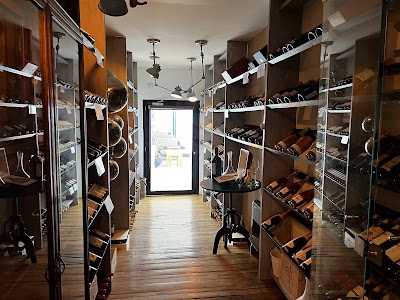
Erre de Ramón Freixa
€€€€Bocagrande
High-end Spanish-influenced dining on the top floor of Las Américas Golden Tower, offering panoramic views.
Signature — Degustation menu featuring modern tapas.
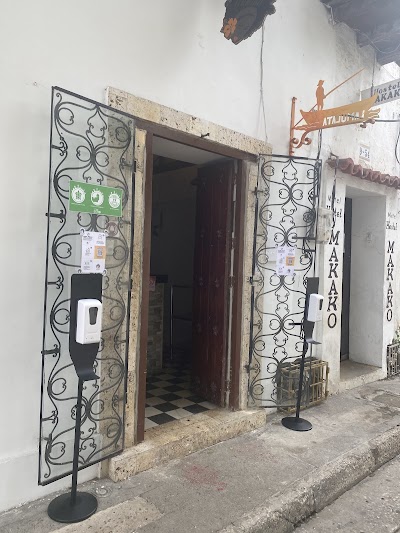
La Mulata
€€El Centro
A popular, art-filled lunch spot serving affordable, high-quality local set meals.
Signature — Fried red snapper with coconut rice and avocado.
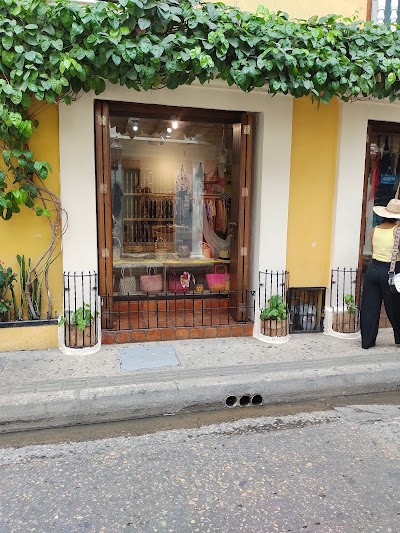
Espíritu Santo
€El Centro
A no-frills, cafeteria-style joint packed with locals eating traditional, hearty lunches.
Signature — Posta negra or fried fish of the day.
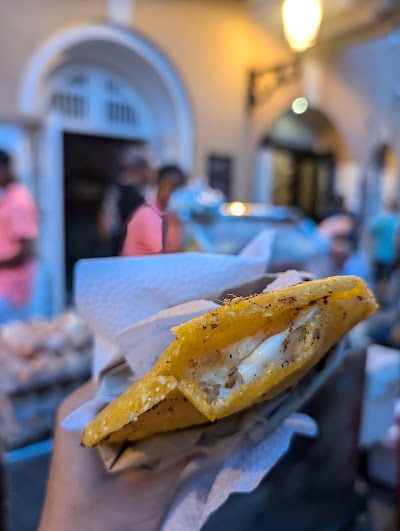
Arepas de Huevo de la Plaza de la Trinidad
€Getsemaní
A legendary street stall serving the ultimate late-night coastal snack.
Signature — Arepa de huevo (deep-fried corn cake with egg and ground beef).
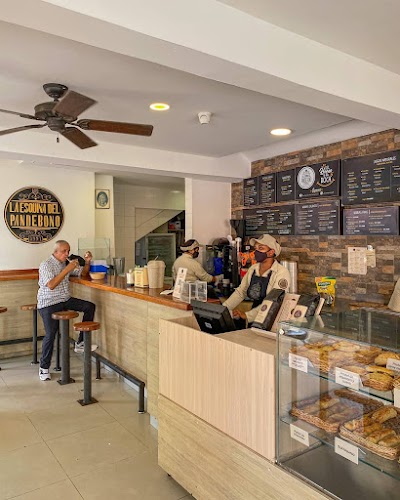
La Esquina del Pandebono
€El Centro
A busy corner bakery famous for serving warm, cheesy bread straight from the oven.
Signature — Pandebono with a cup of local hot chocolate.
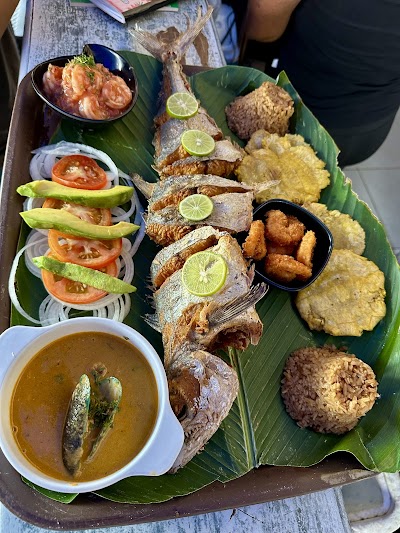
Quero Criollo
€€San Diego
An unpretentious spot serving authentic, home-cooked Cartagenero dishes in a relaxed setting.
Signature — Sancocho de pescado (traditional fish soup).
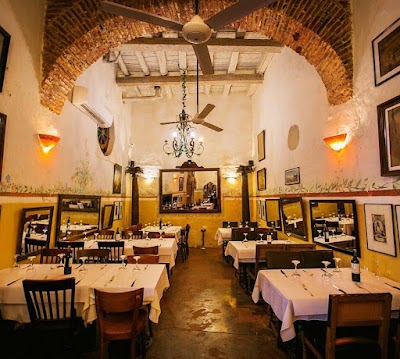
Donde Olano
€€El Centro
A cozy, rustic tavern serving excellent local bites and seafood dishes.
Signature — Coconut pie.
After dark
Nightlife
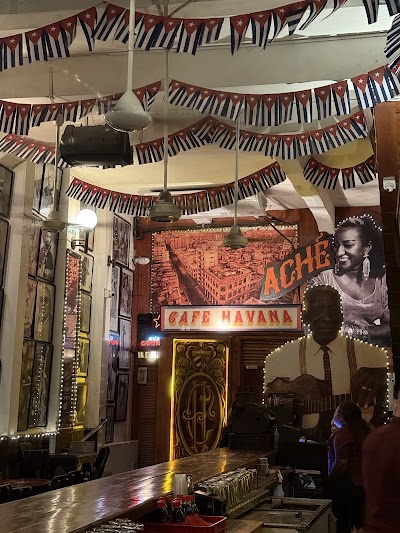
Café Havana
Getsemaní
A legendary live salsa club with a Cuban vibe, attracting world-class musicians and a passionate dancing crowd.
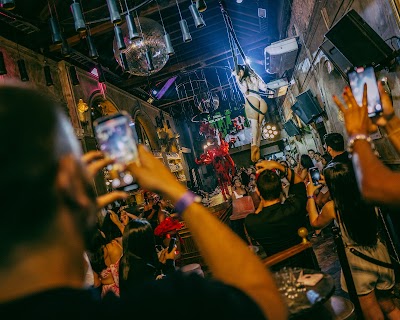
La Movida
El Centro
An upscale, trendy club with two distinct rooms playing electronic music and crossover Latin hits.
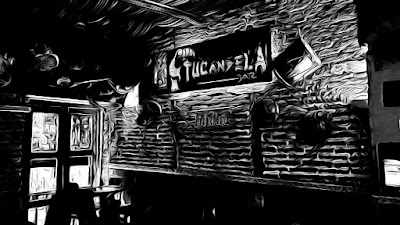
Tu Candela
El Centro
A classic bar and club located right by the Clock Tower, playing classic salsa, merengue, and reggaeton.
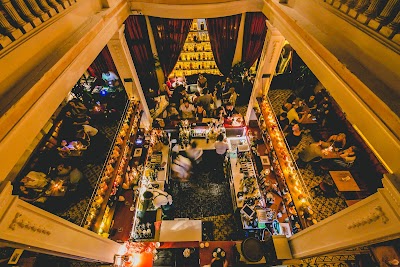
Alquímico
El Centro
A world-renowned multi-level cocktail temple that uses local Colombian botanicals and experimental techniques.
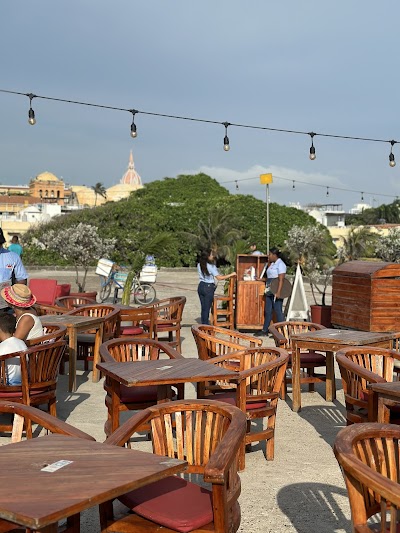
Café del Mar
El Centro
An iconic bar perched directly on the historic stone walls, offering prime sunset views over the Caribbean Sea.
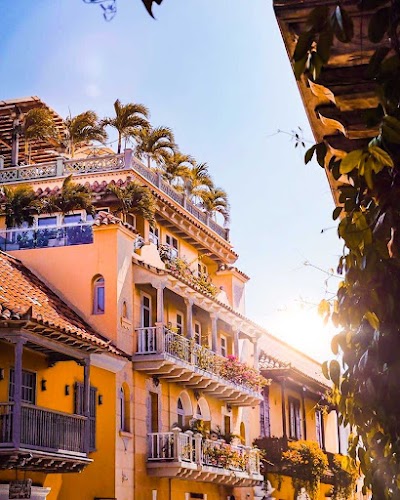
Townhouse Rooftop
El Centro
A hip rooftop bar featuring mini plunge pools, creative cocktails, and views of the historic church domes.
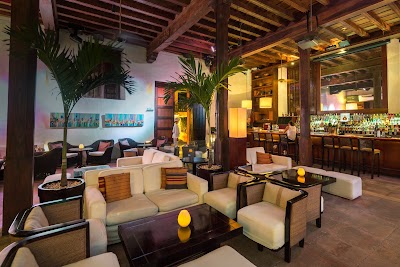
El Coro Lounge Bar
San Diego
An intimate, sophisticated cocktail lounge inside the Sofitel Legend Santa Clara.
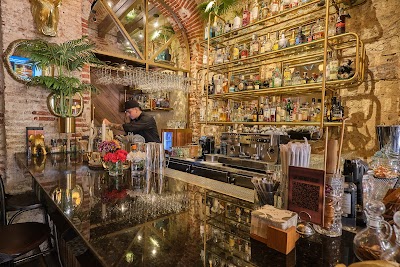
El Mirador
El Centro
A rooftop bar overlooking the bustling Clock Tower plaza, perfect for people-watching.
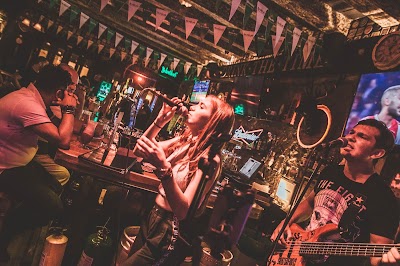
The Clock Pub
El Centro
An English-style pub offering a solid selection of craft beers and sports screens.
Art & history
Culture
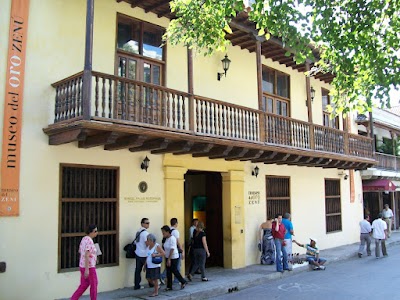
Museo del Oro Zenú
El Centro
A beautifully curated museum showcasing pre-Columbian gold and pottery of the Zenú people.
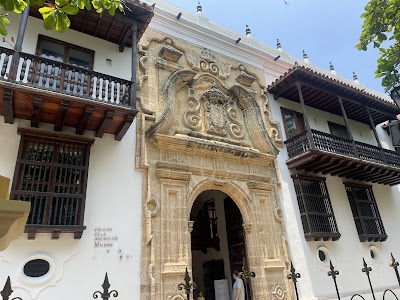
Palacio de la Inquisición
El Centro
A grand baroque palace detailing the grim history of the Spanish Inquisition's torture methods.

Museo de Arte Moderno
El Centro
Housed in a 17th-century former customs house, showcasing Colombian and Latin American modern art.
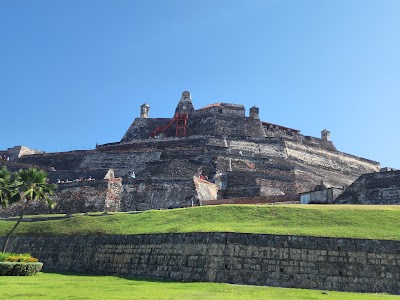
Castillo de San Felipe de Barajas
Outside the walls
A massive 17th-century fortress built by the Spanish, featuring a complex network of tunnels.
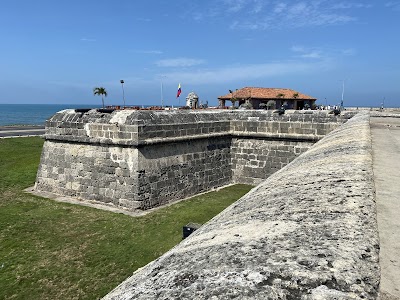
Las Murallas
Encircling the old city
Centuries-old stone fortifications built to protect the city from pirate attacks.
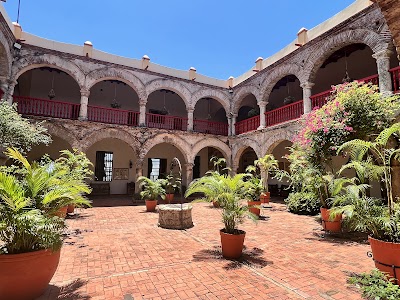
Convento de la Popa
Atop the highest hill
A 17th-century convent with a flower-filled courtyard and panoramic city views.
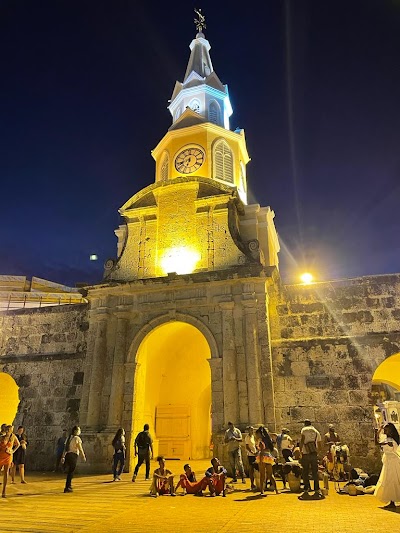
Torre del Reloj
El Centro
The grand main gateway to the walled city, originally built in the 17th century.
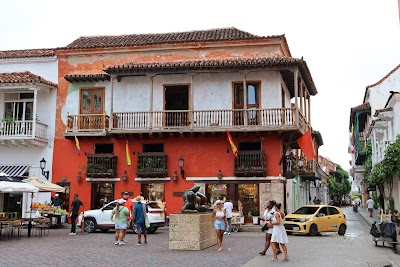
Plaza de Santo Domingo
El Centro
A bustling square home to Fernando Botero's famous reclining bronze sculpture, Gertrudis.
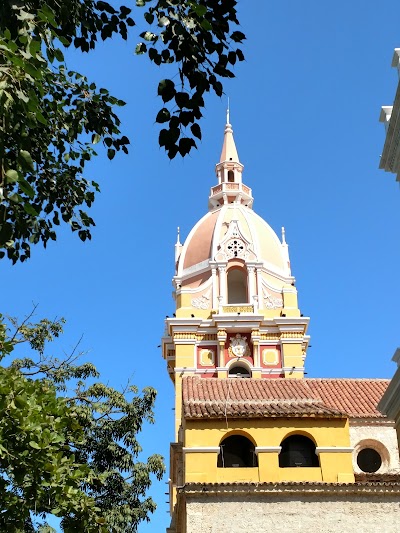
Catedral de Santa Catalina de Alejandría
El Centro
An iconic pink-and-yellow cathedral dating back to 1577, featuring a soaring dome.
Book ahead
Top-rated experiences in Cartagena

The Howling Trail Hike
from $169

Cartagena Jet Ski Adventure with Optional Drone Video
from $60

Romantic Date Night in the Bay of Cartagena
from $908

Champeta with us, it's a vibe
from $38

Cartagena Private Photo Session With a Professional Photographer
from $110

Authentic Cartagena City Tour
from $530

Specialty Coffee Workshops in Cartagena
from $50

Birdwatching in a private nature reserve
from $358
Prices from Viator; we may earn a commission when you book — at no extra cost to you. Tours are sold and operated by Viator, the merchant of record. Ratings are collected by Viator and Tripadvisor.
Timing
When to visit
Dry Season (December to April)
Strong trade winds keep the evenings slightly cooler. This is peak tourist season, bringing the highest prices and largest crowds, especially around New Year and Easter.
Shoulder Season (May to August)
Temperatures rise and afternoon showers become common. Crowds thin out, making it easier to secure restaurant reservations, though the humidity can be intense.
Rainy Season (September to November)
The wettest months of the year, often featuring heavy downpours that can cause temporary street flooding. Prices are at their lowest, and the city is exceptionally quiet.
What it costs
Budgeting
Logistics
Getting around
From the airport
Rafael Núñez International Airport (CTG) is located just north of the city. Taxis are the most reliable option; use the official taxi stand outside the terminal to get a pre-printed rate ticket based on your destination before boarding.
Public transit
The Transcaribe bus rapid transit system operates dedicated lanes but is rarely useful for visitors staying within the historic areas. Local 'colectivo' buses are chaotic and difficult to navigate without fluent Spanish.
Passes & tickets
There are no unified transit or tourist passes worth purchasing; cash is the primary method of payment for transport.
On foot
The historic walled city (El Centro and San Diego) and Getsemaní are highly walkable, with flat streets and short distances. Outside these zones, the heat and lack of pedestrian infrastructure make walking impractical.
Travel smart
Safety & etiquette
Local etiquette
- •Street vendors, including the famous fruit-bearing Palenqueras, expect payment if you take their photo; agree on a small tip beforehand.
- •Haggling is expected with street vendors and taxi drivers, but keep it polite.
- •Tips (servicio) of 10% are usually added voluntarily to restaurant bills; check the receipt to see if it is already included.
From the ground
Practical tips
1
Always carry cash (Colombian Pesos) in small denominations; street vendors and taxis rarely accept cards.
2
Download Cabify or InDrive to book rides with pre-determined prices, avoiding taxi fare negotiations.
3
Visit Castillo de San Felipe at 8:00 AM sharp when it opens to avoid the brutal midday heat and cruise ship crowds.
4
If a street vendor offers you a 'free' sample of fruit or a massage on the beach, decline firmly; it is never free.
5
Book popular restaurants like Celele or Alquímico weeks in advance, as they fill up quickly with international travelers.
6
Watch out for uneven cobblestones and loose tiles on the sidewalks inside the walled city to avoid tripping.
Cartagena FAQs
Is the tap water safe to drink in Cartagena?
No, it is highly recommended to stick to bottled or filtered water to avoid stomach issues.
Do I need to speak Spanish to get by?
While hotel staff and high-end restaurant workers speak English, basic Spanish is incredibly helpful for taxis and street vendors.
How do I get to the Rosario Islands?
You must book a speedboat or yacht charter departing from the main port, Muelle de la Bodeguita, early in the morning.
Is Cartagena expensive compared to the rest of Colombia?
Yes, Cartagena is significantly more expensive than cities like Medellín or Bogotá, especially inside the walled city.
What should I wear to fit in?
Lightweight, breathable fabrics like linen are essential for the tropical heat; upscale venues expect smart-casual attire in the evening.