Cartagena travel guides & articles
All 37 in-depth pieces we’ve published on Cartagena — newest first.
Tours & tickets
Cartagena's Rosario Islands in One Long Boat Day
What a full day out to the Rosario Islands really involves: the cash-only fees, the 8:30am pier window, the reef rules, and which islands reward the crossing.
Tours & tickets
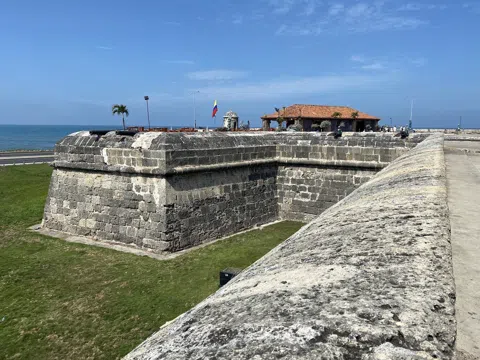
Walking Cartagena's Walled City From Dawn to Salsa Hour
Four kilometres of free rampart and one dome worth climbing, but in Old Town Cartagena it is the hour you set out that decides whether the walk is a pleasure or a punishment.
Tours & tickets
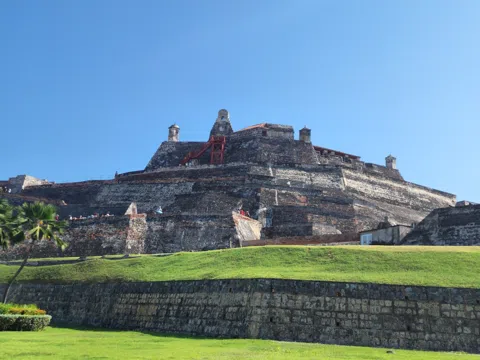
Inside the Tunnels and Cannon Terraces of San Felipe, Cartagena
The tunnel galleries and cannon terraces of Cartagena's hill fort, what entry costs, the hour to climb, and where to go when the heat ends it.
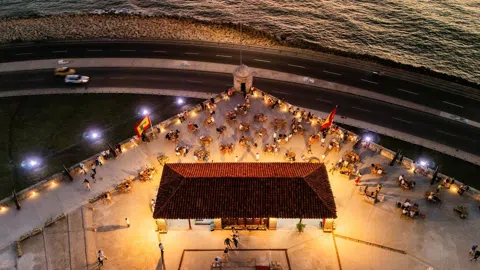
How Many Days Cartagena Actually Needs
Three days, five, or a full fortnight: what each length of stay in Cartagena genuinely buys, and the days that stop the old town becoming one long loop.
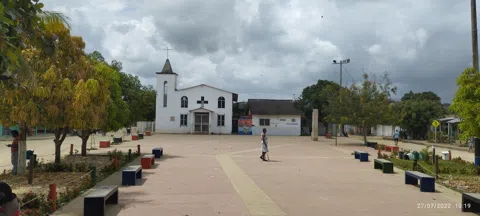
Day Trips Out of Cartagena That Earn a Longer Stay
Sixteen ways out of the walled city, ordered by how far you have to go, with what each one really costs you in hours and pesos.
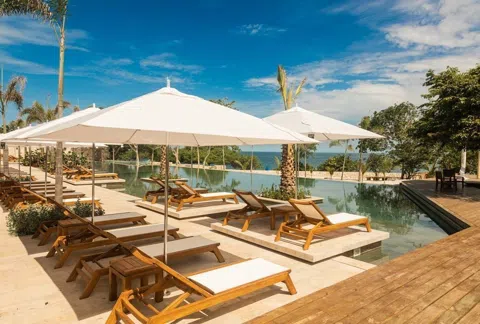
Cartagena in October When the Rain Buys a Better Beach Day
The wettest month on this coast is also the cheapest. Here is how to spend it on the islands rather than the city sand, with real day-pass prices, boat times and rain plans.
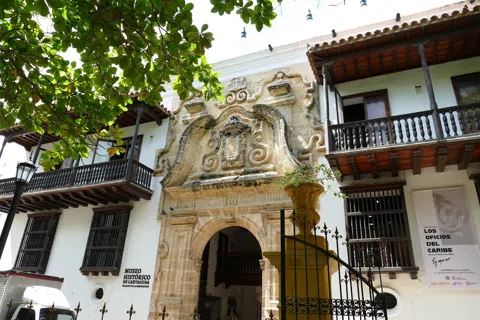
Cartagena in December: A First-Timer's Winter Guide
A December week in Cartagena, built around two fixed hours: the fortress at dawn and the sea wall at five. In between, salsa rooms, ceviche queues and boats to two islands.
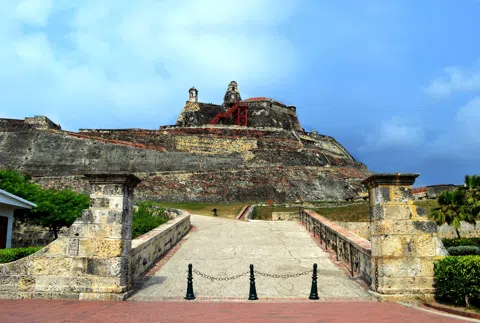
Pie de la Popa, Cartagena's barrio under the fortress
What the castle costs and when to go, why La Popa is a taxi both ways, which rooftops look at the ramparts, and the only beds worth booking in Pie de la Popa.

Cartagena Changes the Day the November Breeze Lands
The rain thins, the trade wind comes back off the bay, and the city's rooftops, walls and islands all start working again. Here is how to use that turn.
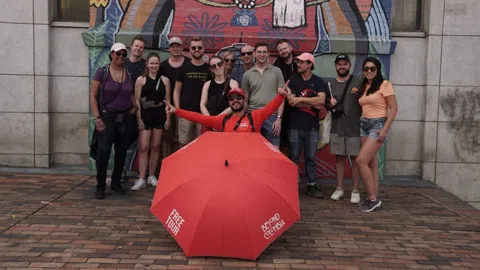
Cartagena on Foot and the One Ride You Still Need
The walled city, Getsemaní and even the fortress on the hill are all within walking distance. Here is how to time the heat, which doors are difficult, and the one trip that really does need a taxi.

Cartagena's Rooftop Race Runs From the Walls to the 51st Floor
Cartagena's bars have been climbing for five years, from two-storey colonial terraces to the glass towers across the bay. Here is which altitude is actually worth your evening, and how to get a table at it.

Neck-Deep in Warm Mud at Cartagena's El Totumo Volcano
An honest account of the mud crater an hour north of Cartagena: what the hour inside is really like, what it costs in small notes, and where to spend the rest of the day once you are rinsed.
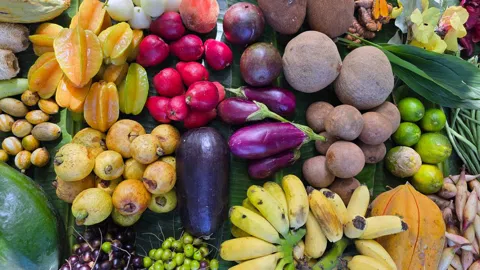
Cartagena's Creole Stews and the Rice of the Slave Ships
Cartagena's Afro-Caribbean history is still cooked and eaten as coconut rice, mote de queso and sancocho. Here is where to find them, from a COP 15,000 set lunch to a world-ranked tasting menu.
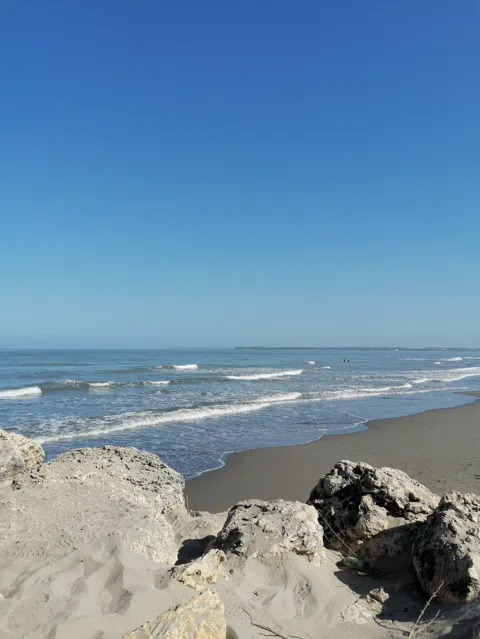
Beaches, mangroves and golf in Cartagena's Zona Norte
A single road north of Cartagena's walls holds the La Boquilla fishermen and their mangrove canoes, a Blue Flag beach with a boardwalk, a Nicklaus course above the surf, and the best table on the coast.
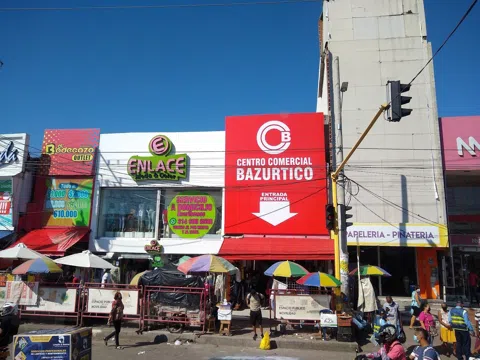
Bazurto market and the barrio San Francisco in Cartagena
On the working side of Cartagena there is a market, a fort, a convent on the hill and a row of seafood terraces. Here are the hours, the prices, and the one place you should not walk alone.
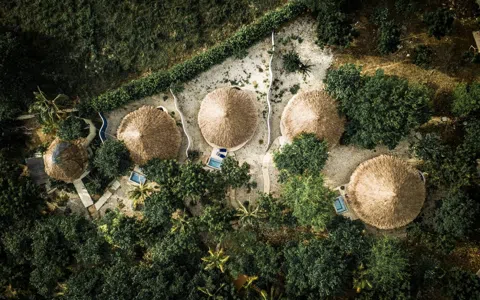
Crossing to Tierra Bomba for a Slower Cartagena Beach Day
The island is fifteen minutes off Cartagena, and the day works or it doesn't depending on two things you sort out at the dock: catching an early boat and choosing one club.
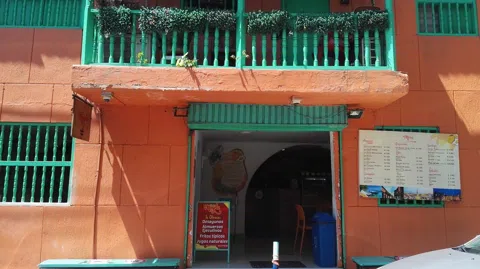
Eaten Standing Up: Cartagena's Street Food in the Caribbean Heat
A hungry, honest crawl through Cartagena's fry carts, market comedors and after-dark plazas — where the best food is eaten on your feet, in the heat, for a handful of pesos.
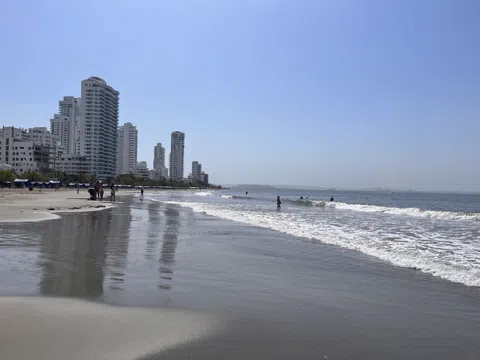
El Laguito, the flat-water end of Cartagena's peninsula
Where to swim, eat, buy emeralds and sleep on the last few blocks of Cartagena's Bocagrande peninsula.
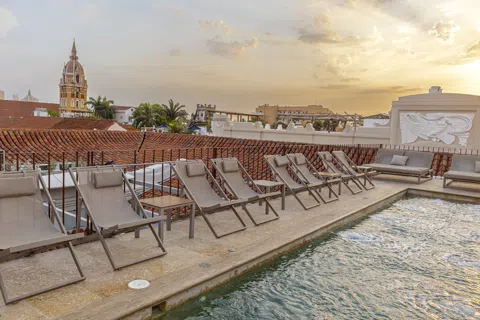
Where to Stay in Cartagena: The New Four Seasons, Getsemani Boutiques or the Beach
The Four Seasons has reset the top end of Cartagena, but there are good new rooms inside the walls and out on the beach too. Which one you want depends on the trip you have planned.
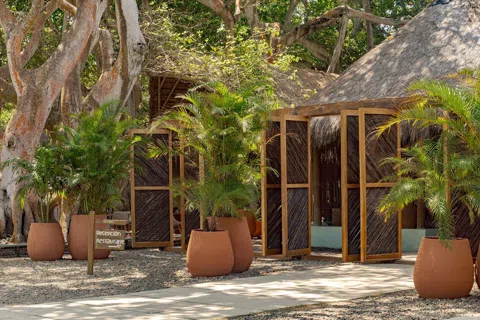
The Rosario Islands: Cartagena's 48-Hour Escape
A practical, honest itinerary through the coral-fringed keys off Cartagena — where to sleep, which beach club actually suits your group, and how to spend two days without wasting one of them on a bad boat.
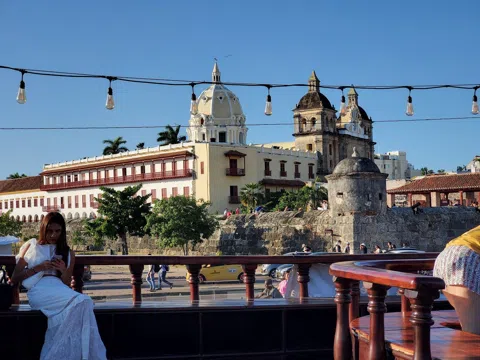
The Rosario Islands, Two Days Out From Cartagena
A working itinerary for the Rosario archipelago — the dock gauntlet, the day-trip beach clubs, and which coral key actually earns an overnight.
Tours & tickets
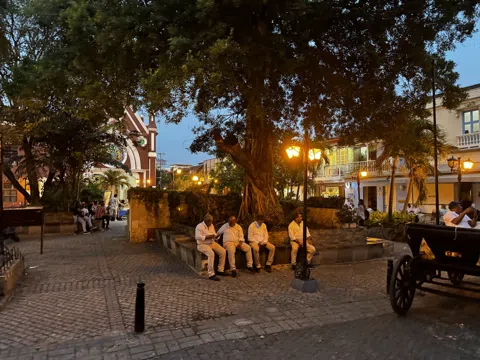
Plaza de San Diego Is Cartagena's Calm Square After Dark
Cartagena's walled city has grander squares, but Plaza de San Diego is the one you can still sit in after nine. How to spend an evening around it, and what it costs.

Drinking Above the Walls in Cartagena's Old Town
Fifteen rooftops above the walled city and Getsemaní, with the door rules, dress codes and real prices you need before you go.
Tours & tickets
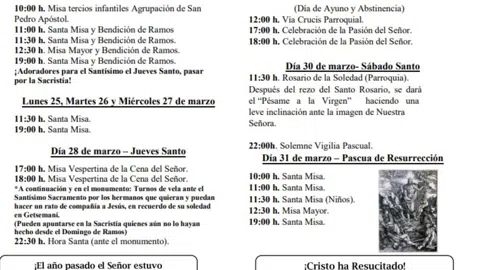
Santo Domingo church in Cartagena opens around mass
Cartagena's oldest church has no ticket desk and no booking system. Whether you get through the door at all depends on the mass schedule.
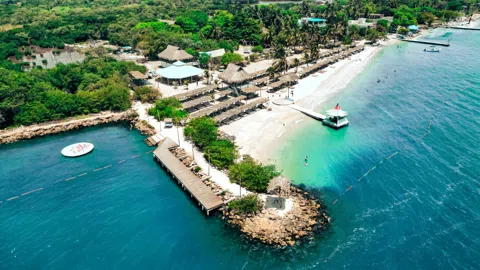
Cartagena Without the Bracelet Sellers
Book the boat, the fort ticket and the table before you leave your room. The street sell is much easier to wave off when you already have somewhere to be.
Tours & tickets
Shopping Cartagena's Old Prison Vaults at Las Bóvedas
Antonio de Arévalo's bomb-proof vaults once held independence prisoners. Now the arches front craft shops, and walking the row costs nothing.
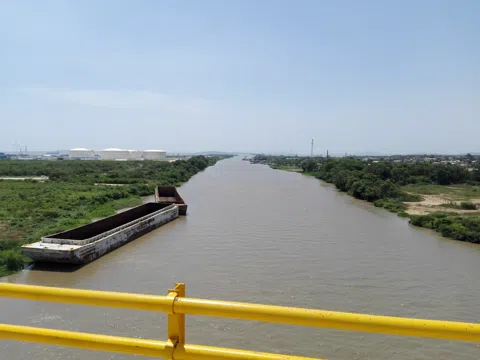
What Cartagena's Boat Crowds Miss on the Barú Road
Almost everyone arrives on Barú by speedboat and sees four hours of sand. The road in from Cartagena passes lime kilns and painted village squares before it reaches a mangrove interior most visitors never learn is there.
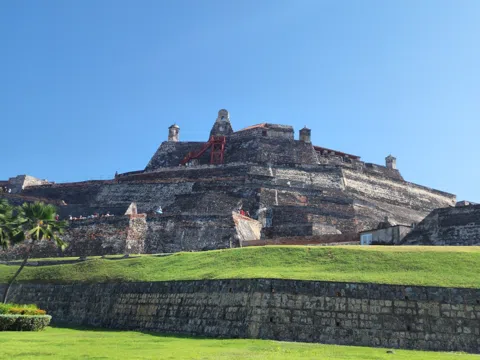
Chasing the Sentry's Ghost Through Cartagena's Fortress
There's no candlelit night tour of Castillo San Felipe de Barajas — but arrive in the last hour before the 6pm gates shut, and the tunnels, cannon vents and the legend of the wandering sentry are yours almost alone.
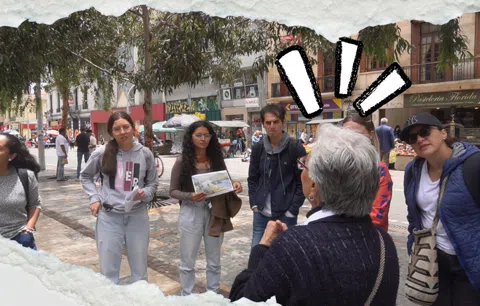
How Cartagena's Market Women Cook Bazurto
A food trail through Cartagena's working market and out to the coast, following the women and chefs who cook the city's Caribbean food.
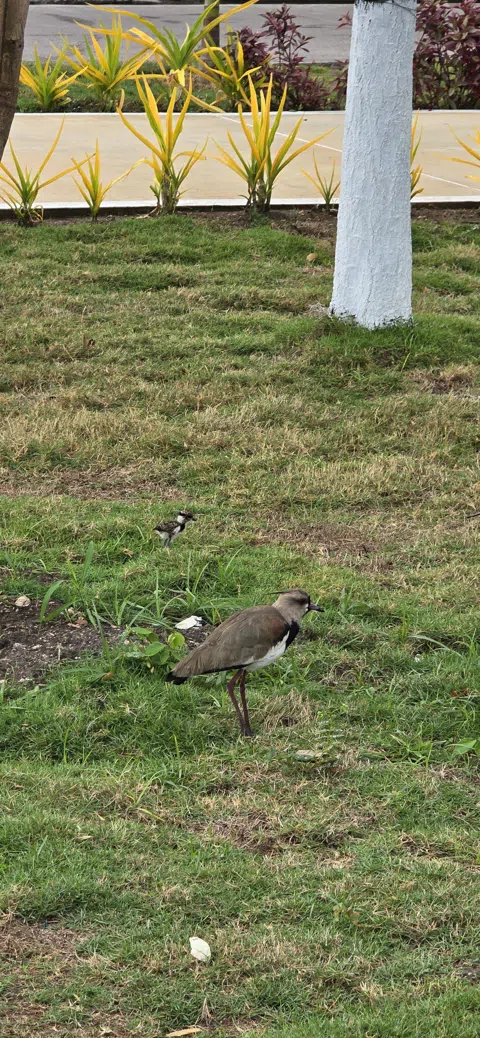
Where to eat, swim and walk in Castillogrande, Cartagena
Cartagena's peninsula ends quietly, with a rebuilt park on the tip and a bay beach that new stone groynes hold in place. The 1600s fort there is locked inside a naval club.
The Informer's Window at Cartagena's Palace of the Inquisition
The small barred opening on Calle de la Inquisición was a letterbox for accusations. How to read it, what the museum inside gets right and wrong, and the five places that complete the story.

The Cartagena Evening the Cruise Crowds Never See
As the last tender pulls away, Getsemaní's plazas fill, the walled city's real bars open, and Cartagena becomes a different, better city after dark.
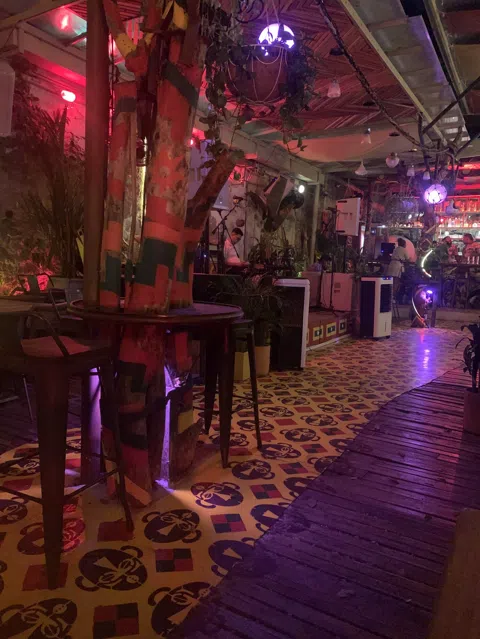
Cartagena After Dark: Where the Bazurto Spirit Still Dances
After the cruise crowds leave and Bazurto's stalls go dark, the market's food and picó-sound culture moves into Getsemaní's clubs, bars and street corners — here's where to actually find it.
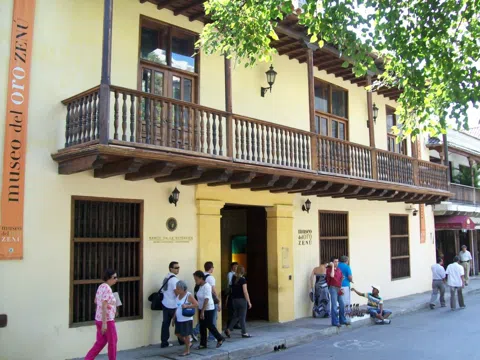
Cartagena's Emerald Quarter: A Colonial Inheritance
A block-by-block walk through the trade that has run through Cartagena's walled city since long before the Spanish arrived, from Zenú goldwork to the shops locals actually trust.
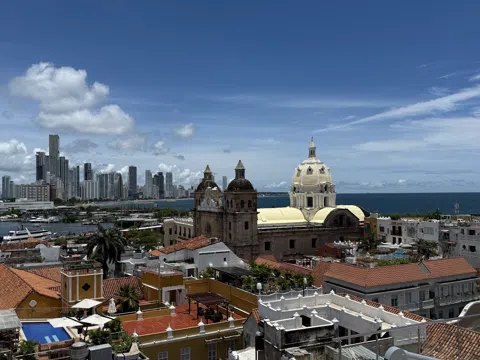
In Gabo's Cartagena: Streets That Became His Novels
A literary walk through the plazas, convents and crypts of the walled city that Gabriel García Márquez turned into Love in the Time of Cholera and Of Love and Other Demons.
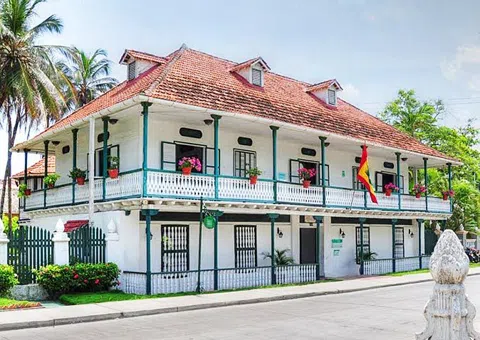
El Cabrero, the Cartagena barrio just outside the walls
Rafael Núñez's house by the sea, a neo-Gothic chapel holding two presidents' tombs, a jetty along the ramparts, and the beach Cartagena locals walk at dusk.

Cartagena's Palenqueras: The Fruit-Sellers and the Afro-Colombian Story Behind the Postcard
Behind every postcard photo of a Palenquera balancing a bowl of fruit is a freedom village that beat the Spanish crown - here's how to see both, honestly, in 2026.